
Grass Gurus: Choosing the Right Grass Type for Your Climate
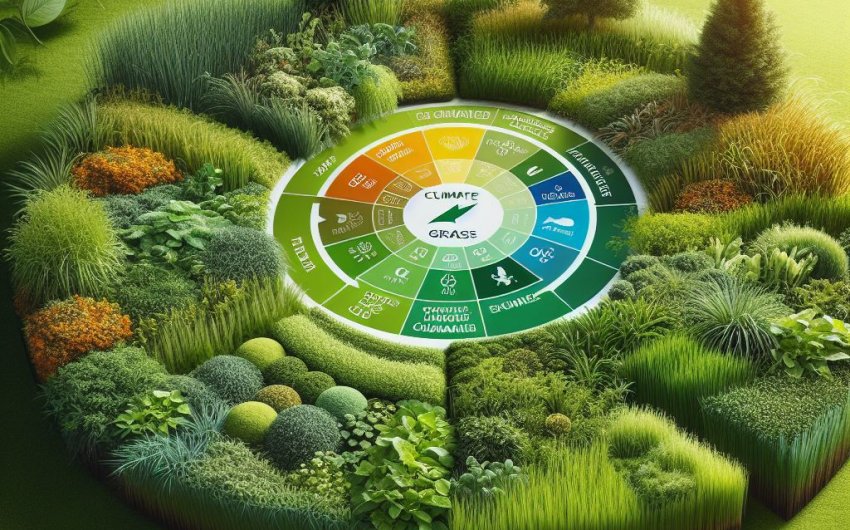
Choosing the right grass type for your climate requires identifying your local plant hardiness zone and matching it to either cool-season or warm-season turf varieties. By selecting a species naturally adapted to your regional rainfall and temperatures, you ensure a resilient, low-maintenance lawn that stays vibrant throughout the growing season.
Why Does Your Climate Zone Determine Your Lawn's Success?
Every species of grass has a specific temperature range where it thrives, known as its optimal growth window. If you plant a grass that loves heat in a snowy northern climate, it will likely die during the first deep freeze.
Conversely, northern grasses often "cook" and wither in the intense humidity and heat of the south. Understanding your geography is the first step toward a beautiful yard. Most of the United States is divided into three main regions: the Cool-Season Zone, the Warm-Season Zone, and the tricky Transition Zone.
- Cool-Season Zone: Northern states with cold winters and mild summers.
- Warm-Season Zone: Southern states with hot summers and mild winters.
- Transition Zone: A middle band where both types can grow, but both will struggle at certain times of the year.
What Are the Best Grasses for Northern Climates?
In the north, homeowners need cool-season grasses that can withstand sub-zero temperatures and remain green during the spring and fall. These grasses typically grow most vigorously when temperatures are between 60° F and 75° F.
They often go dormant (turn brown) during the hottest weeks of summer to protect their root systems. Using a soil moisture meter can help you decide if your northern lawn needs a drink or if it is just taking a summer nap.
| Grass Variety | Best Feature | Shade Tolerance |
|---|---|---|
| Kentucky Bluegrass | Deep blue-green color | Low |
| Perennial Ryegrass | Fast germination | Moderate |
| Fine Fescue | Very low water needs | High |
| Tall Fescue | Deep root system | Moderate |
Which Grass Types Thrive in the Southern Heat?
Southern lawns require warm-season grasses that love the sun and can handle temperatures well above 90° F. These varieties thrive in the "Sun Belt" and typically go dormant and turn tan only after the first hard frost of winter.
These grasses are known for their ability to spread via stolons and rhizomes, which are creeping stems that help the lawn fill in bare spots automatically. To keep these thick southern turfs looking sharp, many homeowners use a reel mower for a clean, golf-course-style finish.
- Bermuda Grass: Extremely tough and handles heavy foot traffic.
- St. Augustine: The king of coastal areas; loves humidity.
- Zoysia: Feels like a thick carpet and is very drought-tolerant.
- Bahia: A "low-input" grass that grows well in poor, sandy soils.
How Do You Navigate the Transition Zone?
The Transition Zone is the most difficult area for any "grass guru" because the summers are too hot for northern grass, and the winters are often too cold for southern grass. If you live in this region (think Virginia, Kentucky, or Missouri), you have to choose which "stress" you want to manage.
Many people in this area choose Tall Fescue because it is a cool-season grass with a much deeper root system than its cousins, allowing it to stay green longer in the heat. Others choose Zoysia, which is a warm-season grass that has a better cold tolerance than Bermuda.
Does the Amount of Shade in Your Yard Change Your Choice?
Climate isn't just about the state you live in; it's also about the "micro-climate" of your specific lot. If your yard is covered by massive oak trees, you cannot grow Kentucky Bluegrass or Bermuda, no matter how much fertilizer you use.
For shady areas, you need a specialized shade-tolerant grass seed mix. Fine Fescues (like Creeping Red or Chewings Fescue) are the champions of the shade in the north, while St. Augustine is the best option for shady southern lawns.
Shade Management Tips
- Prune lower tree branches to allow "dappled" sunlight to reach the ground.
- Mow shade grass about 1/2 inch higher than the rest of your lawn.
- Reduce fertilizer in shady spots, as the grass grows more slowly there.
How Much Maintenance Are You Willing to Perform?
Some grasses are like high-maintenance sports cars, while others are like rugged pickup trucks. Before buying seed or sod, be honest about how much time you want to spend on lawn care.
Kentucky Bluegrass requires frequent watering and fertilization to look its best. On the other hand, Buffalo Grass is a native prairie grass that needs almost no water and only needs to be mowed once or twice a year. If you prefer a "set it and forget it" approach, look for low-maintenance grass seed blends that include clover or slow-growing fescues.
What Is the Difference Between Seeding and Sodding?
Once you have chosen the right grass type for your climate, you have to decide how to install it. Both methods have pros and cons depending on your budget and how quickly you want a green yard.
- Seeding: The most affordable option. It takes longer to establish and requires constant watering for several weeks.
- Sodding: Provides an "instant lawn." It is much more expensive but is great for preventing erosion on slopes.
- Plugging: Common for warm-season grasses like St. Augustine. You plant small squares (plugs) that eventually spread to cover the whole yard.
Using a broadcast spreader ensures that if you choose to seed, you get an even distribution rather than patchy clumps of grass.
How Does Soil pH Affect Your Grass Choice?
Even if you pick the perfect grass for your temperature zone, it won't grow if your soil pH is wrong. Most grasses prefer a slightly acidic to neutral soil, typically between pH 6.2 and 7.0.
Centipede grass, common in the southeast, actually prefers more acidic soil (pH 5.0 to 6.0). Before you plant, use a soil test kit to see if you need to add lime to raise the pH or sulfur to lower it.
Why Should You Consider Native Grasses?
Native grasses are those that occurred naturally in your region before human development. Because they have lived in your climate for thousands of years, they are perfectly adapted to the local rainfall, pests, and soil types.
Using native species is the ultimate "green" choice. They require significantly less water and almost zero chemical pesticides. In the Midwest, for example, Blue Grama and Buffalo Grass are excellent native alternatives to traditional turf that stay resilient even in extreme droughts.
Can You Mix Different Grass Types Together?
Many high-quality seed products are actually blends or mixes. A "blend" contains different varieties of the same species (like three types of Kentucky Bluegrass). A "mix" contains different species entirely (like Bluegrass mixed with Perennial Ryegrass).
Mixing is a smart strategy because it provides genetic diversity. If a specific disease hits your yard, it might kill the Bluegrass but leave the Ryegrass alone, meaning you won't lose your entire lawn. Using a handheld seed spreader makes it easy to add new varieties to your existing lawn each fall.
How Do Foot Traffic and Pets Impact Your Decision?
If you have large dogs or kids who play soccer every afternoon, you need a "self-repairing" grass. Grasses that grow in bunches (like Tall Fescue) cannot fill in bare spots; you have to re-seed them manually.
Grasses with rhizomes or stolons (like Bermuda or Kentucky Bluegrass) "creep" into empty spaces. If a dog digs a small hole, these grasses will eventually grow over it on their own. For high-traffic areas, look for tough turf seed specifically designed for athletic fields and active backyards.
What Role Does Drainage Play in Choosing Grass?
If your yard stays soggy after a rain, you need a grass that can handle "wet feet." Most grasses will rot if their roots sit in water for too long.
Seashore Paspalum and certain types of St. Augustine are quite tolerant of wet conditions and even salt spray if you live near the ocean. If you have a low spot that never dries out, consider a rain garden instead of trying to force standard lawn grass to grow there.
Choosing the right grass type for your climate is a decision that pays dividends for years. By matching the biology of the plant to the reality of your weather, you spend less time fighting nature and more time enjoying your outdoor space. Whether you are looking for a rugged fescue for a northern play area or a sun-loving Zoysia for a southern retreat, selecting the proper variety is the true secret of any grass guru.