
Mulch Magic: Unveiling the Benefits of Mulching for Lawns
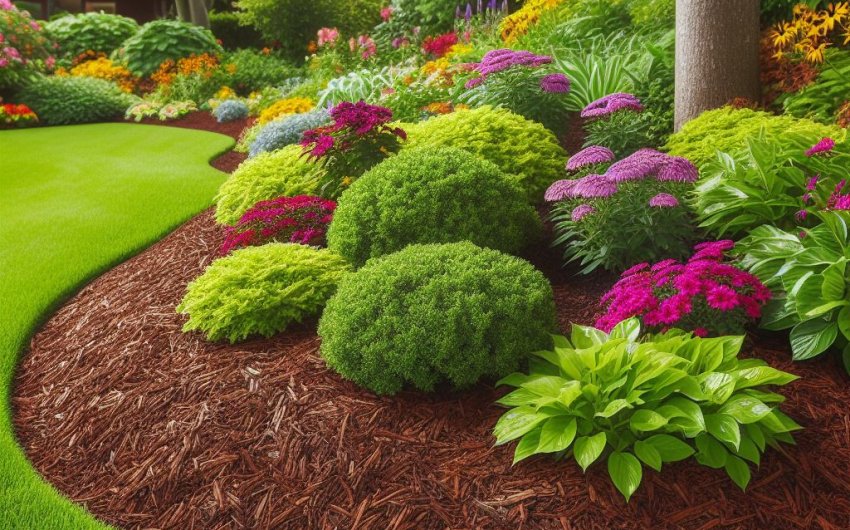
Mulching for lawns is a powerful practice that unveils numerous benefits, transforming ordinary grass into a healthier, more vibrant green carpet. This "mulch magic" can dramatically improve lawn health, reduce maintenance, and contribute to a more sustainable garden.
What is Mulching for Lawns?
Mulching for lawns primarily refers to the practice of leaving grass clippings on the lawn after mowing, rather than bagging them. These finely chopped clippings act as a natural organic mulch, providing a range of benefits to the grass and soil. It can also refer to top-dressing with a thin layer of compost.
- Nutrient Recycling: Grass clippings decompose, returning vital nutrients (especially nitrogen) to the soil, acting as a natural fertilizer.
- Moisture Retention: The layer of clippings helps shade the soil, reducing water evaporation and keeping the soil moist.
- Weed Suppression: A healthy, dense lawn created by mulching is more resilient against weed invasion.
- Soil Health Improvement: Adds organic matter to the soil, improving its structure, aeration, and microbial activity.
- Reduced Waste: Diverts grass clippings from landfills, contributing to a more sustainable waste management practice.
- Time and Effort Savings: Eliminates the need to bag and dispose of clippings.
Why Should You Embrace Mulching for Your Lawn?
The benefits of mulching for lawns are far-reaching, leading to a healthier turf and less work for the homeowner. It's a simple, yet highly effective practice.
- Natural Fertilization: Grass clippings are primarily water (about 80%) but also contain 4% nitrogen, 0.5% phosphorus, and 2% potassium, plus other micronutrients. Leaving them on the lawn recycles these nutrients, reducing the need for synthetic fertilizers.
- Improved Soil Health: As clippings decompose, they add organic matter to the soil. This:
- Enhances Soil Structure: Makes heavy clay soils more crumbly and sandy soils more water-retentive.
- Increases Water Infiltration: Allows water to penetrate the soil more easily.
- Boosts Microbial Activity: Feeds beneficial microorganisms that are vital for healthy soil.
- Water Conservation: The layer of mulch insulates the soil, reducing direct sun exposure and slowing down water evaporation. This means you'll need to water your lawn less frequently.
- Weed Suppression: A thicker, healthier turf creates a denser canopy, making it harder for weed seeds to germinate and thrive due to reduced light exposure.
- Reduced Thatch (Myth Buster!): Contrary to popular belief, leaving finely mulched grass clippings does NOT cause thatch buildup. Thatch is primarily composed of lignin (the woody parts of grass stems and roots) and is caused by excessive nitrogen fertilization, compacted soil, and overwatering. Finely mulched clippings decompose quickly.
- Environmental Benefits:
- Less Landfill Waste: Diverts millions of tons of organic waste from landfills, where it would produce harmful methane gas.
- Reduced Chemical Use: Less reliance on synthetic fertilizers and herbicides due to improved natural health.
- Time and Effort Savings: No more bagging, hauling, or disposing of grass clippings. This saves significant time and effort with every mow.
What Equipment Do You Need for Effective Mulching for Lawns?
To practice mulching for lawns effectively, a suitable lawn mower is the primary piece of equipment.
- Mulching Mower: While most modern mowers can mulch to some extent, dedicated Mulching Lawn Mowers are designed with special blades and decks that create a stronger airflow, allowing them to cut and recut the clippings into very fine pieces.
- Mulching Blades: If you don't want to buy a new mower, you can often purchase Mulching Blades designed for your existing mower. These blades have a unique shape that creates more lift and turbulence, chopping clippings more finely.
- Sharp Blades: Regardless of the type, ensure your mower blades are always sharp. Dull blades tear the grass, leaving ragged edges that turn brown and are more susceptible to disease. Sharp blades cut cleanly, producing finer clippings that decompose faster. Consider a Lawn Mower Blade Sharpener.
How Do You Practice Mulching for Lawns Effectively?
To get the most out of mulching for lawns, consistency and adherence to a few key techniques are vital.
1. Mow Frequently
- Rule of Thumb: Follow the "one-third rule." Never remove more than one-third of the grass blade's height in a single mowing.
- Benefit: Frequent mowing ensures that the clippings are short and fine, allowing them to decompose quickly and disappear into the turf without clumping.
- Ideal Frequency: In peak growing season, this might mean mowing every 4-5 days. In slower growth periods, once a week or every 10 days might suffice.
2. Mow When the Grass is Dry
- Avoid Wet Grass: Do not mulch when the grass is wet (from rain or heavy dew). Wet clippings clump together, can smother the grass, and don't break down properly. They also stick to the mower deck, creating a mess.
3. Maintain a Higher Mowing Height
- Recommended Height: Most grass types (especially cool-season grasses) benefit from being cut at a height of 2.5 to 3 inches or even higher.
- Benefit: Taller grass blades create a deeper root system, making the lawn more drought-tolerant and less susceptible to weeds. It also provides more surface area for photosynthesis.
4. Ensure Clippings are Finely Shredded
- Sharp Blades: As mentioned, sharp mower blades are crucial.
- Mulching Mower/Blades: Use equipment designed for mulching.
- Go Over Clumps: If you do notice any clumps of clippings, simply run your mower over them again to break them down further.
5. Vary Your Mowing Pattern
- Avoid Ruts: Change your mowing pattern each time (e.g., vertical one week, horizontal the next, then diagonal).
- Benefit: This helps prevent compacting the soil in specific areas and ensures grass blades are cut evenly.
Are There Any Exceptions to Mulching for Lawns?
While mulching for lawns is generally beneficial, there are a few situations where it's best to bag or remove clippings.
- Excessive Growth: If you miss a mow and the grass is very tall (e.g., more than 1/3 of its height), the clippings will be too long and heavy to decompose quickly. These can smother the grass and create thatch. In this case, bag the clippings or rake them up.
- Weed Seeds: If your lawn is heavily infested with weeds that have gone to seed (e.g., dandelions with white puffy heads), bag the clippings to prevent spreading weed seeds throughout your lawn.
- Diseased Grass: If your lawn has a fungal disease (e.g., brown patch, rust), bag the clippings to avoid spreading fungal spores. Clean your mower thoroughly after mowing a diseased lawn.
Can You Use Other Organic Materials for Mulching Lawns?
While grass clippings are the most common form of mulching for lawns, other organic materials can be used as a "top dressing" to provide similar benefits.
1. Compost
- Description: Finished, nutrient-rich organic matter.
- Benefits: Supercharges soil health, adds a wide array of nutrients, significantly improves soil structure and water retention. Does not cause thatch.
- Application: Apply a thin layer (1/4 to 1/2 inch) of screened Organic Compost evenly over your lawn, then rake it in so it settles down to the soil level. Best done in spring or fall.
2. Shredded Leaves
- Description: Finely shredded deciduous leaves.
- Benefits: Excellent source of carbon and micronutrients. Improves soil structure and moisture retention.
- Application: Run your lawn mower over fallen leaves multiple times to shred them finely, then leave them on the lawn. This is a great way to handle fall leaves sustainably. Avoid thick layers. A Leaf Shredder can also help.
Common Myths About Mulching for Lawns (Debunked!)
Let's clear up some common misunderstandings about mulching for lawns.
Myth 1: Mulching Causes Thatch
- Reality: This is the most pervasive myth. Thatch is a layer of undecomposed organic matter that accumulates between the green blades of grass and the soil surface. It's primarily caused by grass lignin (woody stems and roots) that decomposes slowly, and is often exacerbated by over-fertilization (especially with nitrogen) and compacted soil. Finely chopped grass clippings, which are high in water and easily decomposable nitrogen, actually feed the microorganisms that break down thatch.
Myth 2: Clippings Spread Weeds
- Reality: Only if you mulch grass that has gone to seed (e.g., dandelions with visible seeds). If you mow frequently and follow the one-third rule, you'll cut weeds before they can set seed. A healthy, dense lawn from regular mulching also actively suppresses weed germination.
Myth 3: Clippings Spread Disease
- Reality: Only if your lawn is currently suffering from an active fungal disease. In a healthy lawn, the microorganisms that break down clippings actually help to suppress disease by outcompeting harmful pathogens. If you have a diseased lawn, bag the clippings until the disease is under control.
Myth 4: Mulching Isn't Enough to Fertilize
- Reality: While it might not completely eliminate the need for supplemental fertilization, particularly for very heavy feeding lawns or if your soil is poor, mulching can provide 25% or more of your lawn's annual nitrogen needs. For many healthy lawns, this significantly reduces the amount of synthetic fertilizer required. It provides a slow, steady release of nutrients, which is better for the lawn than large, infrequent doses of synthetic fertilizers.
The Long-Term Impact of Mulching for Lawns
Embracing the "mulch magic" for your lawn is a commitment to a healthier, more resilient, and more beautiful turf. Over time, you'll observe significant improvements.
- Greener, Denser Lawn: With consistent nutrient recycling and improved soil health, your grass will be more vibrant and grow thicker.
- Increased Drought Tolerance: Better soil structure and moisture retention mean your lawn will withstand dry periods more effectively, requiring less supplemental watering.
- Fewer Weeds: A robust, healthy lawn is the best defense against weeds, reducing your reliance on herbicides.
- Healthier Soil Ecosystem: You'll be fostering a thriving underground world of beneficial microbes, fungi, and earthworms, which are crucial for long-term soil fertility.
- Reduced Maintenance: The saved time from not bagging clippings, coupled with less watering and potentially less fertilizing, simplifies your lawn care routine.
Mulching for lawns is a simple yet incredibly powerful practice that offers a multitude of benefits for your turf, your wallet, and the environment. By adopting this "mulch magic," you're not just caring for your lawn; you're cultivating a healthier, more sustainable, and truly vibrant green space.