
What Are the Common Causes of Stunted Growth in Indoor Plants?
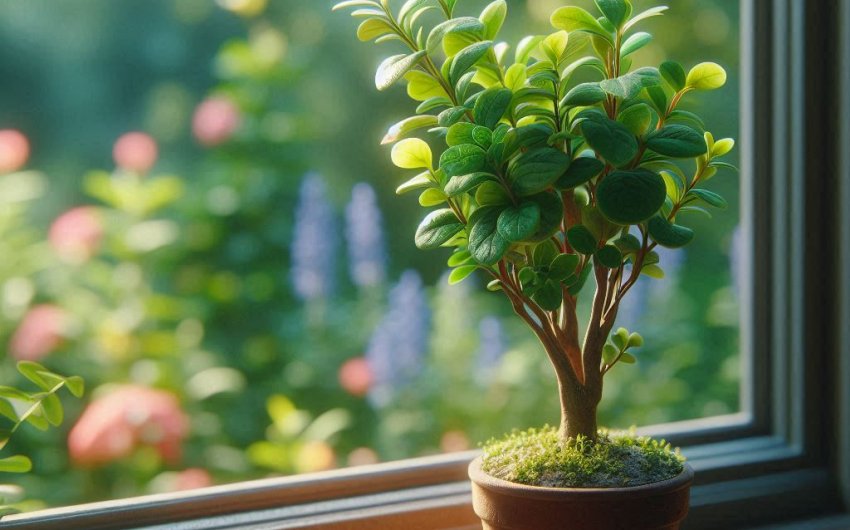
Observing your beloved houseplants failing to reach their full potential can be a source of frustration for any indoor gardener. When a plant appears to halt its development, identifying what are the common causes of stunted growth in indoor plants becomes crucial for diagnosis and recovery. This comprehensive understanding allows you to pinpoint the specific environmental stressors or cultural missteps that might be hindering your plant's vigor, enabling you to provide the precise care needed for it to flourish.
Why Do Indoor Plants Experience Stunted Growth?
Stunted growth in indoor plants is a common issue that can baffle even experienced gardeners. It's the plant's way of signaling that something fundamental in its environment or care routine is amiss, preventing it from investing energy into healthy development. Understanding what are the common causes of stunted growth in indoor plants helps in recognizing the distress signals and implementing corrective measures.
What is Stunted Growth?
Stunted growth refers to a significant slowdown or complete halt in a plant's typical development. Instead of putting out new leaves, stems, or roots at its normal rate, the plant seems to stand still.
- Small Leaves: New leaves emerge smaller than normal or fail to fully unfurl.
- Slow Growth: The plant simply isn't getting taller or wider as expected.
- Lack of New Shoots: No new stems or branches are developing.
- Overall Unhealthy Appearance: Often accompanied by other symptoms like yellowing leaves, brown tips, or general wilting, indicating underlying stress.
It's important to differentiate stunted growth from normal seasonal dormancy, where some plants naturally slow their growth during winter months. Stunted growth occurs when the plant should be actively growing but isn't.
Why is Identifying the Cause Important?
Pinpointing what are the common causes of stunted growth in indoor plants is crucial because treating the symptom without addressing the root cause will not solve the problem. For instance, fertilizing a plant suffering from root rot due to overwatering will only worsen the issue. Each environmental factor or care mistake leaves distinct clues, and understanding these clues allows for accurate diagnosis and targeted treatment, putting your plant back on the path to vibrant growth. Without proper diagnosis, you might inadvertently cause more harm.
What Are the Light-Related Causes of Stunted Growth?
Light is the energy source for plants, driving photosynthesis (the process of converting light into food). Insufficient or inappropriate light levels are among the most common reasons for stunted growth in indoor plants. Without enough energy, a plant simply cannot produce the building blocks for new growth.
Insufficient Light
This is the most frequent light-related cause of stunted growth.
- How it Affects Growth: When a plant doesn't receive enough light, its rate of photosynthesis drops dramatically. It can't produce enough sugars (food) to fuel new growth. Instead, it directs what little energy it has towards survival, often stretching or becoming "leggy" as it tries to find more light. New leaves will be smaller, paler, and growth will slow to a crawl or stop entirely.
- Signs:
- Leggy, spindly stems: Long gaps between leaves.
- Smaller new leaves: New growth is noticeably smaller than older leaves.
- Faded variegation: If your plant has patterns (like a Pothos or Dieffenbachia), the white or yellow areas may revert to green.
- Pale or dull leaf color: Lacks vibrant green.
- Lack of flowering: If it's a flowering plant, it won't bloom or blooms will be small and sparse.
- Solution: Move the plant to a brighter location. If natural light isn't enough, consider supplementing with a grow light for indoor plants. Research your specific plant's light needs.
Too Much Direct Light
While less common for causing "stunted" growth and more for causing "damage," excessive direct sunlight can also stress a plant.
- How it Affects Growth: Intense, unfiltered sunlight can burn leaves, leading to cell damage. The plant then expends energy trying to repair this damage instead of putting out new growth. It can also cause leaves to curl or fade.
- Signs:
- Scorched or burnt patches on leaves: Often brown or black.
- Yellowing or browning of entire leaves: Not just the tips.
- Leaves appear bleached or faded: Colors lose their vibrancy.
- Wilting during the brightest part of the day, even if soil is moist.
- Solution: Move the plant further away from the window or provide filtered light with sheer curtains or a light-diffusing film.
What Are the Watering-Related Causes of Stunted Growth?
Improper watering is perhaps the most frequent cause of problems in indoor plants, and stunted growth is a clear indicator of either too much or too little moisture. Both extremes stress the plant, hindering its ability to absorb nutrients and grow.
Overwatering (Root Rot)
This is the number one killer of indoor plants and a primary reason for stunted growth.
- How it Affects Growth: Constantly soggy soil deprives roots of oxygen, causing them to suffocate and rot. Damaged roots cannot absorb water or nutrients, leading to a decline in plant health even if the soil is wet. The plant essentially "drowns," and its ability to grow is severely compromised or halted.
- Signs:
- Yellowing leaves (often older, lower leaves): Can also turn brown or black.
- Wilting or drooping: Even though the soil is wet, the plant can't take up water.
- Mushy stems or leaf bases: A clear sign of rot.
- Foul smell from the soil.
- Fungus gnats flying around the plant.
- Solution: Allow the top 1-2 inches of soil to dry out completely before watering again (check with your finger). Ensure your pot has drainage holes. If root rot is suspected, repot into fresh, dry soil after trimming off any rotten, mushy roots. Improve drainage by amending soil with perlite.
Underwatering
While less common than overwatering, consistent underwatering also leads to stunted growth.
- How it Affects Growth: Lack of water prevents the plant from performing basic physiological processes. Cells cannot expand, nutrients cannot be transported, and overall metabolic activity slows down. The plant conserves energy by halting growth.
- Signs:
- Drooping or wilting leaves: Look limp and lifeless.
- Crispy, brown leaf edges or tips.
- Yellowing leaves, especially older ones, that eventually fall off.
- Dry, compacted soil pulling away from the sides of the pot.
- Stunted new growth that is often small and dry.
- Solution: Water thoroughly until water drains from the bottom. For severely dry, compacted soil, you might need to bottom-water (place the pot in a tray of water for 30 minutes) to allow the soil to rehydrate slowly. Establish a consistent watering schedule based on checking soil moisture, rather than a calendar.
What Are the Nutrient and Soil-Related Causes of Stunted Growth?
A plant's growth is entirely dependent on the nutrients available in its soil. Deficiencies, excesses, or poor soil structure can all directly lead to stunted growth in indoor plants. The soil also dictates proper drainage and root health.
Nutrient Deficiencies
Plants need a balance of macro and micronutrients for healthy growth. A lack of any essential nutrient can stunt development.
- How it Affects Growth: Without sufficient building blocks, the plant cannot produce new cells, chlorophyll, or enzymes needed for photosynthesis and growth.
- Signs (common deficiencies causing stunted growth):
- Nitrogen (N): Overall yellowing of older leaves, very slow growth, small new leaves.
- Phosphorus (P): Stunted growth, dark green or purplish leaves, especially on undersides.
- Potassium (K): Yellowing and browning along leaf margins, particularly on older leaves, weak stems.
- Solution: Use a balanced liquid houseplant fertilizer during the growing season (spring and summer), following package directions. Consider using an organic fertilizer or compost tea for a gentle, slow release of nutrients. A soil test can confirm specific deficiencies if you suspect a more complex issue.
Nutrient Excess (Fertilizer Burn)
Too much of a good thing can be detrimental. Over-fertilizing is a common mistake.
- How it Affects Growth: Excess salts from fertilizer can build up in the soil, drawing water out of the plant roots (reverse osmosis) and causing "fertilizer burn." This damages roots and prevents water and nutrient uptake, leading to stunted growth.
- Signs:
- Crispy, brown leaf tips or edges (looks like underwatering, but soil is moist).
- Yellowing of lower leaves.
- Wilting.
- White crusty residue on the soil surface or pot rim.
- Solution: Immediately flush the soil with plenty of fresh, distilled or dechlorinated water to leach out excess salts. Stop fertilizing for several weeks. Always dilute liquid fertilizers to half strength or less, and only fertilize during the active growing season.
Poor Drainage and Soil Compaction
Even if you water correctly, poor soil quality can hinder root development.
- How it Affects Growth: Heavy, compacted soil without good drainage prevents oxygen from reaching roots, leading to root rot (as with overwatering). It also physically restricts root growth, preventing the plant from anchoring itself and absorbing nutrients efficiently.
- Signs:
- Slow drying soil.
- Foul smell.
- Water pooling on the surface.
- General symptoms of overwatering.
- Roots growing out of drainage holes (seeking better conditions).
- Solution: Repot the plant into a well-draining potting mix amended with perlite or bark. Ensure the pot has adequate drainage holes. Aerate the top few inches of soil gently if it appears compacted, being careful not to disturb roots.
What Are the Environmental Causes of Stunted Growth?
Beyond light, water, and nutrients, the ambient conditions in your home can significantly impact a plant's ability to grow. Temperature, humidity, and even air quality play a vital role in preventing stunted growth in indoor plants.
Incorrect Temperature
Most indoor plants prefer stable, moderate temperatures. Extremes or sudden fluctuations can cause stress.
- How it Affects Growth: Too cold temperatures can shock the plant, slow down metabolic processes, and cause cell damage, leading to a halt in growth. Too hot can cause excessive transpiration and wilting.
- Signs:
- Stunted growth (especially in cold).
- Yellowing or browning leaves (especially from cold drafts).
- Leaf drop.
- Overall lack of vigor.
- Solution: Maintain a consistent temperature range (generally 65-75°F or 18-24°C for most tropical houseplants). Keep plants away from drafty windows, air conditioning vents, or heat registers.
Low Humidity
Many popular houseplants originate from tropical climates where humidity is naturally high. Dry indoor air can be a significant stressor.
- How it Affects Growth: In low humidity, plants lose water rapidly through their leaves (transpiration). They may respond by slowing growth to conserve water, or their leaves may struggle to fully unfurl and expand.
- Signs:
- Crispy, brown leaf tips or edges.
- New leaves struggling to open or appearing smaller.
- Overall dull appearance.
- Increased susceptibility to spider mites (they thrive in dry air).
- Solution: Increase humidity around the plant using a plant humidifier, pebble tray, or by grouping plants together.
Poor Air Circulation
Stagnant air can contribute to several problems.
- How it Affects Growth: Lack of air movement can lead to a buildup of heat and humidity around leaves, promoting fungal diseases. It also prevents fresh CO2 from reaching the leaves for photosynthesis and can slow down transpiration.
- Signs:
- Fungal growth (e.g., powdery mildew).
- Increased pest susceptibility.
- General sluggish growth.
- Solution: Ensure adequate spacing between plants. Open windows periodically (if temperatures allow) or use a gentle fan to circulate air.
Repotting Shock
While necessary for growth, repotting can temporarily stun a plant.
- How it Affects Growth: Roots can be damaged during repotting, and the plant needs to expend energy to establish itself in the new pot before resuming new top growth. This temporary slowdown is normal.
- Signs:
- Temporary halt in new growth.
- Slight wilting or yellowing of older leaves for a short period.
- Solution: Minimize root disturbance during repotting. Water thoroughly after repotting and place the plant in a stable environment with consistent temperatures and light. Avoid fertilizing for a few weeks after repotting.
What Are the Pest and Disease-Related Causes of Stunted Growth?
Even if all environmental and cultural conditions seem perfect, hidden pests or diseases can severely drain a plant's energy, directly causing stunted growth in indoor plants. These biological stressors rob the plant of vital nutrients and overall vigor.
Pests
Many common indoor pests feed on plant sap, directly depriving the plant of nutrients needed for growth.
- How they Affect Growth: Pests like spider mites, mealybugs, and aphids suck the sap from leaves and stems. This constant draining of vital fluids weakens the plant, reduces its ability to photosynthesize, and diverts its energy towards fighting the infestation rather than growing.
- Signs (leading to stunted growth):
- Visible insects: Tiny white fuzz (mealybugs), small green/black clusters (aphids), or fine webbing (spider mites).
- Stippling on leaves: Tiny yellow or white dots (spider mites).
- Sticky residue (honeydew): Excreted by mealybugs and aphids, often leading to black sooty mold.
- Distorted or curled new growth: Caused by aphid feeding.
- Yellowing leaves and leaf drop.
- Solution:
- Regular Inspection: Check leaves (especially undersides) and stems frequently.
- Mechanical Removal: Wipe off pests with a damp cloth or cotton swab dipped in rubbing alcohol.
- Insecticidal Soap or Neem Oil: Spray infested plants thoroughly, repeating every 5-7 days until pests are gone. A neem oil spray for houseplants is effective.
- Quarantine: Isolate infested plants immediately to prevent spread.
Diseases (Fungal/Bacterial)
While less common than pest infestations in many indoor settings, certain diseases, especially those affecting roots, can cause stunted growth.
- How they Affect Growth: Root-rotting fungi or bacteria attack the plant's root system, destroying its ability to absorb water and nutrients. Other diseases can damage leaves or stems, compromising overall plant health and energy production.
- Signs:
- Root Rot (most common disease causing stunted growth): Similar symptoms to overwatering (yellowing, wilting, mushy stems/roots, foul smell), as it's often a consequence of overwatering.
- Leaf Spots: While common, severe leaf spot diseases can reduce photosynthetic area, contributing to stunt.
- Stem Rot: Soft, discolored areas on the stem that lead to plant collapse.
- Solution:
- Prevention: Maintain proper watering, ensure good drainage, and provide good air circulation. These are the best defenses.
- For Root Rot: Repot into fresh, dry soil after trimming all mushy, black roots. Improve soil drainage.
- For Other Diseases: Identify the specific disease. Remove affected plant parts. Apply appropriate fungicides or bactericides if available and safe for indoor use. Often, the best defense is addressing the cultural conditions that allowed the disease to take hold.
By systematically investigating these various factors and understanding what are the common causes of stunted growth in indoor plants, you can effectively diagnose and revive your struggling houseplants, helping them reach their full, vibrant potential.