
Compost Bins vs. Composting Bins: What's the Difference?
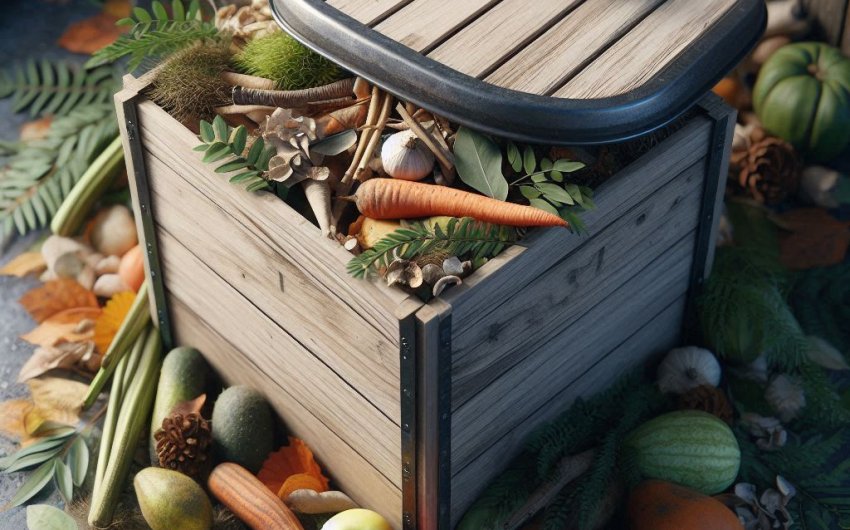
Many aspiring green thumbs ponder the subtle distinctions between compost bins vs. composting bins, often wondering if there's a material difference or if the terms are simply interchangeable. In common garden parlance, these phrases largely refer to the same thing: a container or structure designed to hold organic materials as they break down into nutrient-rich compost. While the names are frequently used synonymously, exploring the various types of these structures reveals a spectrum of designs and functionalities, all aimed at efficiently transforming kitchen and yard waste into valuable soil amendment.
What is a Compost Bin?
At its core, a compost bin is any defined space or container where organic matter is collected and allowed to decompose. Its primary function is to contain the composting materials, maintain favorable conditions for decomposition, and make the process more manageable. The term "compost bin" often brings to mind simple, standalone structures.
Purpose of a Compost Bin
The main purpose of a compost bin is to create an enclosed or semi-enclosed environment that helps the decomposition process. This environment aims to:
- Contain Materials: Keeps your "browns" (carbon-rich materials like dry leaves, straw) and "greens" (nitrogen-rich materials like food scraps, grass clippings) neatly in one place, preventing them from scattering and looking messy in your yard.
- Retain Heat and Moisture: A bin helps to insulate the composting mass, allowing the internal temperature to rise. This heat is crucial for the activity of beneficial microbes that break down organic matter quickly. The enclosure also helps to hold moisture, which is essential for the microorganisms.
- Deter Pests: Many designs are intended to keep out unwanted critters like rodents or larger animals, especially when food scraps are included.
- Improve Aesthetics: A designated bin looks much tidier than an open pile of rotting waste, making your backyard more visually appealing.
Common Types of Compost Bins
Compost bins come in a variety of forms, from very basic to more elaborate.
Open Bins (Wire or Pallet Bins)
These are some of the simplest and most cost-effective types of compost bins.
- Wire Bins: Often made from galvanized wire mesh, these are cylindrical or square enclosures. They are very airy, which helps with aeration, but they can dry out faster. They are easy to set up and move. A Gardener's Supply Co. Composter Wire Bin is a typical example.
- Pallet Bins: Constructed from repurposed wooden pallets, these create sturdy, breathable enclosures. You can build a single three-sided bin or a multi-bin system for batch composting. They are often free or very cheap to acquire.
Pros: Inexpensive, good airflow, easy to build/assemble. Cons: Can be less efficient at retaining heat, may attract pests if not managed well, can look less tidy. Best for: Gardeners with larger yards, those generating a lot of yard waste, and those who prefer a hands-on approach to turning their compost.
Stationary Bins (Plastic or Wood)
These are usually upright, enclosed containers, often made of durable plastic or treated wood.
- Plastic Bins: These are very popular, often black to absorb heat, and designed with lids and sometimes bottom doors for easy compost removal. They are good at retaining heat and moisture. Many designs feature vents for airflow. An example is the Lifetime 65-Gallon Composter.
- Wooden Bins: Can be pre-fabricated kits or DIY structures. They offer good insulation and blend well with garden aesthetics.
Pros: Good heat and moisture retention, tidy appearance, can deter pests effectively, relatively low maintenance. Cons: Can be heavier to move, require manual turning (stirring the compost with a Compost Aerator), capacity might be limited for large waste volumes. Best for: Most home gardeners, those who want a neat composting solution, and those who include kitchen scraps.
What is a Composting Bin?
The term "composting bin" is essentially synonymous with "compost bin," referring to the same range of containers used for decomposition. However, when people specifically use "composting bin," they might sometimes be emphasizing the active process of composting itself, or referring to a wider array of specialized systems designed to optimize or simplify that process, beyond just simple containment.
Emphasizing the Process
Using the phrase "composting bin" might highlight the intent of actively managing the decomposition process to produce finished compost, rather than just passively letting materials rot. This includes understanding the balance of "greens" and "browns," maintaining moisture, and aerating the pile to speed up decomposition.
Specialized Composting Bins
While all compost bins are for composting, some "composting bins" are designed with specific features to make the process more efficient or suitable for particular methods.
Tumbler Composting Bins
Tumbler composting bins are elevated, sealed containers that can be rotated (tumbled) to mix and aerate the compost ingredients without manual labor. This feature makes turning the compost pile much easier and less messy.
- Design: They are typically made of durable plastic, are sealed to retain heat and moisture, and have a handle or crank for easy rotation. They are often black to absorb solar heat. A popular model is the Compost Tumbler by FCMP Outdoor.
Pros: Very easy to turn (aerate), excellent heat retention due to sealing, good for pest deterrence, faster composting due to regular turning, neat and tidy. Cons: Limited capacity, can be more expensive than static bins, heavier when full (making tumbling difficult if overfilled), can dry out if not managed correctly. Best for: Gardeners with limited space, those who want quick compost, people who prefer a less hands-on approach to turning, and those who include a lot of kitchen scraps.
Worm Composting Bins (Vermicomposting)
A worm composting bin, or vermicomposting bin, is a specialized system specifically designed for vermicomposting, which uses worms (typically red wigglers, Eisenia fetida) to break down organic waste. These are usually multi-tiered bins where worms consume food scraps and produce nutrient-rich worm castings (worm poop), a highly prized form of compost.
- Design: They are often stacked trays, where worms migrate upwards to new food, leaving finished castings in lower trays. They typically have a spigot at the bottom to collect "worm tea" (leachate). A common example is the Worm Factory 360 Composting Bin.
Pros: Excellent for kitchen scraps, produces very rich compost (worm castings), can be used indoors or outdoors (garage, basement), quiet and odor-free if managed correctly, relatively fast decomposition of specific materials. Cons: Not suitable for large volumes of yard waste, requires managing live worms, sensitive to temperature extremes, certain foods (oils, meat, dairy) should be avoided. Best for: Apartment dwellers, those with small yards, people primarily wanting to compost kitchen waste, and those interested in a hands-on, sustainable pet.
Continuous vs. Batch Composting Bins
While not a type of bin itself, the terms continuous and batch composting often dictate the design or size of a "composting bin."
- Continuous Composting: This is where you continuously add new scraps to the top of the pile, and finished compost is removed from the bottom (e.g., some plastic stationary bins with bottom doors). Most home compost bins are operated this way.
- Batch Composting: This involves building a compost pile all at once with a balanced mix of greens and browns, letting it decompose as a single "batch," and then starting a new one. This often uses multi-bin systems (like a series of pallet bins) or large tumblers, as it produces finished compost faster but requires more material at once.
What's the Core Difference: Semantics or Substance?
In the end, the difference between compost bins vs. composting bins is largely semantic, with a subtle nuance in emphasis.
Primarily Semantic Interchangeability
For most home gardeners, the terms "compost bin" and "composting bin" are interchangeable. Both refer to the container used to hold organic matter for decomposition. If you ask for a "compost bin" at a garden center, you'll likely be shown the same products as if you asked for a "composting bin." The core function remains the same: to facilitate the breakdown of organic waste into valuable soil amendment.
Subtle Emphasis on Process or Specialization
Where a distinction might subtly arise is when "composting bin" is used to specifically highlight:
- The Process of Composting: Emphasizing that the bin is used for the activity of composting, which involves balancing ingredients, moisture, and aeration.
- Specialized Systems: More often, "composting bin" might be used to describe systems that are specifically engineered for particular composting methods, such as tumbler composting bins (for easy turning) or worm composting bins (for vermicomposting), where the design directly impacts how the composting process occurs. A simple wire bin might more commonly be called a "compost bin" while a specialized system might be referred to as a "composting bin."
However, this distinction is not universally applied and varies widely among individuals and garden communities.
Why Should You Use a Compost Bin (or Composting Bin)?
Regardless of the terminology, using a dedicated container for composting offers numerous benefits for both your garden and the environment.
Reduces Waste Going to Landfills
One of the most significant benefits of using a compost bin is its environmental impact. By composting your kitchen scraps and yard waste, you divert a substantial amount of material from municipal landfills. This reduces the volume of waste requiring transport and disposal. Organic waste in landfills often breaks down anaerobically (without oxygen), producing methane, a potent greenhouse gas. Composting, when done correctly, is an aerobic process that produces significantly less methane.
Creates Nutrient-Rich Soil Amendment
The finished product of composting is humus, a dark, crumbly, earthy-smelling material that is a fantastic soil amendment. This "black gold" is packed with nutrients that are slowly released to plants, improving their health and vigor. It also introduces beneficial microbes to the soil, enhancing its biological activity. Unlike synthetic fertilizers, compost improves the long-term health and structure of your soil. It's a natural, sustainable way to feed your plants.
Improves Soil Structure and Water Retention
Adding compost to your garden soil dramatically improves its structure.
- For sandy soils: Compost acts like a sponge, helping sandy soils retain more water and nutrients that would otherwise quickly drain away.
- For clay soils: Compost helps to break up heavy clay soils, improving drainage and aeration, making them easier to work with and allowing roots to grow more freely.
- Overall: Compost increases the soil's ability to hold moisture and nutrients, reducing the need for frequent watering and synthetic fertilizers. This leads to healthier, more resilient plants.
Saves Money on Fertilizers and Soil Amendments
By producing your own compost at home, you reduce or eliminate the need to purchase bagged fertilizers, potting mixes, and soil amendments from garden centers. This translates into significant cost savings over time, making gardening more economical. The initial investment in a compost bin, if any, quickly pays for itself in reduced gardening expenses.
Promotes a Healthy Garden Ecosystem
A thriving compost bin is teeming with beneficial microorganisms, fungi, and small invertebrates that are crucial for breaking down organic matter. When you add this finished compost to your garden, you introduce these helpful organisms into your soil. This fosters a healthier soil food web, which is the foundation of a robust and productive garden ecosystem. These microbes help plants access nutrients, suppress diseases, and improve overall soil vitality.
Provides a Convenient Way to Manage Organic Waste
Instead of throwing food scraps into the trash or hauling yard waste to the curb, a compost bin provides a convenient and environmentally friendly way to manage these materials right in your backyard. It's a simple habit to adopt that has significant positive impacts. It turns what might be seen as waste into a valuable resource, closing the loop in your garden's nutrient cycle.
What Considerations Should Guide Your Choice of a Compost/Composting Bin?
When selecting a container for your organic materials, several practical considerations will influence which type of compost or composting bin is best suited for your needs and garden space.
Garden Size and Available Space
The size of your garden and the available space will largely dictate the type of bin you choose.
- Small Gardens/Balconies: If you have limited outdoor space, a smaller, enclosed tumbler compost bin or a worm composting bin (which can even be kept indoors, like in a garage or on a balcony) might be the most practical. These compact systems are neat and don't require much ground space.
- Medium to Large Gardens: For more generous spaces, a larger stationary plastic bin, an open wire bin, or a multi-bin system made from pallets can handle larger volumes of yard waste in addition to kitchen scraps. These generally require more footprint but offer greater capacity.
Volume of Waste Generated
Consider how much organic material your household typically produces.
- Mostly Kitchen Scraps: If your primary source of waste is kitchen scraps, a smaller tumbler or a worm composting bin will likely be sufficient and very efficient.
- Significant Yard Waste: If you have a lawn, trees, or a large vegetable garden that generates a lot of grass clippings, leaves, and plant trimmings, you'll need a larger capacity system like a large stationary bin or an open wire or pallet bin system. Some people even have multiple bins for batch composting.
Time and Effort for Management
Different bin types require varying levels of effort for management.
- Minimal Effort (Less Turning): If you prefer less hands-on involvement, a tumbler compost bin makes turning incredibly easy. A static bin will require manual turning with a Compost Aerator, which can be more labor-intensive.
- Hands-On (Worms): Worm composting requires consistent attention to feeding the worms and maintaining their ideal environment.
- Passive Composting: Some simple open bins allow for very passive composting with minimal turning, though the process will be slower.
Speed of Composting Desired
How quickly do you need finished compost?
- Fast Compost: Tumblers are often touted as producing compost faster (in weeks to a few months) because they encourage frequent and easy aeration. Well-managed, hot, open piles can also produce compost relatively quickly if turned diligently.
- Slower Compost: Static bins and less frequently turned piles will take longer, usually several months to a year, to produce finished compost. This is often acceptable for gardeners who aren't in a rush.
Budget
Compost bins range widely in price.
- Free/Low Cost: DIY pallet bins or wire mesh bins are often the most economical options, sometimes costing next to nothing.
- Mid-Range: Standard plastic stationary bins typically fall into a mid-range price point, offering a good balance of cost and functionality.
- Higher End: Tumbler composting bins and multi-tiered worm composting bins are generally the most expensive options due to their specialized designs and materials.
Aesthetics and Odor Concerns
Consider how the bin will look in your garden and any potential odor issues.
- Tidy Appearance: Enclosed plastic bins and tumblers tend to look neater and are less likely to produce odors if managed correctly, making them suitable for more visible garden areas.
- Rustic Look: Wooden bins can blend well with a natural garden aesthetic.
- Odor Potential: All composting systems can produce odors if they are not balanced correctly (too many greens, too wet, not enough air). Tumblers and enclosed bins are better at containing odors. Worm bins are typically odor-free if maintained properly.
Ultimately, whether you call it a "compost bin" or a "composting bin," the goal is the same: to efficiently transform organic waste into a rich, dark soil amendment. By understanding the types available and considering your specific gardening needs and lifestyle, you can choose the perfect container to bring the benefits of this wonderful gardening practice to your own backyard.