
Composting for Pet Owners: Handling Pet Waste in an Eco-Friendly Way
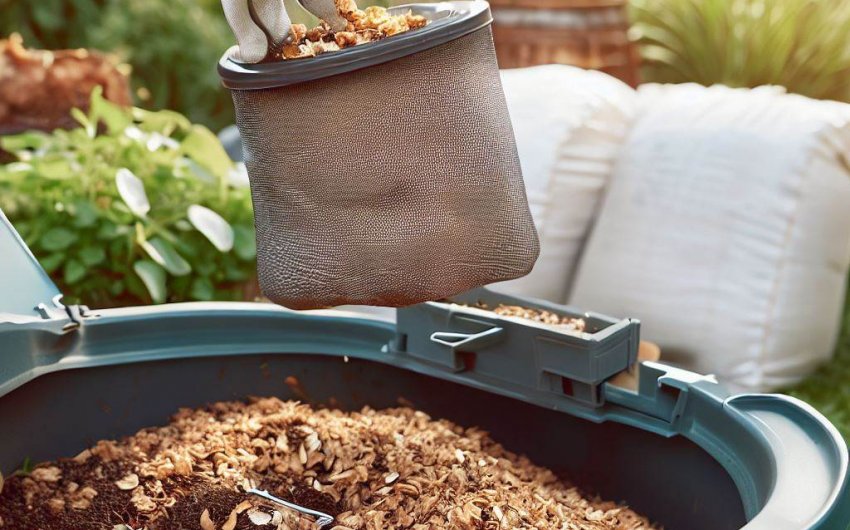
Yes, composting for pet owners is a viable and eco-friendly way to handle certain types of pet waste, significantly reducing landfill contributions and creating a valuable soil amendment. However, it's crucial to understand that not all pet waste is suitable for composting, particularly waste from carnivorous animals like dogs and cats, due to potential pathogen risks. For these animals, specialized pet waste composting systems or alternative disposal methods are recommended.
Why is Pet Waste a Problem for the Environment?
Pet waste poses a significant environmental problem when not properly managed, contributing to pollution, pathogen spread, and methane emissions. As pet ownership continues to rise, addressing this waste stream eco-friendly becomes increasingly important for public health and ecological balance.
How Does Pet Waste Contribute to Water Pollution?
Pet waste contributes significantly to water pollution when left on the ground, making its way into storm drains, rivers, lakes, and oceans. This runoff introduces harmful substances that can upset aquatic ecosystems and even make water unsafe for human use.
Here's how it pollutes waterways:
- Bacterial Contamination: Pet waste, especially from dogs and cats, contains high levels of fecal coliform bacteria, such as E. coli, and other harmful pathogens. These bacteria can make recreational waters unsafe for swimming and can contaminate drinking water sources.
- Nutrient Overload (Eutrophication): Waste is rich in nitrogen and phosphorus. When these nutrients enter waterways, they can cause excessive growth of algae and aquatic plants, a process called eutrophication. This algal bloom then depletes oxygen in the water, harming fish and other aquatic life.
- Oxygen Depletion: The decomposition of organic matter from pet waste in water consumes oxygen, leading to hypoxic (low oxygen) zones that are detrimental to aquatic species.
- Sedimentation: Pet waste itself can contribute to sediment in waterways, altering habitats and reducing water clarity.
The EPA even classifies pet waste as a nonpoint source pollutant, meaning it's a major contributor to water quality problems, particularly in urban and suburban areas.
What are the Health Risks Associated with Pet Waste?
Pet waste carries various health risks to humans and other animals, primarily due to the presence of harmful pathogens and parasites. These risks underscore the importance of proper disposal, especially in areas where humans or other animals might come into contact with contaminated soil or water.
Health risks include:
- Bacterial Infections: Pet waste contains numerous bacteria like E. coli, Salmonella, and Campylobacter, which can cause gastrointestinal illnesses in humans (diarrhea, vomiting, cramps).
- Parasitic Infections: This is a major concern, especially with dog and cat waste.
- Roundworms (Toxocara canis/cati): Eggs can survive in soil for years. If ingested, they can cause ocular larva migrans (leading to blindness) or visceral larva migrans (affecting organs).
- Hookworms (Ancylostoma caninum): Larvae can penetrate human skin, causing cutaneous larva migrans (itchy skin lesions).
- Giardia and Cryptosporidium: These are microscopic parasites that cause severe gastrointestinal illness.
- Viral Infections: Some viruses can be transmitted through pet waste.
- Toxoplasmosis (from cat feces): A parasitic disease that can be particularly dangerous for pregnant women and immunocompromised individuals, potentially causing birth defects or serious neurological problems.
- Impact on Other Animals: Wildlife, livestock, and other pets can also contract diseases or parasites from contaminated areas.
These health risks highlight why simply leaving pet waste to "disappear" is irresponsible and dangerous, especially in parks, playgrounds, and shared public spaces.
How Does Pet Waste Contribute to Greenhouse Gas Emissions?
Pet waste, particularly when deposited in landfills, contributes to greenhouse gas emissions, specifically methane. This adds to the overall burden of climate change and underscores the need for alternative, eco-friendly disposal methods.
How it contributes to emissions:
- Anaerobic Decomposition in Landfills: When pet waste (and other organic waste) is buried in oxygen-deprived conditions within landfills, it undergoes anaerobic decomposition.
- Methane Production: This anaerobic breakdown produces methane (CH₄), a potent greenhouse gas. Methane is significantly more effective at trapping heat in the atmosphere than carbon dioxide over a 20-year period.
- Large Volume: Considering the vast number of pets globally, the cumulative volume of pet waste entering landfills is substantial, making its contribution to methane emissions noteworthy.
While the exact contribution varies by region and landfill management practices, diverting pet waste through methods like specialized composting can help reduce this source of greenhouse gases.
What Are the Risks of Composting Pet Waste (Especially Dog and Cat)?
While composting is an eco-friendly goal, composting pet waste, particularly from carnivorous animals like dogs and cats, carries significant risks. These dangers primarily involve the presence of pathogens and parasites that can survive the composting process and pose health threats.
Why is Dog and Cat Waste Problematic for Standard Composting?
Dog and cat waste is problematic for standard composting because it contains a different set of pathogens and parasites compared to herbivore waste, and typical home composting setups often don't reach the high temperatures required to kill these harmful organisms.
Reasons for concern:
- Pathogens and Parasites:
- Dogs: Common parasites include roundworms (Toxocara), hookworms, whipworms, Giardia, and Coccidia. Bacteria like E. coli and Salmonella are also present.
- Cats: Roundworms (Toxocara), hookworms, Giardia, and critically, Toxoplasma gondii (the parasite responsible for toxoplasmosis).
- Survival Rates: The eggs and cysts of many of these parasites are remarkably resilient and can survive for extended periods, even years, in soil.
- Incomplete Heat: Standard backyard compost piles rarely reach and maintain the consistently high temperatures (at least 130°F-140°F / 54°C-60°C for several days, preferably 140-160°F / 60-71°C) needed to guarantee the killing of all these pathogens.
- Risk of Spread: If contaminated compost is used in vegetable gardens, especially on root crops or leafy greens, it can lead to direct human ingestion of pathogens. Contaminated soil can also be tracked indoors or spread by rain.
- Not for Food Gardens: Due to these risks, compost derived from dog or cat waste should absolutely NEVER be used on edible plants or in areas where children play. It should only be used on ornamental plants, trees, or shrubs.
These serious health risks necessitate specialized approaches if you choose to compost dog or cat waste.
Can Pathogens and Parasites Survive the Composting Process?
Yes, unfortunately, many pathogens and parasites common in dog and cat waste can survive typical home composting processes. This is the primary reason for caution and the need for specialized systems.
Survival factors:
- Temperature Dependence: Effective composting for pathogen destruction relies on achieving and maintaining high internal temperatures for specific durations. Many home compost piles do not consistently reach these temperatures throughout the entire pile.
- Resistant Forms: Parasitic eggs and cysts (like Toxocara eggs or Toxoplasma oocysts) are highly resilient and have tough outer shells that protect them from environmental degradation. They require sustained high heat to be fully inactivated.
- Cold Spots: Even in a relatively hot pile, there will always be cooler areas (the outer edges, or pockets that don't get mixed in) where pathogens can survive.
- Incomplete Aeration: If a pile becomes anaerobic (lacking oxygen), it slows decomposition and can create conditions where some harmful bacteria might persist.
For these reasons, simply throwing dog or cat waste into a regular backyard compost bin is not a safe practice, especially if that compost is intended for a vegetable garden.
What are the Dangers of Using Contaminated Compost?
The dangers of using contaminated compost from dog or cat waste are serious, particularly when it comes to human health and the spread of zoonotic diseases (diseases transmissible from animals to humans).
Dangers include:
- Direct Ingestion of Pathogens: If contaminated compost is used in a vegetable garden, the pathogens can transfer to edible plants (especially root vegetables, low-growing fruits, or leafy greens). Consuming these plants can lead to severe gastrointestinal illness.
- Soil Contamination: Once the compost is spread, the soil itself becomes contaminated. Children playing in contaminated soil are at risk of ingesting parasite eggs, leading to conditions like ocular larva migrans (blindness) or visceral larva migrans.
- Water Contamination: Rain or irrigation can wash pathogens from contaminated soil into waterways, contributing to bacterial and parasitic water pollution.
- Re-infection of Pets: Pets can become reinfected if they come into contact with contaminated compost or soil in their yard.
- Transmission to Wildlife: Wildlife can also be affected by diseases spread through contaminated compost.
To avoid these significant dangers, it's crucial to use only properly managed, specialized pet waste composting systems, and to restrict the use of such compost to non-edible areas.
What Types of Pet Waste Are Safe to Compost (and Which are Not)?
Understanding what types of pet waste are safe to compost and which are not is fundamental to any eco-friendly disposal strategy for pet owners. The distinction lies in the diet and potential pathogen load of the animal.
Which Pet Waste is Generally Safe for Regular Composting?
Pet waste from herbivores and some omnivores that do not carry human-transmissible pathogens is generally safe for regular composting, especially when added in moderate amounts to a well-managed, hot compost pile. These animals typically have different gut flora.
Safe pet waste for composting:
- Rabbit Waste (Manure): Rabbit droppings are an excellent "green" (nitrogen-rich) material for compost. They are relatively odorless, break down quickly, and contain beneficial nutrients without significant human health risks. Rabbit urine is also fine.
- Chicken Waste (Manure): Chicken manure is also a very good "green" compost material, rich in nitrogen. It should be composted before use to avoid "burning" plants.
- Horse Manure: If collected without too much bedding, horse manure is an excellent compost additive.
- Guinea Pig/Hamster/Gerbil Waste: Droppings from these small rodents are also safe and act as good "greens" for the compost pile.
- Bird Droppings (from caged birds): Waste from pet birds (parakeets, cockatiels, etc.) is generally safe to compost.
For all these types of waste, it's ideal to add them to a hot compost pile that regularly reaches temperatures above 130°F (54°C) to ensure any minor pathogens are killed.
Why is Dog and Cat Feces Generally Not Recommended for Standard Composting?
As extensively discussed, dog and cat feces are generally not recommended for standard composting due to the high risk of surviving pathogens and parasites. The dangers of spreading diseases like toxoplasmosis, roundworms, and E. coli outweigh the benefits for typical home composting setups.
Key reasons to avoid standard composting:
- Human Health Risks: The primary concern is the transmission of zoonotic diseases to humans.
- Pathogen Resilience: Parasitic eggs and cysts are tough and require sustained, high temperatures that most backyard piles don't consistently achieve.
- Lack of Control: It's difficult to ensure every part of a home compost pile reaches and maintains pathogen-killing temperatures.
- No Food Gardens: The absolute rule is never use dog or cat waste compost on edible plants.
For these reasons, if you must compost dog or cat waste, it should be done in a highly specialized system with strict protocols and the compost only used for non-edible landscaping.
What About Pet Waste from Litter Boxes or Bedding?
When considering pet waste from litter boxes or bedding, additional considerations arise beyond just the animal's feces. The materials used in these products can greatly impact their suitability for composting.
- Cat Litter:
- Clay Litter: NEVER compost clay cat litter. It's non-biodegradable, heavy, and will contaminate your compost with silica dust and chemicals.
- Silica Gel Litter: Also NEVER compost silica gel litter. It's not biodegradable.
- Biodegradable Litters (Pine, Paper, Corn, Wheat): These materials can be composted, but ONLY if the compost is dedicated exclusively to pet waste and will not be used on edible gardens. Even then, the pathogens from cat feces remain a significant concern. Many composting experts advise against composting any cat litter, even biodegradable types, due to toxoplasmosis risk.
- Dog Waste Bags: Most traditional plastic dog waste bags are not compostable and should go into the trash. Some manufacturers make compostable dog waste bags; these can go into specialized pet waste composters, but verify certifications.
- Bedding (from herbivores):
- Straw, Wood Shavings (untreated), Shredded Paper: Bedding materials from rabbits, guinea pigs, or chickens are excellent "browns" for your compost pile, enriching it with carbon and adding bulk. Ensure the wood is untreated and not from walnut trees (which contain juglone).
Always separate the waste from non-compostable materials before adding it to your compost system.
How Do Specialized Pet Waste Composting Systems Work?
Due to the unique challenges of handling dog and cat waste, specialized pet waste composting systems have been developed to manage these materials more safely and effectively than traditional methods. These systems aim to create a more controlled environment for pathogen reduction.
What is a Pet Waste Digester (In-Ground Composter)?
A pet waste digester, often called an in-ground composter, is a specialized system designed specifically to break down dog waste directly in the ground, making it a popular choice for homeowners. It functions more as a digester than a traditional hot compost pile.
How an in-ground composter works:
- Buried Unit: The system typically consists of a plastic or metal cylindrical unit that is partially buried in the ground in a discreet location in your yard.
- Basket/Lid: It has an open bottom (or a grated bottom) to allow direct contact with the soil and a lid that sits flush with the ground.
- Waste Addition: You simply drop dog waste (and often approved compostable waste bags) directly into the unit.
- Enzyme/Bacterial Treatment: To accelerate decomposition and help break down pathogens, you regularly add a specialized pet waste digester powder containing enzymes and bacteria.
- Nature's Help: The enzymes and bacteria, combined with the natural soil microbes, gradually break down the waste. The moisture from rain or added water helps facilitate the process, and the surrounding soil acts as a filtration and absorption system.
- End Product: The waste "digests" and eventually disperses into the surrounding soil rather than producing usable compost.
These systems are convenient for waste disposal, but the resulting "compost" or digested material should never be used for edible gardens.
How to Build or Buy an In-Ground Pet Waste Composter?
You can either build or buy an in-ground pet waste composter, depending on your DIY skills and budget. Both options provide a contained system for dog waste.
- Buying a Commercial Unit:
- Brands: Look for systems like the "Doggie Dooley" or similar products.
- Installation: Follow the manufacturer's instructions, which typically involve digging a hole, placing the unit, and adding a base layer of gravel for drainage.
- Maintenance: Regularly add waste, water, and the enzyme/bacteria powder. A Doggie Dooley in-ground waste disposer is a popular option.
- Building a DIY Version:
- Materials: Use a sturdy plastic trash can (10-20 gallon) with a tight-fitting lid.
- Drill Holes: Drill numerous 1/2-inch holes around the bottom and lower sides of the trash can for drainage and interaction with soil microbes.
- Dig Hole: Dig a hole in your chosen location that is deep enough to bury most of the trash can, leaving about 6-8 inches above ground.
- Base Layer: Place 4-6 inches of gravel at the bottom of the hole for drainage.
- Install: Place the trash can into the hole, ensuring it's level.
- Add Waste and Activator: Begin adding dog waste, water, and an enzyme/bacteria digester powder (or simply a handful of good garden soil to introduce microbes).
Choose a location away from vegetable gardens, water sources, and children's play areas.
What About Worm Composting (Vermicomposting) Pet Waste?
Worm composting (vermicomposting) pet waste is a method that utilizes specific types of composting worms, like red wigglers, to break down dog waste. This method can be effective, but still requires strict adherence to safety protocols and temperature management.
- Worms: Only use dedicated composting worms (e.g., red wiggler composting worms). Do not use garden earthworms.
- Separate Bin: You absolutely need a dedicated vermicomposting bin exclusively for pet waste. It should be distinct from any bins used for kitchen scraps or plant waste.
- Conditions: Maintain proper moisture, aeration, and bedding (shredded paper, cardboard, leaves).
- Slow Introduction: Introduce pet waste slowly at first, allowing the worms to adapt.
- Pathogen Risk: While worms can significantly reduce pathogens, they may not eliminate all of them, especially parasite eggs. Temperatures in worm bins typically don't get as hot as active thermophilic compost piles.
- Usage Restriction: The vermicompost produced should NEVER be used on edible plants or in areas where children play. It's suitable for ornamental gardens, trees, or shrubs.
- Not for Cat Waste: Vermicomposting cat waste is not recommended due to the higher risk of Toxoplasma gondii, which is particularly hardy and resilient.
Vermicomposting dog waste is an option for experienced composters willing to manage the risks and restrict the use of the final product.
What Are Other Eco-Friendly Pet Waste Disposal Options?
Beyond composting, there are several other eco-friendly pet waste disposal options that can help reduce environmental impact and health risks, especially for dog and cat waste that might not be suitable for home composting.
Can You Flush Dog Waste Down the Toilet?
For individual pieces of dog waste (NOT cat waste or litter), flushing it down the toilet can be an eco-friendly disposal option in some areas, as long as your local wastewater treatment plant can handle it. This sends the waste to be processed with human sewage.
Considerations for flushing dog waste:
- No Bags or Litter: Only flush the waste itself. Never flush plastic bags (even "flushable" ones, as they can cause plumbing issues) or any type of cat litter.
- Check Local Regulations: Verify with your local municipality or wastewater treatment plant. Not all systems are designed to handle pet waste, and some may have specific guidelines.
- Waste Treatment: Wastewater treatment plants are designed to treat pathogens found in human waste, and often effectively manage pet waste pathogens as well.
- Not for Cat Waste: Cat waste should never be flushed due to the risk of Toxoplasma gondii entering waterways. Many wastewater treatment processes do not reliably eliminate Toxoplasma oocysts, which could then impact marine life.
If flushing is approved in your area, it can be a convenient and environmentally sound alternative to landfill disposal for dog waste.
What About Commercial Pet Waste Composting Services?
Commercial pet waste composting services are an emerging and highly eco-friendly option in some urban areas. These services offer a safe and responsible way to handle pet waste for pet owners who cannot or prefer not to compost at home.
How they work:
- Collection: They typically provide a specialized bin or bags for collecting pet waste (usually dog waste).
- Industrial Composting: The waste is collected and transported to industrial-scale composting facilities. These facilities are designed to:
- Reach High Temperatures: Consistently achieve and maintain the very high temperatures (often >160°F / 71°C) required to reliably kill pathogens, parasites, and weed seeds.
- Manage Large Volumes: Process large quantities of waste efficiently.
- Controlled Conditions: Ensure proper carbon-to-nitrogen ratios, aeration, and moisture.
- Safe Compost: The resulting compost is often safe enough for agricultural or landscaping use, depending on the facility's certification and the local regulations.
- Reduces Landfill Impact: Significantly reduces the volume of pet waste sent to landfills and mitigates methane production.
If available in your area, utilizing a commercial pet waste composting service is an excellent way to ethically dispose of your pet's waste.
Why is Proper Pet Waste Collection Essential in Public Spaces?
Proper pet waste collection is essential in public spaces (parks, sidewalks, trails) not only for aesthetic reasons but, more importantly, to protect public health and the environment. This simple act has far-reaching benefits.
Reasons for essential collection:
- Prevents Disease Spread: Stops the spread of harmful bacteria (E. coli, Salmonella) and parasites (roundworms, hookworms, Toxoplasma) to humans, other pets, and wildlife.
- Protects Water Quality: Keeps pathogens and excess nutrients out of storm drains and waterways, preventing pollution and algal blooms.
- Maintains Public Health: Reduces the risk of children coming into contact with contaminated soil in parks and playgrounds.
- Enhances Public Enjoyment: Ensures public spaces are clean, safe, and pleasant for everyone to use.
- Legal Compliance: Many municipalities have "pooper scooper" laws, making proper collection a legal requirement.
Always carry biodegradable dog waste bags when walking your dog and dispose of them properly, ideally in designated pet waste bins or your home's specialized pet waste composter. Composting for pet owners is a valuable tool in responsible waste management, providing eco-friendly ways to handle pet waste and lessen its environmental impact.