
Can I Compost in a Raised Bed Garden, and How Do I Do It Efficiently?
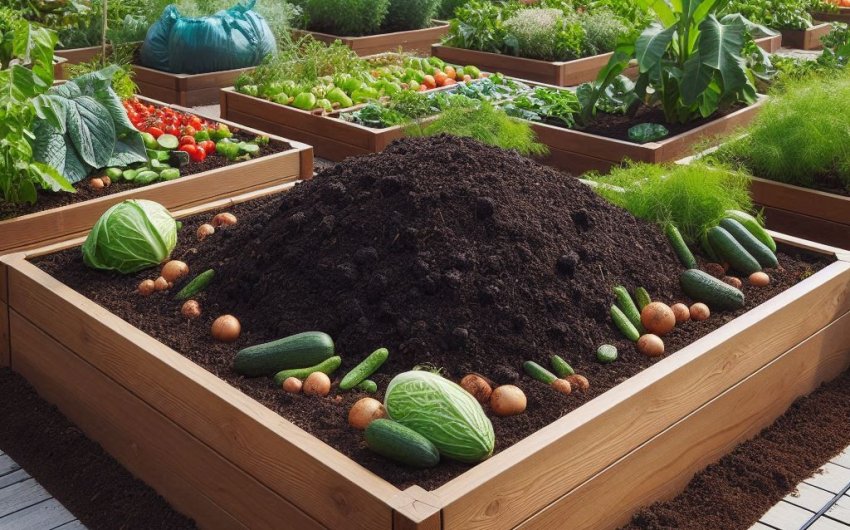
The popularity of raised bed gardens has surged due to their myriad benefits, including better drainage, warmer soil, and reduced back strain. As gardeners become more focused on sustainable practices, a common question arises: can I compost in a raised bed garden, and how do I do it efficiently? The answer is a resounding yes! Integrating composting directly into your raised beds is an incredibly efficient and beneficial way to enrich your soil, recycle organic waste, and create a thriving, self-sustaining garden ecosystem. This guide will explore the methods and advantages of composting right where your plants grow.
What Are the Benefits of Composting Directly in a Raised Bed?
Composting directly within your raised bed garden offers a unique set of advantages compared to a traditional standalone compost pile. It streamlines the composting process and directly benefits your plants.
- Direct Nutrient Delivery: Instead of composting in a separate pile and then transferring the finished compost, composting in place (also known as "in-situ" composting or trench composting) delivers nutrients directly to your plants as they break down. This means a steady, slow release of essential plant food.
- Improved Soil Structure: As organic materials decompose, they enhance the soil's structure, improving drainage in heavy clay soils and increasing water retention in sandy soils. This creates an ideal environment for root growth.
- Reduced Water Needs: Organic matter acts like a sponge, holding onto moisture. By continuously adding organic material through in-bed composting, you increase your soil's water-holding capacity, potentially reducing your watering frequency.
- Waste Diversion: It's an excellent way to divert kitchen scraps and yard waste from landfills, reducing your household's environmental footprint.
- Beneficial Microbes and Organisms: The composting process attracts and nourishes beneficial soil microbes, worms, and other organisms that are vital for healthy soil and plant growth.
- No Turning Required (for some methods): Some in-bed composting methods require minimal to no turning, making them less labor-intensive than traditional compost piles.
- Pest Deterrence (with proper management): While some methods can attract pests if not managed, others (like deep trench composting) can actually reduce surface pest issues by burying food waste.
- Fills the Bed: Over time, the soil in raised beds can settle. Composting in place helps replenish the soil volume naturally.
What Types of Composting Can Be Done in a Raised Bed?
When considering how to compost in a raised bed garden efficiently, you'll find a few different methods, each with its own advantages and ideal uses.
1. Trench Composting (The Most Common Method)
This is perhaps the most popular and straightforward method for composting directly in a raised bed.
- How it Works: You dig a trench or a series of holes directly in your raised bed, bury organic kitchen scraps and garden waste, and let them decompose underground.
- Process:
- Dig a Trench/Hole: Dig a trench about 12-18 inches deep and wide, or individual holes, in an area of your raised bed that isn't currently planted with a deep-rooted crop. You can dig between rows or in a dedicated section.
- Add Materials: Place your "green" kitchen scraps (fruit and vegetable peels, coffee grounds, tea bags) and some "brown" materials (shredded newspaper, dry leaves, small twigs) into the trench. Aim for a mix.
- Cover: Cover the organic matter with at least 6-8 inches of garden soil. This is crucial to prevent odors and deter pests.
- Plant Above (Optional): You can often plant shallow-rooted crops (like lettuce or radishes) directly over the compost trench, or plant larger crops nearby.
- Advantages:
- No Odor: Because materials are buried, odors are minimized.
- Pest Deterrent: Less attractive to rodents and flies compared to open piles.
- Easy: Very little active management needed.
- Direct Nutrient Delivery: Nutrients become available directly in the planting zone.
- Best For: Kitchen scraps, soft garden waste.
2. In-Situ "Hot" Composting (Less Common, More Involved)
This method aims to create a hotter, faster composting process directly in the bed, similar to a traditional compost pile. It requires more management.
- How it Works: You build a contained compost pile directly within a section of your raised bed, layering greens and browns, and managing moisture and aeration to generate heat.
- Process:
- Dedicate a Section: Allocate a section of your raised bed (e.g., 2x2 feet) for composting. You might even build a temporary wire mesh enclosure within that section.
- Layer Materials: Create alternating layers of "greens" (nitrogen-rich, like fresh grass clippings, food scraps) and "browns" (carbon-rich, like dry leaves, straw, shredded paper). Aim for roughly 2 parts brown to 1 part green.
- Moisture and Turning: Keep the pile moist (like a damp sponge) and turn it regularly (every few days to a week) to aerate and heat up the compost.
- Advantages:
- Faster Breakdown: Materials decompose more quickly due to heat.
- Kills Weed Seeds/Pathogens: High temperatures can kill weed seeds and plant pathogens.
- Best For: Gardeners who want finished compost quickly and are willing to actively manage the pile. It's often done in a dedicated bed or section that isn't actively planted for a season.
3. Lasagna Gardening (No-Dig Layering)
While not strictly composting "in" a functioning bed, lasagna gardening is a no-dig method that builds a raised bed directly from layers of organic materials that decompose over time.
- How it Works: You build your raised bed by layering "brown" (carbon) and "green" (nitrogen) materials directly on the ground, adding soil on top, and letting it break down.
- Process:
- Base Layer: Start with a weed barrier (cardboard).
- Alternating Layers: Build up layers of browns (straw, dry leaves, shredded paper) and greens (grass clippings, food scraps, manure) like a lasagna.
- Top with Soil: Finish with a layer of topsoil or potting mix.
- Plant: You can plant directly into the top soil layer, or let the bed sit and "cook" for a few months.
- Advantages:
- Builds Soil: Creates rich, organic soil from scratch.
- Low Effort: Minimal digging involved.
- Fills Beds: Great for filling new raised beds cheaply.
- Best For: Establishing new raised beds or revitalizing existing ones before planting a new season.
4. Vermicomposting (Worm Composting)
You can integrate a worm bin directly into a raised bed.
- How it Works: A contained worm bin (often a plastic bin or a dedicated worm tower) is placed directly in the soil of the raised bed. You feed worms kitchen scraps, and they produce nutrient-rich worm castings directly into your garden.
- Process:
- Choose a Worm Bin/Tower: Purchase or build a dedicated worm bin that can be buried or placed in the bed. Worm Farm Composter is an example.
- Introduce Worms: Add red wigglers (composting worms) to the bin.
- Feed Worms: Place kitchen scraps into the worm bin regularly.
- Advantages:
- Nutrient-Rich Castings: Worm castings are a fantastic soil amendment.
- Quiet and Odorless: If managed correctly, it's very discreet.
- Excellent for Food Scraps: Worms are highly efficient at breaking down food waste.
- Best For: Continuous composting of kitchen scraps with minimal effort, especially beneficial for smaller beds.
How Do I Efficiently Compost in a Raised Bed Garden?
Efficiency in composting in a raised bed garden means getting the best results with the least amount of effort and no negative side effects (like pests or odors). This comes down to understanding the "recipe" for good compost.
The "Browns" and "Greens" Ratio
The key to efficient composting is balancing carbon-rich "brown" materials with nitrogen-rich "green" materials.
- Greens (Nitrogen-Rich):
- Examples: Kitchen scraps (fruit and vegetable peels, coffee grounds, tea bags), fresh grass clippings, fresh plant trimmings, spent annuals, manure (if available, from herbivores).
- Purpose: Provide nitrogen, which fuels the microbial activity that breaks down materials.
- Too Many Greens: Can lead to a smelly, slimy, anaerobic (lacking oxygen) mess.
- Browns (Carbon-Rich):
- Examples: Dry leaves, straw, shredded paper/cardboard (non-glossy, non-colored), wood chips, sawdust, dry twigs.
- Purpose: Provide carbon, which is the energy source for microbes, and create air pockets for aeration.
- Too Many Browns: Can lead to a slow, dry composting process.
- Ideal Ratio: Aim for roughly 2 parts brown to 1 part green by volume. Don't get too hung up on exact measurements, but keep the balance in mind. For trench composting, simply layer some greens, then some browns, then cover.
Proper Moisture Levels
- Like a Damp Sponge: Compost materials should feel moist, like a wrung-out sponge, but not soggy.
- Too Dry: Decomposition slows or stops.
- Too Wet: Becomes anaerobic and smelly, leading to root rot if near plants.
- Management: If composting in a trench, the surrounding soil helps regulate moisture. For in-situ hot composting, you may need to add water if it's too dry, or turn it if it's too wet.
Aeration
- Oxygen is Essential: Decomposers (microbes, worms) need oxygen. Without it, the compost becomes anaerobic, slows down, and produces foul odors.
- Methods:
- Trench Composting: Covering with soil provides some aeration.
- In-Situ Hot Composting: Regular turning is essential for aeration. A compost aerator tool can help.
- Layering: Proper layering of browns and greens helps create air pockets.
Material Size
- Smaller is Better: The smaller the pieces of organic material, the faster they will decompose. Chop up kitchen scraps and shred dry leaves before adding them. This increases the surface area for microbes to work on.
What NOT to Compost in a Raised Bed
This is critical for efficiency, odor control, and pest prevention.
- Meat, Bones, Dairy, Fats, Oily Foods: These attract rodents, flies, and other scavengers, produce foul odors, and can cause health risks.
- Pet Waste (Dog/Cat Manure): Contains pathogens harmful to humans and should never be composted where food is grown.
- Diseased Plants: Can spread pathogens to your current and future crops.
- Weeds with Seeds: Unless you're doing very hot composting, weed seeds can survive and sprout in your garden.
- Pesticide-Treated Materials: Can introduce harmful chemicals into your soil.
- Coal Ash: Can contain heavy metals.
- Walnut Leaves/Hulls: Contain juglone, which is toxic to some plants.
What are the Best Times and Places for In-Bed Composting?
Strategic placement and timing are key to successfully composting in a raised bed garden.
Timing Your Composting
- Before Planting (Lasagna Gardening/Hot Composting): If you're building a new raised bed or planning to do a large batch of hot composting, do it several months before you plan to plant. This allows the materials to break down sufficiently.
- During the Growing Season (Trench Composting): Trench composting is excellent to do continuously throughout the growing season.
- Rotation: Dig new trenches in different parts of the bed as space becomes available or as crops are harvested.
- Between Rows: You can dig small trenches or holes between existing rows of plants, ensuring you don't disturb active root systems too much.
- End of the Season: At the end of the growing season, you can fill entire emptied sections of your raised bed with compostable materials, letting them break down over winter.
Placement Within the Bed
- Avoid Overlapping Root Zones (Initially): When trench composting, try to dig your trench a little away from the most active root zones of your current plants, especially for heavy feeders. The nutrients will eventually spread.
- Designated Sections: In larger raised beds, you might designate one section as a "composting zone" for a period, rotating it annually.
- Edges: Composting near the edges of the bed can sometimes be easier for digging and access.
What Are the Potential Problems with In-Bed Composting and How to Avoid Them?
While efficient, composting directly in a raised bed garden can come with minor challenges. Knowing how to troubleshoot these is important.
Odor
- Cause: Too many greens (nitrogen), not enough browns (carbon), or lack of oxygen (too wet/compacted).
- Prevention: Maintain the correct brown-to-green ratio. Ensure proper aeration. Cover materials immediately and thoroughly with soil.
- Solution: If you smell odors, add more brown material (dry leaves, shredded paper) and/or turn the compost to aerate it. Ensure it's covered deeply with soil.
Pests (Rodents, Flies)
- Cause: Exposed food scraps, or composting materials (especially meat/dairy/oils) that should not be composted in-bed.
- Prevention: NEVER compost meat, dairy, bones, or fatty/oily foods directly in your raised bed. Always cover food scraps immediately and thoroughly with at least 6-8 inches of soil.
- Solution: If you notice pests, dig deeper and cover the offending material with more soil. If it's a persistent problem, you might need to reconsider which materials you're composting in-bed or switch to a completely enclosed worm bin.
Uneven Decomposition
- Cause: Large pieces of material, or an imbalanced mix.
- Prevention: Chop up materials into smaller pieces. Maintain the correct brown-to-green ratio.
- Solution: If you encounter large, undecomposed pieces, simply remove them, break them down further, and rebury them, or add them to a traditional compost pile.
Sinking Soil
- Cause: As organic matter decomposes, it reduces in volume, leading to the soil level dropping.
- Prevention: This is a natural process! It's one of the reasons in-bed composting is so beneficial – it helps continuously replenish the soil volume.
- Solution: Continue to add compostable materials or top off the bed with finished compost or fresh potting mix as needed.
By strategically planning your composting efforts, maintaining the right balance of materials, and being vigilant about what goes into your beds, you can master how to compost in a raised bed garden efficiently. This sustainable practice will not only reduce waste but also continually enrich your garden's soil, leading to healthier plants and more bountiful harvests for years to come.