
Composting on a Time Crunch: Quick and Efficient Ways to Compost
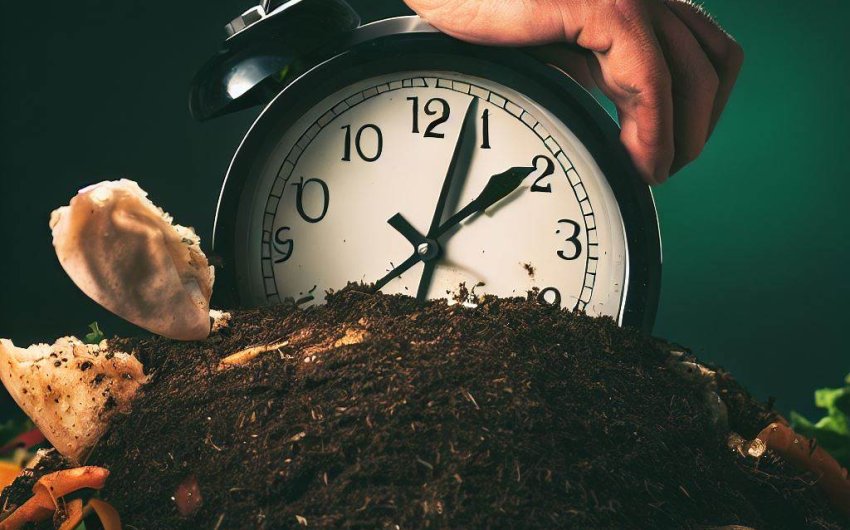
Yes, composting on a time crunch is absolutely achievable through various quick and efficient methods that minimize labor while maximizing waste transformation. You don't need to dedicate hours each week to turn piles; smart choices in equipment and technique allow even the busiest gardeners to convert organic waste into valuable soil amendment.
Why is Composting Important, Even with Limited Time?
Even with a time crunch, composting remains an incredibly important practice for environmental, horticultural, and personal well-being. Its benefits are too significant to overlook, and thankfully, there are ways to enjoy them without a major time investment.
How Does Composting Benefit the Environment?
Composting profoundly benefits the environment by diverting vast amounts of organic waste from landfills, reducing harmful greenhouse gas emissions, and promoting sustainable resource management. It's a fundamental step towards a greener, healthier planet.
Environmental benefits:
- Reduces Landfill Waste: Organic materials like food scraps and yard waste make up a substantial portion of what goes into landfills. Composting them significantly reduces this volume, extending landfill lifespans.
- Mitigates Methane Emissions: When organic waste breaks down in oxygen-starved landfills (anaerobic decomposition), it produces methane (CH₄). Methane is a potent greenhouse gas, far more effective at trapping heat than carbon dioxide over the short term. Composting, an aerobic process, drastically reduces methane production.
- Lowers Carbon Footprint: By reducing waste transportation to landfills and preventing methane release, composting helps to lower your overall carbon footprint. Healthy soil, enriched by compost, also acts as a carbon sink.
- Reduces Chemical Reliance: Compost enriches soil naturally, reducing the need for synthetic chemical fertilizers, which often require fossil fuels for production and can lead to water pollution.
- Protects Water Quality: Healthy, compost-rich soil improves water filtration, reducing runoff and preventing pollutants from entering waterways.
These combined impacts make composting a powerful tool for individual households to contribute to broader environmental sustainability.
How Does Composting Improve Garden Health?
Composting dramatically improves garden health by enriching the soil with organic matter, boosting microbial life, and providing a slow-release source of nutrients. This leads to stronger, more resilient plants and reduced reliance on external inputs.
Benefits for garden health:
- Enhances Soil Structure: Compost transforms poor soil. It loosens heavy clay soils, improving drainage and aeration, and adds body to sandy soils, increasing water and nutrient retention.
- Adds Essential Nutrients: It provides a slow and steady supply of macro- and micronutrients (nitrogen, phosphorus, potassium, calcium, magnesium, etc.) that are vital for plant growth, reducing the need for synthetic fertilizers.
- Feeds Soil Microbes: Compost is teeming with beneficial bacteria, fungi, and other microorganisms that are crucial for breaking down organic matter, cycling nutrients, and suppressing plant diseases. It truly brings your soil to life.
- Improves Water Retention: Organic matter acts like a sponge, allowing soil to hold more moisture, which makes your garden more drought-resistant and reduces watering frequency. Using a soil moisture meter can help you observe this.
- Buffers Soil pH: Compost helps to stabilize soil pH, creating a more balanced environment where nutrients are readily available to plants.
- Disease Suppression: A healthy, biologically active soil, rich in compost, can help suppress soil-borne plant diseases.
By regularly incorporating compost, you are not just feeding your plants; you are building a thriving soil ecosystem that supports a robust and productive garden.
What are the Personal Benefits of Composting?
Beyond environmental and garden advantages, composting offers several personal benefits that can enhance your daily life and sense of well-being, even when you're short on time. It's a surprisingly rewarding habit.
Personal benefits:
- Reduces Household Waste: Seeing less go into your trash bin (and thus to the landfill) provides a tangible sense of accomplishment and reduces guilt about food waste.
- Saves Money: You get free, high-quality soil amendment, reducing the need to buy bagged compost, potting mix, or fertilizers for your garden.
- Connects You to Nature: Even a small composting effort connects you to natural cycles, fostering a greater appreciation for how nature recycles its resources.
- Reduces Odors in Kitchen Trash: Diverting food scraps to a compost bin (especially an odor-controlled kitchen caddy) keeps smelly items out of your indoor trash.
- Educational for Families: It's a great way to teach children about sustainability, science, and where food comes from (and goes).
- Stress Relief: For some, the simple act of contributing to a natural cycle can be a quiet, satisfying activity that offers a break from a busy day.
Composting, even with limited time, offers a powerful blend of practical benefits and personal satisfaction.
Which Quick Composting Methods Are Best for Busy People?
For those with a time crunch, selecting composting methods that are inherently quick and efficient is key. These systems prioritize speed and minimal hands-on effort, delivering usable compost or nutrient-rich material without constant attention.
What is Hot Composting and How Can it Be Quick?
Hot composting is an aerobic decomposition method that generates high internal temperatures (130-160°F / 54-71°C), leading to rapid breakdown of organic materials – often producing finished compost in a matter of weeks. Its speed comes from carefully managed conditions.
To make hot composting quick:
- Small, Prepared Materials: All materials (kitchen scraps, yard waste, leaves) must be chopped or shredded into small pieces (1-2 inches) to maximize surface area.
- Balanced Carbon-to-Nitrogen (C:N) Ratio: Maintain an ideal ratio of roughly 25-30 parts carbon ("browns") to 1 part nitrogen ("greens"). This provides the perfect fuel mix for rapid microbial activity.
- Adequate Moisture: Keep the pile consistently moist, like a wrung-out sponge. Too dry, and it stalls; too wet, and it goes anaerobic.
- Regular Turning: This is crucial for quick hot composting. Turn the pile every 1-3 days to introduce oxygen and move cooler outer material to the hot center. This frequent aeration keeps microbes active.
- Sufficient Size: A hot compost pile needs to be at least 3x3x3 feet (1 cubic meter) to generate and retain enough heat.
When these conditions are met, a hot compost pile can reach finished compost in as little as 2-4 weeks, making it surprisingly quick for dedicated effort. A compost thermometer is essential for monitoring heat.
How Do Compost Tumblers Speed Up the Process?
Compost tumblers are enclosed, rotating bins designed to make aeration easy and efficient, thereby speeding up the composting process with minimal effort. They are ideal for those who want quick compost without the physical labor of turning a traditional pile.
How compost tumblers work:
- Easy Aeration: The main advantage is easy aeration. Instead of using a pitchfork, you simply spin the tumbler a few times every day or two. This mixes the materials, introduces oxygen, and prevents compaction.
- Retained Heat: The enclosed design helps retain the heat generated by microbial activity, contributing to faster decomposition.
- Pest Control: Being sealed containers, tumblers deter pests like rodents, flies, and other scavengers.
- Neatness: They are tidy and contained, making them suitable for smaller yards or patios.
- Material Compatibility: Like hot composting, they work best with small, balanced batches of "greens" and "browns."
A dual-chamber compost tumbler is particularly efficient, allowing you to fill one chamber while the other matures, providing a continuous supply of compost. While faster than static piles, they may not reach the same high temperatures as a perfectly managed large hot pile, but they are significantly quicker than traditional cold composting.
Is Vermicomposting a Time-Efficient Option?
Vermicomposting (worm composting) is a highly time-efficient option for handling kitchen scraps, especially for busy individuals or those with limited outdoor space. While it produces worm castings (not traditional hot compost), these are a supreme soil amendment.
Why vermicomposting is time-efficient:
- Low Maintenance: Worms do all the work! Once the bin is set up correctly, you simply add kitchen scraps (no meat, dairy, or oily foods) to the bin a few times a week. There's no turning, and little monitoring of heat.
- Small Footprint: Worm bins are compact and can be kept indoors (kitchen, basement, garage) or outdoors in sheltered areas. A stackable worm bin is very space-efficient.
- Quick Breakdown: Worms efficiently consume organic waste, rapidly converting it into nutrient-rich castings and "worm tea" (liquid fertilizer).
- Odorless (if managed correctly): A healthy worm bin, fed appropriate materials, should not smell.
- Produces Valuable Byproducts: You get both solid worm castings (for soil amendment) and liquid "worm tea" (a potent liquid fertilizer).
Vermicomposting is an excellent hands-off solution for transforming food waste into gardener's gold with minimal time investment. Using red wiggler composting worms is crucial for this method.
How Does Digging a Trench Compost Help with Time Management?
Digging a trench compost is a simple, no-fuss method that helps with time management by directly burying organic waste in the garden, allowing nature to do the work over time. It's often called "dig and drop" or "composting in place."
How trench composting works:
- Minimal Effort: You simply dig a trench or a series of holes in your garden bed or around established plants.
- Bury Waste: Drop kitchen scraps (avoid meat, dairy, oily foods that attract pests) directly into the trench/hole.
- Cover: Cover the waste completely with at least 6-8 inches of soil.
- Decomposition: Soil microorganisms and earthworms slowly break down the organic matter right where it's needed, enriching the soil in place.
- Time Savings: No turning, no specific bin management, no balancing of C:N ratios. It's a truly passive method.
- Direct Nutrient Delivery: Nutrients are released directly into the garden bed, feeding plants directly.
- Avoids Compost Pile Maintenance: Ideal for those who simply don't have time for a dedicated compost pile.
Trench composting is perfect for busy gardeners who want to improve their soil with food waste without any dedicated composting infrastructure or ongoing management. Using a garden trowel and a small garden shovel are the main tools needed.
What Are Smart Strategies for Time-Saving Composting?
Beyond choosing the right method, implementing smart strategies for time-saving composting can further reduce your workload and make the process even more efficient. These small habits can make a big difference for busy schedules.
How Can Pre-Processing Waste Save Time?
Pre-processing waste by preparing it before it enters the compost system can save significant time in the long run by accelerating decomposition and reducing the need for intensive management. It's about front-loading a little effort for faster results.
Ways pre-processing saves time:
- Chop or Shred Materials: The smaller the pieces, the faster they break down.
- Kitchen Scraps: Chop fruit and vegetable peels into 1-2 inch pieces before adding them to your kitchen compost pail.
- Yard Waste: Use a leaf mulcher or run your lawn mower over leaves and small twigs to shred them. This greatly speeds up decomposition and prevents matting.
- Mix "Greens" and "Browns" as You Go: Instead of building distinct layers in a traditional pile, aim to mix in a handful of shredded leaves (browns) with each addition of kitchen scraps (greens). This helps maintain the C:N balance, reduces odors, and jumpstarts decomposition.
- Collect in Batches: Store "greens" in an odor-free kitchen container and "browns" (like shredded leaves) in a separate bin. When you have enough of both, mix and add them to your compost system.
A little upfront preparation of your organic waste means less effort in managing the compost pile later, making the process much quicker.
How Do You Optimize Your Composting Setup for Efficiency?
Optimizing your composting setup for efficiency means strategically choosing your equipment and its placement to minimize effort and maximize results. A well-designed system simplifies the composting routine.
Tips for an efficient setup:
- Location, Location, Location:
- Convenience: Place your main compost bin or tumbler in a location that is easily accessible from your kitchen and garden. The less distance you have to carry scraps, the more likely you are to compost consistently.
- Partial Shade: A partially shaded spot prevents the pile from drying out too quickly, reducing watering frequency.
- Water Access: Ensure easy access to a water source (e.g., a nearby spigot and garden hose) for quick moistening when needed.
- Right Equipment: Invest in the right tool for your chosen method. A compost tumbler for easy turning, a worm bin for hands-off kitchen waste, or simply a good shovel for trench composting.
- Batching Systems: Consider a two-bin system for traditional piles or tumblers: one bin for actively adding new scraps, and another for passively curing finished compost. This allows for continuous composting.
- Dedicated Tools: Keep essential composting tools (fork, aerator, small shovel) near your compost site.
An optimized setup streamlines the composting process, making it less of a chore and more of a seamless part of your daily routine.
What Role Does Monitoring Play in Efficient Composting?
While aiming for a time crunch approach, monitoring still plays a vital, albeit quick, role in efficient composting. Brief, periodic checks can prevent major problems that would ultimately take more time to fix.
Key aspects of efficient monitoring:
- Visual Check (Quick Glance): Take a quick look at your compost pile or bin whenever you add new materials.
- Smell: Does it smell earthy and pleasant? A foul smell indicates a problem (too wet, too much nitrogen, not enough air).
- Moisture: Does it look adequately moist, or dry and dusty?
- Pests: Are there any signs of flies or other unwanted critters?
- Moisture Check (Occasional): Every few days or once a week, use a soil moisture meter or simply stick your hand into the pile to gauge moisture. If it's dry, give it a quick sprinkle with water.
- Temperature Check (Optional for Hot Composting): If you're aiming for hot compost, a quick glance at a compost thermometer can tell you if it's active. If it's cooled, it's time for a turn or more "greens."
- Troubleshoot Promptly: If you notice a problem (bad smell, too dry), address it immediately. A few minutes of troubleshooting now can prevent hours of remediation later.
Efficient monitoring isn't about constant hovering; it's about quick, informed checks that keep your composting process on track with minimal fuss.
What Materials Break Down Fastest in Compost?
For those prioritizing speed in their composting on a time crunch, choosing materials that break down fastest is a key strategy. Finely prepared, "green" materials generally decompose much quicker than dense, woody "browns."
Which "Green" Materials Decompose Quickly?
"Green" materials, which are high in nitrogen and often soft and moist, decompose quickly in a compost pile. They provide the protein and moisture for microorganisms to rapidly multiply and break down organic matter.
Fast-decomposing "green" materials:
- Fruit and Vegetable Scraps: Almost all kitchen fruit and vegetable scraps (peels, cores, wilted greens) break down rapidly, especially if chopped small.
- Coffee Grounds: Rich in nitrogen and break down very quickly, also adding beneficial acidity.
- Tea Bags (paper/fiber bags): Contents and bag break down fast.
- Fresh Grass Clippings: High in nitrogen, break down very quickly. Use in thin layers to avoid matting and odor.
- Weeds (non-seeding): Young, tender weeds (before they go to seed) decompose rapidly.
- Eggshells: While slower than other greens, crushed eggshells provide calcium and help aerate.
These nitrogen-rich materials are the "fuel" that drives the hot, fast composting process.
What "Brown" Materials Break Down Fast (Especially When Shredded)?
While "brown" materials are generally slower to decompose than "greens," selecting certain types and, most importantly, shredding them thoroughly can significantly speed up their breakdown. This is vital for quick composting on a time crunch.
Fast-decomposing "brown" materials (especially when shredded):
- Shredded Leaves: This is perhaps the best fast-decomposing brown. Shredded deciduous leaves (especially maples, birches, ash) break down far quicker than whole leaves, often in months rather than years.
- Shredded Paper/Cardboard: Newspaper (non-glossy), plain cardboard (tear off tape/labels), and paper towels, when shredded or torn into small pieces, add carbon and help balance moisture.
- Straw: While slower than shredded leaves, chopped straw can break down faster than large pieces of woody material.
- Pine Needles (chopped): Use in moderation, as they are acidic and break down slowly, but chopping helps.
The key to accelerating the breakdown of "browns" is to increase their surface area. A garden shredder can be a valuable investment for quickly processing larger volumes of yard waste.
Which Materials Should You Avoid for Quick Composting?
For quick and efficient composting on a time crunch, it's crucial to avoid certain materials that either decompose very slowly, attract pests, or introduce harmful pathogens. These items will only slow down or contaminate your fast compost system.
Materials to avoid for quick composting:
- Meat, Bones, Fish, Dairy, Oily Foods: These attract pests (rodents, flies, raccoons) and produce foul odors, especially in a fast-heating pile. They also take a long time to break down.
- Pet Waste (Dog/Cat Feces): Contains harmful pathogens and parasites (e.g., Toxoplasma gondii) that are unlikely to be killed in a typical home compost pile, even a hot one. Never use compost from pet waste on edible gardens.
- Diseased Plants: Can spread pathogens to your garden unless your pile consistently reaches high, sustained temperatures to kill them.
- Weeds with Seeds: If your pile doesn't get hot enough, weed seeds will survive and spread in your garden.
- Glossy Paper/Magazines: Contains inks and coatings that are not ideal for compost.
- Treated Wood: Lumber treated with chemicals should never be composted.
- Large Woody Branches/Logs: These will take years to break down. Shred them finely for faster composting.
- Plastics, Metals, Glass: These are non-biodegradable and should be recycled or discarded appropriately.
By focusing on quick-to-decompose, safe materials and avoiding problematic items, you ensure your composting efforts remain efficient and productive, even with limited time.
How Do You Use Finished Compost Quickly?
Once you've put in the efficient effort to create finished compost quickly, knowing how to use it effectively and immediately in your garden maximizes its benefits. This is where your time-saving efforts truly pay off.
What are the Best Ways to Incorporate Compost into Garden Beds?
Incorporating compost into garden beds is the primary way to leverage its rich benefits, whether you're starting a new bed or replenishing an existing one. It directly enhances soil health and plant vitality.
Best ways to incorporate compost:
- Before Planting (Amending):
- New Beds: For new garden beds, spread a generous 2-4 inch layer of finished compost over the entire surface. Work it into the top 6-12 inches of soil with a shovel or garden fork.
- Existing Beds: Each spring or fall, apply a 1-2 inch layer of compost over existing garden beds and gently rake or fork it into the top few inches of soil. This replenishes nutrients and organic matter.
- Top Dressing: Apply a 1-2 inch layer of compost as a top dressing around established plants. The nutrients will slowly leach into the soil with watering or rain, feeding the plants. This also suppresses weeds and conserves moisture.
- Side Dressing: For heavy feeders, apply a handful or two of compost around the base of the plant during the growing season.
- Container Gardening: Mix 1 part finished compost with 2-3 parts potting mix when planting containers. This adds nutrients and improves soil structure for potted plants.
Using a garden rake can help spread the compost evenly.
Can You Use Compost for Top Dressing and Mulching Immediately?
Yes, you can absolutely use finished compost immediately for top dressing and mulching, and it's one of the quickest and easiest ways to apply it to your garden. This method offers immediate benefits without requiring digging or extensive soil incorporation.
Benefits of immediate use as top dressing/mulch:
- Instant Nutrient Boost: The compost begins to slowly release nutrients into the soil with each watering or rainfall, continuously feeding your plants.
- Weed Suppression: A 1-2 inch layer effectively smothers weed seeds and new weed growth, reducing your weeding workload.
- Moisture Conservation: It acts as an insulating layer, reducing water evaporation from the soil and helping to keep the root zone moist. This reduces your watering frequency.
- Temperature Regulation: Protects soil and roots from extreme temperature fluctuations.
- Feeds Soil Life: As it sits on the surface, earthworms and other soil organisms will gradually pull it down into the soil, further improving soil structure and microbial activity.
- Easy Application: Simply spread it over the soil surface around your plants.
Top dressing and mulching with compost is a highly time-efficient way to use your finished product, delivering consistent benefits to your garden with minimal fuss.
What are the Benefits of Using Compost in Lawns?
Using compost in lawns offers significant benefits for turf health and vigor, making it a natural and effective way to improve your grass without heavy reliance on synthetic chemical inputs. It's a key strategy for a healthier, greener lawn.
Benefits of compost for lawns:
- Improves Soil Structure: Compost loosens compacted soil, which is common in lawns, allowing for better air, water, and nutrient penetration to grass roots.
- Nutrient Supply: It provides a slow, steady release of essential nutrients, leading to healthier, greener grass that is less prone to disease. This reduces the need for synthetic lawn fertilizers.
- Enhanced Water Retention: Compost increases the soil's ability to hold water, making your lawn more drought-resistant and potentially reducing watering needs.
- Feeds Soil Life: It boosts the beneficial microbial activity in the soil, which is crucial for a healthy root system and nutrient cycling in turf.
- Thicker, Healthier Grass: The overall improvement in soil health leads to denser, more vigorous turf that is better able to outcompete weeds and resist pests and diseases.
How to apply compost to lawns:
- Aerate (Optional but Recommended): For best results, aerate your lawn before applying compost. This allows the compost to penetrate deeper into the soil. You can use a manual lawn aerator for small areas.
- Spread a Thin Layer: Spread a very thin, even layer (about 1/4 to 1/2 inch) of finely screened finished compost over your entire lawn.
- Rake In: Use a leaf rake or the back of a garden rake to gently work the compost down into the grass, ensuring it settles into the soil.
- Water: Lightly water the lawn to help the compost settle.
Applying compost to your lawn is a highly effective, long-term strategy for building healthy soil and nurturing a beautiful, sustainable green space. Composting on a time crunch is not just possible; it's a smart strategy for any busy gardener, allowing you to efficiently transform organic waste into invaluable resources for a thriving garden and a healthier planet.