
How to Control Burweed in Your Lawn Before It Spreads?
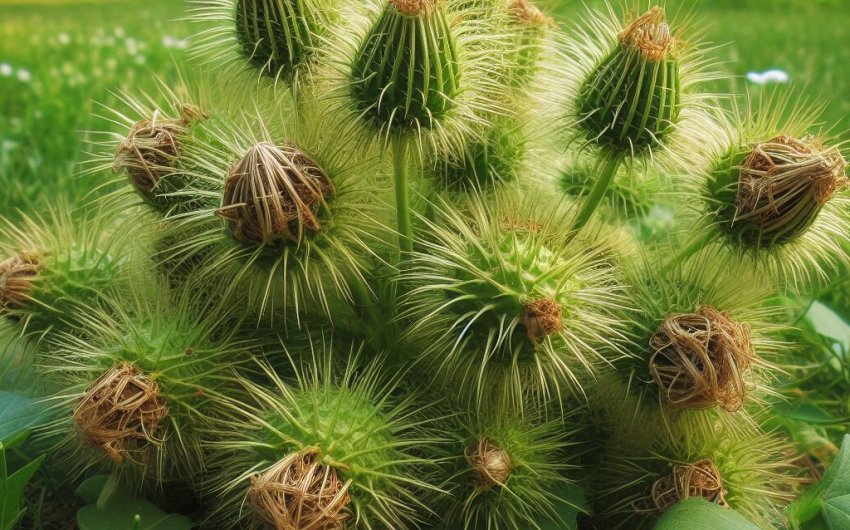
Dealing with burweed in your lawn can quickly turn a barefoot stroll into a painful ordeal, especially when its sharp, spiny burs mature. If you're wondering how to control burweed in your lawn before it spreads, proactive and timely intervention is essential. This persistent winter annual can rapidly colonize bare spots and thin turf, making early identification and strategic treatment key to maintaining a comfortable, attractive lawn.
What is Burweed and Why is it a Problem in Lawns?
Burweed, also commonly known as lawn burweed or spurweed (Soliva sessilis), is a low-growing, cool-season annual weed. It germinates in the fall, grows through the winter, and produces its signature prickly burs in late spring or early summer, making it a significant nuisance.
Characteristics of Burweed
Burweed forms a prostrate, mat-like growth habit, blending in with the lawn during cooler months. Its leaves are finely dissected, resembling parsley or miniature ferns. The real problem emerges when it produces small, inconspicuous green flowers that quickly develop into hard, star-shaped burs, each containing several sharp spines. These burs are highly effective at attaching to shoes, clothing, and pet fur, which aids in its rapid spread.
Why It Thrives in Lawns
Burweed thrives in thin, weak, and compacted turf. It prefers areas with poor drainage and often indicates underlying soil issues. Its low-growing nature allows it to evade mower blades, ensuring its survival and seed production. The fact that it germinates in fall and grows through winter means it gets a head start before most warm-season grasses become active, allowing it to dominate bare patches.
Impact on Lawn Enjoyment
The primary issue with burweed is its painful burs. Once mature and dried, these burs make walking barefoot on the lawn unbearable. They can also get stuck in pet paws, track indoors, and generally detract from the enjoyment and usability of your lawn, making control a high priority for homeowners.
When is the Best Time to Control Burweed?
Timing is absolutely critical for effective burweed control. Applying herbicides at the wrong time can be ineffective and frustrating, wasting both time and money. Knowing the optimal window is central to understanding how to control burweed in your lawn before it spreads.
Fall: The Ideal Window for Pre-Emergent
The absolute best time to tackle burweed is in the fall, typically when evening temperatures consistently drop below 50°F (10°C). This is when burweed seeds germinate. Applying a pre-emergent herbicide during this window will create a chemical barrier in the soil that prevents the seeds from sprouting. This strategy stops the weed before you even see it, making it the most proactive and effective method.
Late Winter/Early Spring: Post-Emergent Treatment
If you missed the fall pre-emergent application, or if some burweed still emerged, the next best time for control is in late winter to early spring, before the plant starts producing its burs. Once the burs harden, they become much more resilient to herbicides, and the damage is already done. A post-emergent herbicide applied during this period will kill the actively growing plants. This timing ensures you eliminate the weed before it produces more painful seeds.
Avoiding Control in Late Spring/Summer
Attempting to control burweed in late spring or summer when the burs have already formed is largely pointless. The plants are completing their life cycle, and the burs are mature, ready to detach and spread thousands of new seeds. While the herbicide might kill the dying plant, it won't prevent the burs from causing pain or reseeding the lawn for the next season. The goal is prevention or early eradication to truly learn how to control burweed in your lawn before it spreads.
What Pre-Emergent Herbicides Are Effective for Burweed?
Pre-emergent herbicides are your secret weapon against burweed. They prevent the seeds from germinating in the first place, offering season-long control with a single application. Choosing the right one is key for how to control burweed in your lawn before it spreads.
Common Active Ingredients
Look for pre-emergent herbicides containing active ingredients such as:
- Prodiamine: A popular choice for broad-spectrum pre-emergent weed control. Products like Barricade Prodiamine are widely available.
- Pendimethalin: Another effective active ingredient found in many granular and liquid pre-emergent products.
- Dithiopyr: Offers both pre-emergent and early post-emergent control for some weeds.
Application Tips
- Timing is Crucial: Apply when soil temperatures are consistently falling below 70°F (21°C) in the fall, which signals burweed germination. Your local extension office can often provide soil temperature tracking.
- Water In: Most pre-emergent herbicides need to be "watered in" after application to activate the chemical barrier. Check product labels for specific watering instructions.
- Uniform Coverage: Use a broadcast spreader for granular products or a sprayer for liquids to ensure even coverage across the lawn.
- Do Not Disturb Soil: After applying a pre-emergent, avoid disturbing the soil (e.g., aeration, heavy raking) as this can break the chemical barrier and reduce effectiveness.
Considerations for Warm-Season vs. Cool-Season Grasses
Always ensure the pre-emergent herbicide is safe for your specific grass type. Some pre-emergents are safe for both warm and cool-season grasses, while others might be selective. Read the label carefully to prevent damage to your lawn.
What Post-Emergent Herbicides Are Best for Burweed?
If burweed has already germinated and is growing in your lawn, a post-emergent herbicide is your next line of defense. The key is to apply it before the burs begin to form. This is a reactive but effective way of learning how to control burweed in your lawn before it spreads.
Common Active Ingredients
Look for post-emergent herbicides specifically labeled for broadleaf weeds in lawns. Effective ingredients for burweed include:
- 2,4-D: A common and effective broadleaf weed killer.
- Mecoprop (MCPP): Often combined with 2,4-D in multi-weed control products.
- Dicamba: Another ingredient frequently found in broadleaf weed herbicide blends. Products like Trimec Southern or similar broadleaf weed killers are often effective.
Application Timing
Apply these herbicides when burweed is actively growing and relatively small, typically in late winter or early spring. The plants absorb the chemical best when they are healthy and not stressed by extreme temperatures. Avoid applying when temperatures are below 45°F (7°C) or above 85°F (29°C), as this can reduce effectiveness or harm your lawn.
Spot Treatment vs. Broadcast
- Spot Treatment: For small, isolated patches of burweed, a pump sprayer allows you to target individual weeds, reducing overall chemical use.
- Broadcast Application: For widespread infestations, applying a liquid or granular post-emergent across the entire lawn may be necessary. Ensure even coverage.
Read the Label Carefully
Always double-check that the post-emergent herbicide is safe for your particular grass type (warm-season or cool-season). Some products can cause damage to certain grass varieties. Follow mixing ratios and application instructions precisely to avoid harming your lawn. Avoid mowing immediately before or after application to allow the herbicide to be absorbed.
Can Cultural Practices Help Control Burweed?
Absolutely. Chemical controls are only part of the solution. Strong cultural practices that promote a dense, healthy lawn are your best long-term defense against burweed and many other weeds. Healthy turf outcompetes weeds, which is crucial for how to control burweed in your lawn before it spreads.
Maintain a Dense, Healthy Lawn
A thick, vigorous lawn crowds out weeds by competing for light, water, and nutrients. This is the single most important cultural control.
- Proper Mowing Height: Mow at the upper end of the recommended height for your grass type (e.g., 2.5-3 inches for most cool-season grasses, higher for some warm-season varieties). Taller grass shades the soil, making it less hospitable for germinating burweed seeds.
- Regular Fertilization: Follow a balanced fertilization program suitable for your grass type and soil test results. A well-nourished lawn grows dense and healthy. You can find a range of lawn fertilizers.
- Adequate Watering: Water deeply and infrequently to encourage deep root growth. This helps the grass withstand periods of stress and outcompete weeds for moisture.
Correct Soil Problems
Burweed thrives in compacted or poorly drained soil. Addressing these underlying issues will make your lawn less susceptible.
- Aeration: Regularly aerate your lawn, especially if you have heavy clay soil or high foot traffic. Core aeration creates channels for water and air, improving drainage and reducing compaction. A lawn aerator tool can be used.
- Top Dressing: Apply a thin layer of compost annually. This improves soil structure, enhances drainage, and adds beneficial microorganisms, creating a healthier environment for grass and a less hospitable one for burweed.
Overseeding Thin Areas
If your lawn has bare spots or is thin, these are prime areas for burweed to establish.
- Overseed: In the fall (for cool-season grasses) or spring/early summer (for warm-season grasses), overseed these thin areas with desirable grass seed. A dense stand of grass will prevent burweed from taking hold. Using a lawn seed spreader ensures even coverage.
Proper Drainage
If your lawn has persistent standing water, address the drainage issues. This might involve minor regrading, installing a French drain, or adding organic matter to improve soil structure. Poor drainage creates the ideal moist conditions for burweed to flourish.
What Are Non-Chemical Methods for Burweed Control?
For those who prefer to avoid herbicides, or for small infestations, several non-chemical methods can be employed. While often more labor-intensive, these methods are effective for how to control burweed in your lawn before it spreads.
Hand-Pulling
For small, isolated patches of burweed, hand-pulling is an effective method. It ensures complete removal of the plant and its potential burs. The best time to hand-pull is when the soil is moist, as this makes extraction easier, and before the burs have hardened. Be diligent, as any missed plants will quickly produce more seeds. Wear gloves to protect your hands from any developing prickles.
Smothering/Mulching (for small areas)
In areas where you don't mind sacrificing some lawn temporarily, or for garden beds adjacent to the lawn, you can smother burweed by covering it with thick layers of newspaper or cardboard, topped with mulch. This blocks sunlight, killing the weed. This method is more practical for non-turf areas.
Solarization (for bare ground)
For areas where you are completely renovating the lawn or dealing with a heavily infested bare patch, solarization can be effective. This involves covering the area with clear plastic sheeting during the hottest months of summer. The sun's heat gets trapped under the plastic, raising soil temperatures high enough to kill weed seeds, including burweed. This is a powerful technique for how to control burweed in your lawn before it spreads.
Boiling Water (for spot treatment)
For very small, isolated patches of burweed in pathways or cracks, a kettle of boiling water can kill the plants. This method should be used with extreme caution in a lawn, as it will also kill the desirable grass around the burweed. It's best reserved for hard surfaces.
Flame Weeding (with extreme caution)
A flame weeder can be used to quickly scorch burweed. This method kills the plant by rupturing its cells. It is best used in non-flammable areas like driveways or gravel paths, and with extreme caution in a lawn, as it can damage turfgrass and poses a fire hazard. Always follow manufacturer instructions and have water readily available.
How Can I Prevent Burweed Seeds from Spreading Further?
Preventing the existing burs from spreading their seeds is a crucial step in breaking the burweed cycle and preventing future infestations. This part of the puzzle is often overlooked when considering how to control burweed in your lawn before it spreads.
Mow When Dry and Bag Clippings
When you mow areas that might have mature burweed, make sure the lawn is dry. Mowing wet burweed can help dislodge and spread the sticky burs. Furthermore, bag your lawn clippings in affected areas. This prevents the burs from being scattered across your lawn and depositing new seeds. Dispose of these bagged clippings responsibly, perhaps by sending them with your municipal waste rather than adding them to a compost pile that doesn't reach high temperatures.
Clean Equipment Thoroughly
After mowing or working in an area with burweed, thoroughly clean your lawnmower, string trimmer, shoes, and any garden tools. Burs can easily cling to equipment and be transported to other parts of your lawn or garden. Use a stiff brush or hose to remove any attached debris.
Check Pets After Outdoor Activity
If your pets spend time in areas with burweed, they can inadvertently become vectors for seed dispersal. Check their fur and paws after they've been outside and remove any embedded burs. A pet brush for matted fur can help remove stubborn burs.
Avoid Bare Spots
Burweed thrives in bare soil. Maintain a dense, healthy turf at all times. If bare spots appear, overseed them promptly with grass seed to prevent burweed from colonizing. This continuous attention to turf health is a fundamental preventative measure.
Strategic Weeding Before Seed Set
If you discover burweed plants that you missed with fall pre-emergent or early spring post-emergent treatments, make every effort to remove them before the burs mature and dry out. This prevents millions of new seeds from being deposited into your soil.
How Do I Repair Lawn Damage Caused by Burweed?
Once you've controlled the burweed, you'll likely have thin or bare patches where the weed once thrived. Repairing these areas is crucial for establishing healthy turf that resists future infestations, completing the process of how to control burweed in your lawn before it spreads.
Loosen Compacted Soil
Before reseeding, address any underlying soil compaction that likely contributed to the burweed's initial establishment. Use a garden fork to loosen the top few inches of soil in smaller bare spots. For larger areas, consider spot aeration with a hand aerator or a power aerator if needed.
Amend the Soil
Mix in some compost or other organic matter into the loosened soil. This improves soil structure, drainage, and nutrient content, creating a more favorable environment for new grass roots. A bag of organic compost can make a big difference.
Select Appropriate Grass Seed
Choose a grass seed variety that is well-suited to your climate and sun conditions. If the burweed problem was due to poor drainage, consider selecting grass types known for better moisture tolerance, as discussed earlier. Look for lawn repair patch seed products.
Seed and Protect
Spread grass seed evenly over the prepared bare patches. Lightly rake it into the top 1/4 inch of soil.
- Cover with Top Dressing: A thin layer of peat moss or straw over the seeds helps retain moisture and protects them from birds.
- Keep Moist: Water the newly seeded areas lightly and frequently to keep the top inch of soil consistently moist until the grass germinates and establishes.
Fertilize New Growth
Once the new grass seedlings are a few inches tall, apply a starter fertilizer specifically designed for new lawns. This provides the essential nutrients needed for strong root development and vigorous growth, helping the new grass fill in quickly and create a dense canopy that outcompetes future weeds. A lawn starter fertilizer is typically low in nitrogen and high in phosphorus.
By implementing a multi-pronged approach that combines timely chemical applications, robust cultural practices, and diligent prevention of seed spread, you can successfully learn how to control burweed in your lawn before it spreads, ensuring your lawn remains a comfortable, barefoot-friendly oasis.