
The Pros and Cons of Mulch vs. Bagging Grass Clippings
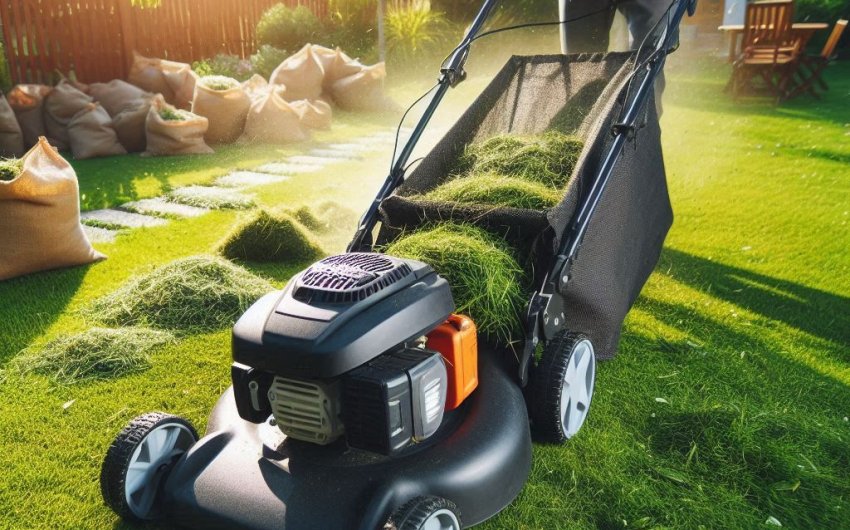
When it comes to maintaining a healthy lawn, the decision of what to do with your grass clippings after mowing is more impactful than you might think. It's a fundamental choice that influences everything from soil health and nutrient cycling to your time commitment and environmental footprint. This comprehensive guide delves into the pros and cons of mulch vs. bagging grass clippings, providing clarity on which method best suits your lawn's needs, your personal gardening philosophy, and your desired level of effort. Understanding these differences will help you make an informed decision for a greener, healthier yard.
What is mulching grass clippings?
Mulching grass clippings involves using a specialized lawn mower or a standard mower with a mulching kit to finely chop the grass as it's cut. These small pieces are then dispersed back onto the lawn surface, where they decompose.
How does a mulching mower work?
A mulching mower, sometimes called a recycling mower, is designed to keep the grass clippings suspended under the mowing deck for a longer period.
- Blade design: Mulching mower blades typically have more curves or multiple cutting surfaces compared to standard blades. This design creates a stronger air current that lifts the grass blades and then chops them repeatedly into very fine pieces. You can purchase mulching blades for lawn mowers as an upgrade.
- Deck design: The mower deck itself is often designed to be more enclosed, ensuring the clippings circulate for longer before being released.
- Dispersion: Once finely chopped, the clippings fall back into the lawn and settle quickly into the turf.
What are the main benefits of mulching grass clippings?
Mulching grass clippings offers a significant array of advantages for both your lawn and the environment.
- Nutrient Cycling (Natural Fertilizer): This is the biggest benefit. Grass clippings are rich in nitrogen, potassium, and phosphorus – the same nutrients found in commercial fertilizers. As they decompose, they release these nutrients back into the soil, naturally feeding your lawn. It's estimated that mulching clippings can provide up to 25% of a lawn's annual nitrogen needs. This means you may need to apply less synthetic lawn fertilizer.
- Improved Soil Health: The decomposing organic matter improves soil structure, enhances aeration, and boosts microbial activity. This leads to a healthier, more vibrant soil ecosystem that better supports grass growth.
- Moisture Retention: A thin layer of mulched clippings acts as a natural mulch, shading the soil and reducing water evaporation. This means your lawn may need less frequent watering, especially during dry spells.
- Weed Suppression: A healthy layer of mulched clippings can help suppress weed seed germination by blocking sunlight from reaching the soil surface.
- Reduced Waste: Keeps grass clippings out of landfills, reducing yard waste and associated disposal costs. It's an environmentally friendly practice.
- Time and Effort Savings: Eliminates the need to collect, bag, and dispose of clippings. This saves a significant amount of time and physical effort during mowing.
What are the potential drawbacks of mulching grass clippings?
While beneficial, mulching grass clippings isn't always perfect and requires attention to technique.
- Thatch Buildup (Misconception): The biggest myth is that mulching causes thatch. While too many clippings can contribute to thatch, it's primarily caused by grass stems, crowns, and roots that accumulate faster than they decompose. Proper mowing practices (not removing more than 1/3 of the blade at once) ensure clippings are small enough to decompose quickly and don't contribute to problematic thatch.
- Appearance: If too many long clippings are left on the surface, they can clump and look unsightly. This is usually due to mowing too much grass at once or mowing wet grass.
- Disease Spread: If your lawn has a known fungal disease, mulching diseased clippings can potentially spread the disease spores to healthy areas. In such cases, bagging might be a better temporary option until the disease is controlled.
- Allergies: For individuals with severe grass pollen allergies, mulching might release more allergens into the air.
- Requires Frequent Mowing: To produce finely chopped clippings that decompose quickly, you often need to mow more frequently, especially during peak growing season.
- Specific Mower Needed: You need a mower designed for mulching, or a mulching kit for your existing mower.
What is bagging grass clippings?
Bagging grass clippings is the traditional method where a collection bag or catcher attached to the lawn mower collects all the cut grass, leaving a clean, clipping-free lawn surface.
How does a bagging mower work?
- Airflow design: Bagging mowers are designed to create a strong upward airflow that pulls clippings into the collection bag as they are cut.
- Blade design: Standard mower blades are typically designed for cutting and propelling clippings into the bag, rather than finely chopping them.
- Collection: The clippings are then emptied from the bag into a compost pile, waste bin, or other disposal method.
What are the main benefits of bagging grass clippings?
- Neat Appearance: Leaves a perfectly clean, pristine lawn surface with no visible clippings. This is the primary aesthetic advantage.
- Disease Control: If your lawn is suffering from a fungal disease, bagging diseased clippings removes the infected plant material, helping to prevent the spread of the disease.
- Weed Seed Removal: Bagging can help remove weed seeds before they have a chance to germinate, reducing future weed problems.
- Allergen Reduction: For individuals with grass pollen allergies, bagging clippings can reduce airborne allergens by removing the cut grass from the immediate environment.
- Prevents Smothering: Useful when grass has grown too long (e.g., after vacation) and mulching would result in too much material clumping on the lawn, potentially smothering the grass below.
What are the potential drawbacks of bagging grass clippings?
Bagging grass clippings carries several environmental and practical disadvantages.
- Nutrient Depletion: The biggest drawback is that you remove valuable nutrients from your lawn. This means you'll need to apply more synthetic fertilizer to compensate for the lost nutrients, increasing costs and potential environmental impact.
- Reduced Soil Health: Removing organic matter means the soil receives fewer beneficial inputs, potentially leading to poorer soil structure and reduced microbial activity over time.
- Increased Water Use: Without the mulching layer to help retain moisture, bagged lawns may dry out faster and require more frequent watering.
- Environmental Impact:
- Landfill Waste: Grass clippings constitute a significant portion of municipal solid waste, putting a strain on landfills.
- Transportation: Bagging and transporting clippings consumes fuel and energy.
- Time and Effort: Requires extra time and physical labor to empty and dispose of bags. This can be particularly burdensome for large lawns.
- Disposal Costs: Some municipalities charge for yard waste disposal.
- Bagging Supplies: You'll incur costs for buying lawn bags if your municipality doesn't provide them.
When is it best to mulch, and when to bag?
The decision between mulch vs. bagging grass clippings often comes down to your lawn's specific condition, your environmental values, and practical considerations.
When is mulching the preferred method?
- For generally healthy lawns: If your lawn is well-maintained and free from significant disease, mulching is almost always the better choice for its nutrient benefits and soil health improvements.
- Regular mowing schedule: When you mow frequently and never remove more than one-third of the grass blade length at a time. This ensures clippings are short and decompose quickly.
- Want to reduce fertilizer use: Mulching provides a natural, free source of nutrients.
- Want to conserve water: The mulching layer helps retain soil moisture.
- Time-saving: If you value efficiency and want to reduce the effort involved in mowing.
- Environmentally conscious: Reduces landfill waste.
When is bagging the preferred method?
- Dealing with lawn diseases: If your lawn has a fungal disease (e.g., rust, dollar spot), bagging helps remove infected plant material and prevents the spread of spores. Ensure you properly dispose of diseased clippings and do not compost them.
- Excessive grass growth: If the grass has grown very long (e.g., after a vacation or prolonged rain) and attempting to mulch would leave large clumps that could smother the lawn. In this case, bag the first cut, then return to mulching for subsequent regular mows.
- Controlling weed seeds: If your lawn is heavily infested with weeds going to seed, bagging can help remove those seeds and reduce future weed problems.
- Aesthetics are paramount: If a perfectly pristine, clipping-free lawn is your absolute top priority.
- Severe allergies: For individuals with very severe grass allergies where even fine clippings cause issues.
- Creating compost: If you have a separate compost pile for yard waste and want to add fresh green material, bagged clippings are an excellent addition.
Can I switch between mulching and bagging?
Yes, you can absolutely switch between mulch vs. bagging grass clippings depending on your lawn's needs throughout the season. Many modern mowers offer easy conversion between mulching and bagging modes.
What are common scenarios for switching?
- First cut of spring: If your grass is very long from winter, you might bag the first cut to avoid thick clumps.
- During peak growth: Switch to mulching during periods of rapid growth when you're mowing frequently.
- During summer dormancy/slower growth: You might still mulch, as less grass is produced.
- Disease outbreak: Switch to bagging immediately if you notice signs of a lawn disease to prevent its spread.
- Weed seed production: Bag clippings if you have a lot of weeds going to seed.
- Compost needs: Bag some clippings if you need green material for your compost pile.
What about a hybrid approach?
Some homeowners adopt a hybrid approach:
- Mulch most of the time: Use mulching for routine mows to get all the benefits of nutrient cycling and soil health.
- Bag only when necessary: Use bagging only for specific situations like disease outbreaks, very tall grass, or for compost ingredients.
This approach allows you to maximize the benefits of mulching while having the flexibility to address specific issues when they arise.
What type of mower and accessories are best for mulching?
To effectively manage mulch vs. bagging grass clippings, having the right equipment is crucial, particularly if you lean towards mulching.
What features should a good mulching mower have?
- Powerful Engine: A stronger engine helps the blades maintain speed and effectively chop grass, especially if it's slightly thick or damp.
- Dedicated Mulching Deck or Kit:
- Dedicated Mulching Mower: These mowers are specifically designed for mulching and often have the best performance.
- Mulching Kits: Many standard mowers can be converted to mulching mowers by installing a mulching kit for lawn mowers, which usually includes a mulching blade and a plug to block the discharge chute.
- High-Quality Mulching Blades: These blades have extra curves and cutting surfaces to ensure finer clipping. Regularly sharpening your lawn mower blades is essential for effective mulching.
- Adjustable Cut Height: Being able to easily adjust the cutting height is important for healthy lawn care and effective mulching.
Can I mulch with a standard mower?
While you can technically mulch with a standard side-discharge mower, it won't be as effective. The clippings won't be chopped as finely and are more likely to clump or be unevenly distributed. A dedicated mulching mower or a mower with a mulching kit and blade will yield far superior results.
What other accessories are helpful for mulching?
- Sharpening Kit: Regular blade sharpening (at least once per season, more if you hit debris) is crucial for a clean cut and effective mulching. A lawn mower blade sharpening kit is a good investment.
- Air Compressor/Brush: To keep the underside of your mulching deck clean. Built-up clippings can impede mulching performance.
- Mower Cover: To protect your mower when not in use.
Understanding the pros and cons of mulch vs. bagging grass clippings empowers you to make smarter choices for your lawn's health and your gardening routine. While mulching offers significant ecological and practical advantages, bagging provides a solution for specific situations. By adopting the method that best suits your needs and embracing good mowing practices, you can cultivate a lawn that is not only beautiful but also vibrant, resilient, and environmentally sound.