
Dealing with Quackgrass: Effective Lawn Removal Tips
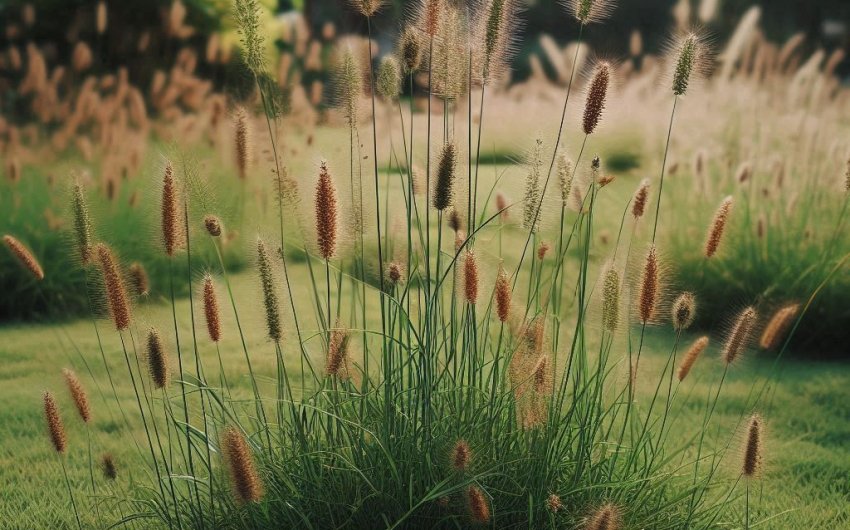
Tackling quackgrass: effective lawn removal tips can be one of the most persistent challenges for any gardener aiming for a pristine, uniform lawn. This aggressive perennial weed, known for its tenacious underground root system, quickly invades and outcompetes desirable turfgrass. Eradicating it requires a strategic and often multi-pronged approach, moving beyond simple surface treatments to address its resilient rhizomes. This comprehensive guide will equip you with the knowledge and practical methods to effectively manage and ultimately eliminate quackgrass, reclaiming your lawn from this unwelcome intruder.
What Makes Quackgrass So Stubborn?
Understanding the characteristics of quackgrass is the first step in devising effective lawn removal tips. Its aggressive growth habit and tenacious root system make it one of the most challenging weeds to eradicate from a lawn or garden.
1. Extensive Rhizome System
The primary reason for quackgrass's stubbornness lies in its highly developed underground network.
- Rhizomes: Quackgrass spreads predominantly through its vigorous, white, sharp-pointed underground stems called rhizomes. These rhizomes can grow horizontally for several feet (meters) in a single season.
- Rapid Spreading: Each node (joint) on a rhizome can produce a new shoot and a new root system, allowing the plant to quickly colonize large areas. A single plant can produce hundreds of feet of rhizomes in a year.
- Fragmentation: Disturbing the soil by tilling or digging often breaks these rhizomes into smaller pieces. Even a small segment (as short as 1 inch or 2.5 cm) with a single node can sprout into a new plant, leading to an even worse infestation. This is why mechanical removal can sometimes worsen the problem.
- Deep Penetration: Rhizomes can grow deep into the soil, making them difficult to reach and remove completely.
2. Aggressive Growth and Competition
Quackgrass is a highly competitive plant, able to outcompete desirable turfgrasses.
- Fast Growing: It grows much faster than most lawn grasses, quickly forming patches that stand out due to their coarser texture and often lighter green color.
- Nutrient and Water Hog: Its extensive root system allows it to efficiently absorb water and nutrients from the soil, effectively robbing nearby turfgrass and garden plants of essential resources.
- Allelopathy (Potential): Some studies suggest that quackgrass may release allelopathic chemicals that inhibit the growth of surrounding plants, further aiding its dominance.
3. Adaptability and Resilience
Quackgrass is a survivor, able to thrive in a wide range of conditions.
- Wide Climate Range: It's a cool-season perennial grass, but it's incredibly adaptable and found in nearly all temperate regions of the world.
- Soil Tolerance: It can grow in a variety of soil types, from sandy to heavy clay, though it prefers fertile, well-drained loams.
- Drought and Cold Tolerance: Its deep rhizome system makes it very tolerant of drought conditions once established, and it's highly tolerant of cold, easily overwintering.
4. Seed Production
While rhizomes are its main mode of spread, quackgrass also produces seeds, adding to its persistence.
- Prolific Seeder: A single quackgrass plant can produce hundreds of seeds, which can remain viable in the soil for several years.
- Wind Dispersal: Seeds can be easily dispersed by wind, water, or on garden equipment, leading to new infestations.
5. Identification Challenges (Early Stages)
In its early stages, quackgrass can be mistaken for desirable turfgrass.
- Appearance: Its leaves are similar to some lawn grasses (like Tall Fescue or Kentucky Bluegrass) but are usually broader, often rough on the upper surface, and have distinctive features like clasping auricles and a short ligule.
- Later Distinction: As it matures, its rapid growth and coarse texture make it stand out clearly from finer lawn grasses.
Due to this formidable combination of rhizomatous spread, aggressive competition, and environmental adaptability, effective lawn removal tips for quackgrass must go beyond superficial treatments to truly achieve long-term control.
What Are Non-Chemical Methods for Removing Quackgrass?
For gardeners preferring an organic or less aggressive approach, several non-chemical effective lawn removal tips can be employed to combat quackgrass. These methods require patience and persistence but can be highly successful, especially for smaller infestations.
1. Manual Removal (Digging)
This is the most direct method, but it requires extreme care to be effective.
- Tools: Use a garden fork, spade, or specialized weeding tool that can go deep.
- Technique:
- Moist Soil: Work when the soil is moist (after rain or watering) but not saturated, as this makes digging easier.
- Dig Deep and Wide: The key is to dig all of the rhizomes. Dig down at least 8-12 inches (20-30 cm) and extend well beyond the visible patch of quackgrass, as rhizomes spread horizontally.
- Sift and Remove: Carefully sift through the removed soil, meticulously picking out every piece of white rhizome. Even a small fragment can re-sprout.
- Dispose Properly: Do not put quackgrass rhizomes in your compost pile unless you use a certified hot composting system that reaches consistently high temperatures. They are best disposed of in the trash or dried out completely on a paved surface in the sun until brittle.
- Pros: Chemical-free, immediate removal of visible plants.
- Cons: Extremely labor-intensive for large areas, can spread the problem if not done meticulously (fragmentation), often requires repeated efforts as new shoots emerge from missed fragments.
- Best For: Small, isolated patches, garden beds (where precision is easier), or as a follow-up after other methods.
2. Smothering (Solarization or Sheet Mulching)
These methods kill quackgrass by depriving it of light and air.
- Solarization:
- Technique: Cut the quackgrass patch very short. Water the area thoroughly. Cover the entire patch with clear plastic sheeting (e.g., 4-6 mil polyethylene) that is tightly secured at the edges (buried in trenches or weighed down with rocks/soil) to trap heat and prevent air exchange. Leave in place for 6-8 weeks during the hottest, sunniest part of the year.
- Pros: Chemical-free, kills plants and many weed seeds, can be effective for large areas.
- Cons: Takes a long time, area is unusable during treatment, works best in full sun and hot climates.
- Amazon Link: Clear plastic sheeting 6 mil.
- Sheet Mulching (Lasagna Gardening):
- Technique: Layer wet cardboard or newspaper (several layers thick) directly over the quackgrass patch. Overlap edges significantly to prevent regrowth. On top of the cardboard, add layers of organic materials like compost, leaves, straw, and wood chips (similar to lasagna gardening).
- Pros: Chemical-free, improves soil health as materials break down, creates an instant garden bed.
- Cons: Takes time for quackgrass to die (months to a year), can be labor-intensive to gather and layer materials. Not suitable for an immediate lawn area.
3. Persistent Mowing (Weakening)
While not a complete eradication method, consistent mowing can weaken quackgrass over time.
- Technique: Mow the affected areas frequently and consistently, preventing the quackgrass from developing a strong root system or producing seeds. Keep the cutting height low over quackgrass patches.
- Pros: Simple, part of regular lawn care.
- Cons: Does not kill the rhizomes, so it's a management strategy, not eradication. Quackgrass will often persist and regrow from rhizomes.
- Best For: Preventing seed production and slowing spread while you implement other removal strategies.
4. Competition (Dense Planting)
After initial removal, dense planting can help suppress regrowth.
- Technique: Once an area is cleared, immediately plant dense, vigorous desirable turfgrass or groundcover. This outcompetes any re-sprouting quackgrass for light and nutrients.
- Pros: Part of restoring the landscape.
- Cons: Requires complete initial removal; otherwise, the quackgrass will still compete.
Non-chemical effective lawn removal tips for quackgrass require patience, diligent effort, and often a multi-season approach to achieve lasting results.
When Are Herbicides Necessary for Quackgrass?
While non-chemical methods are preferred by many, there are situations where herbicides become a practical or necessary part of effective lawn removal tips for quackgrass, especially for widespread or deeply entrenched infestations. Understanding when and how to use them safely is crucial.
1. Widespread or Severe Infestations
- Large Areas: When quackgrass has spread throughout a significant portion of your lawn, or has completely taken over large beds, manual digging becomes impractical and often exacerbates the problem by fragmenting rhizomes.
- Deeply Entrenched Roots: If quackgrass rhizomes are extensive and deep, non-chemical methods like solarization might take too long or be less effective in reaching all parts of the root system.
2. Limited Time or Physical Ability
- Time Constraints: Manual removal methods, especially digging, are extremely time-consuming. If you have limited time for garden work, herbicides can offer a faster solution.
- Physical Limitations: For individuals with physical limitations that prevent strenuous digging or bending, chemical options provide a viable alternative.
3. When Non-Chemical Methods Have Failed
- Persistent Regrowth: If you've diligently tried manual removal or smothering methods, but quackgrass consistently re-emerges from missed rhizome fragments, a targeted herbicide application might be needed to break the cycle.
4. Preparing for a New Lawn or Garden Bed
- Complete Kill: When you plan to entirely renovate a lawn area or convert a weedy patch into a new garden bed, a non-selective herbicide offers the most thorough kill of quackgrass and other weeds, ensuring a clean slate for planting. This is particularly useful where you want to minimize soil disturbance.
5. Type of Herbicides for Quackgrass
It's crucial to use the right type of herbicide, as quackgrass is a grass itself, making selective removal from a lawn tricky.
- Non-Selective Herbicides (Glyphosate-based):
- Mechanism: Kills all green vegetation it contacts by inhibiting an enzyme essential for plant growth. It's absorbed through the leaves and transported to the roots (systemic).
- Examples: Roundup Weed & Grass Killer (various formulations) or other generic glyphosate products.
- Use: Ideal for completely clearing an area (spot treatment on patches, or broad application for renovation) where you plan to reseed or plant something new. It will kill existing turfgrass.
- Timing: Best applied when quackgrass is actively growing (e.g., mid-spring to early fall) for maximum absorption and translocation to rhizomes. Requires a few days of dry weather after application.
- Waiting Period: Always observe the recommended waiting period (often 7-14 days or more, check label) before reseeding or planting, as new plants can be harmed by residue.
- Selective Grass Killers (Sethoxydim or Fluazifop-P-butyl based):
- Mechanism: These herbicides are designed to kill only grasses (including quackgrass) but leave broadleaf plants unharmed. Some formulations may be safe for certain broadleaf groundcovers.
- Examples: Products like Ortho Grass B Gon (for use in flower beds, not usually lawns), or specific products for use within certain turf types. Always read the label carefully to ensure it's safe for your specific lawn grass type!
- Use: Primarily for quackgrass control in flower beds, groundcover areas, or vegetable gardens. Only very specific formulations may be safe for use in lawns, and even then, often only for specific broadleaf-friendly turf types. General broadleaf weed killers will not kill quackgrass.
- Timing: Apply when quackgrass is actively growing.
6. Safety and Application Best Practices
- Read the Label: ALWAYS read and strictly follow all instructions on the product label. This includes dosage, application method, safety precautions (PPE), and waiting periods.
- Protective Gear: Wear appropriate Personal Protective Equipment (PPE), including gloves, safety glasses, long sleeves, and pants.
- Targeted Application: Use a pump sprayer with a precise nozzle to minimize drift onto desirable plants.
- Weather Conditions: Apply on a calm, windless day to prevent drift. Avoid applying before rain, which can wash off the herbicide.
- Patience: Herbicides take time to work. Quackgrass will yellow and die over several days or weeks. Do not reapply too soon.
When used responsibly and as a last resort, herbicides can be an important tool in effective lawn removal tips for quackgrass, especially in tackling severe or pervasive infestations.
How to Apply Herbicides for Quackgrass Control?
Applying herbicides, especially systemic non-selective ones, requires precision and adherence to instructions to be truly effective as effective lawn removal tips for quackgrass, while minimizing harm to desirable plants and the environment.
1. Preparation is Key
Proper setup ensures the herbicide works efficiently and safely.
- Read the Label Thoroughly: This is the most crucial step. Every herbicide product has specific instructions for mixing, application rates, safety precautions, and waiting times before re-seeding. Do not skip this!
- Choose the Right Time:
- Actively Growing Quackgrass: Herbicides like glyphosate are systemic, meaning they are absorbed by the leaves and transported throughout the plant, including the rhizomes. They are most effective when the quackgrass is actively growing (e.g., mid-spring to early fall) as the plant is translocating sugars to its roots, carrying the herbicide with it.
- Ideal Temperature: Check the label for optimal temperature ranges. Many herbicides work best when temperatures are between 60°F and 85°F (15°C and 29°C).
- Dry Conditions: Ensure no rain is expected for at least 6-24 hours (check label for specific drying time) after application, as rain can wash away the herbicide.
- Windless Day: Apply on a calm day with little to no wind to prevent drift onto desirable plants.
- Mow (Optional, but Recommended for Larger Patches): Mow the quackgrass patch a few days before application (e.g., 2-3 days). This encourages new, fresh growth that is actively taking up nutrients, making it more receptive to the herbicide. However, don't mow immediately before, as there needs to be enough leaf surface for absorption.
- Wear Protective Gear: Always wear long sleeves, long pants, chemical-resistant gloves, and safety glasses. A respirator might be advisable for larger applications or enclosed spaces.
- Mix Herbicide: Mix the concentrate (if applicable) with water in a clean pump sprayer according to the product label's precise ratios. Do not use more than recommended.
2. Targeted Application
Precision is key to avoiding collateral damage.
- Spot Treatment for Patches:
- Isolated Areas: For isolated patches of quackgrass within your lawn, use a spray shield or a piece of cardboard to protect surrounding desirable grass.
- Direct Spray: Spray the quackgrass directly, ensuring even coverage of its foliage without runoff. You want the leaves wet, but not dripping.
- Large Area Renovation:
- Broadcast Spray: For large areas that are mostly quackgrass or where you plan to kill all existing vegetation for a complete lawn renovation, a more widespread application with a broadcast sprayer can be used.
- Avoid Watering Immediately: Do not water the treated area for at least 24 hours (or as per label instructions) after application to allow the herbicide sufficient time to be absorbed by the plant.
3. Observe and Repeat (If Necessary)
Patience is a virtue when dealing with persistent weeds.
- Waiting Game: Systemic herbicides like glyphosate do not kill instantly. Quackgrass will slowly yellow, wilt, and die over a period of 7-14 days, sometimes longer depending on conditions and the specific product.
- Do Not Disturb: Avoid mowing, digging, or disturbing the treated quackgrass during this period, as it interferes with the herbicide's translocation to the roots.
- Second Application: If some quackgrass persists after 2-3 weeks, a second spot application may be necessary, particularly for very dense or stubborn patches. Only reapply if the label permits.
- Waiting Period Before Reseeding: This is critical. The herbicide label will specify a waiting period (e.g., 3, 7, 14, or even 30 days) before you can safely reseed or plant in the treated area. Ignoring this can kill your new grass.
4. Post-Application Clean-up
Safety and proper disposal are paramount.
- Clean Sprayer: Thoroughly rinse your sprayer with clean water multiple times. Spray the rinse water onto a non-garden area like gravel or a driveway, or discard according to local regulations. Never pour into storm drains or near water bodies.
- Dispose of Excess Herbicide: Store remaining herbicide in its original container, securely sealed, in a cool, dry place away from children and pets. Dispose of old or unwanted herbicide according to local hazardous waste guidelines.
- Wash PPE: Clean your protective gear immediately after use.
By following these precise application steps, you maximize the effectiveness of herbicides as effective lawn removal tips for quackgrass, bringing you closer to a healthy, weed-free lawn.
How to Prevent Quackgrass Recurrence?
Successfully removing quackgrass is only half the battle; preventing its recurrence is essential for long-term lawn health. Implementing proactive strategies is key to maintaining a weed-free turf after applying effective lawn removal tips.
1. Maintain a Dense, Healthy Lawn
A thick, vigorous lawn is your best defense against weed invasion, including quackgrass.
- Proper Mowing Height: Mow your lawn at the highest recommended height for your grass type (usually 3 inches or taller). Taller grass shades the soil surface, preventing weed seeds (including quackgrass) from germinating and competing with emerging quackgrass shoots.
- Regular Fertilization: Follow a consistent fertilization schedule based on your lawn type and soil test results. A well-nourished lawn can outcompete weeds.
- Appropriate Watering: Water deeply and infrequently to encourage deep root growth in your desirable turfgrass. This makes your lawn more resilient and less prone to weed invasion during dry spells.
- Overseeding: Regularly overseed your lawn to maintain density, especially in thinning areas. A thick turf leaves no room for quackgrass to establish.
2. Vigilant Monitoring and Early Intervention
Catching new quackgrass shoots before they establish a robust rhizome system is crucial.
- Regular Scouting: Frequently walk your lawn and garden beds, especially in spring and fall, to look for any emerging quackgrass shoots.
- Act Fast: If you spot a new quackgrass shoot, deal with it immediately.
- Small Isolated Shoots: Hand-pull carefully, ensuring you get as much of the root as possible.
- New Small Patches: Immediately spot-treat with a non-selective herbicide before the rhizomes spread widely.
- Maintain Clean Tools: Ensure any gardening equipment (mowers, tillers, shovels) that has been used in infested areas is thoroughly cleaned to prevent the spread of rhizome fragments or seeds to clean areas.
3. Minimize Soil Disturbance
Avoid unnecessarily tilling or digging in areas prone to quackgrass.
- Don't Spread Rhizomes: Tilling, while seemingly a way to remove weeds, can actually chop quackgrass rhizomes into hundreds of pieces, each capable of sprouting a new plant, leading to a massive increase in the problem.
- Strategic Digging: If you must dig in an infested area, do so meticulously, removing every rhizome fragment, and consider solarizing the area first.
4. Mulching (for Garden Beds)
For garden beds, a thick layer of mulch can suppress quackgrass.
- Thick Barrier: Apply a 3-4 inch (7.5-10 cm) layer of organic mulch (wood chips, shredded leaves, straw) over garden beds. This smothers emerging quackgrass shoots by blocking light.
- Refresh Annually: Replenish the mulch layer annually to maintain its thickness and effectiveness.
- Underlayment: For very persistent areas, consider laying down a layer of wet cardboard or newspaper under the mulch as an extra barrier.
5. Consider Edging Barriers
For highly infested adjacent areas or borders.
- Deep Edging: If quackgrass is invading from a neighboring property or unmanaged area, install a deep physical barrier (e.g., plastic landscape edging, metal, or concrete) at least 6-12 inches (15-30 cm) deep along the border to block rhizome spread.
By combining proactive lawn care with vigilant monitoring and strategic intervention, you can effectively prevent the recurrence of quackgrass, ensuring your lawn remains a lush, uniform green after applying effective lawn removal tips.