
Effective Ways to Control Dollar Spot in Lawns
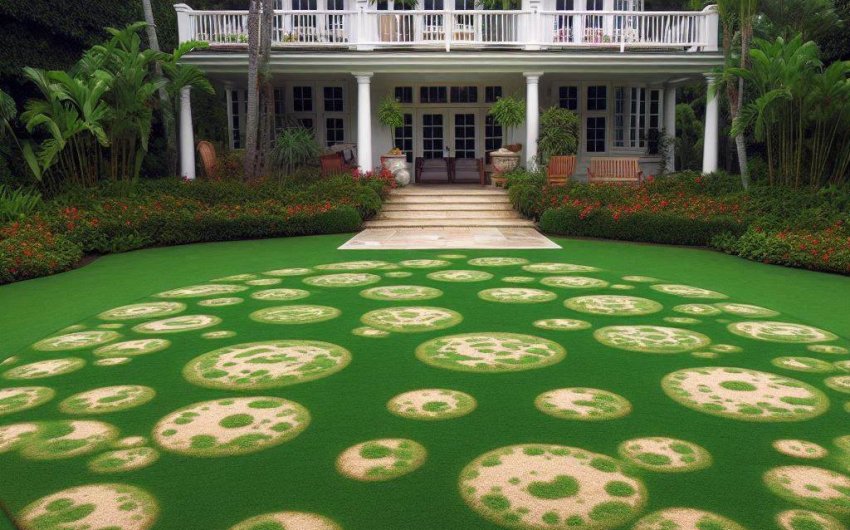
Dollar spot disease is a common lawn fungus that causes small, round patches of brown or straw-colored grass, usually about the size of a silver dollar. The disease thrives in warm, humid conditions and can quickly spread across the lawn, leading to an unsightly and uneven appearance. Fortunately, there are effective ways to control and prevent dollar spot disease, helping you maintain a lush and healthy lawn.
What is Dollar Spot Disease?
Dollar spot is caused by the fungal pathogen Clarireedia jacksonii. This fungus attacks grass blades, leading to small, circular patches of brown or tan grass. As the infection progresses, the patches can merge, creating larger areas of dead or discolored grass. The fungus is especially common in cool-season grasses like Kentucky bluegrass, bentgrass, and ryegrass.
Identifying Dollar Spot
Recognizing dollar spot disease early is key to controlling its spread.
- Patches: Dollar spot causes small, circular patches of brown or straw-colored grass, typically 1-3 inches in diameter.
- Blades: Infected grass blades often have tan lesions bordered by reddish-brown bands, giving them a distinct appearance.
- Weather Conditions: The disease is most active in warm, humid weather, especially during late spring to early fall.
If you spot these symptoms, it’s likely that dollar spot is affecting your lawn. By following the steps below, you can control and prevent the spread of this common lawn fungus.
Causes of Dollar Spot Disease
Understanding the conditions that favor dollar spot disease is essential to treating and preventing it effectively.
Low Nitrogen Levels
Dollar spot disease is more common in lawns with nitrogen deficiency. Grass that lacks nitrogen tends to be weaker and less resilient, making it easier for fungi to infect the blades.
Warm, Humid Weather
Dollar spot thrives in temperatures between 60°F and 85°F, especially when the air is humid and the grass remains damp. Dew, fog, and light rain create an ideal environment for the fungus to grow.
Poor Air Circulation
Lawns with poor airflow are more likely to develop dollar spot disease. Overhanging trees, shrubs, or other structures that block sunlight can trap moisture in the grass, increasing the risk of fungal infections.
Effective Ways to Control Dollar Spot Disease
There are several effective methods to control and prevent dollar spot disease, including proper lawn care practices, fertilization, and, when necessary, fungicide applications.
1. Improve Lawn Nutrition with Nitrogen Fertilizer
Since nitrogen deficiency can increase the risk of dollar spot, applying a nitrogen-rich fertilizer is one of the most effective ways to prevent the disease.
- Application: Apply a balanced lawn fertilizer in early spring and fall, when grass is actively growing. Avoid over-fertilizing, as this can lead to other issues.
- Slow-Release Options: Consider using a slow-release nitrogen fertilizer, which provides a steady supply of nutrients to the grass over time.
Ensuring that your lawn receives adequate nitrogen strengthens the grass and makes it less susceptible to fungal infections.
2. Water the Lawn Correctly
Proper watering techniques can help prevent dollar spot disease by reducing the amount of moisture on grass blades.
- Water Deeply and Infrequently: Water the lawn deeply, providing about 1 inch of water per week, either from rainfall or supplemental watering. This encourages deep root growth and reduces surface moisture.
- Morning Watering: Watering in the early morning allows the grass to dry throughout the day, making it harder for the fungus to thrive. Avoid evening watering, as it can leave the grass damp overnight.
Using a sprinkler system with a timer can help you water the lawn consistently and at the best time of day.
3. Mow at the Proper Height
Mowing your lawn at the right height can make a significant difference in controlling dollar spot.
- Set the Mower Height: Set your lawn mower to a height of about 3 inches. This height keeps the grass healthy and helps it resist infections.
- Sharpen Blades: Use sharp mower blades to prevent tearing, which can make grass more susceptible to fungal infections. Dull blades damage the grass, creating openings for pathogens.
- Mow Frequently: Mow regularly, but avoid cutting more than one-third of the grass blade at a time. This helps the grass recover quickly and reduces stress.
4. Aerate the Lawn to Improve Airflow
Aerating your lawn improves soil structure and helps reduce excess moisture, which is crucial for preventing dollar spot.
- Aerate Annually: Use a lawn aerator to create small holes in the soil, allowing air, water, and nutrients to reach the roots.
- Timing: Aerate in early spring or fall when the grass is actively growing. Avoid aerating during peak summer heat.
Aeration reduces soil compaction, which helps water drain more effectively and improves airflow, creating a less favorable environment for dollar spot.
5. Remove Excess Thatch
Thatch is a layer of dead grass, roots, and other organic matter that can build up on the soil surface. Thick thatch can trap moisture and increase the risk of dollar spot.
- Dethatch the Lawn: If the thatch layer is thicker than half an inch, use a dethatching rake to remove it. This improves air circulation and reduces moisture retention.
- Frequency: Consider dethatching once a year or every other year, depending on your lawn’s needs.
Removing excess thatch not only reduces fungal infections but also allows the grass to access water and nutrients more efficiently.
6. Apply a Fungicide for Severe Infections
In cases of severe dollar spot infection, applying a fungicide may be necessary. Fungicides are chemicals that inhibit or kill fungi, helping to clear up infections.
- Choose the Right Fungicide: Look for a fungicide labeled for dollar spot, as some fungicides are more effective against specific types of fungi.
- Application Timing: Apply fungicide during the peak infection period, typically late spring or early summer. Follow the manufacturer’s instructions carefully.
- Rotate Fungicides: To prevent the fungus from developing resistance, rotate fungicides with different active ingredients if multiple applications are needed.
Fungicides should be used as a last resort and in combination with good lawn care practices to maintain a healthy lawn.
7. Overseed with Resistant Grass Varieties
Overseeding with disease-resistant grass seed can help prevent dollar spot disease from taking hold in your lawn.
- Select Resistant Varieties: Some grass varieties, like certain cultivars of Kentucky bluegrass and perennial ryegrass, are more resistant to dollar spot.
- Timing: Overseed in early fall or spring for best results, giving the new grass time to establish before extreme temperatures.
Resistant varieties are less likely to develop fungal infections, making them a good choice for areas prone to dollar spot.
8. Avoid Overwatering and Excessive Fertilization
While nitrogen deficiency can contribute to dollar spot, too much fertilizer or water can also create conditions that encourage fungal growth.
- Use Fertilizer Sparingly: Apply fertilizer based on soil test results and avoid over-fertilizing. A soil test kit can help determine the right amount of fertilizer needed.
- Water Wisely: Avoid watering too frequently, as excess moisture can promote fungal growth. Adjust your watering schedule to maintain healthy, dry grass blades.
Maintaining a balanced approach to watering and fertilization helps prevent the growth conditions that favor dollar spot.
9. Rake and Remove Fallen Leaves
Leaves and other debris can trap moisture, creating a breeding ground for fungi. Clearing debris is especially important in the fall when leaves are more abundant.
- Regular Raking: Use a leaf rake to remove fallen leaves and other debris regularly.
- Composting: Instead of leaving grass clippings on the lawn, consider composting them if your lawn is prone to fungal infections. Grass clippings can retain moisture and may spread the fungus if infected.
Removing leaves and debris helps improve air circulation and keeps the lawn drier, which reduces the risk of dollar spot.
Preventing Dollar Spot Disease: Additional Tips
In addition to the steps above, there are other preventive measures you can take to keep dollar spot and other lawn diseases at bay.
Maintain Healthy Soil
Healthy soil is less prone to fungal infections. Regularly amending your soil with organic matter, like compost, can improve soil health and structure.
- Soil Testing: Test your soil every few years to check its nutrient levels and pH. Adjust based on the results to provide the best growing conditions for your grass.
- Add Compost: Top-dressing your lawn with compost can improve soil quality over time, making your grass more resilient to disease.
Ensure Proper Lawn Care Practices
Following a consistent lawn care routine helps maintain a healthy, disease-resistant lawn.
- Regular Mowing: Keep the lawn mowed at the recommended height for your grass type, and don’t cut too short.
- Lawn Edging: Use lawn edging to create clear boundaries and reduce foot traffic, which can compact the soil and make it harder for grass to grow.
A well-maintained lawn is stronger, healthier, and better able to resist infections like dollar spot.
Improve Air Circulation
Lawns with poor airflow are more susceptible to dollar spot. Increasing airflow can help keep grass blades dry and reduce humidity levels.
- Trim Overhanging Trees: If you have trees or shrubs around your lawn, trim them back to allow more sunlight and airflow to reach the grass.
- Use a Lawn Fan: If your lawn is in a very shaded area, consider using a lawn fan to improve airflow and reduce humidity.
Proper air circulation is an easy way to minimize the conditions that encourage dollar spot growth.
Dollar spot disease can be managed effectively with a combination of good lawn care practices, nutrient management, and, when necessary, targeted fungicide applications. With these methods, you can control and prevent dollar spot in your lawn, helping it stay healthy and vibrant all season long.