
How to Treat Red Thread Disease in Your Lawn?
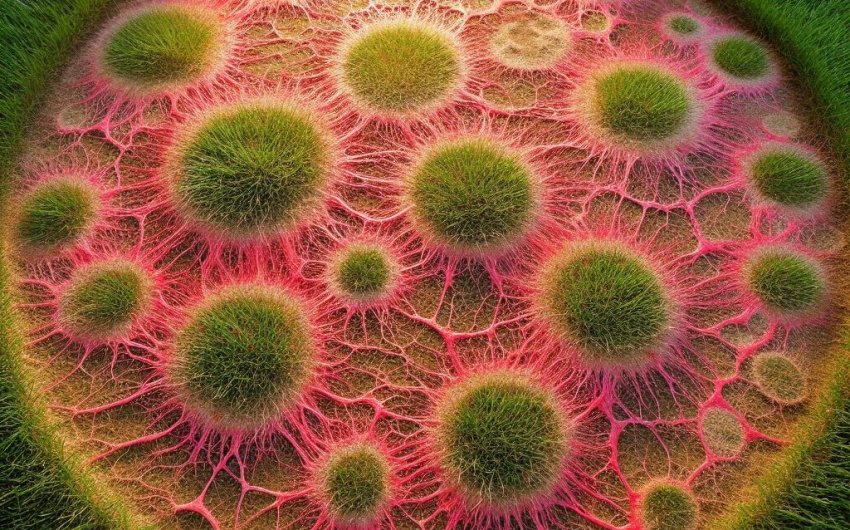
To treat Red Thread disease in your lawn, focus primarily on improving cultural practices, especially providing adequate nitrogen fertilization and reducing leaf wetness. Fungicides are generally a last resort for severe or persistent cases, as Red Thread rarely kills turf and can often be managed through good lawn care.
What is Red Thread Disease?
Red Thread disease is a common fungal infection that affects cool-season turfgrasses, particularly fescues, perennial ryegrass, and bentgrass. It's caused by the fungus Laetisaria fuciformis. While unsightly, it is generally considered a cosmetic disease that rarely kills the entire grass plant; instead, it affects the blades, causing patches of straw-colored or reddish-brown grass. Understanding this disease is the first step in learning how to treat Red Thread disease in your lawn.
Key Characteristics:
- Appearance: Red Thread typically appears as small, irregular patches (2-24 inches in diameter) of tan, pinkish, or reddish-brown grass. The patches often appear water-soaked or matted in the early stages.
- Distinctive Threads: The most definitive diagnostic symptom is the presence of fine, pinkish-red, thread-like structures (stroma or mycelium) that extend from the tips of the grass blades. These threads can be solitary or matted together, often resembling small, cottony growths. Sometimes, small, pinkish "antlers" (fungal structures) are visible on the blades.
- Affects Blades Only: Unlike some more severe diseases that attack the crown or roots, Red Thread primarily affects the leaf blades.
- Spore Dispersal: The red threads contain the fungal spores, which can be easily spread by wind, water, mowers, or foot traffic.
Red Thread is generally a sign of a stressed lawn, often due to nutrient deficiencies. Learning to identify it accurately allows you to implement effective strategies for how to treat Red Thread disease in your lawn.
What Environmental Conditions Favor Red Thread?
Understanding the environmental conditions that favor Red Thread is key to both preventing and learning how to treat Red Thread disease in your lawn. The fungus thrives in specific, often suboptimal, growing environments for turfgrass.
1. Temperatures:
- Cool to Mild: Red Thread is most active in cool to mild temperatures, typically between 60-75°F (15-24°C). This means it's common in late spring, early summer, and fall. It often subsides during hot, dry summer periods.
- Cool Nights: Cool nights that lead to prolonged dew formation can create favorable conditions.
2. Moisture and Humidity:
- Prolonged Leaf Wetness: This is a critical factor. Extended periods of moisture on the grass blades allow the fungal spores to germinate and infect. This can be due to:
- High humidity.
- Frequent, light watering that keeps the surface wet but doesn't encourage deep roots.
- Long periods of rain or drizzle.
- Heavy dew that persists into the late morning.
- Poor Air Circulation: Dense tree cover, tall shrubs, or even overly thick, matted turf can restrict airflow, trapping moisture and humidity around the grass blades.
3. Nutrient Deficiencies (Especially Nitrogen):
- Low Nitrogen: This is a primary predisposing factor for Red Thread. Lawns that are deficient in nitrogen are more susceptible to the disease because the grass is weakened and cannot grow vigorously enough to outcompete the fungus or repair itself quickly.
- Stress: Any other stressor that weakens the grass (e.g., compaction, drought stress, improper mowing height) can make it more vulnerable.
4. Thatch Buildup:
- A thick layer of thatch (dead and living organic matter between the soil surface and the green grass blades) can trap moisture and harbor fungal spores, providing a perfect breeding ground.
By recognizing and addressing these environmental factors, you can effectively manage Red Thread disease and promote overall lawn health, which is central to how to treat Red Thread disease in your lawn.
How Do You Diagnose Red Thread Disease?
Accurate diagnosis is the first and most important step in learning how to treat Red Thread disease in your lawn. Misdiagnosing can lead to ineffective treatments and continued lawn problems.
1. Observe General Symptoms:
- Patchy Appearance: Look for small, irregular patches of discolored grass, typically 2 to 24 inches (5 to 60 cm) in diameter.
- Coloration: The patches may appear tan, pinkish, or reddish-brown. Sometimes, the grass blades within the patches look somewhat water-soaked or matted.
2. Look for the Distinctive Red Threads (Crucial Step):
- This is the definitive characteristic that separates Red Thread from other lawn diseases.
- Timing: The red threads are often most visible during periods of high humidity or dew (e.g., in the early morning, especially after a cool night or rain).
- Where to Look: Carefully inspect the tips of individual grass blades within the affected patches.
- Appearance: You're looking for fine, hair-like, pinkish-red, or coral-colored strands that extend from the leaf tips. They can be very small and delicate. Sometimes they look like tiny, branched "antlers" or matted cottony growth.
- Magnifying Glass: A small magnifying glass can be very helpful for confirming the presence of these threads.
3. Differentiate from Other Diseases:
- Dollar Spot: Also forms circular spots, but Dollar Spot lesions on individual blades are tan with reddish-brown borders, and the fungal growth is a fine, silvery web-like mycelium (which disappears when dry), not distinct red threads.
- Brown Patch: Forms larger, more irregular circular patches with a "smoke ring" (dark, purplish-gray halo) around the edge in morning dew. It does not have red threads.
- Drought Stress: Grass simply turns brown uniformly, and there are no fungal threads.
4. Consider Environmental Factors:
- Timing: Does the disease appear during cool, moist periods (spring/fall)?
- Nutrient Levels: Have you recently fertilized? Lawns with low nitrogen are highly susceptible.
If you see the distinctive red threads, you can be confident in your diagnosis. This allows you to proceed with the targeted strategies for how to treat Red Thread disease in your lawn.
What are the Best Organic Strategies to Treat Red Thread?
For most home gardeners, organic strategies are the best way to treat Red Thread disease in your lawn, focusing on cultural practices rather than synthetic chemicals. Red Thread is primarily a sign of a stressed lawn, often a nutritional deficiency.
1. Nitrogen Fertilization (Most Effective Organic Strategy):
- Why it works: Red Thread thrives on nitrogen-deficient grass. Providing a quick boost of nitrogen helps the grass outgrow the disease, repair itself, and become more vigorous.
- Application:
- Organic Nitrogen Source: Apply a quick-acting, organic nitrogen fertilizer. Good options include:
- Liquid Seaweed or Fish Emulsion: These provide a fast-acting, gentle nitrogen boost and other micronutrients. Dilute according to label and apply with a sprayer. Liquid Seaweed Fertilizer or Fish Emulsion Fertilizer.
- Compost Tea: Brewed compost tea is rich in beneficial microbes and some nutrients, helping to boost plant health. Compost Tea Bags.
- Blood Meal: A granular organic nitrogen source. Sprinkle lightly and water in. Organic Blood Meal.
- Frequency: Apply a light dose of nitrogen every 2-4 weeks until the grass recovers.
- Organic Nitrogen Source: Apply a quick-acting, organic nitrogen fertilizer. Good options include:
- Caution: Avoid excessive nitrogen application, which can cause other issues like encouraging Brown Patch. A soil test can help determine overall nutrient needs.
2. Adjust Watering Practices:
- Water Deeply and Infrequently: Provide enough water to penetrate 4-6 inches into the soil when you water. This encourages deep root growth.
- Water in the Morning: Always water between 6 AM and 10 AM. This allows the grass blades to dry completely before nightfall, reducing the leaf wetness that Red Thread loves.
- Avoid Evening Watering: Never water in the late afternoon or evening, as this keeps the grass wet overnight and creates ideal conditions for fungal growth.
3. Improve Air Circulation:
- Proper Mowing Height: Mow at the higher end of the recommended range for your grass type (e.g., 2.5-3.5 inches). Taller grass can shade the soil and encourage stronger roots, but excessively tall grass can trap humidity if not mowed frequently enough.
- Prune Trees and Shrubs: Trim back overgrown branches or dense shrubs that cast heavy shade or block airflow over the lawn. More sunlight and air movement help dry out the grass.
- Dethatch (if necessary): If you have a thick thatch layer (more than 1/2 inch), consider dethatching. Thatch traps moisture and harbors fungal spores.
4. Practice Good Lawn Hygiene:
- Clean Mower Blades: Fungal spores can stick to mower blades. Clean your mower after mowing an infected area to prevent spreading the disease to healthy parts of the lawn.
- Bag Clippings (Temporarily): While generally good to mulch clippings, if you have an active Red Thread infection, it's best to bag and remove clippings from affected areas to reduce the spread of spores.
- Remove Dew: If possible for small areas, lightly drag a hose or pole over the lawn in the morning to knock off dew. This isn't practical for large lawns but can help.
By combining adequate nitrogen with cultural adjustments, you provide your lawn with the tools it needs to recover from Red Thread, making these the best organic strategies to stop Red Thread disease in your lawn.
When Should You Consider a Fungicide for Red Thread?
While organic strategies are often sufficient for how to treat Red Thread disease in your lawn, there are specific situations where considering a fungicide might be appropriate. Fungicides are generally seen as a last resort for this particular disease, as it rarely causes permanent damage.
Reasons to Consider a Fungicide:
- Aesthetic Intolerance: Red Thread, while not usually turf-killing, can be highly unsightly. If the visual appearance of your lawn is a top priority (e.g., a highly manicured lawn, golf green), and cultural practices haven't quickly resolved the issue, you might consider a fungicide.
- Persistent or Severe Outbreaks: If the disease is consistently recurring year after year, spreading aggressively, or cultural practices alone are simply not getting it under control despite diligent application, a targeted fungicide might be needed.
- Weakened Turf: If your lawn is severely weakened by other underlying issues (e.g., extreme compaction, severe drought stress combined with nutrient deficiency), and the Red Thread is adding significant additional stress, a fungicide might provide immediate relief while you work on long-term health improvements.
- Before Turfgrass Goes Dormant: If a severe outbreak occurs just before the grass naturally goes dormant (e.g., before summer heat for cool-season grasses, or before winter), a fungicide might protect the grass from further weakening.
Types of Fungicides:
- Chemical Fungicides: These are synthetic products designed to kill or suppress fungal growth. Look for products labeled for use on lawns that list Red Thread on the label. Active ingredients might include azoxystrobin, propiconazole, or chlorothalonil. Scotts DiseaseEX is a common home-use example.
- Organic/Natural Fungicides: Some natural products, such as those based on copper or sulfur, have fungicidal properties. While often effective against a broader range of diseases, their efficacy against Red Thread may be less direct than nitrogen, and they still require careful application. Garden Safe Copper Fungicide or Bonide Sulfur Plant Fungicide.
Important Considerations for Fungicide Use:
- Read the Label: Always follow product instructions precisely regarding mixing ratios, application rates, safety precautions, and re-application intervals.
- Timing: Fungicides are generally most effective when applied preventively (if you know Red Thread is a recurring problem for your lawn in specific seasons) or at the very first sign of disease. They are less effective on already dying grass.
- Coverage: Ensure even coverage across the affected area.
- Safety: Wear appropriate protective gear (gloves, eye protection, mask) when handling chemical fungicides. Keep pets and children off treated areas until dry.
- Integrated Approach: Fungicides are best used as a temporary measure in conjunction with improved cultural practices. They won't solve the underlying problem (e.g., nitrogen deficiency).
For most gardeners, focusing on nutrient management and cultural practices remains the best strategy for Red Thread disease. Fungicides are a tool to consider when those efforts are insufficient and the aesthetic impact is unacceptable.
How Does Proper Fertilization Prevent Red Thread Recurrence?
Proper fertilization, particularly ensuring adequate nitrogen, is the single most effective long-term strategy to prevent the recurrence of Red Thread disease in your lawn. It directly addresses the primary weakness that makes turf susceptible, making it a cornerstone of how to treat Red Thread disease in your lawn.
Why Nitrogen is Key for Prevention:
- Grass Vigor: Nitrogen is crucial for vigorous grass growth. It promotes lush, green foliage, strengthens grass blades, and helps the plant quickly recover from stress.
- Outgrowing the Disease: Healthy, well-nourished grass can essentially "outgrow" Red Thread. The fungus primarily affects leaf blades, and if the grass is rapidly producing new blades, it can effectively shed the diseased parts and maintain its overall healthy appearance.
- Increased Resistance: A robust, well-fed lawn is less susceptible to opportunistic fungal infections because its natural defenses are stronger.
Fertilization Strategy for Red Thread Prevention:
- Soil Test (Recommended): The best way to know your lawn's exact nutritional needs is to conduct a soil test every 2-3 years. This will tell you if you have specific deficiencies (including nitrogen) or imbalances in other nutrients or pH that might be contributing to grass stress.
- Balanced Nitrogen Application:
- Cool-Season Grasses: For cool-season lawns (which Red Thread typically affects), the majority of nitrogen should be applied in the fall (late August to November) and a smaller amount in the early spring (March/April). This timing encourages strong root development and lush top growth when the grass is most active.
- Avoid Excessive Summer Nitrogen: For cool-season grasses, avoid heavy nitrogen applications during the hot summer months, as this can encourage other diseases like Brown Patch.
- Slow-Release Fertilizers: Opt for slow-release nitrogen fertilizers, which provide a steady supply of nutrients over time, avoiding sudden flushes of growth that can be followed by periods of deficiency. Many Slow Release Lawn Fertilizers are available.
- Organic Fertilizers:
- Benefits: Organic fertilizers (like Milorganite, compost, blood meal, alfalfa meal, fish emulsion) release nutrients slowly, building long-term soil health and supporting beneficial soil microbes. They are less likely to "burn" the lawn or cause a sudden flush of weak growth.
- Application: Follow label directions for application rates and frequency. Regularly top-dressing with Organic Compost for Lawns is a great long-term strategy.
- Address Other Deficiencies: A soil test might reveal other nutrient deficiencies (phosphorus, potassium, iron) or pH imbalances that stress the grass. Correcting these will also contribute to overall lawn health and disease resistance.
By establishing a consistent, balanced fertilization program with an emphasis on nitrogen, especially during key growth periods, you significantly bolster your lawn's natural defenses, making it far less susceptible to Red Thread outbreaks. This proactive approach is the ultimate answer to how to treat Red Thread disease in your lawn for lasting health.
What are Other Cultural Practices for Long-Term Red Thread Prevention?
Beyond fertilization, several other cultural practices are essential for long-term Red Thread prevention and maintaining a healthy, resilient lawn. These strategies address the environmental factors that encourage the disease, solidifying your knowledge of how to treat Red Thread disease in your lawn.
1. Proper Mowing Techniques:
- Mowing Height: Mow at the higher end of the recommended range for your turf type (e.g., 2.5-3.5 inches for most cool-season grasses). Taller grass shades the soil, encourages deeper roots, and is generally more resilient to stress and disease. Avoid scalping (cutting too short).
- Mow Dry: Always mow your lawn when it's dry, ideally in the afternoon after the dew has evaporated. Mowing wet grass can spread fungal spores and lead to disease.
- Sharp Blades: Use a sharp mower blade. Dull blades tear grass blades, creating ragged wounds that are entry points for fungal pathogens. Sharpen blades every 10-12 hours of use or at least once per season.
- Bag Clippings (if disease active): While mulching clippings is generally beneficial, if you have an active Red Thread outbreak, bagging and removing clippings can help prevent the spread of fungal spores. Resume mulching once the disease is under control.
2. Improve Air Circulation:
- Prune Overhanging Trees and Shrubs: Trim branches that cast dense shade over your lawn, especially in areas that stay damp. This increases sunlight penetration and improves air circulation, helping the grass blades dry faster.
- Thin Dense Shrubbery: Ensure there's adequate spacing between shrubs and trees to allow for good air movement.
- Avoid Overcrowding: If overseeding, don't over-seed too densely, as overly thick turf can trap humidity.
3. Manage Thatch:
- What is Thatch: Thatch is a layer of dead and living organic matter (stems, roots) that accumulates between the soil surface and the green grass blades. A layer thicker than 1/2 inch (1.25 cm) can trap moisture, harbor fungal spores, and hinder water and nutrient penetration.
- Dethatching: If your lawn has a significant thatch layer, consider dethatching (also known as verticutting) in early fall or spring for cool-season grasses. You can rent a dethatcher or use a Manual Dethatching Rake.
- Aeration: Core aeration (removing small plugs of soil) is also excellent for thatch management and improving overall soil health, drainage, and oxygen flow to the roots. Manual Core Aerator or renting a machine.
4. Seed with Resistant Varieties:
- If you are overseeding or establishing a new lawn and Red Thread is a recurring problem in your area, choose grass seed varieties known for their resistance to Red Thread. Fine fescues and perennial ryegrasses often have varieties with improved resistance.
5. Proper Site Drainage:
- Address any areas of your lawn that consistently pool water or remain soggy for long periods after rain. Improve grading, install French drains, or create rain gardens to manage excess moisture.
By consistently applying these cultural practices in conjunction with optimal fertilization and watering, you create a robust, resilient turf that is far less susceptible to Red Thread, providing the most comprehensive answer to how to treat Red Thread disease in your lawn for lasting health.