
Why Lawn Edges Die: Causes and Solutions
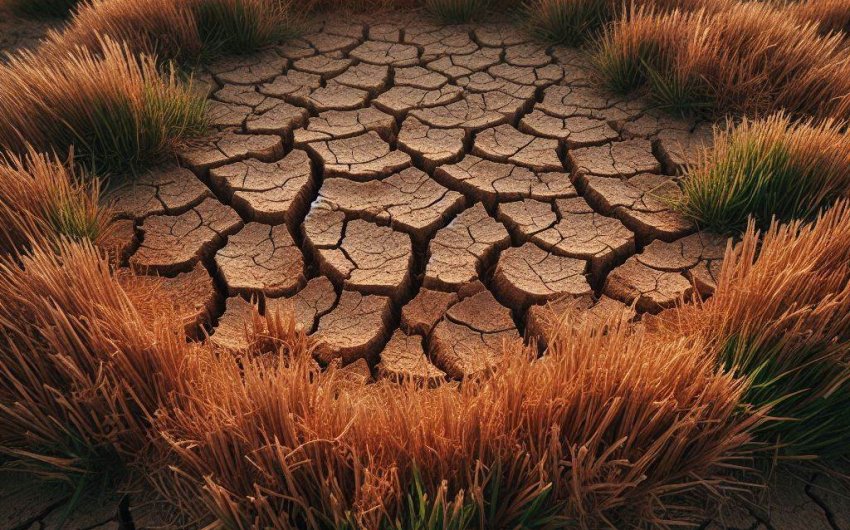
Lawn edges die due to a combination of environmental stresses, improper cultural practices, and sometimes pest or disease issues. Understanding these factors is key to diagnosing and solving the problem, restoring the vibrant green boundary to your yard.
Why Are My Lawn Edges Dying?
Dying lawn edges are a common frustration for homeowners. The grass along the perimeter of your lawn, bordering driveways, sidewalks, garden beds, or fences, often faces unique challenges that can lead to its decline. These areas are frequently subjected to more intense conditions than the rest of the lawn.
What Are the Environmental Causes of Dying Lawn Edges?
Environmental factors play a significant role in why lawn edges die. These external stresses often put the grass in these areas at a disadvantage.
Heat Stress and Reflection
Hard surfaces like concrete, asphalt, and even brick patios absorb and reflect heat, creating a much hotter microclimate along the edges of your lawn. This intense heat can literally cook the grass, causing it to dry out and turn brown. On hot summer days, the temperature right next to a driveway can be significantly higher than a few feet away in the middle of the lawn.
Lack of Water
Lawn edges are prone to drying out faster than the rest of the lawn. Several reasons contribute to this:
- Runoff: Water often flows off hard surfaces and away from the grass edges.
- Faster evaporation: Increased airflow and reflected heat accelerate evaporation.
- Competition: Nearby trees or shrubs in garden beds can compete aggressively for available moisture.
- Sprinkler Coverage: Often, sprinklers don't provide adequate overlap or reach the very edges of the lawn effectively, leaving these areas thirsty. This is especially true with oscillating sprinklers or those with limited range.
Poor Soil Quality
The soil along lawn edges can often be compacted or of poorer quality. During construction, these areas might have been walked on heavily, or topsoil might have been removed or spread too thin. Compacted soil makes it difficult for grass roots to penetrate and access water and nutrients, leading to weak, stressed grass that is more susceptible to dying off.
How Do Improper Cultural Practices Contribute to Dying Lawn Edges?
Beyond environmental challenges, the way we care for our lawns can inadvertently harm the edges. Improper maintenance techniques are a major cause of why lawn edges die.
Inconsistent Mowing Techniques
Mowing too short is a common culprit. Scalping the edges by setting your mower blade too low or repeatedly running mower wheels over the same spot puts immense stress on the grass. Short grass has shallower roots, making it less resilient to heat and drought. Additionally, turning sharp corners with a mower on the lawn edge can damage grass blades and compact the soil.
Edging Tool Damage
While edging creates a crisp, clean look, improper use of string trimmers (weed eaters) or edgers can be detrimental.
- Trimmer Burn: Allowing the nylon line of a string trimmer to "scalp" or fray the grass blades too deeply can cause irreversible damage, exposing the crown of the grass plant and leading to its death. This is particularly common when trying to achieve a very defined edge.
- Excessive Edging Depth: Digging too deep with a blade edger can cut off roots, weakening the grass along the edge.
Over-Fertilization or Chemical Spills
Applying fertilizers, herbicides, or even ice melt too heavily or spilling them along the edges can cause chemical burn. The concentrated chemicals can dehydrate and kill grass cells. This is especially problematic with "weed and feed" products if applied unevenly or in hot conditions. Always use a Broadcast Spreader for even application.
Pet Urine Damage
If pets frequently urinate along the same lawn edges, the high concentration of nitrogen salts in their urine can burn the grass, creating dead spots surrounded by unusually dark green growth. This is a common issue along property lines or fence rows where pets may mark their territory.
Can Pests and Diseases Cause Lawn Edges to Die?
While less common than environmental or cultural issues, pests and diseases can certainly target lawn edges and contribute to their decline. Stressed grass along the perimeter is often more susceptible.
Insect Pests
Certain insect pests can feed on grass roots or blades, leading to patches of dead or dying grass, often starting along the edges where the grass is already weakened.
- Grubs: These C-shaped larvae feed on grass roots, causing patches of grass to lift up like a carpet. Damaged areas often appear first along edges. Look for Grub Killer Granules if you suspect an infestation.
- Chinch Bugs: These tiny insects suck sap from grass blades, especially in hot, dry conditions. Their damage often appears as irregular, spreading brown patches, which can start at the edges.
- Sod Webworms: The larvae of these moths chew off grass blades near the soil surface.
Fungal Diseases
Fungal diseases thrive in specific conditions, such as prolonged moisture or humidity, and can affect stressed grass along edges.
- Brown Patch: Causes irregular, circular patches of brown grass, often with a smoky ring around the perimeter. Can be triggered by high humidity and temperatures.
- Dollar Spot: Small, silver-dollar sized spots of dead grass. Common in lawns with low nitrogen or extended periods of dew.
- Red Thread: Grass blades develop a reddish cast and look shredded, often with pinkish-red fungal threads. More prevalent in cool, wet conditions and low nitrogen.
Diagnosing fungal diseases often requires close inspection and understanding of environmental conditions. A good Lawn Disease Identification Guide can be helpful.
What Are the Solutions for Dying Lawn Edges?
Addressing dying lawn edges requires a multi-faceted approach, combining environmental adjustments with improved cultural practices and, if necessary, pest or disease management.
Improving Watering Practices
Proper watering is paramount.
- Adjust Sprinkler Heads: Ensure your irrigation system covers the edges effectively. You might need to adjust sprinkler heads or add targeted pop-up sprinklers for edge coverage. A Rain Bird 1804 Pop-Up Sprinkler offers good adjustability.
- Deep and Infrequent Watering: Water deeply to encourage deep root growth, then allow the soil to dry out between waterings. This makes grass more drought-tolerant.
- Hand Watering: For particularly stressed areas, consider hand watering the edges with a hose to ensure they receive enough moisture.
- Early Morning Watering: Water in the early morning to minimize evaporation and allow grass blades to dry before nightfall, reducing fungal disease risk.
Modifying Mowing and Edging Techniques
Small changes in how you mow and edge can make a big difference.
- Raise Mower Blade Height: Set your mower blade to a higher setting (typically 2.5-3 inches for most cool-season grasses, 2 inches for warm-season). Taller grass shades the soil, retains moisture, and promotes deeper roots.
- Avoid Scalping: Be mindful of not running mower wheels on the lawn edge repeatedly, which can scalp and compact.
- Proper Edger Use: When using a string trimmer, hold it horizontally or at a slight angle to "kiss" the grass blades rather than vertically "slicing" into them. For blade edgers, aim for a consistent, shallow cut that just defines the edge without severing many roots. A Greenworks Cordless Edger provides precision.
- Sharp Blades: Ensure your mower and edger blades are sharp. Dull blades tear grass, leaving ragged edges susceptible to disease.
Improving Soil Conditions
Better soil health leads to healthier grass.
- Aeration: Periodically aerate the compacted areas along the edges. A Manual Lawn Aerator can be effective for small areas, or rent a core aerator for larger lawns. This improves water and nutrient penetration.
- Topdressing: Apply a thin layer of compost or good quality topsoil to improve soil structure and fertility.
- Amendments: For extremely poor soil, consider incorporating organic matter like peat moss or compost during spring or fall.
Protecting from Reflected Heat
Mitigating heat reflection can save your lawn edges.
- Planting Borders: Consider planting heat-tolerant groundcovers or low shrubs along the edges of driveways or patios to provide some shade for the adjacent grass.
- Mulching: For garden beds bordering the lawn, maintain a good layer of mulch. This not only conserves moisture for the garden plants but also provides a buffer against heat radiating from hardscapes.
- Edging Material: Installing a physical edging material like Plastic Landscape Edging can help define the lawn and create a small buffer zone, though it won't eliminate reflected heat.
Addressing Nutrient Deficiencies or Excesses
A balanced approach to nutrition is vital.
- Soil Test: If you suspect nutrient issues, a soil test is the best way to determine specific deficiencies or excesses. Your local cooperative extension office can provide kits and recommendations.
- Balanced Fertilization: Use a balanced lawn fertilizer according to package directions, avoiding over-application, especially along edges. A slow-release granular fertilizer is generally preferred.
- Spot Treatment for Urine: For pet urine spots, immediately dilute with water, or consider using a lawn repair product designed to neutralize pet spots.
Managing Pests and Diseases
If pests or diseases are identified as the cause, targeted treatment is necessary.
- Accurate Identification: Correctly identify the pest or disease before treatment. Misdiagnosis can lead to ineffective solutions.
- Integrated Pest Management (IPM): Use an IPM approach, which emphasizes prevention and non-chemical controls first. This might include improving lawn health, beneficial nematodes for grubs, or proper watering to deter fungi.
- Targeted Treatments: If necessary, use appropriate pesticides or fungicides. Always read and follow product labels carefully. For general fungal issues, a BioAdvanced Fungus Control for Lawns can be effective.
Reseeding or Sodding Dead Patches
Once the underlying causes are addressed, you'll need to repair the dead areas.
- Prepare the Area: Rake out dead grass and loosen the top inch of soil.
- Overseeding: For bare spots, spread high-quality grass seed appropriate for your region. Lightly cover with a thin layer of topsoil or peat moss. Keep consistently moist until germination. A good quality Premium Grass Seed Mix is essential.
- Sodding: For larger or more critical areas, installing small pieces of sod can provide instant results. Ensure the sod makes good contact with the underlying soil and keep it well-watered until established.
What Are Some Preventative Measures to Keep Lawn Edges Healthy?
Prevention is always easier than cure when it comes to maintaining healthy lawn edges. By taking proactive steps, you can significantly reduce the likelihood of these areas dying off.
Regular Monitoring
Regularly inspect your lawn edges for any early signs of stress, browning, or pest activity. Catching problems early makes them much easier to resolve before they become widespread. Pay particular attention during periods of hot, dry weather.
Proper Sprinkler System Maintenance
Periodically check and adjust your sprinkler heads. Ensure they are not blocked by debris and that they are providing adequate, even coverage all the way to the very edge of your lawn. Consider installing specialized "edge" or "strip" nozzles designed for narrow areas if your current setup struggles with coverage.
Edging Consistency
Establish a consistent, shallow depth for your edging to prevent root damage. Rather than digging a deep trench, aim for a clean, shallow cut that visually defines the lawn. Using a good quality Manual Edging Tool can provide more control than a string trimmer for initial definition.
Healthy Overall Lawn Care
A healthy lawn is a resilient lawn. Many of the problems that affect lawn edges are simply exacerbated by overall poor lawn health.
- Proper Mowing Height: Consistently mow at the optimal height for your grass type.
- Appropriate Fertilization: Follow a balanced fertilization schedule based on your soil test results and grass type.
- Weed Control: Manage weeds effectively, as they compete with grass for resources.
- Aeration and Dethatching: Perform aeration and dethatching as needed to improve air, water, and nutrient penetration to the roots.
Creating Buffer Zones
Consider implementing a small buffer zone between your lawn and hardscapes or garden beds. This could be a 6-12 inch strip of mulch, decorative gravel, or even heat-tolerant groundcover that acts as a transition area. This not only protects the grass from reflected heat but also simplifies mowing and edging, preventing accidental damage.
Pet Management
If pet urine is a consistent issue, consider designated pet relief areas away from the main lawn, or dilute urine spots immediately with water. There are also specific lawn supplements designed to help neutralize the effects of pet urine.
By understanding why lawn edges die and implementing these practical solutions and preventative measures, you can maintain a beautiful, consistent green border around your entire yard.