
How to Control Rusty Brown Patches in Your Lawn?
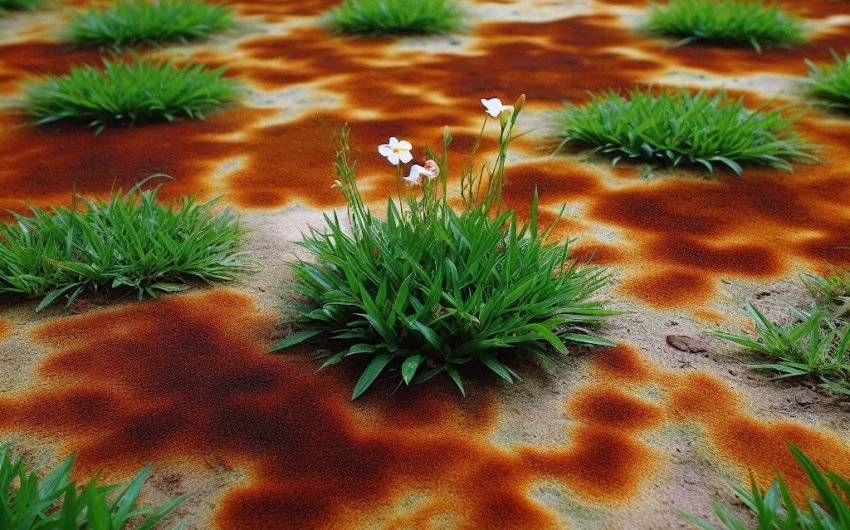
Discovering rusty brown patches in your lawn can be disheartening, transforming a vibrant green carpet into an uneven, discolored mess. These patches often point to common lawn issues, with fungal diseases like "Rust" being a prime suspect. Understanding the cause is the first step toward effective treatment. This guide will walk you through identifying, treating, and preventing these unsightly blemishes, helping you restore your lawn to its lush, healthy best.
What Causes Rusty Brown Patches in Lawns?
When you see those dreaded rusty brown patches, it's often a sign of stress or disease in your grass. While Rust disease is a very common culprit, other factors can also lead to similar discoloration.
Rust Disease
- What it is: Rust disease is a common fungal infection (caused by various Puccinia species) that affects many types of turfgrass. It's especially prevalent in perennial ryegrass, Kentucky bluegrass, and tall fescue.
- Appearance:
- Initially, you'll see small, yellowish-orange flecks on individual grass blades.
- These flecks develop into powdery, rusty orange or reddish-brown pustules.
- If you walk across an infected lawn, you might notice orange dust on your shoes.
- As the disease progresses, entire grass blades turn yellow, then brown, and eventually die, creating the larger brown patches.
- Conditions that Favor Rust:
- High Humidity: Prolonged periods of leaf wetness, often from heavy dew or light rain, are ideal for spore germination.
- Moderate Temperatures: Rust thrives in temperatures between 68°F and 85°F (20°C to 29°C), especially during late summer and early fall.
- Low Nitrogen Levels: Lawns with insufficient nitrogen fertilization are more susceptible.
- Drought Stress: While seemingly contradictory to humidity, dry soil conditions combined with humid air can make grass more vulnerable.
- Shade: Areas with poor air circulation and extended shade retain moisture longer.
Other Causes of Brown Patches
It's important to rule out other issues that can cause similar symptoms before treating for Rust.
- Drought Stress: Prolonged lack of water causes grass to turn yellow, then brown, and eventually go dormant or die. These patches usually appear uniformly across affected areas.
- Nutrient Deficiencies:
- Nitrogen Deficiency: Leads to overall yellowing or light green color before turning brown. It won't have the distinct orange dust of Rust.
- Iron Deficiency: Can cause yellowing between veins, but less likely to produce large brown patches without other underlying issues.
- Grub Damage: Grubs (larvae of beetles) feed on grass roots. This can cause irregularly shaped brown patches that lift up easily like a piece of carpet.
- Pet Urine: Dog urine, especially from female dogs, is high in nitrogen salts and can burn grass, creating distinct circular brown patches with a dark green ring around the edge.
- Compacted Soil: Hard, compacted soil restricts root growth and nutrient uptake, leading to thinning and browning of grass over time.
- Improper Mowing: Mowing too short (scalping) or with dull blades can stress grass and cause brown tips or patches.
- Chemical Spills: Accidental spills of gasoline, fertilizer, or herbicides can cause localized brown spots.
How Can I Identify Rust Disease in My Lawn?
Accurate identification is crucial for effective treatment. Here's how to confirm if Rust is the cause of your rusty brown patches.
- Visual Inspection: Look closely at individual grass blades.
- Are there tiny orange-yellow or reddish-brown spots (pustules)?
- Are these spots powdery?
- Do they look like fine dust?
- The "White Glove" Test: This is the most reliable home test.
- Put on a white glove or grab a white paper towel.
- Run your hand gently across the affected grass blades.
- If orange or reddish-brown powdery residue transfers to your glove or paper towel, you almost certainly have Rust disease. This powdery substance is made of fungal spores.
- Check for Honeydew: While less common with rust, sometimes insect issues can precede fungal problems. However, honeydew is primarily associated with sucking insects like aphids or scale, not directly with Rust fungus. Rust produces spores, not sticky honeydew.
- Consider Conditions: Think about the recent weather. Has it been warm and humid with prolonged dew? Has your lawn been under stress from drought or low fertility? These conditions increase the likelihood of Rust.
- Examine Growth Pattern: Rust often starts in patches and can spread. It typically begins on older grass blades, as newer growth is more resistant.
If the "white glove" test confirms the presence of rusty powder, you're dealing with Rust disease.
What Cultural Practices Help Control Rusty Brown Patches?
Many of the most effective ways to control rust are related to good lawn care practices. These methods reduce the conditions that allow the fungus to thrive and promote overall lawn health.
- Proper Fertilization: This is often the most critical step for combating Rust.
- Nitrogen: Rust thrives on nitrogen-deficient turf. Apply a balanced fertilizer with adequate nitrogen, especially in late summer or early fall. A slow-release nitrogen fertilizer, like Scotts Turf Builder WinterGuard, is often recommended.
- Avoid Over-Fertilizing: Too much nitrogen can also promote excessive succulent growth that might be more susceptible to other diseases. A balanced approach is key.
- Soil Test: Consider a soil test kit to understand your lawn's specific nutrient needs.
- Correct Mowing Practices:
- Mowing Height: Mow at the highest recommended height for your grass type (usually 2.5-3 inches or 6-7.5 cm). Taller grass blades are more resilient.
- Frequency: Mow frequently enough to avoid removing more than one-third of the grass blade at a time. This prevents stress.
- Sharp Blades: Use sharp mower blades. Dull blades tear the grass, creating entry points for disease.
- Collection: If Rust is present, bag your grass clippings instead of mulching them. This removes the fungal spores from the lawn and prevents them from spreading. Wash your mower deck thoroughly after mowing an infected lawn.
- Watering Wisely: Water deeply and infrequently.
- When to Water: Water in the early morning (before 10 AM). This allows the grass blades to dry completely before nightfall.
- Why Early Morning: Prolonged leaf wetness, especially overnight, is ideal for fungal growth. Avoid evening watering at all costs if you have Rust.
- Amount: Aim for 1 inch (2.5 cm) of water per week, either from rain or irrigation. Use a rain gauge to measure.
- Improve Air Circulation and Sunlight:
- Pruning: Trim back overhanging tree branches or shrubs that cast too much shade on your lawn. Increased sunlight and airflow help grass blades dry more quickly.
- Thatch Management: A thick layer of thatch (dead organic matter between the grass blades and soil) can trap moisture and harbor fungal spores.
- Dethatching: Dethatch your lawn if the layer is thicker than 1/2 inch (1.2 cm). This can be done in late spring or early fall. A dethatching rake or a power dethatcher can be used.
- Aeration: Core aeration (removing small plugs of soil) improves air and water penetration. This helps reduce compaction and improves overall turf health. Use an aerator tool or rent one.
- Overseeding with Resistant Varieties: If you're planning to reseed or overseed your lawn, choose grass varieties that are known to be rust-resistant. This is a long-term preventive measure.
- Cool-Season Grasses: Look for resistant cultivars of Kentucky bluegrass, perennial ryegrass, and tall fescue.
- Warm-Season Grasses: Some Zoysia and Bermuda grass varieties show resistance.
Are There Organic or Natural Treatments for Lawn Rust?
While cultural practices are the primary line of defense, some natural options can help reduce rust severity.
- Baking Soda Spray (Potassium Bicarbonate): This can help change the pH on the leaf surface, making it less hospitable for fungal growth.
- Recipe: Mix 1 tablespoon of baking soda (or potassium bicarbonate) with 1 gallon of water and a few drops of mild liquid dish soap (as a spreader-sticker).
- Application: Spray affected areas thoroughly. Reapply every 5-7 days, especially after rain or heavy dew, until the rust subsides.
- Caution: Test on a small, inconspicuous area first to ensure it doesn't harm the grass.
- Neem Oil: Neem oil is a natural fungicide and insecticide.
- Recipe: Mix neem oil concentrate according to package directions, usually with water and a small amount of mild soap.
- Application: Spray affected areas. Neem oil works best as a preventative or for very early stages of disease.
- Caution: Apply in the early morning or late evening to avoid sun scald and to minimize impact on beneficial insects.
- Compost Tea: Some gardeners believe compost tea can boost plant immunity and introduce beneficial microbes that suppress disease.
- Preparation: You can find recipes online or purchase compost tea bags.
- Application: Spray or drench the lawn. The efficacy for rust is debated, but it's generally good for soil health.
- Garlic Spray: Like with other plant diseases, some people use garlic as a natural fungicide.
- Recipe: Crush several garlic cloves, steep in water, strain, and dilute. Add a little soap as a wetting agent.
- Application: Spray on affected areas. Its effectiveness against widespread rust may be limited.
These natural methods are generally less potent than chemical fungicides but are a good starting point, especially if the infection is mild or you prefer to avoid synthetic products.
When Should I Consider Chemical Fungicides for Rust?
Chemical fungicides should be a last resort, used only when cultural practices and organic methods haven't controlled the Rust disease. Overuse can lead to resistance and harm beneficial soil microbes.
- Persistent or Severe Infestations: If rust continues to spread despite cultural improvements and natural treatments, or if a significant portion of your lawn is affected, a fungicide might be necessary.
- Specific Fungicide Types: Look for fungicides labeled for Rust disease on lawns. Common active ingredients include:
- Propiconazole (e.g., in Bonide Infuse Systemic Disease Control)
- Myclobutanil (e.g., in Spectracide Immunox Fungus Plus Insect Control for Lawns)
- Azoxystrobin
- Application:
- Follow Directions Strictly: Always read and follow the product label instructions for mixing ratios, application rates, safety precautions, and re-application intervals.
- Timing: Apply fungicides as soon as rust symptoms appear. Multiple applications may be needed.
- Coverage: Ensure thorough and even coverage of the affected areas.
- Safety: Wear appropriate personal protective equipment (gloves, eye protection) as recommended on the label.
- Integrated Approach: Even with fungicides, continue practicing good cultural methods (proper watering, mowing, fertilization). Fungicides provide a knock-down, but cultural practices maintain long-term health.
- Professional Help: If you're unsure about fungicide application or if the problem persists, consult with a local lawn care professional or extension agent.
How Can I Prevent Rusty Brown Patches from Returning?
Prevention is the most effective long-term strategy. By implementing a consistent lawn care regimen, you can significantly reduce the risk of future Rust outbreaks.
- Consistent Fertilization: Maintain a regular fertilization schedule that provides adequate, but not excessive, nitrogen. Perform a soil test every few years to guide your nutrient applications.
- Smart Watering: Stick to early morning watering. Aim for deep, infrequent irrigation to encourage deep root growth. Consider an irrigation timer for consistency.
- Optimal Mowing: Mow regularly at the correct height (typically 2.5-3 inches for most cool-season grasses). Keep mower blades sharp.
- Improve Drainage and Airflow: Address any areas of poor drainage. Continue to prune back shade-casting branches. Regular aeration and dethatching (as needed) will improve the overall health of your turf.
- Choose Rust-Resistant Grasses: If you're planning a new lawn or overseeding existing sparse areas, select grass seed blends that explicitly mention rust resistance on the label. This is a powerful preventative measure.
- Fall Clean-up: Rake up fallen leaves and debris in the fall. This removes potential overwintering sites for fungal spores.
- Monitor Your Lawn: Regularly inspect your lawn for any early signs of disease. The sooner you catch a problem, the easier it is to control. Pay extra attention during periods of warm, humid weather.
- Avoid Excessive Thatch: Keep thatch layers below 1/2 inch to prevent moisture trapping and fungal growth.
- Don't Overwater in Shady Areas: Shady spots stay moist longer. Be extra careful not to overwater these areas.
- Sanitation: If you've had a severe rust outbreak, clean your lawn equipment (mowers, trimmers) to prevent spreading spores to healthy areas or other properties. A simple bleach solution (1 part bleach to 10 parts water) can sanitize tools.
By diligently following these preventative measures, you'll create a healthier, more resilient lawn less susceptible to rust disease and other common issues that cause rusty brown patches.
Addressing Other Causes of Brown Patches
While Rust is a primary focus, remember to also address other potential causes if they seem to fit your lawn's symptoms.
For Drought Stress:
- Increase Watering: Deep, infrequent watering is key. If your lawn is in dormancy, a light watering every few weeks can help it survive until regular rains return.
- Hydrogel: Consider incorporating hydrogel crystals into the soil during planting or overseeding to help retain moisture.
For Nutrient Deficiencies:
- Soil Test: The best way to know what nutrients your soil lacks.
- Balanced Fertilization: Apply fertilizers that address the specific deficiencies found in your soil test.
For Grub Damage:
- Confirmation: Pull on the brown grass. If it lifts easily like a carpet, grubs are likely the cause. You might even see the C-shaped grubs in the soil.
- Treatment: Apply grub control products to your lawn. Some are preventative (applied in spring), others are curative (applied when damage is seen in late summer/early fall). Consult local extension offices for the best timing in your area.
- Beneficial Nematodes: A natural alternative to chemical grub control is to apply beneficial nematodes. These microscopic worms attack grub larvae.
For Pet Urine Spots:
- Dilution: Water the affected spot heavily immediately after your pet urinates.
- Pet-Friendly Grass Seed: Overseed spots with more urine-resistant grass types like fescue.
- Lawn Supplements for Pets: Some products claim to neutralize urine, but effectiveness varies.
- Designated Pet Area: Train your pet to use a specific area of the yard, perhaps covered with mulch or gravel.
For Compacted Soil:
- Aeration: Regular core aeration is the best way to relieve compaction. Do this annually or bi-annually, especially in high-traffic areas.
- Topdressing with Compost: Applying a thin layer of compost (1/4 to 1/2 inch) after aeration can slowly improve soil structure.
By understanding the diverse reasons behind rusty brown patches in your lawn and applying targeted solutions, you can effectively manage these issues. From cultural practices that build strong, healthy turf to more direct treatments for fungal diseases or pests, a comprehensive approach will lead to a beautiful, uniform green lawn once again.