
Effective Ways to Deal with Lawn Spurge Naturally
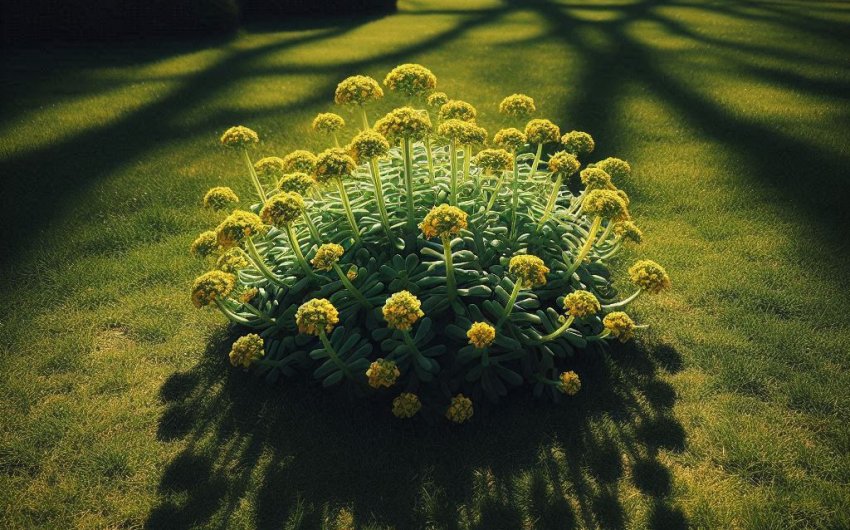
Finding effective ways to deal with lawn spurge naturally is a common goal for homeowners seeking an eco-friendlier approach to weed control. Spurge, with its low-growing, mat-forming habit and prolific seed production, can quickly become a pervasive nuisance in lawns and garden beds. Instead of resorting to harsh chemicals, various natural strategies can help you manage and even prevent this pesky weed, fostering a healthier overall landscape. By understanding spurge's lifecycle and vulnerabilities, you can implement targeted, chemical-free solutions.
What is Lawn Spurge and Why Is It So Troublesome?
Lawn spurge refers to several common species of weeds that are notorious for invading lawns, driveways, and garden beds. The most common types are prostrate spurge (Euphorbia prostrata) and spotted spurge (Euphorbia maculata).
- Appearance: Spurge typically forms dense, low-growing mats that hug the ground. Its stems radiate outwards from a central taproot. Leaves are often small, oval-shaped, and sometimes have a reddish spot in the center (spotted spurge) or reddish stems.
- White Milky Sap: A distinguishing characteristic of spurge is the milky white sap that oozes out when stems are broken. This sap can be irritating to skin and eyes, so wear gloves when handling it.
- Annual Weed: Most common spurge varieties are annual weeds, meaning they complete their life cycle within one growing season. They germinate, grow, produce seeds, and then die, but their numerous seeds ensure they return year after year.
- Warm-Season Weed: Spurge thrives in warm weather. It typically germinates in late spring or early summer when soil temperatures rise and continues to grow vigorously through the summer and early fall until the first hard frost.
- Prolific Seeder: This is why spurge is so troublesome. A single spurge plant can produce thousands of tiny seeds, which are ejected from seed pods and can spread widely. These seeds can remain viable in the soil for several years, ensuring a continuous supply of new weeds.
- Compacts Soil: Its mat-forming growth can crowd out desirable lawn grasses and compete for water and nutrients. It also tends to grow well in compacted, poor soils.
Why Should I Choose Natural Methods to Control Spurge?
Opting for natural methods over chemical herbicides offers numerous advantages for your lawn, your family, and the environment.
- Environmental Safety:
- No Harmful Runoff: Chemical herbicides can leach into groundwater or run off into storm drains, contaminating streams, rivers, and lakes. Natural methods prevent this pollution.
- Beneficial Organisms: Chemicals can kill beneficial soil microbes, earthworms, and insects (like pollinators) that are crucial for a healthy ecosystem. Natural approaches promote biodiversity.
- Pet and Child Safety:
- No Chemical Exposure: Children and pets often play on lawns. Using natural methods eliminates the risk of exposure to potentially harmful synthetic chemicals.
- Immediate Access: You don't have to worry about "re-entry intervals" or keeping family members off the lawn after application.
- Long-Term Soil Health:
- Enhances Soil Structure: Many natural methods, like improving soil health through organic matter, actually improve the soil structure over time, making it less hospitable to weeds and more conducive to healthy grass.
- Sustainable: Focuses on prevention and ecosystem balance rather than quick fixes that might degrade soil health over time.
- Cost-Effective: While some natural products have an initial cost, ongoing practices like proper mowing, watering, and soil amendment can reduce the need for expensive chemical treatments in the long run.
- Targeted Approach: Many natural methods require more hands-on involvement, which allows for more precise targeting of the weeds, reducing accidental damage to desired plants.
What Are the Best Manual and Mechanical Ways to Remove Spurge?
For immediate and effective spurge control, especially for smaller infestations, manual removal is often the most direct and chemical-free approach.
Hand-Pulling Spurge
This is the most straightforward method and highly effective, especially when spurge plants are young.
- When to Pull: Pull spurge when it's small and before it produces seeds. Early detection is key.
- Tools: A hand weeder tool or a dandelion fork can be very helpful for getting under the taproot.
- Technique:
- Moist Soil: It's easiest to pull spurge from moist soil. Water your lawn or garden bed a few hours before weeding.
- Grab at the Base: Grasp the plant firmly at the base where all the stems meet the central taproot.
- Pull Straight Up: Pull slowly and steadily straight up to ensure you remove the entire taproot. If the taproot breaks off, the plant can regrow.
- Wear Gloves: The milky sap can irritate skin, so wear gardening gloves.
- Disposal: Do not put spurge plants with seeds in your compost pile unless you're sure your compost pile reaches and maintains high temperatures that kill weed seeds (very few home compost piles do). Bag them and dispose of them with regular waste.
- Pros: Highly effective, no chemicals, immediate results.
- Cons: Labor-intensive for large infestations, requires consistency.
Hoeing Spurge
For larger areas in garden beds or unplanted areas, a hoe can quickly clear spurge.
- Tool: A sharp garden hoe or a stirrup hoe (oscillating hoe).
- Technique:
- Shallow Cuts: Use the hoe to cut the spurge just below the soil surface, severing the taproot.
- Dry Conditions: Hoeing is often most effective in dry conditions, as the severed weeds will quickly dry out and die.
- Pros: Faster than hand-pulling for wide areas.
- Cons: Can disturb the soil, potentially bringing new weed seeds to the surface. Less effective for spurge already established in a dense lawn.
Smothering with Mulch
Mulch is an excellent natural weed barrier for garden beds.
- Material: Use a thick layer (2-4 inches) of organic mulch like wood chips, straw, shredded leaves, or bark.
- Technique: Apply mulch directly over areas where spurge is (or was). The mulch blocks sunlight, preventing seeds from germinating and suppressing existing plants.
- Pros: Excellent long-term weed control, retains soil moisture, improves soil health, attractive.
- Cons: Not suitable for lawns, can be costly for large areas, needs to be replenished periodically.
Flaming Weeds (Spot Treatment)
For paved areas like cracks in driveways or sidewalks, a weed flamer can quickly kill spurge.
- Tool: A propane weed torch.
- Technique: Briefly apply heat to the spurge plant. You don't need to burn it to a crisp; just heat it enough to make it wilt. The heat ruptures the plant cells, causing it to die.
- Safety: Always follow safety instructions. Keep water nearby, avoid dry areas that could catch fire, and use caution around flammable materials.
- Pros: Chemical-free, fast, effective on hard surfaces.
- Cons: Fire hazard, not for use in lawns or near desirable plants, only kills top growth (taproot may survive, requiring repeat applications).
How Can I Prevent Spurge Naturally Through Good Lawn Care?
Prevention is the most effective long-term strategy against spurge. A healthy, dense lawn is your best defense.
Proper Mowing Height
- Keep it Taller: Mow your lawn at the highest recommended setting for your grass type, typically 2.5 to 3.5 inches.
- Why it Works: Taller grass shades the soil, blocking sunlight that spurge seeds need to germinate. A dense, tall canopy also outcompetes spurge for resources. Short mowing weakens grass and creates open areas for weeds.
Smart Watering Practices
- Deep and Infrequent: Water your lawn deeply but infrequently. This encourages grass roots to grow deep, making the lawn more resilient.
- Avoid Frequent, Shallow Watering: Shallow watering promotes shallow grass roots, making the lawn weaker. It also keeps the top layer of soil consistently moist, which is ideal for spurge seed germination.
- Why it Works: A strong, deep-rooted lawn is better able to compete with weeds for water and nutrients.
Improving Soil Health
- Soil Test: Start with a soil test kit to understand your soil's pH and nutrient levels.
- Add Organic Matter: Incorporate compost or other organic materials into your soil. Compost improves soil structure, drainage, and nutrient availability, creating a healthier environment for grass and a less hospitable one for weeds.
- Aeration: If your soil is compacted (spurge loves compacted soil), consider aerating your lawn, especially in high-traffic areas. You can use a manual aerator or rent a core aerator.
- Why it Works: Healthy, well-draining soil with good air circulation promotes strong grass growth, which naturally outcompetes weeds.
Overseeding the Lawn
- Fill Bare Spots: If you have thin or bare spots in your lawn, overseed them with desirable grass seed. Spurge thrives in bare patches.
- When to Overseed: The best time to overseed is usually in late summer or early fall for cool-season grasses, or late spring/early summer for warm-season grasses.
- Why it Works: A thick, dense lawn leaves no room for weed seeds to germinate and establish.
Proper Fertilization
- Feed Your Lawn, Not the Weeds: Fertilize your lawn appropriately for your grass type and soil test results.
- Slow-Release Organic Fertilizers: Use a slow-release organic lawn fertilizer. This provides steady nutrients to your grass, promoting strong growth without sudden flushes that can benefit weeds.
- Why it Works: A well-fed, vigorous lawn can outcompete weeds for resources, reducing the chances of spurge invasion.
Are There Any Natural Herbicides or Sprays for Spurge?
While manual removal and cultural practices are primary, some natural sprays can offer spot treatment or limited control for spurge. Always test on a small area first.
Horticultural Vinegar (Acetic Acid)
- Concentration: Use horticultural vinegar (acetic acid) with a concentration of 10-20% or higher. Household vinegar (5%) is generally too weak for effective weed control.
- How it Works: The high acetic acid content rapidly dehydrates and kills plant tissue on contact.
- Application: Spray directly onto spurge plants, ensuring good coverage. Avoid spraying desirable plants, as it is non-selective and will kill anything it touches.
- Pros: Fast-acting, non-toxic, breaks down quickly in the soil.
- Cons: Non-selective (kills grass too), generally only kills top growth (may require repeat applications for tap-rooted weeds), can be irritating to skin and eyes, ineffective on mature, woody weeds.
- Safety: Wear protective gloves and eye protection.
Boiling Water
- How it Works: Extremely simple and effective. The hot water scalds and kills the plant cells.
- Application: Carefully pour boiling water directly onto spurge plants, especially effective in cracks in pavement or isolated areas.
- Pros: No chemicals, very cheap, immediate results.
- Cons: Non-selective (will kill any plant it touches, including grass), fire hazard if near dry materials, not practical for large areas, can be dangerous to handle.
Corn Gluten Meal (Pre-Emergent)
- Type: Corn gluten meal is a natural pre-emergent herbicide. This means it works by inhibiting seed germination. It will not kill existing spurge plants.
- Application: Apply in early spring before spurge seeds germinate (when soil temperatures are consistently around 55-60°F or 13-16°C). Timing is crucial.
- How it Works: It releases peptides into the soil that disrupt the root development of germinating seeds. It also provides a natural source of nitrogen, fertilizing your lawn. Look for organic corn gluten meal.
- Pros: Prevents new weeds from sprouting, fertilizes the lawn, safe for pets and children.
- Cons: Only works on seeds that haven't germinated, can inhibit germination of desirable grass seeds if applied at the wrong time (wait at least 6-8 weeks after application before seeding grass), results are not immediate.
- Note: It takes consistent annual application over several years to significantly reduce the weed seed bank.
Horticultural Soap Sprays
- How it Works: These soaps disrupt the waxy cuticle on plant leaves, causing dehydration and death.
- Application: Mix insecticidal soap (or a mild dish soap, though less effective) with water and spray directly onto spurge.
- Pros: Relatively safe, works on contact.
- Cons: Requires direct contact with leaves, effectiveness can vary, may not kill roots, not practical for large infestations.
How Do I Maintain a Spurge-Free Lawn Long-Term Naturally?
Long-term success in dealing with spurge naturally comes down to consistent, proactive lawn care and prevention. It's a marathon, not a sprint.
Be Vigilant with Weeding:
- Early Detection: Inspect your lawn and garden beds frequently, especially during warm weather. Catch spurge when it's small, ideally before it starts flowering and producing seeds.
- Immediate Removal: Pull or hoe spurge as soon as you spot it. This is the most important step in preventing future infestations.
- Don't Let Them Go to Seed: If you see a spurge plant that has started to flower or produce seeds, remove it immediately and dispose of it carefully (not in compost).
Optimize Lawn Health:
- Continue Proper Mowing: Maintain a higher mowing height consistently.
- Deep Watering: Stick to deep, infrequent watering to encourage deep roots.
- Aeration and Dethatching (as needed): Address soil compaction and excessive thatch, which can weaken grass and create opportunities for weeds.
- Right Grass Type: Ensure you have the right grass type for your climate and sun conditions. Healthy grass outcompetes weeds.
Enhance Soil Biology:
- Regular Top-Dressing with Compost: Annually apply a thin layer of compost to your lawn (similar to raised beds). This continually improves soil health, encourages beneficial microbes, and makes the soil less hospitable to spurge. Use a compost spreader for large lawns.
- Organic Fertilizers: Stick to organic fertilizers that feed the soil life, creating a more robust ecosystem.
Strategic Overseeding:
- Fill Gaps Annually: Plan to overseed your lawn annually or biannually, especially if you have areas that tend to thin out. A dense stand of grass is the best weed barrier.
- Right Time, Right Seed: Use high-quality grass seed appropriate for your region and applied at the correct time of year.
Mulch Garden Beds:
- Consistent Mulching: Maintain a 2-4 inch layer of organic mulch in all garden beds. This physically blocks spurge from germinating and makes any rogue weeds easy to pull.
Edge Control:
- Maintain Edges: Keep lawn edges along driveways, sidewalks, and garden beds trimmed and clear. These are common entry points for spurge, as the concrete absorbs heat and creates ideal germination conditions. Regularly pull or flame spurge in these areas.
Consider Permaculture Principles:
- Groundcovers: In areas where turf grass struggles, consider planting desirable groundcover plants that will outcompete weeds and offer continuous cover.
By focusing on these proactive and holistic methods, you can effectively deal with lawn spurge naturally, creating a healthier, more resilient landscape that naturally resists weed invasions.