
What to Do When Your Lawn Shows Signs of Iron Deficiency?
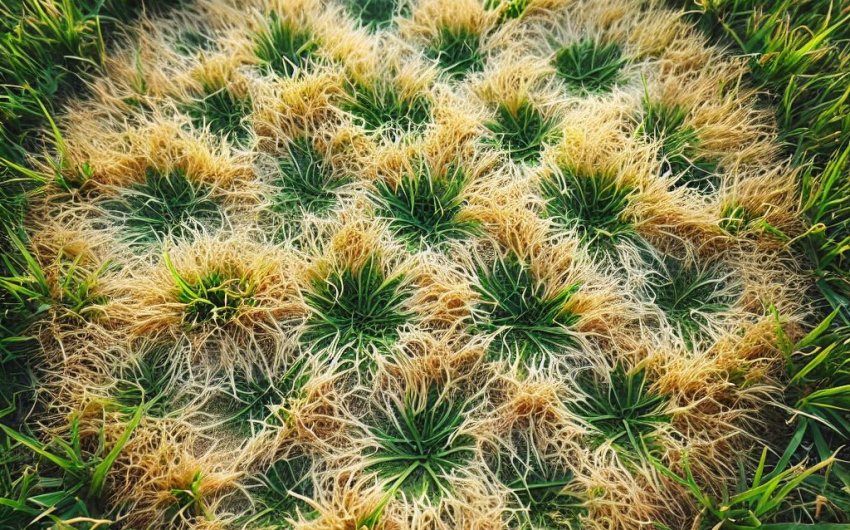
When your lawn loses its vibrant green hue and starts looking pale or yellow, it might be showing signs of iron deficiency. While not as commonly discussed as nitrogen, iron is a crucial micronutrient for healthy grass, playing a vital role in chlorophyll production. Understanding the symptoms, causes, and effective solutions for lawn iron deficiency can help you restore your turf's lush, deep green color and overall vitality.
What Are the Signs of Iron Deficiency in Your Lawn?
Recognizing the symptoms of iron deficiency is the first step in addressing the problem. It often gets confused with other issues, so knowing the specific signs is important.
Key Visual Symptoms
- Interveinal Chlorosis: This is the most classic symptom. The grass blades will turn yellow, but the veins of the leaves will remain green. This creates a distinctive striped or streaked appearance on individual blades.
- Overall Yellowing or Pale Green Color: Instead of a deep, rich green, your lawn will appear uniformly pale green, yellowish-green, or even distinctly yellow. This yellowing might be more pronounced on newer growth.
- Stunted Growth: Iron-deficient grass may grow more slowly and appear weaker than healthy grass.
- Reduced Density: Over time, if left untreated, the weak grass may thin out, making the lawn look sparse.
- Symptoms on New Growth: Iron is an immobile nutrient in plants, meaning it doesn't move easily from older to newer leaves. Therefore, iron deficiency symptoms are typically most visible on the newest grass blades and at the tips of the shoots. Older leaves may remain greener for longer.
Differentiating from Other Lawn Problems
Many factors can cause a lawn to yellow, so it's essential to rule out other common issues.
- Nitrogen Deficiency: While both cause yellowing, nitrogen deficiency typically results in a more uniform yellowing across the entire grass blade and affects older leaves first. The grass might also be growing very slowly.
- Overwatering/Poor Drainage: Saturated soil starves roots of oxygen, leading to overall yellowing, wilting, and possibly a slimy texture. This often happens in low-lying areas or compacted soil.
- Compaction: Grass in compacted soil struggles to absorb water and nutrients, leading to general stress and yellowing.
- Pest Damage: Insects like grubs or chinch bugs cause irregular brown or yellow patches, often with distinct patterns. Digging in the soil or looking closely at the grass blades can reveal the culprits.
- Disease: Fungal diseases (e.g., rust, dollar spot) cause specific patterns of discoloration, spots, or lesions on the grass blades. Rust, for example, leaves orange or brownish-red powdery spores.
- Herbicide Damage: Accidental overspray or misapplication of herbicides can cause patchy yellowing or browning, often with distinct lines or patterns.
- Nutrient Lock-out due to pH: This is closely related to iron deficiency. If the soil pH is too high, iron might be present but unavailable to the grass roots, leading to iron deficiency symptoms even if iron levels in the soil are adequate.
If you suspect iron deficiency, a soil test is the most accurate way to confirm it and rule out other underlying soil problems.
Why Does Lawn Iron Deficiency Occur?
Even if iron is naturally present in your soil, certain conditions can prevent your grass from absorbing it effectively, leading to iron deficiency. It's not always about a lack of iron in the soil itself.
High Soil pH
This is the most common reason for iron deficiency in lawns.
- Iron Availability: Iron is most available to plants in slightly acidic to neutral soil (pH between 6.0 and 7.0).
- Alkaline Soil: When soil pH is too high (above 7.0-7.5, especially in areas with calcareous soil or heavy lime use), iron becomes "tied up" or insoluble. This means it's present in the soil, but the grass roots cannot absorb it, leading to iron deficiency symptoms. This phenomenon is known as iron chlorosis.
- Common in Arid Regions: Soils in drier climates often have naturally higher pH due to less leaching of basic minerals.
Compacted Soil
- Restricted Root Growth: Compacted soil is dense, making it difficult for grass roots to grow deeply and spread out.
- Reduced Oxygen: Compaction also limits the oxygen available to roots. Iron absorption is an active process that requires oxygen.
- Poor Water Penetration: Water struggles to penetrate compacted soil, leading to stressed roots that are less efficient at nutrient uptake, including iron.
Poor Drainage
- Waterlogging: Continually wet or waterlogged soil reduces oxygen levels around the roots.
- Root Damage: Prolonged anaerobic (low oxygen) conditions can damage or kill root hairs, which are responsible for absorbing water and nutrients like iron.
- Leaching: In very sandy soils with excessive drainage, some nutrients, including trace elements, can leach out too quickly.
Excessive Phosphorus
- Nutrient Imbalance: While phosphorus is an essential nutrient, too much of it can interfere with the uptake of iron and other micronutrients.
- Competition: High levels of phosphorus can chemically bind with iron in the soil, making it unavailable to plants, particularly in soils with a higher pH. This is why it's important not to over-fertilize with phosphorus if it's not needed.
Low Organic Matter
- Nutrient Holding Capacity: Organic matter acts like a sponge, holding onto water and nutrients and making them available to plants.
- Microbial Activity: Healthy organic matter supports a diverse microbial community, which plays a role in making nutrients, including iron, available in the soil.
- Chelation: Organic compounds in healthy soil can chelate iron, keeping it in a soluble form that grass can readily absorb.
Excessive Nitrogen (Less Common, Indirect)
- Rapid Growth: Too much nitrogen can cause a rapid flush of top growth. While this seems desirable, it can outpace the plant's ability to absorb other necessary nutrients like iron, leading to a temporary or induced iron deficiency in the new growth.
- Dilution Effect: Rapid growth can "dilute" the concentration of micronutrients within the plant.
Understanding these underlying causes is vital because simply adding more iron to the soil might not solve the problem if the soil pH or compaction is preventing its uptake. A soil test is your best tool for pinpointing the exact reason for your lawn's iron deficiency.
How Do You Confirm Iron Deficiency?
Before you start applying iron supplements, it's wise to confirm that iron deficiency is indeed the problem. This prevents wasting time and money on the wrong solutions.
The Importance of a Soil Test
- Definitive Diagnosis: A professional soil test is the most accurate way to confirm if your soil has sufficient iron and, more importantly, if its pH is in the optimal range for iron availability.
- Comprehensive Data: Beyond iron, a soil test will tell you the levels of major nutrients (nitrogen, phosphorus, potassium), other micronutrients, and the percentage of organic matter. This holistic view helps you identify any other contributing factors to your lawn's health issues.
- Personalized Recommendations: The test results usually come with specific recommendations for fertilizers and amendments needed to balance your soil.
- How to Get One: Contact your local cooperative extension office or a reputable university extension for instructions on how to collect and submit a soil sample. They often provide affordable testing services. You can also use a home test kit like the Rapitest 1818 Soil Test Kit for basic information, but professional labs offer more detailed analysis.
Visual Confirmation Test (Trial Application)
If you suspect iron deficiency but haven't gotten a soil test back yet, you can perform a small-scale trial application.
- Select a Test Area: Choose a small, visibly yellowed area of your lawn (e.g., a 2-foot by 2-foot patch) that is representative of the general thinning.
- Apply Iron Supplement: Apply a liquid chelated iron supplement specifically designed for lawns to this small test patch. Follow the product's dilution and application rate instructions precisely. A good option might be Ironite Plus 1-0-1 Liquid Lawn Supplement.
- Observe: Over the next 7-14 days, carefully observe the test patch.
- Results:
- If the patch greens up significantly and turns a deeper green than the surrounding yellowed lawn, it's a strong indicator that iron deficiency is indeed the primary problem.
- If there's no noticeable change, the yellowing is likely due to another issue (e.g., nitrogen deficiency, compaction, disease, or pests), and you should await your soil test results for further guidance.
This visual test can provide quick confirmation and guide your next steps while waiting for detailed soil analysis.
What Are the Best Ways to Fix Iron Deficiency in Your Lawn?
Once you've confirmed iron deficiency, addressing it involves a multi-pronged approach, focusing on both immediate green-up and long-term soil health.
Immediate Solutions: Applying Iron Supplements
For a quick green-up, especially if soil pH is the issue, direct iron application can be effective.
- Chelated Iron Products: This is generally the most effective way to deliver iron to your lawn. Chelated iron means the iron molecule is bonded with an organic compound (the chelating agent) that protects it from binding with other elements in the soil and keeps it available for plant uptake, even in high pH soils.
- Liquid Chelated Iron: These products are often sprayed onto the grass blades (foliar application) for very rapid absorption and a quick green-up, often within days. A product like Southern Ag Chelated Liquid Iron is a popular choice. Apply according to label directions, typically in the early morning or late afternoon to avoid burning the leaves in hot sun.
- Granular Chelated Iron: These are applied to the soil and offer a slower, more sustained release of iron.
- Iron Sulfate: Also known as ferrous sulfate, this is a more traditional iron supplement. It's often less expensive than chelated forms but can be less effective in high pH soils as it readily binds with other elements. It can also cause staining on concrete, so apply with care.
- Common Products: Look for products specifically labeled for lawns that contain iron. Some popular brands offer iron-rich fertilizers or standalone iron supplements. Examples include Ironite (a granular mineral supplement) or various liquid iron sprays.
- Timing of Application: Apply iron supplements when grass is actively growing. Early spring and fall are often ideal for cool-season grasses, and late spring/early summer for warm-season grasses. Avoid applying during periods of extreme heat or drought stress.
Long-Term Solutions: Addressing Underlying Causes
For a lasting solution, you must address the root causes identified in your soil test.
- Adjusting Soil pH:
- If pH is too high (Alkaline): This is often the main culprit. You need to lower your soil pH to make iron more available.
- Elemental Sulfur: This is the most common and effective way to lower soil pH. It works slowly as soil microbes convert it to sulfuric acid. Apply at recommended rates based on your soil test.
- Sphagnum Peat Moss: While not as potent as sulfur, incorporating peat moss can slightly lower pH and add organic matter.
- Acidifying Fertilizers: Some fertilizers are formulated with ammonium sulfate or other acidifying agents that can gradually lower pH over time.
- If pH is too low (Acidic): This is less likely to cause iron deficiency directly, but too low pH can create other nutrient deficiencies. You would apply lime to raise the pH.
- If pH is too high (Alkaline): This is often the main culprit. You need to lower your soil pH to make iron more available.
- Improve Soil Aeration and Drainage:
- Core Aeration: This process removes plugs of soil, relieving compaction and improving air and water penetration, which are crucial for healthy root growth and nutrient uptake. Do this once a year, typically in fall for cool-season grass or late spring/early summer for warm-season grass.
- Topdressing with Organic Matter: Applying a thin layer of compost (1/4 to 1/2 inch) annually or biennially greatly improves soil structure, drainage, and water retention. It also adds beneficial microbes that help make nutrients available.
- Balanced Fertilization:
- Avoid Excessive Phosphorus: If your soil test shows high phosphorus, select a fertilizer with a low or zero phosphorus content (the middle number in the N-P-K ratio).
- Slow-Release Options: Use slow-release fertilizers that provide a steady supply of nutrients, preventing rapid flushes of growth that can outpace iron uptake.
- Soil Test Guidance: Always use your soil test results to guide your fertilization strategy.
Cultural Practices to Support Iron Uptake
- Proper Watering: Water deeply and infrequently to encourage deep root growth. Shallow, frequent watering leads to shallow roots that are less efficient at absorbing nutrients.
- Mow at the Right Height: Taller grass (mowed at 2.5-3.5 inches for most lawns) promotes deeper root systems, which are better equipped to seek out nutrients.
- Manage Thatch: Excessive thatch (a layer of dead and living organic matter between the soil surface and the green grass blades) can hinder water and nutrient penetration. Dethatching when thatch exceeds 1/2 inch can improve soil access.
By combining immediate iron supplementation with long-term solutions that correct underlying soil issues and maintain healthy cultural practices, you can effectively resolve lawn iron deficiency and enjoy a vibrantly green lawn.
How Can You Prevent Iron Deficiency in the Future?
Once you've fixed your lawn's iron deficiency, establishing a proactive routine is key to preventing its recurrence and maintaining a consistently healthy, deep green turf. Prevention often involves smart soil management and cultural practices.
Regular Soil Testing
- Annual or Biennial: Make soil testing a regular part of your lawn care routine, ideally every 1-3 years. This allows you to monitor your soil pH and nutrient levels before they become problematic.
- Informed Decisions: The test results will guide your fertilization and amendment choices, ensuring you apply exactly what your lawn needs, avoiding imbalances that can lead to iron deficiency or other issues.
Maintaining Optimal Soil pH
- Monitor and Adjust: Based on your soil test, proactively apply elemental sulfur (to lower pH) or lime (to raise pH) as needed.
- Gradual Changes: Remember that soil pH adjustments happen slowly. It can take months or even a year for significant changes to occur. Plan your applications accordingly.
- Consider Soil Type: Sandy soils change pH more quickly than heavy clay soils.
Consistent Organic Matter Management
- Leave Grass Clippings: Continue to return grass clippings to your lawn when you mow. They are a natural source of organic matter and nutrients.
- Regular Topdressing: Annual or biennial applications of a thin layer of high-quality compost will consistently replenish organic matter, improve soil structure, and support healthy microbial activity that makes nutrients available.
- Humic/Fulvic Acids: Consider using liquid or granular products containing humic acid and fulvic acid as part of your regular fertilization program. These organic compounds enhance nutrient availability, including iron, and improve overall soil health. An example is Advanced Nutrients True Organic Humic/Fulvic Blend.
Smart Fertilization Practices
- Balanced Fertilizers: Choose fertilizers that provide a balanced blend of macro- and micronutrients. Pay attention to the guaranteed analysis to ensure it includes essential trace elements.
- Slow-Release Options: Prioritize slow-release fertilizers to provide a steady, consistent supply of nutrients and reduce the risk of nutrient lock-up or over-fertilization.
- Avoid Excess Phosphorus: Be mindful of phosphorus levels, especially if your soil test indicates sufficient amounts. High phosphorus can hinder iron uptake.
- Sustained Iron Applications (if pH is stubbornly high): If your soil naturally has a very high pH and lowering it significantly is challenging, you may need to plan for regular, light applications of chelated iron supplements as part of your ongoing lawn care regimen to ensure consistent green color.
Proper Watering and Aeration
- Deep and Infrequent Watering: Stick to this principle year-round. It encourages deep, resilient root systems that can access available nutrients more effectively.
- Annual Aeration: Continue to aerate your lawn annually to prevent compaction and ensure adequate oxygen for root health and nutrient absorption.
By proactively managing your soil's pH, enriching it with organic matter, fertilizing smartly, and maintaining optimal cultural practices, you can largely prevent the reoccurrence of lawn iron deficiency and enjoy a consistently vibrant, deep green lawn.