
How to Treat Fairy Ring Fungus in Lawns?
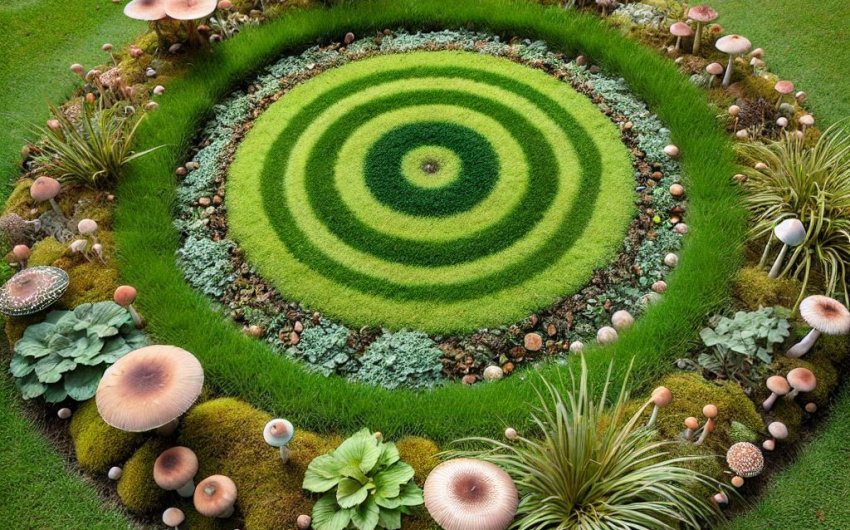
If you're noticing those tell-tale rings of darker grass, mushrooms, or even dead patches appearing in your lawn, you might be dealing with fairy ring fungus. This common lawn issue, while not directly harmful to the grass itself in most cases, can certainly be an unsightly nuisance. Understanding how to effectively treat fairy ring fungus in your lawn involves identifying the type of fairy ring you have and then applying the appropriate cultural practices or, in some cases, specific treatments to manage and ultimately eliminate it.
What is Fairy Ring Fungus?
Fairy rings are a fascinating natural phenomenon caused by various types of soil-dwelling fungi. These fungi grow outwards in a circular pattern, much like the ripples from a stone dropped in water. The visible rings are actually the result of the fungal mycelium—the underground network of fungal threads—breaking down organic matter in the soil. As they decompose this material, they release nutrients, which can lead to areas of lusher, greener grass, often accompanied by the fruiting bodies we know as mushrooms.
There are generally three types of fairy rings you might encounter in your lawn:
- Type 1 Fairy Rings: These are the most damaging. They feature a ring of dead or dying grass, often surrounded by a ring of stimulated, darker green grass. The fungus in the center of the ring can become very dense, making it hard for water to penetrate, leading to drought stress and turf death.
- Type 2 Fairy Rings: These are characterized by a ring of darker green, more vigorously growing grass. Mushrooms or puffballs may or may not be present, usually appearing after rainfall. The fungus is releasing nitrogen, which fertilizes the grass in that area.
- Type 3 Fairy Rings: The least problematic, these are only visible when mushrooms or puffballs appear in a circular pattern, especially after wet periods. There's no noticeable change in the grass's color or health.
Why Do Fairy Rings Appear in Lawns?
Fairy rings are essentially decomposers at work. They thrive in soils rich in organic matter that isn't fully decomposed. This can include buried wood, old tree stumps, construction debris, or even thatch buildup. They also prefer well-drained soils, which is why they might be more prominent in sandy or lighter soil types.
Here are some common reasons why your lawn might develop fairy rings:
- Undissolved Organic Matter: This is the primary culprit. If there's wood, stumps, or construction debris buried in your lawn, these provide a perfect food source for the fungi.
- Thatch Buildup: A thick layer of thatch (a mat of dead and living grass stems, roots, and leaves) can also harbor the fungi and contribute to their growth.
- Poor Soil Conditions: Compacted soil or areas with poor water penetration can sometimes exacerbate fairy ring issues, especially Type 1 rings where the fungal mat prevents water absorption.
- New Construction: Lawns established over areas where trees were removed or construction waste was buried are particularly susceptible.
Can Fairy Rings Harm My Lawn?
The impact of fairy rings on your lawn varies significantly by type.
- Type 1 Fairy Rings can indeed be quite harmful. The dense fungal mat repels water, leading to localized drought stress. This causes the grass within the ring to yellow, brown, and eventually die. The dead areas can expand, creating significant bare patches in your lawn.
- Type 2 Fairy Rings are generally harmless and can even make your lawn look lusher in certain areas due to the extra nutrients released by the fungus. The main "harm" is aesthetic if you prefer a uniform lawn color.
- Type 3 Fairy Rings are harmless. The mushrooms are just the fruiting bodies of a beneficial decomposer and will disappear on their own.
In essence, while the fungi themselves are not parasitic to the grass, their growth habits can indirectly cause damage, primarily through water repulsion in Type 1 rings.
What Are the Best Cultural Practices to Manage Fairy Rings?
Cultural practices are often the first and most effective line of defense against fairy ring fungus. These methods focus on improving the overall health and conditions of your lawn, making it less hospitable to the fungi.
Aeration and Dethatching
These two practices are crucial for managing existing fairy rings and preventing new ones.
- Aeration: This involves creating small holes in your lawn to improve air, water, and nutrient penetration into the soil. For Type 1 rings, aeration is particularly important as it helps break up the dense fungal mat and allows water to reach the grass roots. You can use a core aerator, which removes small plugs of soil, for the most effective results. Hand aerators like the Garden Weasel Core Aerator can be used for smaller, targeted areas.
- Dethatching: If you have a thick layer of thatch (more than 1/2 inch), it's a good idea to dethatch your lawn. Thatch provides a perfect environment for many lawn fungi, including those that cause fairy rings. A power dethatcher or a sturdy rake can be used for this task. The Greenworks 14-inch Corded Dethatcher is a popular option for homeowners.
Proper Watering Techniques
Watering correctly can significantly impact fairy ring management.
- Deep and Infrequent Watering: Encourage deeper root growth and deter surface-dwelling fungi by watering deeply but less frequently. Aim for about 1 inch of water per week, applied in one or two sessions, rather than light daily sprinkles.
- Wetting Agents: For Type 1 rings, the soil within the ring often becomes hydrophobic (water-repellent). Applying a wetting agent or surfactant can help water penetrate these dry spots. These products break down the surface tension of water, allowing it to soak into the soil more effectively. Look for products like Aqua-Drive Liquid Surfactant. Apply it according to package directions, then water the area thoroughly.
Fertilization
Strategic fertilization can help mask the symptoms of Type 2 fairy rings and promote overall lawn health.
- Balanced Fertilization: Apply a balanced lawn fertilizer to the entire lawn, not just the affected areas. This helps to even out the color disparity caused by the nitrogen release from Type 2 fairy rings. It also strengthens the grass, making it more resilient to stress.
- Avoid Over-Fertilization: While fertilization is good, excessive nitrogen can lead to rapid, succulent growth that is more susceptible to other diseases. Follow the recommended application rates for your chosen fertilizer.
Removing Organic Debris
This is one of the most proactive steps you can take, especially if you suspect buried wood or stumps.
- Dig Out Debris: If you know or suspect there's a buried stump, roots, or construction debris contributing to the fairy ring, the most permanent solution is to dig it out. This removes the food source for the fungus. This can be a labor-intensive process, but it's highly effective.
- Regular Raking: Rake up leaves, fallen branches, and other organic matter promptly. This prevents them from accumulating and providing additional food sources for fungi.
What Are Chemical Treatment Options for Fairy Ring Fungus?
While cultural practices are generally preferred, there are chemical treatment options available, especially for persistent or severe Type 1 fairy rings. It's important to note that fungicides are often more effective as a preventative measure or at the very early stages of fungal development. They rarely "cure" a well-established fairy ring.
Fungicides
Certain fungicides can suppress the growth of the fungi responsible for fairy rings.
- Systemic Fungicides: These fungicides are absorbed by the plant and move throughout its system, protecting it from within. Look for active ingredients such as azoxystrobin, propiconazole, or trifloxystrobin. Products like Heritage G Granular Fungicide or Scotts DiseaseEx Lawn Fungicide (check active ingredients to ensure they target fairy ring-causing fungi) might be options. Always read the label carefully to ensure the product is effective against fairy rings and safe for your lawn type.
- Application: Fungicides are typically applied as a spray or granular product. For best results with Type 1 rings, it's often recommended to combine fungicide application with thorough aeration and the use of a wetting agent to ensure the fungicide penetrates the fungal mat and reaches the active fungal growth.
Important Considerations for Fungicide Use:
- Timing: Fungicides are most effective when applied proactively or at the very first sign of fairy ring development. Once the ring is well-established, especially Type 1, fungicides may only offer limited suppression.
- Repeat Applications: You may need multiple applications throughout the growing season, following the manufacturer's recommendations.
- Professional Help: For severe or recurring fairy ring issues, consider consulting a lawn care professional. They can correctly identify the specific fungus and recommend the most appropriate and effective fungicide.
Complete Soil Renovation (Last Resort)
For extremely stubborn or widespread Type 1 fairy rings, especially those caused by significant buried organic matter, a complete soil renovation might be the only permanent solution.
- Process: This involves digging up the affected area (and possibly beyond the visible ring), removing all buried organic debris, tilling the soil deeply, adding fresh topsoil, and then re-seeding or re-sodding.
- Pros: This is the most effective way to eliminate the fungus and its food source.
- Cons: It's very labor-intensive, disruptive, and costly. This is typically only considered for very high-value turf areas or when all other methods have failed.
Can I Just Remove the Mushrooms?
Removing the mushrooms (the fruiting bodies) of fairy rings will not eliminate the underlying fungus in your lawn. The mushrooms are just the visible reproductive structures; the bulk of the fungus (the mycelium) is growing underground.
However, removing them can be beneficial for a few reasons:
- Aesthetics: If you find the mushrooms unsightly, picking them can improve the appearance of your lawn.
- Spore Dispersal: While removing mushrooms won't stop existing rings, it can help prevent new rings from forming in other areas of your lawn, as it reduces the number of spores released.
- Safety: If you have pets or small children, and you're unsure if the mushrooms are toxic, it's always safest to remove them promptly.
When removing mushrooms, you can simply mow over them or pick them by hand. Dispose of them in the trash, not your compost pile, to avoid spreading spores.
How Can I Prevent Fairy Rings from Forming?
Prevention is always better than cure when it comes to fairy rings. By adopting good lawn care practices, you can significantly reduce the chances of these rings appearing.
Soil Preparation Before Planting
If you're establishing a new lawn or renovating an existing one, proper soil preparation is key.
- Clear Organic Debris: Before laying sod or seeding, thoroughly clear the area of any buried wood, stumps, roots, or construction waste. This removes the primary food source for fairy ring fungi.
- Improve Drainage: Ensure your soil has good drainage. Compacted soils can be more prone to issues. Incorporate organic matter like compost into heavy clay soils to improve their structure and drainage.
- Proper Grading: Ensure your lawn is properly graded to avoid areas where water can collect, as consistent moisture can encourage fungal growth.
Regular Lawn Maintenance
Consistent care helps maintain a healthy lawn that is naturally more resistant to problems.
- Annual Aeration: Perform core aeration annually, especially if you have heavy clay soil or compacted areas. This improves air and water penetration.
- Dethatch as Needed: Monitor your thatch layer. If it approaches 1/2 inch or more, plan for dethatching.
- Balanced Fertilization: Feed your lawn with a balanced fertilizer program. A healthy, vigorous lawn is more resistant to diseases and can better mask the symptoms of Type 2 fairy rings.
- Correct Mowing Height: Mow at the appropriate height for your grass type. Taller grass (usually 2.5 to 3 inches) shades the soil, retains moisture, and promotes deeper root growth, making the lawn more resilient.
- Water Wisely: Stick to deep and infrequent watering to encourage strong root systems.
Understanding the Life Cycle of Fairy Ring Fungi
While you don't need to be a mycologist, understanding a bit about how these fungi operate can help with prevention. The fungal mycelium can persist in the soil for many years, even decades. The visible rings expand outwards as the fungus depletes nutrients in the inner part of the circle and moves to new areas with available organic matter. This slow, outward growth is why digging out the original food source is often the most permanent solution. By focusing on removing their food source and making the soil environment less hospitable, you are directly disrupting their life cycle.
When Should I Call a Professional?
While many fairy ring issues can be managed with DIY methods, there are times when professional help is warranted.
- Persistent Type 1 Rings: If you have a severe or recurring Type 1 fairy ring that is causing significant turf death and isn't responding to cultural practices or wetting agents, a professional lawn care company can offer more targeted treatments.
- Large Affected Areas: If fairy rings cover a large portion of your lawn, the task of remediation might be too extensive for a homeowner.
- Uncertainty of Diagnosis: If you're not sure if what you're seeing is actually fairy ring fungus or another lawn disease, a professional can provide an accurate diagnosis.
- Access to Specialized Treatments: Professionals have access to stronger, more specialized fungicides and equipment (like deep-tine aerators or large dethatchers) that aren't readily available to homeowners. They can also perform comprehensive soil analyses to identify underlying issues.
- Time and Effort Savings: If you lack the time, equipment, or desire to tackle a significant fairy ring problem yourself, hiring a professional can save you a lot of effort and ensure the job is done effectively.
Common Myths About Fairy Rings
Let's clear up some misunderstandings about fairy rings.
- Myth: Fairy rings are caused by elves or fairies dancing. This is a charming folklore explanation, but scientifically, they are caused by fungi.
- Myth: Fairy rings are highly contagious. While the spores can spread, fairy rings typically grow from an established underground fungal colony feeding on organic matter. They don't jump from one spot to another like a common cold.
- Myth: All mushrooms in your lawn mean you have a fairy ring. Not all mushrooms indicate a fairy ring. Many different fungi produce mushrooms, and most are harmless decomposers. A fairy ring is characterized by the distinct circular pattern of the mushrooms or altered grass.
- Myth: You can just dig up the ring and it will go away. While digging out the visible ring might seem logical, the fungal mycelium can extend far beyond what you see on the surface. If the underlying organic food source isn't removed, the ring will likely reappear.
- Myth: Fairy rings are a sign of an unhealthy lawn. Type 2 and Type 3 fairy rings often indicate healthy soil with active decomposition. Only Type 1 rings are truly indicative of a problem that needs aggressive treatment.
Step-by-Step Guide to Treating a Type 1 Fairy Ring
This type is the most challenging, so here's a detailed approach:
- Identify the Problem: Confirm you have a Type 1 fairy ring (dead/dying grass ring, possibly with a green ring outside it, and hydrophobic soil).
- Locate the Food Source (If Possible): If you suspect buried wood or debris, try to locate and carefully excavate it. This is the most effective long-term solution. Remove all visible organic matter.
- Core Aerate Thoroughly: Use a core aerator to make numerous passes over and slightly beyond the affected ring. This is critical to breaking up the fungal mat and allowing water and treatments to penetrate.
- Apply a Wetting Agent: Immediately after aeration, apply a high-quality soil wetting agent over the entire ring and surrounding area. This will help the water and any subsequent treatments soak in.
- Deep Water: Water the area very deeply after applying the wetting agent. This helps distribute the agent and rehydrate the soil.
- Consider Fungicide (If Necessary): If the ring is still active and persistent after initial aeration and wetting agent applications, consider applying a systemic fungicide labeled for fairy ring control. Follow product instructions meticulously regarding application rates and frequency. Ensure the fungicide is watered in well.
- Regular Watering and Monitoring: Continue to water deeply and infrequently. Monitor the area for signs of improvement.
- Reseed/Resod Dead Patches: Once the fungal activity appears to be suppressed and the soil can absorb water again, you can reseed or resod any dead patches within the ring. Ensure the soil is properly prepared before planting new grass.
- Maintain Overall Lawn Health: Continue with good cultural practices like proper mowing, balanced fertilization, and dethatching to prevent recurrence and promote a healthy lawn.
Treating fairy ring fungus in your lawn successfully often requires patience and a combination of cultural practices, with targeted interventions for more severe cases. By focusing on improving soil health, removing potential food sources for the fungi, and ensuring proper water penetration, you can effectively manage and often eliminate these circular lawn invaders.