
How to Stop Wild Garlic from Spreading in Your Lawn?
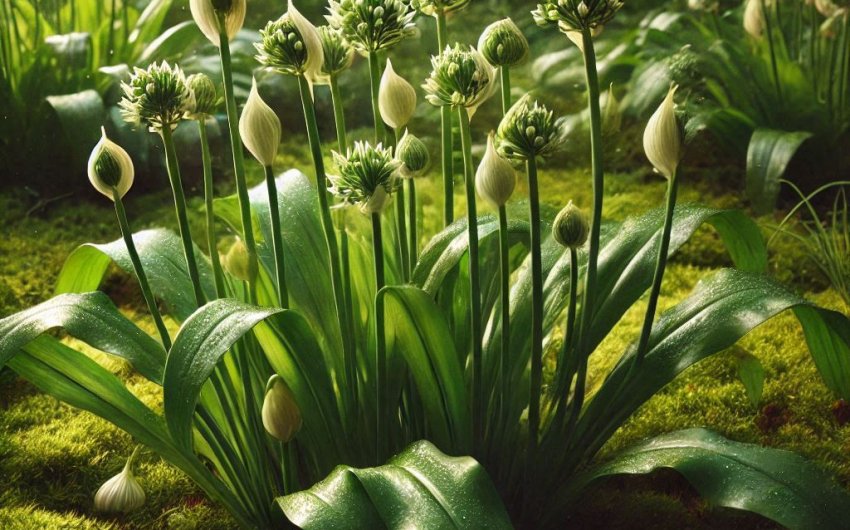
Wild garlic can quickly become an unwelcome guest in your lawn, popping up with its distinctive oniony scent and rapidly multiplying. For many homeowners, figuring out how to stop wild garlic from spreading is a top priority to maintain a pristine and uniform lawn. This persistent perennial weed, often mistaken for wild onion, poses a unique challenge due to its clever reproductive strategies, including tiny bulblets and aerial seeds. Tackling it requires a strategic and often multi-pronged approach, focusing on interrupting its life cycle and weakening its ability to take over your turf.
What is Wild Garlic and Why is it So Stubborn?
Understanding your enemy is the first step to conquering it. Wild garlic (Allium vineale) is a common grassy weed that belongs to the onion family. It's often confused with wild onion (Allium canadense), but both are equally persistent in lawns and gardens. Its unique growth habit and reproductive methods make it particularly challenging to control.
How does wild garlic spread?
Wild garlic uses several clever tricks to spread and survive, making it a very persistent weed.
- Underground Bulbs and Bulblets: This is its primary method of spread. Each plant produces a main bulb deep underground, and often several smaller bulblets around it. These tiny bulblets can easily detach and grow into new plants, especially when disturbed by digging or cultivating the soil.
- Aerial Bulblets (Seed-like structures): In late spring to early summer, wild garlic plants produce flowering stalks topped with clusters of small, green to purple "bulblets" that look like seeds. These are not true seeds, but miniature bulbs that can drop to the ground, sprout, and start new infestations. This is why mowing mature plants often just spreads them further.
- True Seeds (Less Common in Lawns): While wild garlic can produce true seeds, this is less common, especially in mowed lawns where the flower stalks are rarely allowed to mature. However, in undisturbed areas, true seeds can contribute to its spread.
- Deep Root System: Its deep-set bulbs make it resilient to simple pulling or shallow cultivation. The plant can easily regenerate from any bulb or bulblet left behind in the soil.
Why is wild garlic so hard to eliminate from lawns?
Several factors contribute to the stubbornness of wild garlic in a lawn setting.
- Waxy Foliage: The thin, waxy leaves of wild garlic make it difficult for herbicides to stick and be absorbed effectively. This means many common broadleaf weed killers have limited impact.
- Bulblet Dormancy: The underground bulblets can remain dormant in the soil for extended periods, only sprouting when conditions are favorable. This means you might control visible plants, but new ones pop up from dormant bulblets later.
- Timing of Growth: Wild garlic is a cool-season perennial. It emerges in fall, grows through winter, and goes dormant in summer. This makes it active when many other lawn weeds are not, requiring specific treatment times.
- Mowing Spreads Bulblets: Mowing over mature wild garlic with aerial bulblets can actually scatter these miniature bulbs across your lawn, inadvertently helping it spread further.
- Resilience: The plant is remarkably tough and can survive in a variety of soil conditions, even compacted or poor soil.
How Can You Manually Remove Wild Garlic?
Manual removal is a hands-on approach to controlling wild garlic. While time-consuming, it can be very effective for smaller infestations, especially when done meticulously.
What are the best methods for hand-pulling wild garlic?
Successful hand-pulling means getting the entire plant, especially its tricky underground bulbs.
- Timing is Crucial: The best time to pull wild garlic is when the soil is soft and moist, such as after a rain or thorough watering. This makes it much easier to extract the entire bulb and any attached bulblets. Aim for late fall, winter, or early spring when the plant is actively growing.
- Use the Right Tools:
- Weeding Fork or Dandelion Tool: A specialized weeding tool or a narrow trowel designed to go deep will help you leverage the bulb out without breaking the stem.
- Gloves: Protect your hands, as wild garlic can have a strong odor.
- Dig Deep and Wide:
- Insert your weeding tool several inches away from the plant, directly into the soil.
- Wiggle the tool around the plant to loosen the soil on all sides of the bulb.
- Aim to dig down at least 4-6 inches, or until you feel you are below the main bulb.
- Extract Carefully:
- Gently pull the plant from the base of the leaves while simultaneously lifting with your tool. The goal is to remove the entire main bulb and all of its attached bulblets. If the stem breaks, you've left the bulb behind, and it will regrow.
- Inspect the Soil:
- After removing the plant, thoroughly check the excavated soil for any detached bulblets. These are very small, often white or purplish, and easily overlooked. Even one left behind can sprout a new plant.
- Dispose Properly:
- Do NOT put wild garlic plants (especially those with bulblets) in your compost bin unless you have a very hot composting system that can destroy them. The bulblets can survive composting and spread the problem.
- Bag them and dispose of them in the trash.
- Fill the Hole:
- Backfill any holes created with fresh topsoil and reseed with grass if necessary to prevent other weeds from moving in.
When is manual removal most effective?
Manual removal is best suited for:
- Small, Scattered Infestations: If you only have a few dozen wild garlic plants, hand-pulling is a viable and often chemical-free solution.
- Early Detection: Catching wild garlic plants when they are young and before they produce aerial bulblets makes manual removal much more effective.
- Gardens/Flower Beds: Where herbicides might harm desirable plants, manual removal is a safer option.
What are the drawbacks of manual removal?
Despite its effectiveness, manual removal has its limitations:
- Labor Intensive: For large infestations, hand-pulling every plant can be incredibly time-consuming and physically demanding.
- Risk of Spreading Bulblets: If not done carefully, detached bulblets can be left behind, inadvertently spreading the problem.
- Regrowth: If even a tiny bulblet is left in the soil, the plant will regenerate. This often requires repeated efforts over several seasons.
- Damage to Lawn: Digging up numerous plants can leave your lawn looking patchy, requiring reseeding.
Can Herbicides Stop Wild Garlic from Spreading?
For larger infestations of wild garlic in your lawn, chemical control with herbicides is often a more practical and effective solution. However, not all herbicides work the same way, and proper application is crucial.
What types of herbicides are effective against wild garlic?
Because of its waxy leaves, wild garlic requires specific types of herbicides or application techniques for effective control.
- Post-Emergent Herbicides: These are applied to actively growing weeds. Look for products containing the active ingredients 2,4-D, MCPP (mecoprop), or dicamba. Many broadleaf weed killers for lawns contain these ingredients.
- Examples: Spectracide Weed Stop for Lawns Plus Crabgrass Killer or Ortho Weed B Gon MAX Weed Killer for Lawns.
- Note: While these common ingredients can suppress wild garlic, they may not provide 100% control, especially on mature plants.
- Glyphosate-Based Herbicides (Non-Selective): Products containing glyphosate (like Roundup) are highly effective at killing wild garlic, but they are non-selective, meaning they will kill anything they touch, including your grass.
- Use Caution: Only use glyphosate for spot treatment or in areas where you plan to reseed the entire area.
- Application: Carefully apply with a brush or dedicated spot sprayer to avoid drift onto desirable lawn grass.
- Examples: Roundup For Lawns Ready-To-Use Weed Killer (Note: some Roundup products are lawn-safe, but the general glyphosate ones are not for broad application on lawns). Always check the label.
- Specialty Herbicides (e.g., Fluroxypyr or Triclopyr): Some professional-grade or specific weed killers contain ingredients like fluroxypyr or triclopyr, which can be more effective on waxy-leaved weeds like wild garlic. These might be harder to find in retail stores.
- Consider a Surfactant: Adding a non-ionic surfactant to your herbicide mix can significantly improve its effectiveness. A surfactant helps the herbicide spread and stick to the waxy leaves, allowing for better absorption.
- Examples: Southern Ag Non-Ionic Surfactant.
When is the best time to apply herbicides for wild garlic control?
Timing is absolutely critical for herbicide effectiveness against wild garlic.
- Fall and Early Spring: These are the most effective times. Wild garlic is actively growing during the cooler temperatures of fall and early spring. The plant is busy absorbing nutrients and storing energy in its bulbs, making it more likely to absorb the herbicide and transport it down to the underground bulbs.
- Fall Application (late October to early December, before hard freeze): Often considered the most effective time, as plants are drawing energy into their bulbs for winter.
- Early Spring Application (March to April, before flowering): Still effective as plants are actively growing.
- Avoid Summer: Wild garlic typically goes dormant in summer. Applying herbicides during this period will be largely ineffective as the plant is not actively taking up nutrients or chemicals.
- Avoid Hot Weather: Do not apply herbicides when temperatures are above 85°F (29°C), as this can cause turf damage. Also, avoid applying just before rain, which can wash away the product.
How to apply herbicides safely and effectively?
Always follow label instructions carefully. Here are general guidelines:
- Read the Label: This is paramount. Labels provide specific application rates, safety precautions, and suitable weather conditions.
- Wear Protective Gear: Always wear gloves, eye protection, long sleeves, and pants.
- Calibrate Your Sprayer: Ensure you're applying the correct amount of product. Too little won't work, too much can harm your lawn.
- Examples: Ortho Dial N Spray Hose End Sprayer for larger areas or a Garden Pump Sprayer for more controlled application.
- Target the Wild Garlic: Ensure even coverage on the leaves. If using a spot treatment, be precise.
- Avoid Mowing Immediately Before/After: Don't mow for at least 2-3 days before application to allow sufficient leaf surface for absorption. Wait 2-3 days after application before mowing again to give the herbicide time to work.
- Repeat Applications: Wild garlic is stubborn. You will likely need multiple applications (often 2-3 weeks apart) over several seasons for effective control, especially if using common broadleaf herbicides.
What are the drawbacks of using herbicides?
- Multiple Applications: Rarely is one application enough to eliminate wild garlic due to its bulblets and resistance.
- Lawn Damage Risk: Incorrect application can harm or kill desirable lawn grass.
- Environmental Concerns: Herbicides, especially glyphosate, can have environmental impacts. Consider runoff and proximity to water sources or desirable plants.
- Safety: Requires careful handling and adherence to safety guidelines.
- Cost: Repeated applications can become costly over time.
How Can You Prevent Wild Garlic from Taking Over Your Lawn?
Prevention is always better than cure, especially when dealing with persistent weeds like wild garlic. A healthy, dense lawn is your best defense against its spread.
What are the best cultural practices to suppress wild garlic?
Maintaining a robust and healthy lawn makes it difficult for wild garlic to establish and thrive.
- Maintain a Dense, Healthy Lawn:
- Proper Mowing Height: Mow your lawn at the highest recommended height for your grass type (usually 3-4 inches). Taller grass shades the soil, making it harder for wild garlic seeds and bulblets to germinate. It also outcompetes weeds for sunlight and nutrients.
- Appropriate Fertilization: Fertilize your lawn regularly based on soil test recommendations. A well-fed lawn is more vigorous and resistant to weed invasion.
- Adequate Watering: Water deeply and infrequently to encourage deep root growth in your grass, making it more resilient.
- Improve Soil Health:
- Soil Testing: Get a soil test done every few years. This tells you about your soil's pH and nutrient levels, allowing you to amend it correctly.
- Aeration: Wild garlic thrives in compacted soil. Core aeration can improve drainage and root penetration for your grass, making it less hospitable to wild garlic.
- Topdressing: Applying a thin layer of compost or good quality topsoil can improve soil structure and fertility over time.
- Control Before Flowering:
- If you see wild garlic emerging, try to remove or treat it before it produces its distinctive aerial bulblets (the "flowers"). If these bulblets mature and fall, they will spread the infestation. Mowing them off will just scatter them.
- If you see flowering stalks, try to clip them off and dispose of them carefully in the trash.
- Vigilance and Early Action:
- Regularly inspect your lawn, especially in fall and early spring, for any signs of wild garlic. The earlier you spot new plants, the easier they are to control before they establish deep bulbs or multiply.
- Clean Tools and Equipment:
- If you've been working in an area with wild garlic, thoroughly clean your garden tools, mower blades, and even shoes. This prevents you from inadvertently spreading bulblets to other parts of your lawn or garden.
- Edging and Barriers:
- If wild garlic is encroaching from an adjacent area, consider installing deep lawn edging or physical barriers to prevent its spread into your turf. Remember the bulbs can go quite deep.
Can overseeding help control wild garlic?
Overseeding can be a powerful tool in your prevention strategy against wild garlic and other weeds.
- How it helps: By thickening your lawn, you create a dense turf that shades out weed seeds and bulblets, competing for light, water, and nutrients. A robust stand of grass leaves less open space for weeds to establish.
- When to Overseed: The best time for overseeding is late summer to early fall when soil temperatures are warm enough for germination but air temperatures are cooler, reducing competition from summer weeds. This timing also allows the new grass to establish before the cooler, moister conditions that favor wild garlic emergence.
- What to use: Choose a grass seed type that is well-suited to your local climate and existing lawn.
- Examples: Jonathan Green Black Beauty Grass Seed for cool-season lawns, or specific Bermuda/Zoysia for warm-season.
- Preparation: Before overseeding, dethatch and aerate your lawn if needed to ensure good seed-to-soil contact.
By focusing on overall lawn health, you create an environment that naturally resists wild garlic and other invasive weeds, making your lawn more resilient and easier to manage in the long run.
What is the Life Cycle of Wild Garlic and Why Does It Matter for Control?
Understanding the life cycle of wild garlic is perhaps the most important piece of information for effective control. Its annual rhythm dictates when your control efforts will be most impactful.
What are the key stages in the wild garlic life cycle?
Wild garlic follows a predictable annual pattern, largely driven by temperature and moisture.
- Fall Emergence (Late Summer/Fall):
- As temperatures cool in late summer and fall, dormant underground bulbs and newly dropped aerial bulblets begin to sprout.
- Thin, green, onion-like leaves emerge from the soil. This is the ideal time for initial control efforts, as the plants are young and actively growing.
- Winter Growth (Winter):
- Wild garlic continues to grow actively throughout the winter months, even under snow, as long as temperatures are above freezing. This is when the plant gathers energy through photosynthesis and develops its robust root system and underground bulbs.
- This active growth makes it highly susceptible to systemic herbicides during this period, as the chemicals are readily absorbed and translocated throughout the plant.
- Spring Reproduction (Spring):
- In mid to late spring, as temperatures rise, wild garlic plants mature.
- They begin to produce tall, slender flowering stalks, often topped with greenish-white flowers or, more commonly in lawns, clusters of small aerial bulblets.
- This is a critical stage. If these aerial bulblets are allowed to mature and drop, they will significantly spread the infestation. Mowing at this stage will scatter them.
- The plant is still actively growing and susceptible to herbicides in early spring, before the bulblets fully develop.
- Summer Dormancy (Summer):
- As summer heat sets in, wild garlic plants will yellow, wither, and go dormant. The leaves may disappear entirely from the surface of the lawn.
- The plant survives underground as dormant bulbs and bulblets, waiting for cooler fall temperatures to begin the cycle anew.
- Control efforts during this dormant period are largely ineffective, as the plant is not actively taking up chemicals or nutrients.
Why does the life cycle influence control methods?
Knowing the life cycle allows for strategic targeting of wild garlic.
- Herbicide Application Timing: The most effective time to apply systemic herbicides is when the plant is actively growing and drawing energy down to its bulbs. This happens primarily in fall and early spring. Applying herbicides in summer when the plant is dormant is a waste of time and product.
- Preventing Spread: Understanding the spring reproduction phase emphasizes the importance of controlling plants before they produce aerial bulblets. If you see these bulblets forming, manual removal or targeted cutting of the stalks is crucial to prevent further spread.
- Manual Removal Timing: Hand-pulling is easiest when the ground is moist and the plant is actively growing (fall, winter, early spring). It's nearly impossible to find and remove dormant bulbs in summer.
- Patience and Persistence: The cycle of dormancy and new growth from bulblets means that even if you eliminate visible plants, new ones can emerge from dormant bulblets in subsequent seasons. This is why a multi-year, persistent approach is often necessary. One treatment will rarely be enough to eradicate wild garlic entirely. You're playing the long game against a very resilient weed.
Can Natural or Organic Methods Control Wild Garlic?
For those hesitant to use chemical herbicides, or with small infestations, several natural and organic methods can help in the fight against wild garlic. These often require more effort and patience but can be effective as part of an integrated approach.
What are effective organic ways to remove wild garlic?
These methods focus on physical removal or creating conditions unfavorable for wild garlic.
- Persistent Hand-Pulling: As detailed earlier, meticulous hand-pulling is the most effective organic method. The key is persistence. If you commit to regularly inspecting your lawn and immediately pulling out new sprouts, you can deplete the energy reserves in the underground bulbs over time.
- Tool suggestion: A Cape Cod Weeder or a narrow hand trowel can be very effective for targeted digging.
- Smothering/Solarization (for severely infested areas):
- If you have a very heavily infested patch, and you're willing to sacrifice the grass in that area temporarily, smothering can work.
- Smothering: Cover the area with thick black plastic sheeting, cardboard, or several layers of newspaper for at least 6-8 weeks (or longer, up to several months, especially in summer). This deprives the plants of light and air, effectively killing them and depleting the bulbs.
- Solarization: In summer, lay clear plastic sheeting over the area. The clear plastic traps solar heat, "baking" the soil and killing bulbs, seeds, and pathogens. This method is more effective in areas with intense sun.
- After removal, you will need to reseed or resod the area.
- Boiling Water: For small, isolated clumps of wild garlic in areas where you don't mind killing the surrounding grass (e.g., cracks in pavement, edges of flower beds), carefully pouring boiling water over the plants can kill them. This method only works on the parts it touches, and repeated applications may be needed for regrowth from bulbs.
- Vinegar (Acetic Acid): Horticultural vinegar (which is stronger than household vinegar, usually 10-20% acetic acid) can act as a contact herbicide, burning the foliage of wild garlic.
- Caution: Horticultural vinegar is very acidic and can burn skin and eyes. Wear protective gear. It is also non-selective, meaning it will kill grass and desirable plants.
- Effectiveness: It typically only kills the foliage and may not penetrate deep enough to kill the bulbs, leading to regrowth. Repeated applications are necessary.
- Maintaining a Healthy Lawn (as discussed previously): A dense, vigorous lawn naturally crowds out weeds. Proper mowing, fertilizing, and watering are foundational organic prevention methods.
Are organic methods always effective against wild garlic?
While natural methods are appealing, they often come with caveats when dealing with a weed as tenacious as wild garlic.
- Patience and Persistence: Organic methods, especially hand-pulling, require consistent effort over several seasons to truly deplete the underground bulb reserves. You won't see instant results like with some chemical herbicides.
- Scope: They are most effective for small infestations or as part of a long-term management plan. Large, widespread infestations are very challenging to tackle organically.
- Regrowth from Bulbs: Many organic methods (like surface sprays or boiling water) only kill the visible foliage, allowing the deep-seated bulbs to regrow. This necessitates repeated application or pulling.
- Labor Intensive: Most organic methods require significant manual labor compared to simply spraying an herbicide.
For many gardeners, a combination of methods—starting with organic approaches for small outbreaks and supplementing with targeted, careful herbicide use for larger, stubborn areas—provides the most effective and sustainable long-term control of wild garlic. The key is to be consistent and to never let the plants go to seed or produce aerial bulblets, as this is how they ensure their return.
How Can You Develop a Long-Term Strategy for Wild Garlic Control?
Eliminating wild garlic is rarely a one-time event. It requires a sustained, multi-year approach that combines different control methods and focuses on prevention. Think of it as a marathon, not a sprint.
What are the steps for a multi-year wild garlic eradication plan?
A comprehensive strategy will significantly increase your chances of successfully getting rid of wild garlic in your lawn.
- Assess the Infestation:
- Severity: Is it scattered plants or a widespread takeover? This dictates your initial approach.
- Location: Is it throughout the lawn, or concentrated in certain areas?
- Choose Your Primary Control Method(s):
- Small Infestations: Commit to meticulous manual removal (hand-pulling all plants, ensuring bulbs and bulblets are removed, and disposing of them properly).
- Large Infestations: Plan for herbicide applications.
- Fall application: This is often the most effective time. Use a broadleaf herbicide designed for lawns that lists wild garlic or similar alliums on the label. Consider adding a surfactant.
- Early Spring application: Follow up in early spring, before the plants produce aerial bulblets.
- Spot Treatment: If you have isolated stubborn patches, consider very careful spot treatment with a non-selective herbicide like glyphosate, knowing you'll need to reseed that area.
- Implement Preventative Cultural Practices (Ongoing):
- Maintain a Healthy, Dense Lawn: This is your long-term defense.
- Mow high (3-4 inches).
- Fertilize appropriately based on soil tests.
- Water deeply and infrequently.
- Aerate and dethatch as needed to reduce compaction.
- Overseeding: Regularly overseed thin areas of your lawn, especially in the fall, to thicken the turf and outcompete weeds.
- Vigilance: Make it a habit to regularly walk your lawn, especially in fall and spring, to catch new wild garlic sprouts early.
- Maintain a Healthy, Dense Lawn: This is your long-term defense.
- Repeat and Monitor (Crucial for Success):
- Expect Regrowth: Due to dormant bulblets, you will likely see wild garlic reappear for several seasons. Do not get discouraged.
- Consistent Action: Immediately pull new sprouts or apply follow-up herbicide treatments as needed, especially in fall and early spring.
- Don't Let Them Go to Seed/Bulblet: Never allow the plants to produce their aerial bulblets. If you see flowering stalks, snip them off and dispose of them in the trash.
- Track Progress: Note where infestations were severe and monitor those areas closely in subsequent seasons.
What are key takeaways for successful long-term control?
- Patience: Eradicating wild garlic takes time, often several years of consistent effort.
- Persistence: Don't give up after one season. The battle is against the underground bulb reserves.
- Integrated Approach: Combining manual removal, targeted herbicide use, and strong cultural practices yields the best results.
- Timing is Everything: Apply treatments when the plant is most vulnerable (fall and early spring, during active growth).
- Prevention: A healthy, dense lawn is your ultimate defense. It crowds out wild garlic and prevents new infestations from taking hold.
By adopting a proactive and integrated strategy, you can effectively stop wild garlic from spreading in your lawn, restoring its beauty and ensuring it remains a lush, green space for years to come.