
Best Methods for Dealing with Dog Urine Spots on Your Lawn
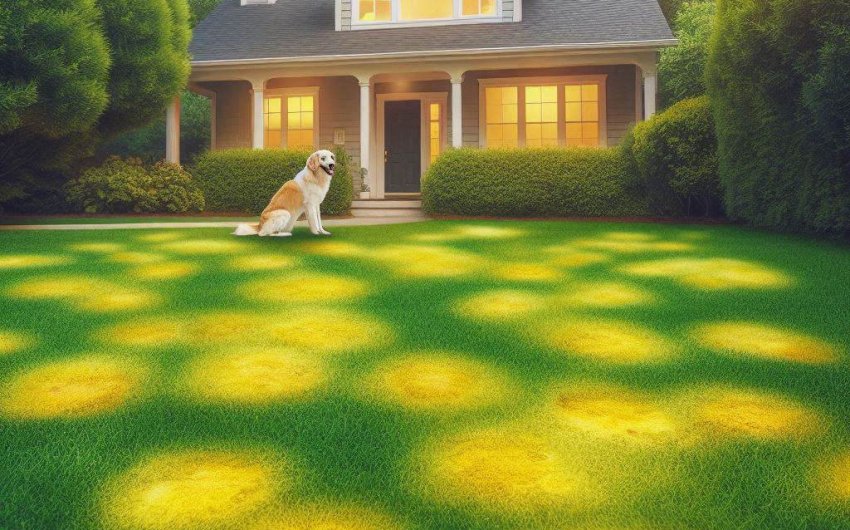
To effectively deal with dog urine spots on your lawn, immediately dilute the affected area with water to reduce nitrogen concentration, and then focus on repairing dead spots through reseeding or patching. Preventing new spots through training, designated potty areas, and dietary supplements for your dog can significantly reduce future damage to your turf.
Why Do Dog Urine Spots Appear on My Lawn?
Understanding why dog urine spots appear on your lawn is the first step in effectively dealing with dog urine spots on your lawn. It's a common frustration for dog owners who desire a lush, green turf, but the science behind it is quite simple and points directly to solutions.
The Role of Nitrogen in Dog Urine
The primary culprit behind those unsightly brown patches is nitrogen. Dog urine contains high concentrations of nitrogen compounds, which are byproducts of protein metabolism in the dog's body.
- Nitrogen as a Fertilizer: In appropriate amounts, nitrogen is a vital nutrient for grass growth, promoting lush, green foliage. This is why nitrogen is a key ingredient in most lawn fertilizers.
- Nitrogen Overload: The problem arises when nitrogen is too concentrated. A concentrated dose of urine delivers an overwhelming amount of nitrogen to a small area of grass. This high concentration acts like an overdose of fertilizer, essentially "burning" the grass. It pulls moisture out of the grass blades and roots, leading to dehydration and cell damage.
- The Brown Spot: This immediate burning effect is what causes the dead, brown patch in the center of the urine spot. The grass blades become desiccated and die.
The Green Ring Effect
You might notice that around the dead brown patch, there's often a ring of unusually dark green, sometimes lusher, grass. This is known as the "green ring effect."
- Diluted Nitrogen: The edges of the urine spot receive a more diluted dose of nitrogen. This level of nitrogen acts as a beneficial fertilizer, promoting vigorous growth and a deeper green color.
- Proof of Concept: This green ring provides visual proof that nitrogen is indeed the cause of both the burn and the enhanced growth. It's a clear demonstration of the "too much of a good thing" principle.
Factors Influencing Severity
Several factors can influence how severe and frequent dog urine spots on your lawn become:
- Dog's Sex: Female dogs tend to cause more severe spots than male dogs because they squat to urinate, depositing all the urine in one concentrated area. Male dogs, who often lift a leg, tend to distribute their urine over a wider area, diluting the nitrogen and reducing the burning effect.
- Dog's Diet: A dog's diet can influence the nitrogen concentration in their urine. Diets very high in protein may lead to more potent urine, though this is a less common primary cause than the nitrogen content itself.
- Grass Type: Some grass types are more tolerant of nitrogen than others.
- Less Tolerant: Fescues and Kentucky bluegrass are generally more susceptible to urine damage.
- More Tolerant: Ryegrass and Bermuda grass tend to be more resistant.
- Lawn Health and Hydration: A healthy, well-hydrated lawn is more resilient. Dry, stressed grass is more susceptible to urine burn because it has less moisture to dilute the nitrogen.
- Urine Volume: Larger dogs produce a greater volume of urine, delivering more nitrogen to a single spot.
- Frequency of Urination: If a dog repeatedly urinates in the exact same spot, the accumulation of nitrogen will lead to more severe and persistent damage.
In essence, dog urine spots on your lawn are a chemical burn caused by an excessive localized concentration of nitrogen from the urine. Understanding this mechanism is crucial for implementing effective treatment and prevention strategies.
What Are Immediate Actions I Can Take to Minimize Urine Spot Damage?
When it comes to dealing with dog urine spots on your lawn, immediate action is your best defense against lasting damage. The goal is to dilute the concentrated nitrogen before it can effectively "burn" the grass. These methods are simple, quick, and can significantly reduce the severity of the brown patches.
1. Water, Water, Water (Dilute Immediately!)
This is the most effective and universally recommended immediate action. The moment your dog urinates on the grass, or as soon as you notice a fresh spot, grab a hose or a watering can.
- How it Works: Flooding the area with water immediately dilutes the concentrated nitrogen in the urine, spreading it out and lowering its concentration to a level that the grass can tolerate or even benefit from. It essentially turns an "overdose" of fertilizer into a milder, beneficial dose.
- How Much Water? Apply enough water to thoroughly soak the area, at least three times the volume of the urine itself. A good rule of thumb is to apply about 1-2 gallons of water per spot, or let the hose run gently over the area for about 30-60 seconds. You want to flush the nitrogen deep into the soil profile and spread it out.
- Timing is Key: The sooner you dilute the spot, the more effective this method will be. Within minutes of urination is ideal. If you wait hours, the burning process will already have begun, and while dilution will still help, it won't prevent all damage.
- Tools:
- Hose with a Nozzle: A standard garden hose with a spray nozzle set to a gentle shower or flood setting is perfect. Consider a Coiled Garden Hose for easy access and quick deployment.
- Watering Can: Keep a filled watering can near your door for quick grabs.
- Dedicated Watering Spot: If your dog consistently urinates in one area, keep a hose or watering can specifically for that spot.
2. Supervise and Train Your Dog
While not a direct treatment for a spot, proactive supervision and training are immediate preventative actions.
- Go Out with Your Dog: Don't just let your dog out alone. Accompany them to the yard so you can observe where they urinate.
- Immediate Dilution: This allows you to immediately dilute the spot as soon as it happens, which is the most effective strategy.
- Discourage Favorite Spots: If your dog has a particular favorite spot that's constantly getting damaged, try to gently redirect them to a less visible or more resilient area immediately after they start to squat/lift their leg.
3. Consider a Designated Potty Area
This is a more strategic immediate action if you're proactive.
- Train for Specific Zone: Train your dog to urinate in a specific, less-trafficked area of your yard that you don't mind sacrificing or that is better equipped to handle urine. This could be:
- Mulch or Gravel Area: These surfaces don't burn and are easy to rinse.
- Artificial Turf: A small section of artificial turf can be a good solution, though it needs regular cleaning to prevent odor buildup.
- Immediate Dilution Still Applies: Even in a designated area, it's still good practice to dilute the urine to prevent odor and accumulation of salts in the soil or material.
4. Rinse Existing Spots (Even if Not Immediate)
If you find an older spot that's just starting to yellow or brown, rinsing it with water can still help.
- Stop Further Damage: While it won't revive dead grass, it will help flush away residual nitrogen and prevent the spot from getting larger or more severe. It can also help the surrounding "green ring" areas by diluting the nitrogen there too.
By adopting these immediate and proactive steps, you can significantly reduce the impact of dog urine spots on your lawn and maintain a healthier, greener yard. The simpler the method, like immediate dilution with water, the more likely you are to consistently apply it.
How Can I Repair Existing Dog Urine Spots on My Lawn?
Once dog urine spots on your lawn have caused damage, immediate dilution might not be enough to save the affected grass blades. In these cases, you'll need to focus on repairing existing spots to restore your lawn's uniform green appearance. The best methods involve preparing the damaged area and reseeding or patching.
1. Assess the Damage
Before you start repairing, take a moment to assess how severe the damage is.
- Brown and Dead: If the grass is completely brown, brittle, and clearly dead, it's beyond recovery and needs to be replaced.
- Yellow and Stressed: If the grass is yellow but still has some green at the base or feels somewhat pliable, it might recover if the underlying cause (nitrogen overdose) is diluted quickly and no further stress is applied.
2. Prepare the Damaged Area
This crucial step ensures new grass seeds or sod can take root successfully.
- Remove Dead Grass:
- Rake Vigorously: Use a sturdy garden rake to thoroughly remove all dead, brown grass blades and thatch from the affected spot. You want to expose the bare soil beneath. This also helps to break up any compacted soil.
- Alternatively: For larger or very stubborn spots, you might use a hand trowel or a small spade to carefully dig out the top inch or two of dead grass and soil.
- Neutralize Residue (Optional but Recommended):
- Thorough Watering: After removing dead grass, water the area deeply several times over a day or two. This helps to flush out any remaining concentrated nitrogen or salts that could hinder new grass growth.
- Gypsum: Some gardeners recommend applying a thin layer of gypsum (calcium sulfate) to the spot. Gypsum helps to break up sodium salts in the soil (which can accumulate from urine over time, especially if not diluted) and improve soil structure. Rake it in lightly and then water thoroughly. You can find Lawn Repair Gypsum at garden centers.
- Amend the Soil:
- Compost: Add a thin layer (about 1/2 to 1 inch) of good quality compost or topsoil to the bare spot. This provides fresh nutrients and improves the soil structure, creating an ideal environment for new seed germination or sod establishment. Lightly mix it into the top inch of existing soil.
3. Choose Your Repair Method
You have two main options for repairing the spot: reseeding or patching with sod.
A. Reseeding (Most Common and Cost-Effective)
- Select Grass Seed: Choose a grass seed type that matches your existing lawn as closely as possible in terms of color, blade width, and growth habit. This ensures a seamless repair. If you don't know your grass type, opt for a versatile blend that includes varieties common in your region (e.g., Sun and Shade Grass Seed Mix).
- Apply Seed: Sprinkle the grass seed evenly over the prepared soil. Follow the application rate recommended on the seed package for overseeding or bare patch repair. Don't over-seed; too many seeds can lead to weaker grass.
- Lightly Rake/Cover: Lightly rake the seed into the top 1/8 to 1/4 inch of the soil to ensure good seed-to-soil contact. You can also lightly cover the seeds with a thin layer of peat moss or straw to help retain moisture and protect them from birds.
- Keep Moist: This is the most crucial step for successful germination. Water the seeded area lightly but frequently (2-3 times a day) to keep the top layer of soil consistently moist until the seeds germinate and the new grass is established (usually 2-4 weeks). Use a gentle spray nozzle.
- Protect: Try to keep your dog (and other foot traffic) off the newly seeded area until the grass is well-established.
B. Patching with Sod (Faster, More Expensive)
- Purchase Sod: Buy a small piece of sod that matches your existing lawn type. Measure your spots to determine how much sod you'll need.
- Prepare Area: Remove the dead grass and prepare the soil as described above, ensuring the bare patch is clean and level.
- Cut Sod: Cut the sod piece to fit the shape of the bare spot.
- Lay Sod: Place the sod piece firmly onto the prepared soil, ensuring good contact.
- Water Thoroughly: Water the newly laid sod immediately and deeply. Continue to water daily for the first week or two to ensure the sod roots into the underlying soil.
- Protect: Keep your dog and foot traffic off the newly laid sod until it has firmly rooted (you can gently try to lift a corner after a week or two; if it resists, it's rooting).
By diligently following these repair methods, you can effectively fix existing dog urine spots on your lawn and restore your yard to its vibrant, healthy state. Remember that prevention is key to minimizing future repair efforts.
How Can I Prevent Dog Urine Spots on My Lawn in the Future?
While repairing existing dog urine spots on your lawn is necessary, the most sustainable solution is to implement prevention strategies. By taking proactive measures, you can significantly reduce or even eliminate future urine damage to your turf. This involves a combination of management, training, and sometimes, even dietary adjustments for your dog.
1. Dilution is Key (Consistent Practice)
This is the most effective and simplest preventative measure you can consistently implement.
- Rinse Immediately: Make it a habit to immediately rinse the spot with water as soon as your dog urinates. This dilutes the nitrogen before it can burn the grass.
- Keep a Hose Handy: Keep a hose with a spray nozzle or a filled watering can easily accessible near your primary dog potty area.
- Teach "Go Potty": Train your dog to "go potty" on command while you supervise, so you know exactly when and where they've urinated.
2. Establish a Designated Potty Area
Training your dog to relieve themselves in a specific, non-lawn area is highly effective.
- Choose a Spot: Select a less visible area of your yard that you don't mind sacrificing or that is designed to withstand urine. Good options include:
- Mulch or Gravel: A small area filled with wood mulch, pea gravel, or crushed stone will not be affected by urine. It's easy to clean and rinse regularly.
- Artificial Turf: A small section of pet-friendly artificial turf can be installed. This requires regular rinsing with water and occasional cleaning with an enzyme cleaner to prevent odors.
- Hardscaped Area: A concrete or paved area can also work, but will need frequent rinsing to prevent odor buildup.
- Training:
- Leash Your Dog: Take your dog to the designated area on a leash every time they need to go out.
- Reward: Heavily praise and reward your dog with treats and verbal praise when they successfully urinate in the designated spot.
- Consistency: Be consistent, especially in the initial training phase.
3. Consider Dog Dietary Supplements (Consult Vet First!)
Some dog supplements aim to alter urine chemistry or pH to make it less damaging to grass.
- Mechanism: These supplements typically contain ingredients like DL-Methionine, Yucca Schidigera, or probiotics that aim to acidify the urine, bind to nitrogen, or promote digestive health, theoretically reducing the urine's nitrogen concentration or "burn" potential.
- Caution: Always consult your veterinarian before giving your dog any supplements. Some ingredients can alter urine pH, which could potentially lead to health issues like bladder stones in certain dogs. Supplements are not a guaranteed fix and should be used with veterinary guidance.
- Examples: Brands like Green-UM Lawn Burn Dog Chews or NaturVet GrassSaver Soft Chews are available, but again, veterinary advice is crucial.
4. Optimize Your Lawn Health
A healthy, vigorous lawn is more resilient to stress, including urine damage.
- Proper Watering: Ensure your entire lawn receives deep, infrequent watering. Well-hydrated grass has more moisture within its cells to dilute the incoming nitrogen.
- Appropriate Fertilization: Fertilize your lawn correctly based on soil tests. A healthy lawn can better absorb and utilize the nitrogen from urine without getting burned. Avoid over-fertilizing with nitrogen, as this makes the problem worse.
- Choose Resistant Grass Types: If you're planning to reseed your entire lawn or establish a new one, consider more urine-tolerant grass types like Ryegrass or Bermuda Grass, especially if you have female dogs. Fescues and Kentucky Bluegrass are generally more susceptible.
- Adequate Mowing Height: Mow your lawn at a higher setting (e.g., 3 inches or more). Taller grass blades create more surface area for nitrogen absorption and shade the soil, reducing water evaporation.
5. Hydrate Your Dog
Encouraging your dog to drink more water can help dilute the nitrogen in their urine internally.
- Fresh Water Always Available: Ensure your dog always has access to fresh, clean water.
- Wet Food: If your dog eats dry kibble, consider adding a little water to it or incorporating some wet food into their diet.
- Water Stations: Place multiple water bowls around the house and outside.
6. Consider Pea Gravel Borders or Strategic Landscaping
- Physical Barrier: If your dog repeatedly goes near flower beds or specific lawn edges, install a border of pea gravel or small decorative stones. This creates a non-lawn surface for them to use.
- Strategic Planting: If a specific area is constantly damaged, consider replacing the grass in that spot with a tough, urine-tolerant groundcover or a small planting of shrubs.
By combining these prevention strategies, you can significantly reduce the appearance of dog urine spots on your lawn and maintain a beautiful, healthy yard for both you and your furry friend. Consistency and patience are key to success.