
Best Plants for Low-Maintenance Rock Gardens
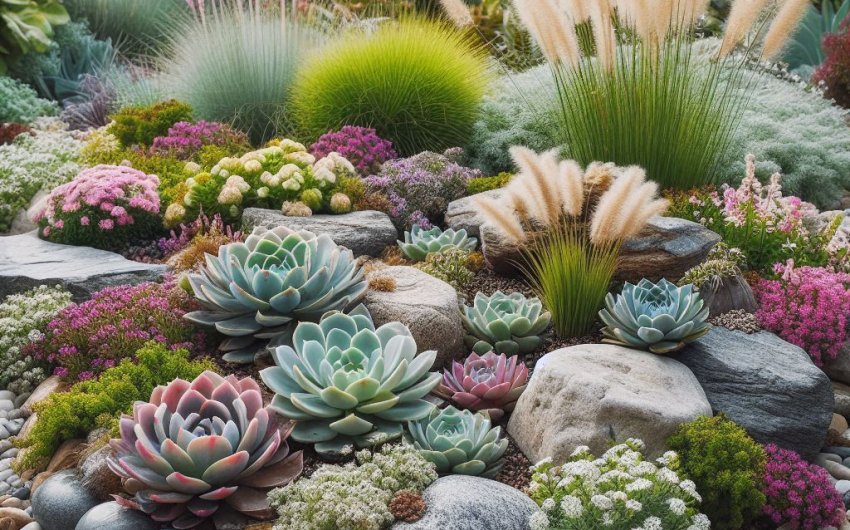
The best plants for low-maintenance rock gardens are typically alpine, succulent, or Mediterranean species that thrive in lean, well-draining soil and often tolerate drought once established. Key characteristics include compact growth, natural resilience, and minimal water or fertilization needs, allowing these plants to flourish with very little intervention.
Why Choose a Low-Maintenance Rock Garden?
Creating a low-maintenance rock garden is an increasingly popular choice for gardeners seeking both beauty and ease in their landscapes. This specialized garden style offers a unique aesthetic that celebrates natural forms, durable plants, and minimal fuss, making it an ideal solution for various situations and preferences.
1. Reduced Water Usage (Drought Tolerance):
One of the most compelling reasons to opt for a rock garden is its inherent drought tolerance.
- Adapted Plants: The best plants for low-maintenance rock gardens are often native to arid, semi-arid, or alpine environments. These plants have evolved adaptations like succulent leaves, deep root systems, or a small surface area to conserve water.
- Excellent Drainage: The very nature of a rock garden (often built with gravel and sandy soil) ensures superb drainage, which these plants require. This rapid drainage means less water retention, naturally leading to a more drought-resistant setup.
- Less Irrigation: Once established, a well-designed rock garden with appropriate plant choices will require significantly less supplemental irrigation than a traditional perennial bed, translating to lower water bills and a more sustainable landscape.
2. Minimal Upkeep:
The "low-maintenance" aspect is a huge draw for busy homeowners or those who prefer to spend less time on strenuous gardening tasks.
- No Weeding: The top dressing of gravel or small stones in a rock garden acts as a natural mulch, effectively suppressing weeds. Any weeds that do pop through are usually easy to pull from the gritty soil.
- Less Pruning: Many rock garden plants are naturally slow-growing and compact, requiring little to no pruning to maintain their shape or size.
- No Fertilizing: Most alpine and succulent plants prefer lean, well-draining soil. Rich soil or excessive fertilizer can actually harm them, encouraging leggy growth or root rot. This eliminates the need for regular feeding.
- Pest and Disease Resistance: Plants adapted to harsh, well-ddrained conditions are generally tough and less susceptible to common pests and diseases that plague plants in richer, wetter soils.
3. All-Season Interest and Natural Beauty:
Rock gardens offer year-round visual appeal, celebrating the beauty of both plants and geological elements.
- Architectural Forms: The rocks themselves provide strong architectural interest, especially in winter when plants may be dormant.
- Diverse Textures and Colors: The best plants for low-maintenance rock gardens come in a fascinating array of textures (fuzzy, spiky, waxy) and foliage colors (silver, blue-green, burgundy), offering visual interest even when not in bloom.
- Early/Late Blooms: Many alpine plants are among the first to flower in spring or continue blooming into late fall, extending the gardening season.
4. Versatility in Design:
Rock gardens can be adapted to various scales and settings.
- Slopes: They are excellent for difficult-to-plant slopes, where they prevent erosion and create stable, beautiful displays.
- Small Spaces: Even a small raised bed or a container can become a charming miniature rock garden.
- Complementary to Other Styles: They can blend seamlessly with naturalistic, contemporary, or even traditional garden designs.
5. Unique Plant Selection:
This garden style allows you to explore a fascinating world of alpine and succulent plants that might not thrive in typical garden beds. It introduces you to unique forms and textures.
In essence, choosing a low-maintenance rock garden allows you to create a beautiful, durable, and environmentally friendly landscape that truly thrives with minimal effort, making it a highly rewarding choice for any gardener.
What Are the Key Characteristics of Plants for Rock Gardens?
Selecting the best plants for low-maintenance rock gardens isn't just about picking "tough" plants. It's about understanding the specific environmental conditions that define a rock garden and choosing plants that are naturally adapted to these unique challenges and benefits.
1. Excellent Drainage Requirements:
- Crucial: This is arguably the most important characteristic. Rock gardens are built to drain quickly, preventing standing water around plant roots.
- Adaptation: Plants suitable for rock gardens are often from mountain screes, rocky outcrops, or arid regions where water rapidly disappears. They typically despise "wet feet" and will quickly succumb to root rot in soggy conditions.
- What to Look For: Plants listed as needing "sharp drainage," "gritty soil," or "well-drained soil."
2. Tolerance for Lean Soil:
- Nutrient-Poor: Unlike traditional garden beds that are often amended with rich compost, rock gardens typically feature lean, mineral-rich soil with low organic matter.
- Adaptation: Alpine and desert plants have evolved to extract nutrients from less fertile environments.
- What to Look For: Plants described as preferring "poor soil," "sandy soil," or "minimal fertilizer." Over-fertilizing these plants can lead to leggy, weak growth and reduced flowering.
3. Drought Tolerance (Once Established):
- Self-Sufficiency: After an initial establishment period (usually one to two growing seasons), the best plants for low-maintenance rock gardens should require minimal to no supplemental irrigation.
- Adaptation: Many possess characteristics to conserve water:
- Succulent Leaves: Store water (e.g., Sedum, Sempervivum).
- Small/Fine Leaves: Reduce surface area for evaporation (e.g., Thyme, Dianthus).
- Hairy/Silvery Foliage: Reflect sunlight and trap humidity (e.g., Lamb's Ear, Artemisia).
- Deep Taproots: Access water from lower soil profiles.
- What to Look For: Plants labeled as "drought-tolerant" or "low-water."
4. Compact or Spreading Habit:
- Scale: Rock gardens are often about highlighting the interplay between rocks and plants. Very large, sprawling plants can quickly overwhelm the hardscape.
- Growth Form:
- Mounding/Cushion-Forming: Many alpine plants grow in tight, low-lying mounds or cushions that hug the ground.
- Creeping/Trailing: Plants that spread slowly or cascade over rocks add graceful movement and soften edges.
- What to Look For: Plants described as "dwarf," "creeping," "mat-forming," or "compact."
5. Sun Loving:
- Exposure: Most rock gardens are built in full sun locations to allow the rocks to heat up and provide the necessary warmth.
- Adaptation: The majority of suitable plants thrive in full sun, often needing it for best flowering and foliage color.
- What to Look For: Plants requiring "full sun" or "at least 6 hours of direct sunlight." (Note: some specific shade-tolerant rock garden plants exist for shaded niches, but full sun is typical).
6. Resilience and Durability:
- Toughness: These plants need to withstand harsh conditions: strong sun, wind, fluctuating temperatures, and lean soil.
- Pest and Disease Resistance: Generally, plants adapted to these conditions are less prone to common garden pests and diseases.
- What to Look For: Plants described as "hardy," "tough," or "resilient."
By prioritizing these characteristics, you ensure that your selected plants will not only survive but truly thrive in the unique environment of a low-maintenance rock garden, creating a beautiful and enduring landscape with minimal effort.
Best Succulents and Stonecrops for Rock Gardens
Succulents and stonecrops are quintessential choices for low-maintenance rock gardens due to their unparalleled drought tolerance, fascinating forms, and vibrant colors. Their ability to store water in their fleshy leaves makes them perfectly adapted to the lean, well-draining conditions typical of a rock garden.
1. Sedum (Stonecrop) (Sedum spp.)
Sedum is a vast genus, offering an incredible variety of forms, from low-growing mat-formers to upright, border-worthy specimens. They are exceptionally hardy and drought-tolerant.
- Creeping Sedums (Low-Growing Varieties):
- 'Dragon's Blood' Sedum (Sedum spurium 'Dragon's Blood'):
- Why it's great: A popular choice with deep green leaves that turn reddish-bronze in sun and cooler weather. Clusters of bright pink-red flowers in summer. Forms a dense, weed-suppressing mat.
- Light: Full sun to partial shade.
- Water: Very low once established.
- Zones: 3-9.
- 'Angelina' Sedum (Sedum rupestre 'Angelina'):
- Why it's great: Bright chartreuse-yellow, needle-like foliage that turns orange-red in cold weather. Excellent contrast plant.
- Light: Full sun.
- Water: Very low once established.
- Zones: 6-9.
- 'Blue Spruce' Sedum (Sedum reflexum 'Blue Spruce'):
- Why it's great: Bluish-green, needle-like foliage resembling miniature blue spruce branches. Yellow flowers in summer.
- Light: Full sun.
- Water: Very low once established.
- Zones: 3-10.
- 'Dragon's Blood' Sedum (Sedum spurium 'Dragon's Blood'):
- Upright Sedums (Taller Varieties, but still low-maintenance in a rock garden setting):
- 'Autumn Joy' Sedum (Hylotelephium spectabile 'Autumn Joy', formerly Sedum 'Autumn Joy'):
- Why it's great: While taller (18-24 inches), its robustness and late-season blooms (pink flowers turning rusty-red) make it a classic for rock garden backdrops or larger areas. Provides winter interest.
- Light: Full sun.
- Water: Low once established.
- Zones: 3-9. Sedum 'Autumn Joy' Live Plant.
- 'Autumn Joy' Sedum (Hylotelephium spectabile 'Autumn Joy', formerly Sedum 'Autumn Joy'):
2. Sempervivum (Hens and Chicks) (Sempervivum spp.)
These charming succulents are famous for their rosette forms and ability to multiply, creating "chicks" around a "hen" (the mother plant).
- Why it's great: Extremely hardy, highly drought-tolerant, and come in a dazzling array of colors, textures, and sizes. They fill crevices beautifully.
- Forms: Diverse rosettes, often green with red, burgundy, silver, or purple tips/hues depending on variety and sun exposure.
- Light: Full sun.
- Water: Extremely low once established. They rot quickly in wet soil.
- Zones: 3-8 (some hardier).
- Care Tip: Ensure perfect drainage. Don't fertilize. Remove spent flower stalks.
3. Jovibarba (Roller Hens and Chicks) (Jovibarba heuffelii and Jovibarba globifera)
Similar to Sempervivum but with slightly different rosette forms and propagation habits. Jovibarba globifera famously detaches its "chicks" which then roll away to root elsewhere.
- Why it's great: Offers unique textures and colors, similar hardiness and drought tolerance to Sempervivum.
- Light: Full sun.
- Water: Extremely low once established.
- Zones: 3-8.
4. Delosperma (Ice Plant) (Delosperma spp.)
- Why it's great: Low-growing, succulent groundcover that produces an abundance of daisy-like, brightly colored flowers (often vibrant pinks, purples, oranges, yellows) over a long season.
- Varieties: 'Hardy Ice Plant' (Delosperma cooperi) is a popular, tough choice.
- Light: Full sun.
- Water: Low once established. Needs good drainage.
- Zones: 5-10 (depends on variety; some are less hardy).
- Care Tip: Can be short-lived in very cold, wet winters if drainage isn't perfect.
5. Agave (Agave spp.)
- Why it's great: Architectural, bold forms. Extremely drought-tolerant and heat-tolerant. Adds a dramatic, modern touch.
- Varieties: Choose smaller, cold-hardy varieties for temperate rock gardens like Agave parryi, Agave havardiana, or Agave utahensis.
- Light: Full sun.
- Water: Extremely low once established.
- Zones: 5-10 (depends on species, many are less hardy).
- Caution: Many have sharp spines.
6. Opuntia (Prickly Pear Cactus) (Opuntia spp.)
- Why it's great: Surprisingly hardy native cacti. Flat pads and often showy yellow, red, or orange flowers, followed by edible fruit.
- Varieties: 'Eastern Prickly Pear' (Opuntia humifusa) is native to much of the eastern US and hardy to Zone 4.
- Light: Full sun.
- Water: Extremely low once established.
- Zones: 4-10 (depends on species).
- Caution: Spines and glochids (tiny barbed hairs) can be irritating.
These succulents and stonecrops are the go-to choices for making your rock garden truly low-maintenance and stunningly drought-resistant. Their diverse forms and colors ensure year-round interest with minimal effort.
Best Perennials and Herbs for Rock Gardens
Beyond succulents, many other perennials and herbs are perfectly suited for low-maintenance rock gardens, adding color, texture, and often fragrance. These plants share the critical traits of preferring lean, well-draining soil and offering drought tolerance once established, allowing them to thrive amidst rocks with minimal fuss.
1. Dianthus (Pinks) (Dianthus spp.)
- Why it's great: Forms low, often blue-green grassy mounds of foliage with charming, sometimes fragrant, fringed flowers in shades of pink, white, red, and purple. Blooms profusely in late spring/early summer.
- Varieties: 'Cheddar Pink' (Dianthus gratianopolitanus), 'Firewitch' (Dianthus 'Firewitch') are excellent for rock gardens.
- Light: Full sun.
- Water: Low once established.
- Zones: 3-9.
- Care Tip: Deadhead for rebloom. Needs excellent drainage.
2. Creeping Thyme (Thymus serpyllum and other low-growing species)
- Why it's great: A fantastic aromatic groundcover that forms dense mats of tiny leaves. Small flowers in spring/summer attract pollinators. Tolerates foot traffic.
- Varieties: Woolly Thyme (Thymus pseudolanuginosus) has fuzzy, gray leaves.
- Light: Full sun.
- Water: Low once established.
- Zones: 4-9.
- Care Tip: Shear lightly after flowering to maintain density.
3. Lavender (Lavandula angustifolia, English Lavender)
- Why it's great: A classic herb with aromatic gray-green foliage and fragrant purple flower spikes. Extremely drought-tolerant and attracts bees.
- Light: Full sun.
- Water: Low once established. Does not tolerate wet feet.
- Zones: 5-9.
- Care Tip: Prune back by about one-third after flowering to maintain shape and encourage bushiness.
4. Iberis (Candytuft) (Iberis sempervirens)
- Why it's great: An evergreen sub-shrub that forms neat mounds of dark green foliage, completely covered in clusters of white flowers in spring. Provides a stunning burst of early season color.
- Light: Full sun to partial shade.
- Water: Medium to low once established.
- Zones: 4-9.
- Care Tip: Shear lightly after flowering to encourage dense growth.
5. Aubrieta (Rock Cress) (Aubrieta deltoidea)
- Why it's great: Forms a low, spreading cushion of blue-green foliage, smothered in purple, pink, or white flowers in early spring. Excellent for cascading over rocks.
- Light: Full sun to partial shade.
- Water: Medium to low once established.
- Zones: 4-7.
- Care Tip: Needs good drainage. Can be trimmed back after flowering.
6. Phlox (Creeping Phlox) (Phlox subulata)
- Why it's great: A mat-forming evergreen groundcover that produces a spectacular carpet of pink, purple, blue, or white flowers in spring. Ideal for slopes or tumbling over rocks.
- Light: Full sun.
- Water: Low once established.
- Zones: 3-9.
- Care Tip: Needs good drainage. Shear lightly after flowering to encourage density.
7. Artemisia (Artemisia spp.)
- Why it's great: Valued for its silvery, often finely textured, aromatic foliage that provides striking contrast. Many varieties are very drought-tolerant.
- Varieties: 'Silver Mound' (Artemisia schmidtiana 'Silver Mound') is a popular compact choice.
- Light: Full sun.
- Water: Very low once established.
- Zones: 3-9.
- Care Tip: Avoid overwatering or rich soil, which can lead to leggy growth.
8. Campanula (Bellflower) (Campanula carpatica or Campanula portenschlagiana)
- Why it's great: Low-growing varieties produce charming bell-shaped flowers in shades of blue or white, often blooming profusely over a long period.
- Light: Full sun to partial shade.
- Water: Medium to low once established.
- Zones: 3-8.
- Care Tip: Deadhead to encourage more blooms.
9. Sedum (Upright Varieties) (Hylotelephium spectabile or Hylotelephium telephium)
- Why it's great: While some are low-growing, the upright forms (like 'Autumn Joy' or 'Matrona') offer excellent fall color with their late-season flowers and attractive seed heads, providing structure in a larger rock garden.
- Light: Full sun.
- Water: Low once established.
- Zones: 3-9.
These perennials and herbs are excellent additions to any low-maintenance rock garden, offering diverse forms, textures, and seasons of interest, all while thriving in the specific conditions this garden style provides.
Best Native Grasses and Dwarf Conifers for Rock Gardens
Integrating native grasses and dwarf conifers into a low-maintenance rock garden adds crucial elements of year-round structure, texture, and natural elegance. These plants are invaluable for providing evergreen interest, unique forms, and robust drought tolerance, forming the backbone of a resilient and beautiful design.
Native Grasses (for Texture and Movement):
Many native grasses are perfectly suited for rock gardens due to their fine texture, clumping habits, and exceptional drought tolerance.
- Little Bluestem (Schizachyrium scoparium):
- Why it's great: A widely adaptable native grass with upright, blue-green summer foliage that turns stunning russet-red and purple in fall. Provides excellent winter interest and food for birds. Very drought-tolerant and tough.
- Light: Full sun.
- Water: Very low once established.
- Zones: 3-9.
- Prairie Dropseed (Sporobolus heterolepis):
- Why it's great: Fine-textured, airy grass that forms graceful mounds. Known for its unique popcorn-like fragrance in late summer. Golden-bronze fall color. Extremely drought-tolerant.
- Light: Full sun.
- Water: Very low once established.
- Zones: 3-9.
- Blue Grama (Bouteloua gracilis):
- Why it's great: A short, clump-forming grass with fine leaves and distinctive, horizontal, eyelash-like seed heads. 'Blonde Ambition' is a popular cultivar with larger, showier seed heads. Provides subtle beauty and movement.
- Light: Full sun.
- Water: Very low once established.
- Zones: 3-10.
- Side-Oats Grama (Bouteloua curtipendula):
- Why it's great: Taller than Blue Grama, with attractive seed heads that hang from one side of the stem, resembling tiny oats. Good for naturalized rock gardens.
- Light: Full sun.
- Water: Low once established.
- Zones: 3-9.
Dwarf Conifers (for Year-Round Structure and Evergreen Interest):
Dwarf conifers are miniature versions of larger trees, providing evergreen color, strong architectural forms, and slow growth that makes them ideal for the scale of a rock garden. They generally require excellent drainage and minimal care once established.
- Dwarf Blue Spruce (Picea pungens 'Glauca Globosa'):
- Why it's great: Forms a compact, rounded or conical mound of stunning silvery-blue needles. Provides cool-season color and year-round structure.
- Light: Full sun.
- Water: Medium to low once established. Prefers consistent moisture but tolerates drier conditions.
- Zones: 2-8.
- Dwarf Mugo Pine (Pinus mugo 'Mughus' or other dwarf cultivars):
- Why it's great: A versatile, slow-growing, mounding pine with dark green needles. Offers rugged, natural appeal. Many different dwarf forms are available.
- Light: Full sun.
- Water: Low once established.
- Zones: 2-8. Dwarf Mugo Pine Live Plant.
- Juniper (Various Dwarf Forms) (Juniperus horizontalis or Juniperus squamata cultivars):
- Why it's great: Offers a wide range of low-spreading, mounding, or upright forms with blue, green, or gold evergreen foliage. Many are incredibly tough and drought-tolerant.
- Varieties: 'Blue Star' Juniper (Juniperus squamata 'Blue Star') forms a dense blue mound. 'Blue Pacific' Juniper (Juniperus conferta 'Blue Pacific') is a ground-hugging spreader.
- Light: Full sun.
- Water: Low once established.
- Zones: 3-9 (varies by species/cultivar).
- Dwarf Hinoki Cypress (Chamaecyparis obtusa 'Nana Gracilis' or 'Nana Lutea'):
- Why it's great: Known for its unique, shell-like, deep green (or golden for 'Nana Lutea') foliage that creates an intricate texture. Slow-growing and sculptural.
- Light: Full sun to partial shade.
- Water: Medium to low once established. Prefers consistent moisture but good drainage.
- Zones: 4-8.
- Dwarf White Pine (Pinus strobus 'Nana' or 'Minima'):
- Why it's great: A smaller version of the graceful native white pine, with soft, blue-green needles. Provides a fluffy texture.
- Light: Full sun.
- Water: Medium to low once established.
- Zones: 3-8.
When selecting native grasses and dwarf conifers for rock gardens, ensure you choose varieties specifically labeled "dwarf" to maintain the appropriate scale. These choices will contribute significantly to the low-maintenance and drought-resistant nature of your rock garden, ensuring year-round beauty.
Designing and Caring for Your Low-Maintenance Rock Garden
Creating and maintaining a low-maintenance rock garden goes beyond selecting the best plants. Thoughtful design and appropriate care practices are crucial to ensure your garden truly thrives with minimal intervention. This simple guide covers the essential steps for long-term success.
1. Site Selection and Preparation (The Foundation)
- Sunlight: Most rock garden plants (especially succulents and alpine varieties) need full sun (at least 6-8 hours daily). Choose a site that provides ample sunlight.
- Drainage is Paramount: If your chosen site has heavy clay soil, you must amend it significantly or create a raised bed.
- Creating a Raised Bed/Mound: This is often the easiest way to ensure perfect drainage. Build up an area with a mix of:
- 1 part good quality garden soil (or topsoil)
- 1 part compost (for nutrients and aeration)
- 1-2 parts grit (small gravel, coarse sand, perlite, or crushed rock for drainage).
- Digging a Drainage Pit (if flat): For flat areas, you might dig down 1-2 feet, add a layer of coarse gravel at the bottom, and then backfill with your gritty soil mix.
- Creating a Raised Bed/Mound: This is often the easiest way to ensure perfect drainage. Build up an area with a mix of:
- Source Your Rocks: Collect or purchase rocks of varying sizes and shapes. Natural, weathered rocks that complement your home's aesthetics are best. Group them in odd numbers for a more natural look.
2. Rock Placement (The Art of the Garden)
- Bury Rocks: Don't just place rocks on the surface. For a natural and stable look, bury at least 1/3 to 1/2 of each rock into the ground. This anchors them, makes them look like natural outcroppings, and creates pockets for planting.
- Vary Sizes: Use a mix of large, medium, and small rocks to create interest. Large "feature" rocks act as focal points.
- Create Pockets: Arrange rocks to form planting pockets or crevices where plants can nestle. These pockets also help to funnel water to the plant roots.
- Consider Slope: If on a slope, rocks can help prevent erosion and create terraced planting areas.
3. Planting Your Chosen Varieties
- Handle with Care: When planting, carefully remove plants from their nursery pots. Gently loosen any circling roots.
- Positioning: Place plants in the pockets and crevices created by the rocks. Ensure the plant's root crown is at or slightly above the soil level to prevent rot.
- Fill with Gritty Soil: Backfill with your well-draining rock garden mix, firming gently around the roots.
- Water In: Water thoroughly after planting to settle the soil around the roots.
4. Mulching with Grit (The "Low-Maintenance" Secret)
- Top Dressing: After planting, apply a 1-2 inch layer of gravel, crushed stone, or grit as a top dressing.
- Benefits:
- Weed Suppression: Effectively smothers weed seeds, significantly reducing weeding time.
- Moisture Retention: Helps keep soil cool and reduces water evaporation.
- Aesthetic Appeal: Provides a clean, finished look and highlights the plants.
- Prevents Rot: Keeps the base of alpine and succulent plants dry, preventing stem or crown rot, which is vital for low-maintenance rock gardens.
- Temperature Regulation: Helps moderate soil temperature, keeping roots cooler in summer and warmer in winter.
- Recommendation: Use a decorative gravel or crushed stone that matches your larger rocks. Garden Decorative Gravel.
5. Ongoing Care (Minimal but Important)
- Watering (Establishment Period): Even drought-tolerant native plants need regular watering during their first one to two growing seasons to establish deep root systems. Water deeply but infrequently.
- Watering (Established Plants): Once established, significantly reduce watering. Only water during prolonged dry spells or intense heat. Allow the soil to dry out completely between waterings.
- Weeding: Very little weeding will be needed thanks to the grit mulch. Pull any stray weeds promptly when they are small.
- Pruning: Most rock garden plants require minimal pruning.
- Deadheading: Remove spent flowers to encourage more blooms or maintain tidiness.
- Shaping: Occasionally pinch back leggy growth to maintain a compact form.
- Fertilizing: Generally not needed and often detrimental. These plants prefer lean soil. If growth seems very weak after years, a very light application of a balanced, slow-release organic fertilizer in spring might be considered, but err on the side of caution.
- Pest and Disease: Rock garden plants are typically robust. Good drainage is your best defense against most diseases. Monitor for pests and address any issues organically if possible.
- Winter Protection: In very cold zones, ensure adequate snow cover. Some evergreens might benefit from a light covering of evergreen boughs if exposed to harsh winter winds.
By following this simple guide to design and care, your low-maintenance rock garden will not only be beautiful but will truly thrive for years with minimal effort, showcasing the best plants suited for this unique and resilient garden style.