
How to Create a Bog Garden in Wet Areas?
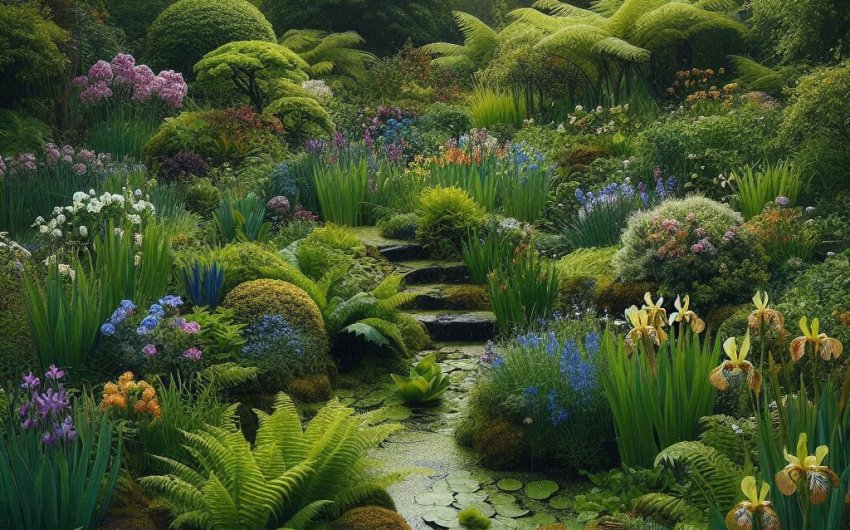
To create a bog garden in wet areas, identify a naturally low-lying spot with consistent moisture, or engineer a lined excavation to retain water, then fill it with an acidic, nutrient-poor, peat-based soil mix. This specialized environment will support unique and fascinating moisture-loving plants that thrive where others fail.
Why Create a Bog Garden in Wet Areas?
Instead of fighting constantly with a perpetually wet, soggy, or poorly draining section of your yard, creating a bog garden in wet areas turns a garden challenge into a unique opportunity. This specialized garden type offers numerous benefits, allowing you to embrace your landscape's natural characteristics.
1. Embrace Challenging Conditions
- Solve a Problem: Many gardeners despair over wet spots where traditional plants struggle with root rot and thrive. A bog garden transforms this "problem" area into a thriving habitat.
- Work with Nature: Instead of expensive and often ineffective drainage solutions, you are leaning into the existing conditions of your wet area, making your gardening efforts more sustainable and less arduous.
2. Grow Unique and Fascinating Plants
- Specialized Flora: Bog gardens support a unique array of plants that actually require consistently moist or waterlogged conditions, where others would perish. These include many carnivorous plants, striking wetland wildflowers, and unusual ferns.
- Carnivorous Plants: This is a major draw for many bog garden enthusiasts. Plants like Pitcher Plants (Sarracenia), Sundews (Drosera), and Venus Flytraps (Dionaea) are not only captivating but also help with insect control.
- Striking Aesthetics: Many bog plants offer interesting textures, vibrant colors, and unusual forms, creating a visually compelling and distinct garden feature that stands out from typical landscaping.
3. Attract Unique Wildlife
- Amphibian Habitat: The moist, cool conditions and specific plant types of a bog garden create an inviting habitat for beneficial amphibians like frogs and toads, which help control insect populations.
- Insect Diversity: While carnivorous plants will catch some insects, a bog garden also attracts specific insects drawn to wetland environments, increasing biodiversity in your yard.
4. Educational Opportunity
- Learn About Ecosystems: Creating a bog garden provides a hands-on opportunity to learn about wetland ecosystems, plant adaptations to nutrient-poor soils, and the fascinating world of carnivorous plants.
- Engage Children: The novelty of carnivorous plants is particularly appealing to children, making it a great way to introduce them to botany and ecology.
5. Low Maintenance (Once Established)
- Less Watering: In a naturally wet area, your bog garden will require far less supplemental watering than a traditional garden, often relying on rainfall and the existing high water table.
- Reduced Weeding: The acidic, nutrient-poor soil mix used in bog gardens discourages many common garden weeds from taking hold, simplifying maintenance.
- No Fertilizing: Bog plants are adapted to nutrient-poor conditions and typically do not require or even tolerate fertilization.
By harnessing your yard's natural moisture, a bog garden in wet areas transforms a landscape challenge into a vibrant, unique, and ecologically rich feature, showcasing an array of intriguing plants and attracting interesting wildlife.
What is a Bog Garden and How Does it Differ from a Pond?
Before we dive into how to create a bog garden in wet areas, it's important to clarify what a bog garden is and how it differs from a traditional garden pond. While both involve water, their primary purpose and ecosystem characteristics are distinct.
What is a Bog Garden?
A bog garden is a specialized type of garden designed to mimic the conditions of a natural bog or wetland. Its defining characteristics are:
- Consistently Saturated Soil: The soil in a bog garden is always wet, often waterlogged, but crucially, it's typically not open water. Plants grow directly in the saturated soil medium.
- Low Oxygen Conditions: Due to the constant saturation, air circulation in the soil is very limited, leading to low-oxygen (anaerobic) conditions.
- Acidic and Nutrient-Poor Soil: Natural bogs form in areas where organic matter (like sphagnum moss) decomposes slowly in acidic, low-oxygen conditions. This creates a highly acidic (low pH) and nutrient-deficient environment. Bog gardens replicate this using specific soil mixes.
- Specialized Plants: Only plants adapted to these unique conditions can thrive in a bog garden. Many are carnivorous plants that have evolved to capture insects to obtain essential nutrients (especially nitrogen and phosphorus) that are scarce in the bog soil.
How a Bog Garden Differs from a Pond:
While both ecosystems are water-dependent, here are the key distinctions:
| Feature | Bog Garden | Pond (Water Garden) |
|---|---|---|
| Primary Focus | Saturated soil for plants that grow in the waterlogged medium, replicating a wetland. | Open body of water for aquatic plants (floating, submerged, marginal) and often fish. |
| Water Level | Soil is consistently saturated to just below or at the surface. Water is visible but not deep. | Contains a significant depth of open water. |
| Soil/Substrate | Highly acidic, nutrient-poor, peat-based mix (e.g., sphagnum peat moss, sand). | Often uses a layer of soil or gravel at the bottom for marginal plants, but the primary medium is water itself for aquatic plants. |
| Oxygen Levels | Low oxygen (anaerobic) in the soil. | Higher oxygen levels in the water (especially with circulation/aeration). |
| Nutrient Levels | Very low nutrients, especially nitrogen and phosphorus. | Can have higher nutrient levels, especially if fish are present or from external runoff, which can lead to algae growth. |
| Key Plants | Carnivorous plants (Sarracenia, Drosera, Dionaea), pitcher plants, sundews, cranberries, bog orchids, some sedges, specific native wetland plants. | Water lilies, lotus, submerged oxygenators, cattails, irises (marginal plants), rushes, water hyacinth, duckweed. |
| Fauna | Primarily attracts amphibians (frogs, toads), specific insects attracted to bog plants. | Attracts a wider range of aquatic insects, birds, often designed for fish. |
| pH | Highly acidic (typically pH 3.5-5.5). | Can vary from neutral to slightly alkaline, depending on water source and additions. |
In essence, a bog garden is about a unique type of wet soil and the specialized plants that thrive within it, rather than a deep body of open water. This fundamental difference informs all aspects of how to create a bog garden in wet areas.
How Do You Choose the Right Location for a Bog Garden?
Choosing the right location is paramount when planning how to create a bog garden in wet areas. While a bog garden is designed for moisture, its success also hinges on adequate sunlight and avoiding potential problems from surrounding landscape elements.
1. Assess Existing Wet Areas:
- Natural Depression: Look for naturally low-lying areas in your yard where water tends to collect after rain, or where the soil always feels soggy. These are prime candidates for conversion into a bog garden.
- Drainage Issues: If you have an area with persistently poor drainage, where lawn grass struggles or other plants suffer from root rot, this is an ideal spot.
- Observe Water Levels: Spend some time observing how water behaves in the chosen area. Does it stay soggy for days after rain? Does it have a naturally high water table?
2. Sunlight Requirements:
- Full Sun is Ideal: Most bog plants, especially carnivorous plants, thrive in full sun (at least 6-8 hours of direct sunlight per day). This promotes vigorous growth and vibrant coloration in plants like pitcher plants and sundews.
- Minimum Light: Some bog plants might tolerate partial sun (4-6 hours), but flowering and overall health might be reduced. Avoid deep shade, as it will likely lead to leggy, unhealthy plants.
- Consider Seasonal Changes: Factor in how sunlight patterns change throughout the year, especially if deciduous trees are nearby.
3. Proximity to Water Source:
- Naturally Wet: If you choose a naturally wet area, it might stay sufficiently moist on its own.
- Supplemental Water: Even in a wet area, prolonged dry spells or droughts can cause a bog garden to dry out. You'll need access to a water source (preferably rainwater from a rain barrel, or distilled/reverse osmosis water) for occasional top-ups. Regular tap water can contain minerals that are harmful to bog plants over time.
4. Avoiding Problem Areas:
- Not Near Septic Systems or Drain Fields: Do not locate a bog garden near septic tanks or drain fields, as you could compromise these systems or contaminate your bog garden with unwanted nutrients.
- Not Under Large Trees (Usually): While you might think tree roots would appreciate the moisture, large tree roots can quickly invade a bog garden, absorbing moisture and nutrients, and making it harder to maintain the bog's specific conditions. The shade from large trees is also often too dense for most bog plants.
- Proximity to Home (Aesthetics & Access): Consider how the bog garden will integrate with your existing landscape. Placing it where you can easily view and enjoy its unique plants is a plus. Ensure you have easy access for maintenance (weeding, watering, trimming).
5. Size and Scale:
- Start Small: If this is your first bog garden, starting with a smaller, manageable size is a good idea. You can always expand later.
- Consider Depth: Most bog gardens are at least 12-18 inches deep to allow for adequate soil volume and consistent moisture.
By carefully evaluating these factors, you can select the perfect spot to build your bog garden, setting the stage for a thriving and fascinating mini-ecosystem in your wet landscape, which is essential to knowing how to create a bog garden in wet areas.
How Do You Prepare the Site and Install the Liner?
Preparing the site and installing the liner are crucial steps in how to create a bog garden in wet areas, especially if you're engineering a new bog in a spot that might not be consistently waterlogged naturally. The liner is what contains the acidic bog mix and retains moisture.
Materials You'll Need:
- Shovel
- Wheelbarrow or tarp for excavated soil
- Spirit level and string line (optional, for even edges)
- Pond liner: A durable, UV-resistant, fish-safe EPDM or PVC pond liner. Choose a size that covers your excavation plus an overlap for the edges. You can find options like Firestone Pond Liner.
- Underlayment: Geotextile fabric or old carpet scraps to protect the liner from punctures. Pond Liner Underlayment
- Scissors or utility knife: For cutting the liner.
Step-by-Step Site Preparation and Liner Installation:
Mark the Outline:
- Use a garden hose, rope, or spray paint to mark the desired shape of your bog garden on the ground. Keep the shape natural and flowing, avoiding rigid squares unless it fits your landscape design.
- Consider the size (as decided in the previous section).
Excavate the Hole:
- Depth: Dig down to a consistent depth. For most bog gardens, 18-24 inches (45-60 cm) is ideal. This allows enough room for a deep layer of bog mix and maintains consistent moisture.
- Sides: Create gently sloping sides, rather than vertical walls. This makes the liner easier to install and helps prevent collapses.
- Level Edge: Use a spirit level and string line to ensure the edges of your excavation are level all around. This prevents water from spilling out unevenly.
- Remove Debris: As you dig, remove all sharp rocks, roots, or any debris that could puncture the liner. Smooth out the bottom and sides of the hole.
Create a "Perched Water Table" (Crucial for Bog Gardens):
- Unlike a pond where you want to retain all water, a bog garden needs to be consistently wet but not completely waterlogged at the very surface. It needs a perched water table.
- Drainage Hole (Very Important!): Dig a shallow ditch or cut a very small hole (about 1/2 inch) in the lowest part of the liner after it's installed and positioned correctly. This allows excess water to escape if the bog gets too full, preventing it from becoming a true pond. The size of the hole will depend on how quickly you want excess water to drain. For most home bogs, a small slit or hole is sufficient. You can experiment by allowing the bog to fill, then seeing where the water naturally wants to overflow at the edge, and cutting the overflow hole there, about 2-4 inches below the intended top of the bog mix.
Install the Underlayment:
- Carefully line the entire excavation with geotextile fabric or old, soft carpet scraps. This protective layer cushions the liner and prevents punctures from sharp objects or rough soil.
- Ensure there are no wrinkles or folds that could compromise the liner.
Install the Pond Liner:
- Carefully unfold the pond liner and drape it over the underlayment, allowing plenty of excess liner to overlap the edges of your excavation.
- Smooth Wrinkles: Gently work out as many wrinkles as possible. Start by pressing the liner into the center of the hole and working your way outwards to the sides. Large folds are fine, but try to minimize small, tight wrinkles.
- Secure Edges Temporarily: Place rocks or bricks around the perimeter to temporarily hold the liner in place.
Fill with Water to Settle the Liner:
- Slowly begin to fill the lined excavation with water. As it fills, the weight of the water will help settle the liner and push it into the contours of the hole.
- Continue smoothing out wrinkles as it fills, adjusting the liner if needed.
- Fill the water to just a few inches below the rim of the excavation.
Mark and Cut the Overflow Hole:
- Once the water level has stabilized and the liner is settled, determine where you want your overflow hole. This is crucial for maintaining the consistent moisture level of a bog, allowing excess water to drain off without the bog becoming completely dry or a deep pond.
- Mark a spot a few inches (e.g., 2-4 inches or 5-10 cm) below your desired finished soil level, typically on one of the sides.
- Carefully cut a small, clean hole (e.g., 1/2 inch to 1 inch diameter) in the liner at this point. This will allow excess water to drain out, maintaining a consistently saturated but not perpetually flooded upper soil level.
Trim and Secure Liner Edges:
- Once the liner is settled and the overflow hole is cut, you can permanently secure the edges.
- Leave a generous overlap of 6-12 inches (15-30 cm) around the perimeter.
- You can bury the excess liner under a small lip of soil, rocks, or paving stones to hide it and hold it in place. Ensure there's a slight lip to contain the bog mix.
By carefully following these steps, you create the waterproof basin that forms the heart of your bog garden, successfully managing the water table, which is key to how to create a bog garden in wet areas.
What is the Best Soil Mix for a Bog Garden?
The soil mix for a bog garden is radically different from that of a conventional garden. It needs to be consistently wet, highly acidic, and extremely low in nutrients to mimic a natural bog environment and support the specialized plants that thrive there. Choosing and preparing the right substrate is paramount in how to create a bog garden in wet areas.
Key Characteristics of Bog Garden Soil:
- Acidic (Low pH): Natural bogs are inherently acidic (typically pH 3.5-5.5). This low pH is critical for the health of bog plants, especially carnivorous species.
- Nutrient-Poor: Bog plants are adapted to nutrient-deficient environments. Adding rich garden soil, compost, or fertilizers will harm them by burning their roots or encouraging weeds that outcompete them.
- Consistently Moist/Saturated: The mix must retain water exceptionally well while still offering some minimal aeration.
Recommended Bog Soil Mix (The Standard Recipe):
The most common and effective mix for a bog garden is a simple combination of:
- 2 parts Sphagnum Peat Moss (acidic, holds water): This is the backbone of bog soil. Look for large bags of baled sphagnum peat moss. It provides the necessary acidity and exceptional water retention.
- Important: Do NOT use "peat-based potting mix" or "garden soil" as these often contain added fertilizers, compost, or lime which are detrimental to bog plants. Just pure sphagnum peat moss. Premier Peat Moss
- 1 part Perlite or Horticultural Sand (for drainage/aeration):
- Perlite: Provides aeration and prevents compaction while still holding some moisture. It's lightweight. Espoma Organic Perlite
- Horticultural Sand: Use coarse, washed horticultural sand (often called play sand or silica sand). Avoid builder's sand or beach sand, which can contain salts or impurities. Sand adds weight and drainage.
- Choice: Perlite is generally preferred for lighter mixes, while sand can provide more stability. Both work well.
Mixing the Soil:
- Pre-Moisten Peat Moss: Sphagnum peat moss is very dry when it comes out of the bale and is difficult to wet. Before mixing, put the peat moss in a large tub or wheelbarrow and slowly add water, mixing it thoroughly until it is uniformly moist. It should feel like a damp sponge. This takes time and effort.
- Combine Ingredients: Add the perlite or sand to the moistened peat moss.
- Mix Thoroughly: Using a shovel, hoe, or your hands (wearing gloves!), mix the ingredients together very thoroughly until they are evenly distributed.
Filling the Bog Garden:
- Layer Over Liner: Once your liner is installed and secure (with its overflow hole), begin to fill the excavation with your prepared bog soil mix.
- Fill to Near Top: Fill the bog mix to about 2-4 inches (5-10 cm) below the rim of your liner or the surrounding ground level. This allows for a small lip to contain the soil.
- Settle and Moisten: Gently pat down the soil (don't compact it too heavily) to remove large air pockets. Then, slowly and thoroughly water the bog mix from the top with rainwater or distilled water until it is completely saturated and water begins to drain from your overflow hole. This ensures the entire medium is properly wet.
What NOT to Use in Bog Soil:
- Garden Soil or Topsoil: Will introduce too many nutrients, weed seeds, and may not have the correct pH or drainage.
- Compost or Manure: Far too rich in nutrients for bog plants, which can cause them to "burn" or be outcompeted by weeds.
- Regular Potting Mix: Contains fertilizers and often bark fines or other ingredients unsuitable for bog plants.
- Limestone or other pH-raising amendments: Bog plants need acidic conditions.
- Tap Water (for initial saturation and regular top-ups): Tap water often contains minerals, chlorine, and salts that will accumulate over time and raise the pH of your bog, eventually harming bog plants. Always use rainwater or distilled/reverse osmosis water for filling and subsequent watering.
By carefully creating this specific soil environment, you provide the essential foundation for a thriving and successful bog garden, directly addressing the core of how to create a bog garden in wet areas.
What Plants Thrive in a Bog Garden?
The magic of creating a bog garden in wet areas lies in the unique and fascinating plants that thrive in these consistently saturated, acidic, and nutrient-poor conditions. These plants have evolved remarkable adaptations to cope with their challenging environment.
Here's a list of popular and relatively easy-to-grow bog plants, with an emphasis on those often found in home bog gardens:
I. Carnivorous Plants (The Stars of the Bog Garden):
These plants capture insects to supplement their nutrient intake, especially nitrogen, which is scarce in bog soils.
- *North American Pitcher Plants (Sarracenia spp.):*
- Description: Produce tall, often colorful, pitcher-shaped leaves that collect rainwater and digest insects. Very striking and come in many species and hybrids (e.g., S. purpurea, S. flava, S. leucophylla).
- Needs: Full sun, consistently wet soil.
- Example: Sarracenia Pitcher Plant
- *Sundews (Drosera spp.):*
- Description: Small plants with leaves covered in glistening, sticky tentacles that trap insects. Wide variety of shapes and sizes (e.g., thread-leaved, spoon-leaved, rosetted).
- Needs: Full sun to partial sun, consistently wet soil.
- Example: Drosera Sundew Plant
- Venus Flytrap (Dionaea muscipula):
- Description: Famous for its jaw-like traps that snap shut on insects. While fascinating, they can be a bit fussier than Sarracenia or Drosera.
- Needs: Full sun, consistently wet soil.
- Example: Venus Flytrap Live Plant
- Cobra Lily (Darlingtonia californica):
- Description: A unique pitcher plant native to cool, boggy areas of California and Oregon. Its hooded, cobra-like leaves have "windows" that confuse insects.
- Needs: Full sun, consistently wet soil, and crucially, cool roots. Often benefits from flowing water or a deeper, cooler bottom to the bog. Can be more challenging.
II. Non-Carnivorous Bog Plants (Companions for the Carnivores):
These plants are also adapted to bog conditions and complement the carnivorous species beautifully.
- Cranberry (Vaccinium macrocarpon or V. oxycoccos):
- Description: Low-growing, trailing evergreen shrubs that produce edible berries.
- Needs: Full sun, consistently wet, acidic soil.
- Example: Cranberry Plant
- Bog Rosemary (Andromeda polifolia):
- Description: Small, evergreen shrub with slender leaves and delicate pink, bell-shaped flowers.
- Needs: Full sun to partial shade, acidic, wet soil.
- *Cotton Grass (Eriophorum spp.):*
- Description: Grass-like plants with distinctive fluffy, white seed heads that resemble cotton balls.
- Needs: Full sun, consistently wet soil.
- Orchids (Bog-dwelling species like Calopogon or Platanthera):
- Description: Some beautiful native orchid species thrive in bogs, producing delicate flowers.
- Needs: Specific light and moisture requirements vary by species, generally wet and acidic.
- Pitcher Plant Mimics (e.g., Bog Button - Lachnanthes caroliana):
- Description: Clumping plant with grass-like leaves and unique button-like flower heads. Often grows alongside pitcher plants.
- Needs: Full sun, wet soil.
- *Sedges and Rushes (Carex spp., Juncus spp.):*
- Description: Grass-like plants that provide texture and a natural wetland feel.
- Needs: Vary by species, but many tolerate very wet conditions.
Important Considerations for Planting:
- Source Plants Carefully: Purchase bog plants from reputable nurseries that specialize in them. Avoid collecting plants from wild bogs, as this can harm natural ecosystems.
- Planting Depth: Plant them at the same depth they were in their nursery pots.
- Water Immediately: Once planted, ensure the bog mix remains saturated with rainwater or distilled water.
By selecting these specialized plants, you bring your bog garden to life, showcasing a unique and fascinating collection of flora that thrives precisely where other plants falter, making your efforts in how to create a bog garden in wet areas a true success.
How Do You Water and Maintain a Bog Garden?
Even a bog garden in wet areas requires specific watering and maintenance practices to thrive. While it's designed to be consistently wet, it doesn't mean it's entirely hands-off. Proper care ensures the unique conditions are maintained for your specialized plants.
1. Watering: The Most Critical Aspect
- Use the Right Water: This cannot be stressed enough. Always use rainwater, distilled water, or reverse osmosis (RO) water.
- Why? Tap water, well water, and bottled drinking water typically contain dissolved minerals (like calcium, magnesium) and salts. Over time, these minerals will accumulate in your bog garden, raise the pH, and effectively "poison" the sensitive, nutrient-poor bog plants.
- Collection: Invest in a Rain Barrel to collect rainwater from your roof or use a Water Distiller or RO system for smaller bogs.
- Keep It Consistently Saturated: The bog soil should always feel very moist to soggy. It should never be allowed to dry out completely.
- Top-Ups: In dry spells, hot weather, or during prolonged droughts, you will need to actively top up the water level with appropriate water to maintain saturation.
- Overflow Hole: The overflow hole you created during liner installation will ensure the bog doesn't become a deep pond, but allows the soil to remain saturated.
- Don't Fertilize: Bog plants are adapted to nutrient-poor conditions. Adding fertilizers (even organic ones) will harm or kill them. Carnivorous plants get their nutrients from insects.
2. Weeding:
- Minimal Weeding: One of the benefits of bog gardens is that the acidic, nutrient-poor soil discourages many common garden weeds from taking hold.
- Hand-Pulling: When weeds do appear, hand-pull them immediately. Be gentle to avoid disturbing the roots of your bog plants.
- Avoid Herbicides: Never use chemical herbicides in a bog garden, as they will harm your specialized plants and contaminate the delicate ecosystem.
3. Pest Management:
- Integrated Pest Management (IPM): Generally, bog plants are quite resistant to common garden pests. Carnivorous plants naturally handle some insect control.
- Aphids/Mealybugs: If you see aphids or mealybugs, gently spray them off with a strong stream of pure rainwater (no soap!). Avoid chemical insecticides.
- Fungal Issues: Good air circulation is key. If you see signs of fungal disease, ensure the bog isn't excessively wet on the surface and that plants aren't too crowded.
4. Seasonal Maintenance:
- Fall Cleanup: In late fall, as plants enter dormancy (especially carnivorous plants), trim back any dead or browning foliage. For pitcher plants, you can cut back the dead pitchers. This removes potential breeding grounds for pests and diseases.
- Winter Protection (in Cold Climates):
- Dormancy: Many bog plants require a cold, dormant period. Do not bring them indoors or keep them warm unless specified for your variety.
- Mulch: In very cold climates, apply a layer of pine needles or straw mulch over the bog surface after the first hard freeze. This helps insulate the plants and prevent extreme temperature fluctuations. Remove the mulch in early spring.
- Maintain Moisture: Even in winter, the bog needs to remain consistently moist, not dry out. A frozen bog is usually fine, but a dry, frozen bog can be fatal.
- Spring Awakening: In early spring, remove any winter mulch. As temperatures rise, plants will begin to emerge.
5. Repotting (for Very Mature Clumps):
- Every few years, for very mature or overcrowded clumps of Sarracenia or other bog plants, you may need to divide them. This is typically done in late winter or early spring before active growth begins. Repot into fresh bog mix.
By adhering to these specific watering requirements (especially using the correct water source!) and regular, gentle maintenance, your efforts in how to create a bog garden in wet areas will result in a thriving and captivating unique ecosystem in your landscape.