
Growing Garlic Successfully in Cold Climates
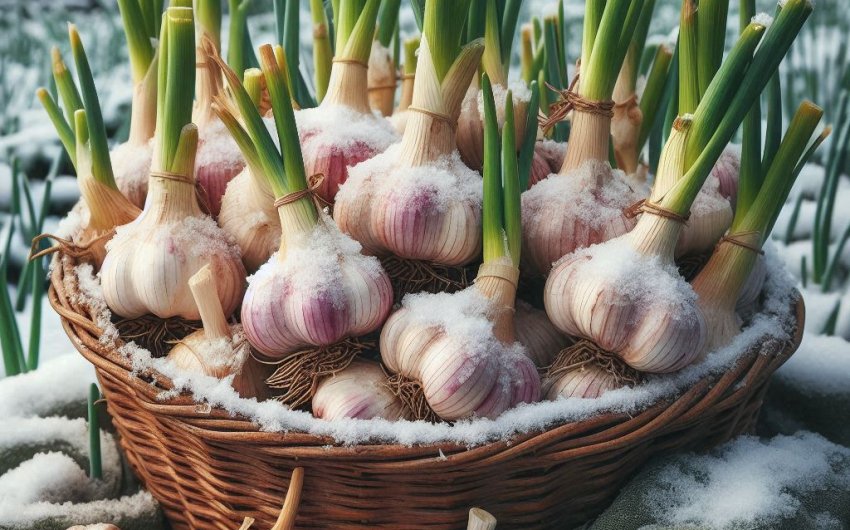
Growing garlic successfully in cold climates primarily involves planting the right hardneck varieties in fall, providing ample mulch for winter protection, ensuring well-draining soil, and consistent spring fertilization. The cold winter temperatures are actually beneficial, triggering proper bulb development.
Why Plant Garlic in Cold Climates?
Garlic is a surprisingly ideal crop for cold climates, perhaps counterintuitively. While many crops struggle with freezing temperatures, garlic, particularly hardneck varieties, actually requires a period of cold (vernalization) to develop into large, well-formed bulbs. This means cold-climate gardeners often have an advantage when it comes to growing robust garlic.
The Importance of Vernalization
- Bulb Formation: Hardneck garlic, the type best suited for cold climates, needs exposure to cold temperatures (typically below 40°F / 4°C for several weeks) to trigger the physiological process that tells the plant to divide into separate cloves and form a bulb. Without this chill period, garlic might produce a "round" (a single, undivided bulb) or simply grow greens without forming a usable bulb at all.
- Optimal Growth: Planting in the fall allows the garlic cloves to establish a strong root system before the ground freezes solid. These established roots are then ready to fuel vigorous leafy growth as soon as the ground thaws in spring, giving the plants a significant head start over spring-planted garlic. This longer growing season often results in larger, healthier bulbs.
Advantages for Cold Climate Gardeners
- Less Competition: Fall-planted garlic emerges early in spring, often before many weeds have fully taken hold, reducing early-season weeding effort.
- Efficient Use of Garden Space: Garlic occupies garden space during the off-season, leaving prime spring and summer space free for heat-loving annuals.
- Robust Varieties: Hardneck garlic, which excels in cold climates, is known for its strong, complex flavors and produces edible "scapes" (flower stalks) that are a delicious bonus crop.
- Reduced Pest Pressure (Often): Planting in fall and harvesting in mid-summer often means garlic avoids some of the peak pest cycles that affect spring-planted crops.
Growing garlic in a cold climate means working with the natural seasons, not against them. The winter chill is not a hurdle but a necessary ingredient for success.
What are the Best Garlic Varieties for Cold Climates?
For successful garlic cultivation in cold climates, hardneck garlic varieties are almost exclusively recommended. Unlike softneck varieties (which are better suited for warmer climates and braiding), hardnecks thrive with a cold winter chill and are known for their distinct characteristics.
Hardneck Garlic Varieties
Hardneck garlic (Allium sativum ophioscorodon) is characterized by a stiff central stalk (the "neck" or "scape") that emerges from the bulb. This stalk eventually curls and may produce a small flower or bulbils (tiny aerial cloves).
- Why Hardnecks for Cold Climates?
- Vernalization Requirement: They absolutely require a significant cold period (vernalization) to trigger bulb formation.
- Cold Hardiness: Generally more cold-hardy than softneck varieties.
- Flavor Profile: Often have more complex, nuanced, and spicier flavors than softnecks.
- Scapes: Produce edible garlic scapes in late spring/early summer, a delicious bonus crop that must be removed for larger bulb development.
Main Subgroups of Hardneck Garlic
Hardneck garlic is broadly divided into several families, each with slightly different characteristics:
- Porcelain:
- Characteristics: Large, beautiful white bulbs with 4-6 very large cloves. Known for their strong, robust, and very hot flavor. Excellent storage life (6-10 months). High allicin content (the beneficial compound in garlic). Very cold hardy.
- Popular Varieties: 'Music' (one of the most popular and reliable for cold climates), 'German White', 'Georgian Crystal', 'Majestic'.
- Music Garlic Seed (Cloves)
- Rocambole:
- Characteristics: Classic garlic flavor – rich, complex, and spicy. Easy-to-peel cloves. Tend to have 8-10 cloves per bulb. Shorter storage life (4-6 months) than Porcelains. Known for their dramatic scape curl.
- Popular Varieties: 'German Red' (reliable in cold), 'Spanish Roja', 'Krasnodar White', 'Romanian Red'.
- Purple Stripe (and Glazed Purple Stripe):
- Characteristics: Distinctive purple streaks or blotches on the bulb wrappers. Rich, true garlic flavor that is often described as sweet, especially when baked. 8-12 cloves per bulb. Good storage life (6-8 months). Good cold hardiness.
- Popular Varieties: 'Chesnok Red' (excellent baking garlic), 'Purple Glazer', 'Siberian'.
- Marbled Purple Stripe:
- Characteristics: A cross between Rocambole and Purple Stripe. Large cloves (5-8 per bulb) with distinct marbling. Strong, hot flavor with good complexity. Good storage.
- Popular Varieties: 'Metechi', 'Shatili'.
Softneck Garlic (Generally Not Recommended for Cold Climates)
Softneck garlic (Allium sativum sativum) typically doesn't produce a scape and has a flexible neck, making it ideal for braiding. They have many more, smaller cloves per bulb (10-20+) and generally have a milder flavor.
- Why Avoid in Cold Climates: They do not require vernalization and can struggle with very cold winters. They may not form proper bulbs without a significant cold period, or they may simply die.
- Main Subgroups: Silverskin and Artichoke.
Where to Buy Seed Garlic: Always buy certified disease-free "seed garlic" from reputable nurseries or seed suppliers, not from a grocery store. Grocery store garlic may be treated to prevent sprouting or carry diseases. Hardneck Garlic Seed Bulbs are available online.
Choosing the right hardneck variety is the first critical step to growing garlic successfully in a cold climate.
When is the Best Time to Plant Garlic in Cold Climates?
The optimal time to plant garlic in cold climates is in the fall, allowing the cloves to establish a robust root system before the ground freezes and to experience the necessary cold temperatures for vernalization.
Timing Guidelines
- Ideal Window: Plant garlic cloves about 4-6 weeks before your average first hard frost date, or when nighttime temperatures consistently drop into the 40s°F (4-9°C) but before the ground freezes solid.
- Regional Variation: This typically falls between late September and early November in most cold regions (USDA Zones 3-6).
- Earlier in Colder Zones: If you are in USDA Zone 3 or 4, you'll want to aim for late September to mid-October.
- Later in Milder Cold Zones: In Zone 5 or 6, you might plant from mid-October into early November.
- What Happens if Planted Too Early? If planted too early when the soil is still warm, the garlic cloves might sprout too much leafy top growth before winter sets in. This tender growth can then be damaged by hard freezes, which can weaken the plant and potentially reduce bulb size.
- What Happens if Planted Too Late? If planted too late, the ground may freeze before the cloves have a chance to establish a good root system. Poor root development makes the plant more susceptible to winter heaving (being pushed out of the ground by freeze-thaw cycles) and less vigorous in the spring, leading to smaller bulbs.
How to Prepare for Planting
- Purchase Seed Garlic: Secure your hardneck seed garlic varieties well in advance.
- Separate Cloves: Just before planting, carefully break apart the garlic bulbs into individual cloves. Use only the largest, healthiest cloves for planting, as these produce the largest bulbs. Avoid any cloves that are soft, shriveled, or damaged. Do not remove the papery skin from the cloves.
- Prepare the Bed: Ensure your planting bed is ready before separating cloves. Once separated, the cloves begin to lose vigor, so plant them within 24-48 hours.
By hitting that sweet spot for fall planting, you give your garlic the perfect foundation for healthy growth and optimal bulb development.
How Do I Prepare the Soil for Growing Garlic in Cold Climates?
Proper soil preparation is fundamental for growing large, healthy garlic bulbs in cold climates. Garlic thrives in rich, well-draining soil, which also helps protect it during winter.
1. Sunlight Requirements
- Full Sun: Garlic needs at least 6-8 hours of direct sunlight per day to produce large, robust bulbs. Choose the sunniest spot in your garden for your garlic bed.
2. Excellent Drainage
- Crucial for Garlic: Garlic absolutely detests "wet feet" and will rot in consistently soggy soil. In cold climates, poor drainage combined with freezing temperatures can be fatal.
- Amend Heavy Soil: If you have heavy clay soil, amend it generously with organic matter like compost, well-rotted manure, or aged pine bark fines. This improves soil structure, aeration, and drainage. Aim for a soil mix that drains well but still retains some moisture.
- Raised Beds: For areas with naturally heavy clay or persistent drainage issues, planting garlic in raised beds is an excellent solution. Raised beds inherently provide superior drainage and allow you to fill them with an ideal soil mix.
3. Rich, Fertile Soil
- Heavy Feeders: Garlic plants are heavy feeders, especially for phosphorus and potassium, which are crucial for bulb development.
- Compost: Incorporate a generous layer of well-rotted compost (at least 2-4 inches deep) into the top 6-12 inches of your planting bed. This provides a slow-release source of nutrients and improves soil structure.
- Balanced Organic Fertilizer: You can also mix in a balanced organic granular fertilizer (e.g., 5-10-10 or 4-4-4) or one slightly higher in phosphorus and potassium at planting time, following package directions. Organic Bone Meal (for phosphorus) and Greensand (for potassium) are good organic options.
- Avoid Fresh Manure: Do not use fresh manure just before planting, as it can be too strong and burn the cloves, or promote leafy growth at the expense of bulb development. Well-rotted or composted manure is fine.
4. Optimal Soil pH
- Slightly Acidic to Neutral: Garlic prefers a soil pH between 6.0 and 7.0.
- Soil Test: It's always a good idea to perform a Soil Test Kit before planting to determine your soil's current pH and nutrient levels. Adjustments can be made using lime (to raise pH) or elemental sulfur (to lower pH) if necessary, based on test recommendations.
By taking the time to prepare your soil properly in the fall, you create the perfect foundation for a robust garlic harvest the following summer.
How Do I Plant Garlic Cloves in a Cold Climate?
Planting garlic cloves in a cold climate involves a few simple steps, but precision in depth and spacing, followed by adequate mulching, is key to overwintering success.
Step-by-Step Planting Guide
- Separate Cloves: Just before planting, carefully break the garlic bulb into individual cloves. Select the largest, healthiest cloves for planting. The bigger the clove, the bigger the resulting bulb.
- Orient Correctly: Plant each clove with the pointed end facing up and the flat, basal plate (where the roots emerge) facing down. This ensures the sprout grows upwards and roots grow downwards efficiently.
- Planting Depth: This is critical for cold climates. Plant cloves 4-6 inches deep. Deeper planting offers better insulation from extreme cold and helps prevent "heaving" (where freeze-thaw cycles push the cloves out of the ground).
- Note: In very mild winter climates, shallower planting (2-3 inches) might be acceptable, but for cold climates, deeper is better.
- Spacing: Space individual cloves 4-6 inches apart within the row. If planting in multiple rows, space rows 12-18 inches apart to allow for good air circulation and easier harvesting. Good spacing ensures each plant has enough room and resources to develop a large bulb.
- Backfill and Water: Gently backfill the holes with the prepared soil mixture, lightly firming it around the cloves. Water the newly planted bed thoroughly to settle the soil and initiate root growth.
- Apply Mulch: Immediately after watering, apply a thick layer of organic mulch. This is perhaps the most important step for cold climates.
- Type of Mulch: Use straw, shredded leaves, hay, or aged wood chips. Straw is highly recommended as it provides good insulation and is easy to work with.
- Thickness: Apply a layer of mulch at least 4-6 inches thick, and even up to 8-12 inches thick in very cold zones (USDA Zone 3).
- Benefits of Mulch:
- Insulation: Protects the cloves from extreme cold and rapid temperature fluctuations, preventing winter kill.
- Prevents Heaving: Stabilizes soil temperature, reducing the freeze-thaw cycles that can push cloves out of the ground.
- Moisture Retention: Helps retain soil moisture throughout winter and into spring.
- Weed Suppression: Reduces weed growth in spring.
- Adds Organic Matter: Decomposes over time, enriching the soil.
- Organic Straw Bale
Once planted and mulched, your garlic will rest through the winter, silently undergoing the vernalization process necessary for robust spring growth.
How Do I Care for Garlic Throughout the Growing Season in Cold Climates?
After the long winter, your fall-planted garlic will emerge in spring, ready for active growth. Ongoing care through spring and early summer is crucial for maximizing bulb size and ensuring a healthy harvest.
1. Spring Emergence and Mulch Management
- Emergence: Your garlic sprouts should begin to push through the mulch as soon as the ground thaws and temperatures consistently rise in early spring.
- Adjust Mulch: As sprouts emerge, you can leave the mulch in place (they will grow through it), or if the layer is exceptionally thick, you can gently thin it out slightly around the sprouts to allow for better light penetration and air circulation. However, maintaining a good mulch layer (2-4 inches) throughout the season is still beneficial for weed suppression and moisture retention.
2. Watering
- Consistent Moisture is Key: Once garlic starts actively growing in spring, it needs consistent moisture, especially during bulb formation (typically late spring through early summer). Aim for about 1 inch of water per week, from rain or irrigation.
- Deep Watering: Water deeply to encourage robust root development.
- Reduce Watering Late Season: As harvest approaches (usually mid-summer), reduce or stop watering entirely once the lower leaves begin to yellow and brown. This helps the bulbs "cure" in the ground and prevents rot.
3. Fertilizing
- Spring Boost: Give your garlic a boost in early spring (as soon as green shoots emerge) with a nitrogen-rich fertilizer to promote strong leafy growth. Options include blood meal, fish emulsion, or a balanced granular fertilizer (e.g., 10-10-10).
- Mid-Season Boost (Optional): A second, lighter application of a balanced fertilizer in late spring (around late May/early June in many cold climates) can further support bulb development. However, avoid heavy nitrogen late in the season, as it promotes foliage at the expense of bulb size.
4. Removing Garlic Scapes
- What are Scapes? Hardneck garlic varieties produce a curling flower stalk called a "scape" in late spring to early summer.
- Why Remove Them? Removing the scape is crucial for maximizing bulb size. If left on the plant, the plant's energy will be diverted to producing flowers and bulbils at the top of the scape, rather than enlarging the underground bulb.
- When to Remove: Harvest scapes when they have formed a full curl, but before they uncurl. Cut them close to the top leafy part of the plant.
- Edible Bonus! Garlic scapes are delicious! Use them in stir-fries, pesto, roasted, or grilled.
5. Weed Control
- Crucial for Bulb Size: Weeds compete directly with garlic for water, nutrients, and sunlight, significantly reducing bulb size.
- Hand Weeding: Hand-weed regularly, especially in spring, being careful not to disturb the developing garlic bulbs.
- Mulch as Weed Suppressant: Your thick layer of fall mulch will do a lot of the work for you by suppressing most weeds.
By providing consistent care through the spring and early summer, you'll ensure your fall-planted garlic has everything it needs to develop into impressive, flavorful bulbs.
When and How Do I Harvest and Cure Garlic in Cold Climates?
Harvesting garlic at the right time and proper curing are crucial steps that directly impact the size, flavor, and storage life of your homegrown bulbs. In cold climates, this typically occurs in mid-summer.
When to Harvest Garlic
Timing is key. Harvest too early, and the bulbs will be small and not fully formed. Harvest too late, and the wrappers might split, leading to poorer storage and potential disease.
- Look for Leaf Browning: The primary indicator is when the lower 3-4 leaves (or about 50-75% of the leaves) have yellowed and started to turn brown, while the top leaves are still green.
- Mid-Summer: In most cold climates, this typically occurs from late June to late July, depending on your specific location, planting date, and variety.
- Don't Wait for All Leaves to Brown: Waiting for all the leaves to brown means the outer wrappers of the bulb may have disintegrated, exposing the cloves and making them vulnerable to disease and reducing storage time.
- Test Dig: If unsure, carefully dig up one or two bulbs. If the cloves are well-formed and clearly separated, and the outer wrappers are intact, they are ready.
How to Harvest Garlic
- Stop Watering: About 1-2 weeks before your anticipated harvest date, stop watering the garlic bed entirely. This helps to dry out the soil and initiate the curing process in the ground.
- Loosen Soil: Do not pull garlic bulbs directly out of the ground by the stem, as this can break the stem from the bulb. Instead, use a garden fork or spade to carefully loosen the soil around each bulb before gently lifting them. Be careful not to damage the bulbs.
- Lift Carefully: Once loosened, gently pull the bulbs from the ground by their stems.
- Remove Excess Soil: Lightly brush off most of the loose soil from the bulbs. Do not wash the bulbs with water, as this can promote rot during curing.
- Leave Roots and Leaves Intact: Leave the roots and all the leaves attached to the bulbs during the initial curing process. The plant will draw nutrients from the leaves into the bulb as it dries.
Curing Garlic
Curing is a critical step that dries the outer wrappers of the bulb, making them papery and protective, sealing in the flavor, and allowing the bulbs to store for many months.
- Find a Curing Location: Choose a location that is:
- Warm (70-80°F / 21-27°C): A garage, shed, or covered porch is ideal.
- Dry: Good airflow is essential. Avoid humid environments.
- Shady: Keep bulbs out of direct sunlight, which can cook them.
- Good Air Circulation: Crucial to prevent mold and rot.
- Methods of Curing:
- Hanging in Bundles: Tie 5-10 garlic plants together in small bundles and hang them from rafters or hooks.
- Laying on Racks: Lay individual bulbs in a single layer on wire racks or screens, ensuring good airflow all around them.
- Garlic Curing Rack
- Curing Time: Curing typically takes 2-4 weeks, depending on humidity and temperature. The bulbs are fully cured when:
- The outer wrappers are dry and papery.
- The neck is completely dry and tight.
- The roots are brittle and dry.
- Final Cleaning: Once cured, trim the roots close to the bulb. Cut the stem about 1/2 to 1 inch above the bulb. Brush off any remaining loose soil.
- Storage: Store cured garlic in a cool (50-60°F / 10-15°C), dry, dark, and well-ventilated place. Do not store in plastic bags or airtight containers, as this will lead to mold. Mesh bags or open baskets are ideal.
By mastering the harvest and curing process, your efforts in growing garlic successfully in cold climates will pay off with a flavorful, long-lasting supply of your own homegrown bulbs.