
Top Vegetables to Grow in Containers on Patios
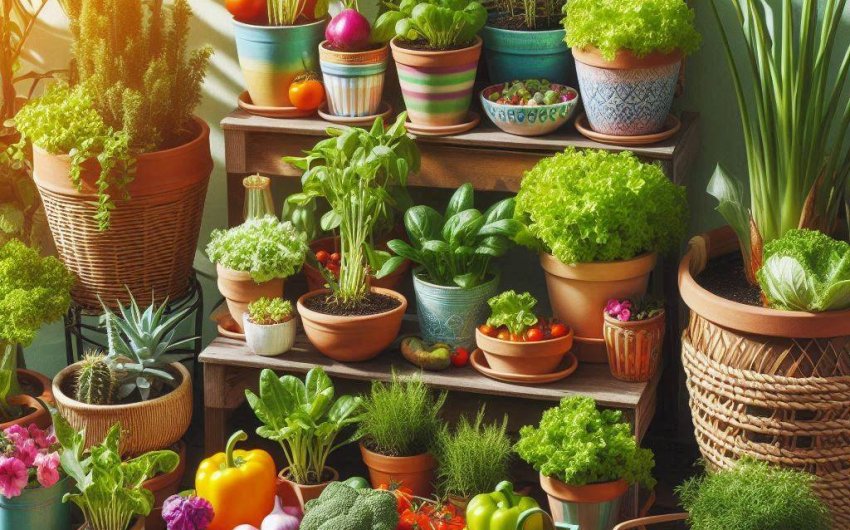
Dreaming of fresh, homegrown produce but limited by space? You don't need a sprawling backyard to cultivate a bountiful harvest. Your patio, balcony, or even a sunny windowsill can become a thriving edible oasis with the right planning. Growing vegetables in containers offers incredible flexibility, allowing urban dwellers and homeowners with small yards to enjoy the unparalleled taste of freshly picked produce. This comprehensive guide will highlight the top vegetables to grow in containers on patios, exploring ideal varieties, container sizes, and essential care tips to ensure your compact garden is productive and delicious.
Why Choose Container Gardening for Vegetables on Patios?
Container gardening is not just a compromise for limited space; it offers distinct advantages for growing vegetables.
What are the Benefits of Growing Vegetables in Containers?
- Space Efficiency: The most obvious benefit. Containers allow you to garden vertically and utilize every sunny square foot of your patio, balcony, or even a rooftop.
- Portability: You can easily move containers to optimize sun exposure throughout the day, shelter plants from extreme weather (frost, strong winds, intense heat), or even bring them indoors if needed.
- Soil Control: You have complete control over the potting mix. This is invaluable if your native garden soil is poor, compacted, or has an undesirable pH. You can create the perfect growing medium for each specific vegetable.
- Pest and Disease Management: Containers can offer a degree of isolation from soil-borne pests and diseases prevalent in open garden beds. It's also easier to spot and treat issues on container plants.
- Reduced Weeding: Weeds are far less of a problem in containers, saving you significant time and effort.
- Ergonomics: For those with mobility issues or back problems, raised containers or vertical gardens allow for gardening at a comfortable height.
- Aesthetic Appeal: A well-designed container garden adds beauty and greenery to your patio, making it a more inviting and productive space.
- Earlier/Later Harvests: By moving plants, you can often extend the growing season, getting an earlier start in spring or protecting plants from early fall frosts.
What Makes a Vegetable Ideal for Container Growing?
Not all vegetables are equally suited for pots. Look for these characteristics:
- Compact Growth Habit: Plants labeled as "bush," "determinate," "dwarf," or "patio" varieties are bred to stay smaller and more manageable.
- Shallow or Contained Root System: Vegetables that don't need deep, sprawling roots do best in pots.
- Productivity in Limited Space: Choose plants that produce a good yield from a single plant or in a small footprint.
- Long Harvest Period (Optional but nice): "Cut-and-come-again" greens or continuous fruiting plants offer longer enjoyment.
- Aesthetic Value: Some container vegetables are also quite attractive, adding to your patio's appeal.
What are the Top 10 Vegetables to Grow in Containers on Patios?
These vegetables are celebrated for their container-friendly nature and reliable yields, perfect for your patio garden.
1. Tomatoes: Patio Perfection
- Why they're great: Nothing beats the taste of a homegrown tomato. Many determinate (bush) varieties are specifically bred for containers.
- Ideal Varieties: 'Patio', 'Bush Early Girl', 'Celebrity' (semi-determinate), 'Tiny Tim' (cherry), 'Micro Tom'. Look for labels stating "dwarf," "bush," or "container."
- Container Size: Minimum 5-gallon (10-15 inches diameter) for dwarf varieties. Larger 10-20 gallon containers are better for bush types. A 5-gallon fabric grow bag works well.
- Support: Even bush varieties benefit from a small tomato cage or stake.
- Sun: At least 6-8 hours of direct sun.
2. Peppers: Spicy & Sweet in Pots
- Why they're great: Peppers (bell, chili, jalapeño) are naturally compact and thrive in warm, sunny conditions.
- Ideal Varieties: 'Bell Boy', 'Patio Bell', 'Jalapeño M', 'Poblano', 'Thai Hot'.
- Container Size: Minimum 3-5 gallon (10-12 inches diameter) per plant.
- Support: Taller varieties might need staking as fruit develops.
- Sun: At least 6-8 hours of direct sun.
3. Bush Beans: Quick & Easy Yields
- Why they're great: Bush beans are super productive in a small space and don't require trellising like pole beans.
- Ideal Varieties: 'Provider', 'Contender', 'Blue Lake Bush'.
- Container Size: Minimum 2-3 gallon (8-10 inches diameter) per 2-3 plants. Can grow well in window boxes.
- Sun: At least 6 hours of direct sun.
4. Lettuce & Leafy Greens: Cut-and-Come-Again
- Why they're great: Fast-growing, shallow-rooted, and perfect for continuous harvesting. You can plant multiple succession crops.
- Ideal Varieties: Any loose-leaf lettuce ('Black Seeded Simpson', 'Salad Bowl'), spinach, arugula, Swiss chard, kale (dwarf varieties like 'Lacinato Dwarf').
- Container Size: Shallow, wide containers (6-8 inches deep, 12-24 inches wide) are ideal. Window boxes or hanging baskets work great.
- Sun: 4-6 hours of sun (or partial shade in hot climates to prevent bolting).
5. Radishes: Speedy Satisfaction
- Why they're great: Extremely fast from seed to harvest (as little as 3-4 weeks!), shallow roots, and cold-tolerant.
- Ideal Varieties: 'Cherry Belle', 'French Breakfast', 'Sparkler'.
- Container Size: Any container at least 6 inches deep and wide.
- Sun: At least 6 hours of sun.
6. Carrots: Compact Roots
- Why they're great: Special 'short and stout' varieties are bred to grow well in shallower containers.
- Ideal Varieties: 'Danvers Half Long', 'Little Finger', 'Paris Market', 'Chantenay'.
- Container Size: At least 8-12 inches deep, but wider for more carrots. A deep fabric grow bag is perfect.
- Sun: At least 6 hours of direct sun. Ensure loose, well-draining soil to prevent forking.
7. Herbs: Culinary Essentials
- Why they're great: Most herbs are naturally compact, highly aromatic, and are harvested frequently, making them perfect for grabbing fresh additions to meals.
- Ideal Varieties: Basil, mint, parsley, cilantro, chives, rosemary, thyme, oregano.
- Container Size: Individual herbs can go in 6-8 inch pots. Large herb planters or window boxes can hold multiple.
- Sun: 4-6 hours of direct sun for most. Mint can tolerate some shade.
8. Spinach: Cool Season Harvest
- Why it's great: Fast-growing, produces multiple harvests, and thrives in cooler temperatures.
- Ideal Varieties: 'Bloomsdale Long Standing', 'Tyee'.
- Container Size: Similar to lettuce, wide, shallow containers (6-8 inches deep) are best.
- Sun: 4-6 hours of sun (can tolerate partial shade).
9. Cucumbers (Bush Varieties): Climbing Compactness
- Why they're great: Bush varieties are bred for shorter vines, and training them vertically maximizes space.
- Ideal Varieties: 'Bush Pickle', 'Spacemaster', 'Salad Bush'.
- Container Size: Minimum 5-gallon (12-15 inches diameter) per plant.
- Support: Absolutely essential. Provide a small cage or trellis for the plant to climb.
- Sun: At least 6-8 hours of direct sun.
10. Potatoes: Under the Soil
- Why they're great: While requiring larger containers, potatoes are surprisingly easy to grow in pots, and harvesting is simple!
- Ideal Varieties: 'Yukon Gold', 'Red Pontiac', 'Kennebec'.
- Container Size: Large containers at least 15-20 gallons (or purpose-built potato grow bags).
- Sun: At least 6 hours of direct sun.
- Technique: Plant a single seed potato at the bottom, and "hill up" with more soil as the plant grows, burying stems to encourage more tubers.
How Do I Choose the Right Containers and Soil for Patio Vegetables?
The success of your container garden depends heavily on selecting appropriate containers and providing the best possible growing medium.
What Kind of Containers are Best for Vegetables?
The material and size of your containers are critical.
- Material Options:
- Plastic Pots: Lightweight, retain moisture well, inexpensive. Can overheat in intense sun.
- Terracotta/Clay Pots: Porous, allowing for good airflow and evaporation, which can prevent overwatering. They dry out quickly, requiring more frequent watering. Heavy.
- Fabric Grow Bags: Excellent for aeration and drainage, preventing root circling and overheating. Lightweight and durable. Highly recommended for vegetables. Look for fabric grow bags.
- Wood Planters: Natural look, good insulation. Ensure treated wood is food-safe or line with plastic.
- Self-Watering Planters: Excellent for busy gardeners, as they have a reservoir that wicks water up to the soil. Reduce watering frequency.
- Drainage Holes: This is non-negotiable. Every container MUST have drainage holes to prevent waterlogging and root rot.
- Color: Dark-colored containers absorb more heat, which can be beneficial in cooler climates but detrimental in hot, sunny spots where roots can overheat. Lighter colors reflect heat.
- Size Matters: The bigger the plant, the bigger the pot. Ensure the container is large enough to support the mature plant's root system. Refer to the specific vegetable recommendations above.
What is the Ideal Potting Mix for Container Vegetables?
Standard garden soil is too heavy for containers. A specialized potting mix is essential.
- Do NOT Use Garden Soil: It compacts easily in pots, suffocating roots and preventing drainage.
- High-Quality Potting Mix: Use a lightweight, well-draining potting mix formulated for containers. Look for mixes that contain:
- Peat Moss or Coco Coir: For water retention.
- Perlite or Vermiculite: For aeration and drainage.
- Compost or Worm Castings: For slow-release nutrients.
- DIY Potting Mix (Optional): Many experienced gardeners create their own mixes for superior results. A common recipe might include:
- 1 part coco coir (rehydrated)
- 1 part perlite
- 1 part compost or worm castings
- A small amount of slow-release organic fertilizer.
- Avoid Filling with Non-Draining Material: Do not put gravel, rocks, or broken pot shards at the bottom of the container. This creates a "perched water table" and actually worsens drainage. Just use potting mix.
What are the Essential Care Tips for Container Vegetables on Patios?
Container vegetables have unique needs compared to in-ground plants. Consistent care is crucial for a successful harvest.
How Much Sunlight Do Patio Vegetables Need?
- Sun is King: Most fruiting vegetables (tomatoes, peppers, cucumbers, beans) need at least 6-8 hours of direct sunlight per day to produce well.
- Leafy Greens: Lettuce, spinach, and other leafy greens can tolerate slightly less sun (4-6 hours) and may even appreciate some afternoon shade in very hot climates to prevent bolting (going to seed).
- Observe Your Patio: Pay attention to how the sun moves across your patio throughout the day. You may need to move containers to chase the sun.
- Reflective Surfaces: White walls or fences can reflect additional light onto your plants.
How Often Should I Water Container Vegetables?
This is the most critical aspect of container vegetable gardening.
- Frequent Watering: Containers dry out much faster than garden beds, especially on hot, sunny patios. You may need to water daily, or even twice a day during peak summer heat.
- The "Feel Test": Don't water on a schedule. Stick your finger 1-2 inches into the soil. If it feels dry, it's time to water.
- Water Thoroughly: Water until water drains from the bottom of the pot. This ensures the entire root ball is hydrated.
- Avoid Waterlogging: While frequent, never let containers sit in standing water. Ensure good drainage.
- Self-Watering Containers: These are a game-changer for busy gardeners, significantly reducing watering frequency.
- Mulch: A thin layer of straw or coco coir mulch on top of the soil helps retain moisture and regulate soil temperature.
When and How Do I Fertilize Container Vegetables?
Container vegetables are heavy feeders because nutrients leach out with frequent watering.
- Start with Rich Soil: Begin with a high-quality potting mix that includes some compost or slow-release fertilizer.
- Regular Feeding: Begin fertilizing 2-4 weeks after planting. Most vegetables need to be fed every 2-4 weeks throughout their growing season.
- Type of Fertilizer:
- Balanced Liquid Fertilizer: For consistent feeding. A balanced organic liquid fertilizer is excellent.
- Slow-Release Granular: Can be incorporated into the soil at planting, providing nutrients for several months.
- Specific Needs: Tomatoes and peppers often benefit from a fertilizer slightly higher in phosphorus and potassium once flowering begins.
- Dilution: Always follow the fertilizer package directions carefully. For liquid fertilizers, often using at half strength is a good practice for consistent feeding.
- Apply to Moist Soil: Never fertilize a dry plant, as this can burn the roots. Water first, then fertilize.
What About Support and Pruning?
Even compact varieties can benefit from some assistance.
- Staking/Caging: Tomatoes, peppers, and bush cucumbers will produce better and stay healthier with some form of support. Use small tomato cages, stakes, or bamboo stakes.
- Trellising: For bush cucumbers, even though they are compact, providing a small trellis or cage will keep the fruit off the ground and improve air circulation.
- Pruning (Optional): For tomatoes, removing suckers (small shoots that emerge in the leaf axils) can direct energy to fruit production, though some determinate varieties can be left to grow naturally.
How Do I Troubleshoot Common Container Vegetable Problems?
Even the most carefully tended container gardens can face challenges. Knowing how to identify and address common issues can save your harvest.
Why Are My Container Vegetables Wilting or Yellowing?
These are common signs of stress, usually related to water or nutrients.
- Wilting:
- Underwatering (Most Common): The soil is bone dry. The plant will perk up quickly after a thorough watering.
- Overwatering (Less Common but Fatal): Soil is soggy, roots are rotting. Plant wilts because roots can't absorb water. Remove from pot, check roots (mushy, brown), repot in fresh, drier soil if possible.
- Heat Stress: During extreme heat, plants may wilt temporarily even with adequate water. Provide afternoon shade if possible.
- Yellowing Leaves:
- Nutrient Deficiency: Pale yellowing, especially older leaves (e.g., nitrogen deficiency). Solution: Fertilize regularly.
- Overwatering: Yellowing, often soft and mushy leaves. Solution: Improve drainage, reduce watering frequency.
- Too Little Light: Overall pale or yellowing. Solution: Move to a sunnier spot.
- Natural Aging: Older leaves at the bottom of the plant may naturally yellow and drop.
How Do I Deal with Pests and Diseases in Container Gardens?
Containers can limit pest and disease spread, but aren't immune.
- Regular Inspection: Check your plants daily for any signs of pests (small insects, sticky residue, chewed leaves) or diseases (spots, discoloration, mold). Early detection is key.
- Common Pests:
- Aphids: Small, soft-bodied insects clustering on new growth. Blast with a strong stream of water or use insecticidal soap.
- Spider Mites: Tiny, create fine webs, cause stippling on leaves. Thrive in dry conditions. Increase humidity, hose down plants.
- Whiteflies: Small, white, winged insects that fly up when disturbed. Use insecticidal soap or sticky traps.
- Common Diseases:
- Fungal Issues (e.g., Powdery Mildew): White powdery coating on leaves, often due to poor air circulation or high humidity. Improve air circulation, apply organic fungicides like Neem oil or baking soda solution.
- Blossom End Rot (Tomatoes/Peppers): Dark, sunken spot on the bottom of the fruit. Caused by inconsistent watering and/or calcium deficiency. Maintain consistent moisture, consider calcium supplements.
- Organic Solutions: Most pest and disease issues in containers can be managed with organic approaches like hand-picking pests, using insecticidal soap, Neem oil, or introducing beneficial insects.
- Pruning Affected Parts: Remove and dispose of any severely infected leaves or stems immediately to prevent spread.
What About Pollination Issues?
For fruiting vegetables, pollination is essential.
- Wind & Insects: Most vegetable flowers are pollinated by wind or insects (bees). On a patio, insect activity might be lower.
- Hand Pollination: For plants like tomatoes, peppers, squash, or cucumbers, you can gently hand pollinate by shaking the plant or using a small paintbrush to transfer pollen between flowers. Do this in the morning when pollen is viable.
- Attract Pollinators: Plant pollinator-friendly flowers nearby, even in small pots, to encourage bees to visit your patio.
Growing vegetables in containers on patios is an incredibly rewarding endeavor, transforming limited urban spaces into vibrant, productive gardens. By selecting the top vegetables suited for pots, providing the right container and soil, and implementing consistent care, you'll be able to enjoy the unparalleled freshness and flavor of homegrown produce, bringing the joy of gardening right to your doorstep, no matter your space constraints.