
Dealing with Leaf Blight in Lawns: Causes and Treatments
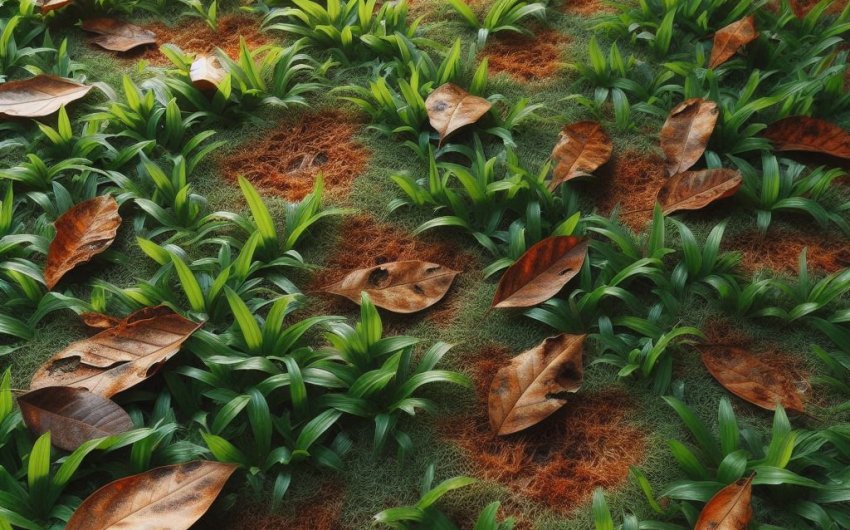
Dealing with leaf blight in lawns is a common challenge for homeowners striving for a lush, green landscape. This pervasive fungal disease can quickly diminish the aesthetic appeal and health of your grass. Understanding the root causes of this affliction and implementing effective treatment and prevention strategies are essential steps to restore and maintain a vibrant lawn.
What is Leaf Blight in Lawns?
Understanding leaf blight begins with recognizing what it is and how it affects your grass. This isn't just general browning; it's a specific type of fungal infection with telltale signs.
Definition of Leaf Blight: Leaf blight is a general term for a group of fungal diseases that primarily affect the foliage (leaves) of plants, including grass. These fungi cause rapid discoloration, wilting, and eventual death of grass blades, often starting from the tips or edges and progressing inward. It's not a single disease but rather a symptom caused by various fungal pathogens.
Common Fungi Causing Leaf Blight in Lawns: While many fungi can cause blight-like symptoms, some of the most common culprits in lawns include:
- Helminthosporium Leaf Spot/Melting Out: This is one of the most widespread and damaging types of leaf blight. It often starts as small, purplish-black spots on the grass blades, sometimes with a tan center. As the disease progresses, these spots enlarge, merge, and cause the entire blade to yellow, brown, and die. If it spreads to the crowns (the base of the grass plant) and roots, it's called "melting out" and can kill large patches of grass.
- Dollar Spot: Characterized by small, circular, sunken patches of straw-colored grass, typically 2-6 inches (5-15 cm) in diameter, resembling silver dollars. Individual grass blades within these spots often have distinct hour-glass shaped lesions with a reddish-brown margin.
- Brown Patch: Appears as irregular, circular patches of blighted grass ranging from a few inches to several feet in diameter. The grass within the patch typically appears brownish-yellow or tan. In conditions of high humidity, a smoky gray ring (mycelium) might be visible around the edge of the patch in early morning.
- Pythium Blight (Cottony Blight): This is a very aggressive and rapid-spreading disease, especially in hot, humid weather. It causes small, irregularly shaped patches of water-soaked, dark, greasy-looking grass that quickly shrivel and turn light brown. In severe cases, a white, cottony fungal growth (mycelium) might be visible, particularly in the morning.
Symptoms of Leaf Blight: While specific symptoms vary slightly by the fungal pathogen, general signs of leaf blight include:
- Discoloration: Grass blades turn yellow, brown, reddish-brown, or purple.
- Lesions or Spots: Visible spots, streaks, or lesions on individual grass blades. These can be round, elongated, or irregular in shape.
- Wilting/Shriveling: Affected blades may appear shriveled or wilted, even if the soil is moist.
- Thinning Patches: As the disease progresses, entire areas of the lawn may thin out, with grass blades dying off completely.
- Overall Decline: The lawn loses its vigor, appearing dull, stressed, and unhealthy.
- Spreading Pattern: Blight often starts in small, isolated spots and then spreads outwards, forming larger, irregular patches.
How Fungi Spread: Fungal spores are microscopic and easily spread through various means:
Advertisement- Wind: Spores can be carried by wind over long distances.
- Water: Rain splash, irrigation water, and even water flowing across the lawn can carry spores.
- Foot Traffic/Equipment: People, pets, and lawn care equipment (mowers, rakes) can inadvertently spread spores from infected areas to healthy ones.
- Contaminated Tools: Using uncleaned tools after working in an infected area can spread the disease.
Distinguishing Blight from Other Issues: It's important not to confuse leaf blight with other lawn problems like drought stress, nutrient deficiencies, or insect damage.
- Drought: Drought-stressed grass usually browns uniformly across large areas and feels dry. Blight often shows distinct spots or patches and may feel damp initially.
- Nutrient Deficiency: Nutrient issues typically cause uniform yellowing or browning over a wide area, without distinct lesions.
- Insect Damage: Insect damage often has telltale signs like chewed blades, tunnels, or the presence of the insects themselves.
Accurate identification of leaf blight is the first crucial step in effectively dealing with leaf blight in lawns and implementing the most appropriate treatment strategy.
What Causes Leaf Blight in Lawns?
Understanding the underlying conditions that favor fungal growth is key to preventing and effectively dealing with leaf blight in lawns. While fungal spores are always present in the environment, certain environmental and cultural factors create the perfect breeding ground for them to thrive and infect your turf.
High Humidity and Prolonged Leaf Wetness: This is arguably the most significant contributing factor. Fungal spores need moisture to germinate and infect grass blades.
- Frequent, Shallow Watering: Watering too frequently or in the evening (allowing grass to remain wet overnight) provides an ideal moist environment for fungal growth.
- Poor Drainage: Areas of the lawn that don't drain well and remain soggy for extended periods are highly susceptible.
- Heavy Dew: Prolonged periods of heavy morning dew can keep grass blades wet for hours, creating a favorable environment.
- Lack of Air Circulation: Dense plantings, hedges, or structures that block airflow around the lawn can trap humidity.
Environmental Conditions (Temperature): Specific fungal diseases have optimal temperature ranges for development.
- Cool-Season Blights: Diseases like certain types of Helminthosporium leaf spot and Pythium blight (though it can occur in warmth) can be more active in cooler, wet spring and fall conditions.
- Warm-Season Blights: Brown patch and some other blights thrive in hot, humid weather, typically when nighttime temperatures remain above 65°F (18°C).
Improper Mowing Practices: Incorrect mowing can significantly weaken grass and make it more vulnerable to disease.
- Mowing Too Short (Scalping): Cutting the grass too short (especially cool-season grasses in summer) stresses the plants, depletes their energy reserves, and exposes more vulnerable plant tissue to fungal spores.
- Dull Mower Blades: Dull blades tear the grass blades instead of cutting them cleanly. These ragged, open wounds provide easy entry points for fungal pathogens.
- Mowing When Wet: Mowing wet grass can spread disease spores more easily across the lawn and also compact the soil.
- Leaving Clippings on Infected Areas: If your lawn is already infected, leaving clippings can help spread the disease to healthy areas.
Excessive Nitrogen Fertilization:
- Rapid Growth: Too much nitrogen, especially quick-release forms, promotes rapid, lush top growth. While seemingly desirable, this creates tender, succulent grass blades that are more susceptible to fungal infection.
- Dense Canopy: Excessive growth also creates a dense canopy that restricts airflow, contributing to prolonged leaf wetness.
- Imbalance: An imbalance of nutrients (e.g., high nitrogen relative to potassium) can also weaken the grass's natural defenses.
Poor Soil Drainage and Compaction:
- Waterlogging: Compacted soil prevents proper water drainage, leading to waterlogged conditions that favor anaerobic fungi and create a consistently moist environment for disease.
- Reduced Root Health: Poor drainage and compaction also inhibit healthy root growth, weakening the grass and making it less resilient to stress and disease.
Thatch Buildup:
- Moisture Retention: A thick layer of thatch (undecomposed organic matter) between the grass blades and the soil surface traps moisture, keeping the grass crowns and lower blades perpetually damp.
- Fungal Habitat: Thatch provides a perfect hiding place and food source for fungal pathogens, allowing them to flourish.
Stress on the Lawn: Any factor that stresses the grass can reduce its natural resistance to disease.
- Drought Stress: While too much moisture contributes, extreme drought can also weaken grass, making it susceptible once moisture returns.
- Nutrient Deficiencies: Lack of essential nutrients (particularly potassium) can compromise the grass's immune system.
- Insect Damage: Pest infestations can weaken grass and create wounds, providing entry points for fungi.
- Heavy Traffic: Excessive foot traffic compacts the soil and damages grass, increasing vulnerability.
By identifying and addressing these underlying causes, you can significantly reduce the conditions that allow leaf blight to take hold, making it easier to manage and prevent future outbreaks.
How Can You Identify Specific Types of Leaf Blight?
Accurately identifying the specific type of leaf blight affecting your lawn is crucial for selecting the most effective treatment. While they share common symptoms, each blight has unique characteristics. Knowing what to look for will guide your approach.
Helminthosporium Leaf Spot / Melting Out:
- Appearance on Blades: Look for small, distinct spots on individual grass blades. They usually start as purplish, black, or dark brown spots. Often, these spots will have a tan or straw-colored center with a dark purplish-brown border, creating an "eye-spot" appearance.
- Spread: These spots enlarge and merge, causing the entire blade to yellow, then brown and shrivel from the tip down.
- Patches: In the early stages, you might not see large patches, but as it progresses, the lawn will appear generally thinned out and yellowish-brown.
- "Melting Out" Stage: If the disease progresses to the crowns and roots, entire areas of grass will die out, creating large, irregular dead patches that look like the lawn is "melting out." The grass in these patches can be easily pulled up.
- Time of Year: More common in cool, wet spring and fall, but can occur in summer, especially in shaded or high-humidity areas.
Dollar Spot:
- Patches: Characterized by small, distinct, circular, sunken patches of straw-colored or tan grass. These patches are typically 2 to 6 inches (5 to 15 cm) in diameter, about the size of a silver dollar (hence the name). In severe cases, multiple spots can merge to form larger, irregular blighted areas.
- Appearance on Blades: Examine individual blades within the patch. They will often show a distinct, hour-glass or saddle-shaped lesion that is bleached or tan, often with a reddish-brown border. The tip and base of the blade may remain green initially.
- Webbing: In the early morning, when dew is heavy, you might observe fine, white, cobweb-like fungal threads (mycelium) stretching across the affected grass blades. This disappears as the day dries.
- Time of Year: Prevalent in moderate temperatures (60-80°F or 15-27°C) with high humidity, often occurring in late spring, early summer, or early fall. It's often associated with low nitrogen fertility.
Brown Patch:
- Patches: Creates large, irregular circular or semi-circular patches of blighted grass, ranging from a few inches to several feet in diameter. The grass within the patch usually turns brownish-yellow or tan.
- "Smoke Ring": A key diagnostic feature, especially in the early morning under humid conditions, is a dark, purplish-gray "smoke ring" (mycelium) or border around the outer edge of the active patch. This ring is composed of fungal threads and disappears as the dew dries.
- Blade Appearance: Individual blades within the patch often have irregular, light tan lesions with a darker brown or reddish-brown margin. The entire blade may not die immediately; sometimes only the upper parts are affected.
- Time of Year: Most common in hot, humid weather, particularly when nighttime temperatures are above 65°F (18°C) and daytime temperatures are above 80°F (27°C), combined with prolonged leaf wetness.
Pythium Blight (Cottony Blight):
- Rapid Development: This disease is known for its extremely rapid spread and devastation, often appearing overnight.
- Patches: Starts as small, irregularly shaped patches (1-6 inches or 2.5-15 cm) of water-soaked, dark, greasy-looking grass. The affected grass quickly shrivels, mats together, and turns light brown.
- "Cottony Mycelium": The most distinguishing feature is the presence of white, cottony, fungal growth (mycelium) that can be seen spreading over the affected grass, especially in the early morning under conditions of high humidity. It looks like spiderwebs or cotton candy. This disappears quickly as the day dries.
- Oily Appearance: The grass blades in affected areas might have a greasy or oily sheen.
- Time of Year: Occurs in hot, very humid weather, especially during periods of heavy rainfall or prolonged leaf wetness, when temperatures are above 80°F (27°C) at night and 90°F (32°C) during the day. It's often associated with poor drainage.
Tips for Accurate Identification:
- Observe Closely: Get down on your hands and knees to examine individual grass blades, not just the overall patch. Use a magnifying glass if needed.
- Note Conditions: Pay attention to the temperature, humidity, recent rainfall, and how your lawn has been watered. These environmental factors are critical clues.
- Time of Day: Observe the lawn in the early morning for signs like "smoke rings" or "cottony mycelium" that might disappear later.
- Photos: Take clear photos of the affected areas and individual blades.
- Consult Experts: If you're unsure, contact your local university extension office, a reputable lawn care professional, or a plant diagnostic lab. They can provide an accurate diagnosis.
By systematically observing these specific indicators, you can better pinpoint the exact type of leaf blight you're facing, allowing for more targeted and effective treatment to restore your lawn's health.
What are the Treatment Options for Leaf Blight?
Once you've identified leaf blight in your lawn, implementing timely and appropriate treatment is essential to halt its spread and help your grass recover. Treatment typically involves a combination of cultural practices and, in some cases, the application of fungicides.
Cultural Control Practices (Immediate and Long-Term): These are the most important and sustainable ways to manage blight.
- Improve Air Circulation:
- Prune Overhanging Trees/Shrubs: Trim branches that cast dense shade or block airflow over the lawn. This helps the grass dry out faster after rain or irrigation.
- Relocate Obstructions: If possible, move anything blocking airflow like large planters or lawn furniture.
- Adjust Watering Habits:
- Water Deeply and Infrequently: Provide enough water to soak the soil to a depth of 6-8 inches (15-20 cm) during each watering session.
- Water in the Morning: The absolute best time to water is between 4 AM and 10 AM. This allows the grass blades to dry completely before nightfall, significantly reducing the duration of leaf wetness.
- Avoid Evening Watering: Never water in the late afternoon or evening, as this leaves the grass wet overnight, creating prime conditions for fungal growth.
- Check Sprinkler Coverage: Ensure your sprinklers are providing even coverage and not overwatering certain areas. A rain gauge can help measure actual water delivery.
- Mowing Adjustments:
- Increase Mowing Height: Raise your mower blade to the highest recommended height for your grass type. Taller grass blades are generally more resilient and can better resist disease.
- Use a Sharp Blade: Ensure your mower blade is sharp to make clean cuts. Ragged cuts from dull blades create entry points for pathogens. Get a lawnmower blade sharpener.
- Mow When Dry: Avoid mowing when the grass is wet, as this can spread fungal spores.
- Bag Clippings (Temporarily): If you have an active severe blight infection, it's a good idea to bag and remove clippings from the affected areas to prevent further spread of spores. Once the disease is under control, you can return to mulching.
- Address Thatch:
- Dethatch: If your thatch layer is more than ½ inch thick, consider dethatching your lawn during the appropriate season (early fall for cool-season, late spring/early summer for warm-season grasses). Thatch traps moisture and provides a habitat for fungi. A thatch rake or a power dethatcher can be used.
- Aerate Compacted Soil:
- Core Aeration: If your soil is compacted, aerate your lawn. This improves water penetration, reduces puddling, and enhances air circulation to the root zone, creating a healthier environment that discourages fungal growth. A core aerator can be effective.
- Balanced Fertilization:
- Avoid Over-Nitrogen: Do not over-apply nitrogen, especially during hot, humid periods when diseases like Brown Patch are prevalent. Too much nitrogen promotes lush, tender growth that is more susceptible to disease.
- Adequate Potassium: Ensure your lawn receives adequate potassium (K), which strengthens cell walls and improves disease resistance. A soil test will guide your fertilization program.
- Improve Air Circulation:
Fungicide Applications (Chemical Control): Fungicides can be a necessary tool for severe or persistent outbreaks of leaf blight, especially when cultural controls alone aren't enough or for high-value turf.
- Identify the Fungus: It is crucial to accurately identify the specific fungal disease before applying a fungicide, as different fungicides are effective against different types of fungi. Using the wrong fungicide can be ineffective and a waste of money.
- Types of Fungicides:
- Systemic Fungicides: Absorbed by the plant and move within its tissues, protecting new growth. They offer longer-lasting protection but can be slower acting.
- Contact Fungicides: Form a protective barrier on the plant surface. They offer immediate protection but need to be reapplied more frequently.
- Application:
- Follow Label Instructions: Always, always read and precisely follow the product label instructions regarding mixing rates, application methods, frequency, and safety precautions.
- Timing is Key: Fungicides are most effective when applied preventatively or at the very first sign of disease. Once the disease is widespread and severe, they may only slow its progression.
- Coverage: Ensure even coverage over the affected areas. A pump sprayer or hose-end sprayer can be used.
- Common Fungicides: Some common active ingredients effective against a range of lawn diseases include:
- Azoxystrobin: Effective against many blights including Brown Patch, Pythium, and Dollar Spot. Look for products like Scotts DiseaseEX Lawn Fungicide.
- Propiconazole: Good for Brown Patch, Dollar Spot, and others. Compare-N-Save 75317 Propiconazole is an example.
- Mancozeb: Effective against Dollar Spot, Brown Patch, and Leaf Spot.
- Myclobutanil: Often used for Dollar Spot and some types of Leaf Spot.
- Rotation: To prevent the fungi from developing resistance, it's wise to rotate between fungicides with different active ingredients.
- Professional Help: For persistent or severe leaf blight issues, consider consulting a professional lawn care service or a certified arborist. They can offer diagnosis and prescribe appropriate professional-grade treatments.
Remember that dealing with leaf blight in lawns is an ongoing process. Combining good cultural practices with targeted fungicide applications when necessary provides the best chance for recovery and long-term lawn health.
How Can You Prevent Leaf Blight from Returning?
Preventing the recurrence of leaf blight is far more effective and less stressful than constantly treating outbreaks. By adopting proactive and consistent lawn care practices, you can create an environment that is unfavorable for fungal growth, making your lawn more resilient.
Optimize Your Watering Routine: This is the cornerstone of blight prevention.
- Water in the Morning: Always water your lawn in the early morning (between 4 AM and 10 AM) to allow the grass blades ample time to dry completely before nightfall. This minimizes the duration of leaf wetness, which is critical for fungal spore germination.
- Water Deeply and Infrequently: Train your grass roots to grow deep by watering thoroughly, so the soil is moist to a depth of 6-8 inches (15-20 cm). Then, allow the top few inches of soil to dry out before watering again. This deep, infrequent watering encourages strong, healthy roots that are more resistant to disease.
- Check Sprinkler Performance: Ensure your irrigation system provides even coverage and doesn't create overly wet spots. Adjust sprinkler heads as needed. A sprinkler gauge can help measure water output.
Practice Proper Mowing Techniques: Your mowing habits directly impact lawn health and disease susceptibility.
- Maintain Optimal Mowing Height: Mow your grass at the highest recommended height for your turf type. Taller grass shades the soil, promotes deeper root growth, and helps the lawn resist stress and disease. For most cool-season grasses, 2.5-3.5 inches is ideal; for warm-season, it varies but is generally higher than people usually cut.
- Use a Sharp Mower Blade: A sharp blade makes a clean cut, which heals quickly and minimizes stress on the grass blades. Dull blades tear the grass, creating ragged wounds that are open invitations for fungal pathogens. Sharpen your blade regularly, or at least twice a season. A rotary mower blade sharpener can be useful.
- "One-Third Rule": Never remove more than one-third of the grass blade's height in a single mowing session. Taking off too much at once stresses the grass and leads to a flush of tender, disease-prone growth.
- Mulch Clippings (When Healthy): If your lawn is generally healthy and free of active blight, leave the grass clippings on the lawn. They return valuable nutrients and organic matter to the soil, promoting beneficial microbial activity that helps decompose thatch and suppress disease. Use a mulching blade kit for your mower.
Ensure Balanced Nutrition: Fertilization is key, but balance is paramount.
- Soil Testing: Conduct a soil test every 2-3 years to determine your lawn's specific nutrient needs and pH levels. This prevents over-fertilization and ensures your grass gets the right balance of nutrients. A DIY soil test kit can give you a good starting point.
- Avoid Excessive Nitrogen: While nitrogen promotes green growth, too much (especially quick-release nitrogen) can create lush, succulent tissue that is highly susceptible to fungal diseases, particularly in hot, humid conditions.
- Adequate Potassium: Ensure your fertilizer includes sufficient potassium (K). Potassium strengthens grass cell walls, improves drought tolerance, and significantly enhances disease resistance. Look for balanced fertilizers or those with a higher potassium ratio.
Manage Thatch and Compaction: These factors create ideal environments for fungal pathogens.
- Regular Aeration: Core aeration alleviates soil compaction, allowing better air, water, and nutrient penetration to the root zone. This fosters deeper, healthier roots and promotes the activity of beneficial soil microorganisms that break down thatch and suppress disease. Aim to aerate at least once every 1-3 years, depending on soil type and traffic. Consider renting a motorized core aerator for larger lawns.
- Dethatch When Needed: If your thatch layer exceeds ½ inch, dethatch your lawn during the appropriate growing season for your grass type. Thatch traps moisture and acts as a reservoir for fungal spores.
Improve Air Circulation and Drainage:
- Prune Overhanging Branches: Trim lower branches of trees and shrubs that cast dense shade or restrict airflow over the lawn. More sunlight and air movement help dry out grass blades faster.
- Address Poor Drainage: If you have areas that consistently stay wet or puddle, consider improving drainage. This might involve grading, installing a French drain, or adding organic matter to heavy clay soils to improve soil structure.
Choose Disease-Resistant Grass Varieties:
- If you're establishing a new lawn or overseeding an existing one, select grass cultivars (specific varieties) that are known for their resistance to common leaf blight diseases in your region. Many modern turfgrass blends include improved disease-resistant varieties. Your local university extension office can provide recommendations for your area.
Sanitation:
- Clean Equipment: After mowing or working in areas that have had blight, clean your lawnmower deck, blades, and other tools thoroughly to prevent spreading spores to healthy areas. A simple spray of rubbing alcohol or a bleach solution can disinfect tools.
By integrating these preventative measures into your regular lawn care schedule, you can significantly reduce the chances of leaf blight taking hold, ensuring a vibrant and resilient lawn year after year.