
How to Prevent Lawn Damage from High Foot Traffic Areas?
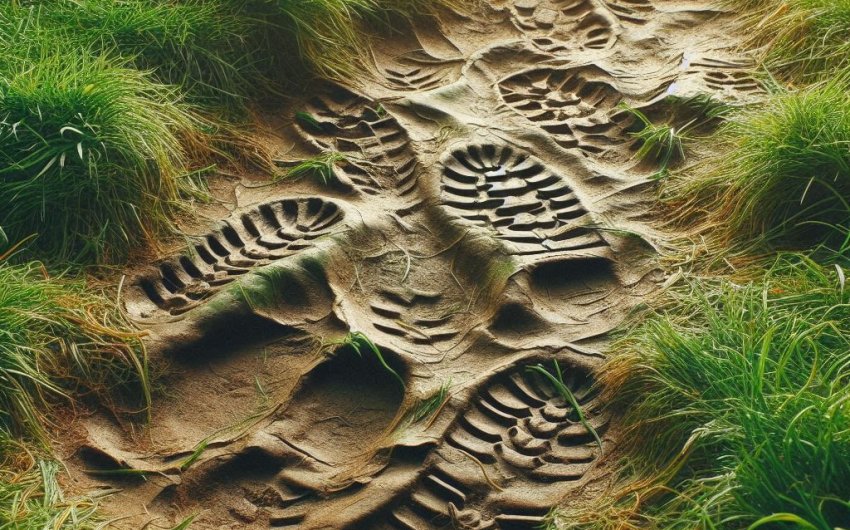
Maintaining a lush, green lawn can be a challenge, especially in areas that experience frequent activity. Learning how to prevent lawn damage from high foot traffic areas is essential for homeowners who want to preserve the beauty and health of their turf. This guide explores various proactive strategies and repair techniques to ensure your lawn remains resilient and attractive, even in its most well-used sections.
Why Does Foot Traffic Damage Lawns?
Foot traffic, while seemingly harmless, can cause significant damage to a lawn over time. Understanding the underlying reasons for this deterioration is the first step in learning how to prevent lawn damage from high foot traffic areas. The repeated pressure affects both the grass blades and, more importantly, the soil beneath.
Soil Compaction
The primary culprit behind foot traffic damage is soil compaction. When people walk repeatedly over the same spot, their weight presses down on the soil. This squeezes out the air pockets that naturally exist between soil particles.
- Reduced Air Space: Grass roots, like all living things, need oxygen to breathe. When air is pushed out of the soil, roots can't get enough oxygen, leading to weakened growth and eventually death.
- Poor Water Penetration: Compacted soil becomes dense and hard, making it difficult for water to soak in. Instead, water tends to run off the surface, leading to wasted water and thirsty grass.
- Limited Nutrient Uptake: Without proper air and water circulation, roots struggle to absorb the nutrients from the soil, even if those nutrients are present.
Physical Wear and Tear on Grass Blades
Beyond soil compaction, the constant friction and crushing from footsteps directly damage the grass itself.
- Bruising and Breaking: Grass blades are delicate. Repeated walking can bruise, bend, and break the blades, making them appear flattened, discolored, and ultimately leading to thin or bare spots.
- Weakened Growth Points: The "crown" of a grass plant (where new growth emerges from the roots) is sensitive. Constant pressure can damage these vital growth points, making it harder for the grass to recover and regenerate.
- Reduced Photosynthesis: Damaged or flattened blades are less efficient at photosynthesis, the process by which plants convert sunlight into energy. This further weakens the grass.
Increased Susceptibility to Pests and Diseases
Weakened grass in compacted areas becomes an inviting target for various lawn problems.
- Stress: Stressed grass is less able to defend itself against fungal diseases, insect infestations, and weed competition.
- Favorable Conditions: Compacted, often waterlogged (due to poor drainage) areas can create anaerobic (low-oxygen) conditions that favor certain disease pathogens.
In summary, the combined effect of soil compaction and physical wear causes grass to thin, die off, and creates bare patches, which can quickly become muddy quagmires or dusty pathways if not addressed. Understanding these factors highlights the importance of proactive measures to effectively prevent lawn damage from high foot traffic areas.
How Can You Redirect or Limit Foot Traffic?
The most effective way to prevent lawn damage from high foot traffic areas is often to simply reduce or redirect the traffic itself. This involves planning and sometimes a bit of creative landscaping to guide people away from sensitive turf.
1. Install Pathways or Stepping Stones
Creating a clear, durable route is paramount. People will naturally follow the path of least resistance, so making a designated, attractive pathway is often more effective than simply telling them to stay off the grass.
- Define Main Routes: Identify the common routes people take across your lawn – shortcuts to the garage, the shed, or between garden beds. These are prime candidates for pathways.
- Material Choices:
- Stepping Stones: Easy to install and can be very aesthetically pleasing. Choose large, flat pavers or natural stone stepping stones that are well-bedded into the soil to prevent wobbling. They allow grass to grow between them, softening the look.
- Gravel Paths: Durable and good for drainage. Install with a weed barrier fabric underneath to prevent weeds and mixing with the soil. Use decorative gravel like pea gravel or decomposed granite.
- Mulch Paths: An affordable and natural-looking option using bark chips or wood mulch. They need replenishing periodically but provide good cushioning. A garden hoe can help define the edges.
- Paved Paths: For very heavy traffic areas, a concrete or brick paver path offers the most durability and permanence.
2. Strategic Landscaping
Use plants and physical barriers to gently guide people where you want them to go.
- Planting Barriers:
- Shrubs or Perennials: Plant dense shrubs or sturdy perennials along the edges of high-traffic areas or to delineate informal paths. They create a visual and physical barrier that discourages cutting across.
- Groundcover: In areas with moderate traffic where a full path isn't desired, consider planting durable groundcovers that tolerate some foot traffic better than turfgrass (e.g., thyme, sedum, mondo grass in specific climates).
- Decorative Fencing: Low, decorative fences or edging can create a subtle boundary that helps keep people on designated paths. A small garden fence roll can be effective.
- Strategic Furniture Placement: Place outdoor furniture, a fire pit, or a garden feature in a way that naturally defines traffic flow and discourages shortcuts over the grass.
3. Temporary Solutions and Signage
For events or temporary problem areas, simple reminders can be effective.
- Temporary Fencing: For parties or events, use temporary pop-up garden fences or even rope and stakes to block off sensitive areas.
- "Please Stay Off Grass" Signs: While sometimes ignored, polite signage can be a helpful reminder, especially for guests.
- Spread Out Activities: If you have activities that draw people to a specific spot (e.g., a picnic table), try to move it occasionally to distribute the impact on the lawn.
By strategically planning your landscape and providing clear alternatives, you can significantly reduce the impact of foot traffic, making it much easier to prevent lawn damage from high foot traffic areas.
What Soil Management Techniques Help?
Even with traffic redirection, some areas of your lawn will inevitably experience more use. Implementing proper soil management techniques is crucial for building resilience and knowing how to prevent lawn damage from high foot traffic areas by addressing the root cause: soil compaction.
1. Regular Aeration
Aeration is the most important step to combat soil compaction in high-traffic areas.
- What it Is: Core aeration involves removing small plugs of soil from the lawn, creating channels that allow air, water, and nutrients to penetrate deeper into the root zone.
- Why it Helps:
- Relieves Compaction: Reduces the density of the soil, making it easier for roots to grow and access resources.
- Improves Air Circulation: Oxygen can reach the roots, supporting healthy growth.
- Enhances Water Penetration: Water soaks in rather than running off, leading to more efficient irrigation.
- Increases Nutrient Uptake: Roots can more easily absorb fertilizers and soil nutrients.
- Frequency: For high-traffic areas, you might need to aerate once or even twice a year. For less-used areas, once every 1-3 years is sufficient.
- Tools: You can rent a core aerator from a local equipment rental store for larger areas, or use a manual core aerator for smaller, targeted spots.
2. Topdressing with Organic Matter
Adding a layer of beneficial material to the soil surface significantly improves its structure and health.
- What it Is: Applying a thin layer (1/4 to 1/2 inch) of high-quality compost or a sand/compost mixture over the lawn.
- Why it Helps:
- Improves Soil Structure: Organic matter (like compost) breaks down and improves the "tilth" of the soil, making it more crumbly and less prone to compaction.
- Enhances Water and Nutrient Retention: Acts like a sponge, holding onto moisture and nutrients.
- Feeds Microorganisms: Provides food for beneficial soil microbes, which further improve soil structure and nutrient cycling.
- Timing: Best done immediately after aeration, as the organic matter can fall into the aeration holes, enhancing the benefits.
- Material: Use a fine, sifted compost that spreads easily. A compost spreader can ensure even application.
3. Proper Watering Techniques
How you water your lawn plays a big role in its resilience.
- Deep and Infrequent: Water deeply enough to encourage roots to grow downwards (6-8 inches deep), then allow the top layer of soil to dry out before watering again. This strengthens roots, making them more resilient to traffic.
- Avoid Shallow Watering: Shallow, frequent watering encourages shallow roots, which are more easily damaged by compaction.
- Morning Watering: Water in the early morning to allow grass blades to dry before nightfall, reducing the risk of fungal diseases. A programmable sprinkler timer can help.
4. Balanced Fertilization
Healthy, well-nourished grass is stronger and better able to withstand stress.
- Not Too Much Nitrogen: While nitrogen promotes green, lush growth, too much can lead to weak, rapid growth that is more susceptible to damage.
- Focus on Roots: Ensure your fertilizer includes phosphorus and potassium, which are crucial for root development and overall plant health.
- Slow-Release Options: Use slow-release fertilizers that provide a steady supply of nutrients over time, promoting balanced growth rather than sudden growth spurts. A broadcast spreader helps for even application.
By consistently applying these soil management techniques, you will build a stronger, more resilient lawn from the ground up, making it far more capable of handling inevitable lawn damage from high foot traffic areas.
Which Grass Types Are More Traffic Tolerant?
Choosing the right type of grass can make a significant difference in how to prevent lawn damage from high foot traffic areas. Some grass species and varieties are inherently tougher and more resilient to compaction and wear than others.
Key Characteristics of Traffic-Tolerant Grass
When selecting grass for high-traffic zones, look for types that possess these qualities:
- Densely Growing: Grasses that produce many tillers (new shoots) or spread via rhizomes (underground stems) and stolons (above-ground stems) tend to form a denser, tougher turf that can withstand more abuse.
- Deep Root Systems: Grasses with deeper, more extensive root systems are better able to access water and nutrients, making them more resilient to compaction and stress.
- Fast Recovery Rate: The ability to quickly repair themselves and fill in bare spots after damage is crucial.
Top Traffic-Tolerant Grass Types
Here are some of the best choices for areas that experience heavy foot traffic:
Kentucky Bluegrass (Cool-Season Grass):
- Pros: Forms a very dense, attractive turf. Spreads aggressively via rhizomes, allowing it to quickly fill in damaged areas and recover well from wear. Has good cold tolerance.
- Cons: Can be slow to establish from seed. Requires more water and fertilizer than some other grasses. Not highly shade tolerant.
- Best For: Lawns in cooler climates that experience moderate to heavy traffic, especially where a premium, deep green appearance is desired. A Kentucky Bluegrass seed blend is a good option.
Tall Fescue (Cool-Season Grass):
- Pros: Excellent heat and drought tolerance due to its deep root system. Forms a durable, coarser-bladed turf. Good shade tolerance compared to Kentucky Bluegrass. Moderately tolerant of traffic and recovers fairly well.
- Cons: Can be less dense than Kentucky Bluegrass. Might struggle with extreme cold.
- Best For: Lawns in transition zones (where both cool and warm seasons occur) or cooler climates needing heat/drought tolerance and good traffic resistance. A Tall Fescue seed blend is often a go-to.
Perennial Ryegrass (Cool-Season Grass):
- Pros: Very fast to germinate and establish, making it excellent for quick repairs and overseeding. Forms a dense, fine-bladed turf. Good wear tolerance.
- Cons: Not as drought or heat tolerant as Tall Fescue. Can be susceptible to some diseases. Doesn't spread as aggressively as Kentucky Bluegrass, so recovery might be slower in very high traffic areas unless overseeded regularly.
- Best For: Quick establishment, overseeding in high-traffic areas, and athletic fields. Often mixed with Kentucky Bluegrass and Fescue. Look for a Perennial Ryegrass seed.
Bermuda Grass (Warm-Season Grass):
- Pros: Outstanding heat, drought, and traffic tolerance. Spreads aggressively via both rhizomes and stolons, allowing it to repair itself very quickly. Forms a very dense turf.
- Cons: Brown out (goes dormant) in winter in most climates. Poor shade tolerance. Can be invasive into flower beds.
- Best For: Lawns in warm climates with very heavy foot traffic, sports fields, and golf courses. Bermuda Grass seeds are widely available.
Zoysia Grass (Warm-Season Grass):
- Pros: Extremely dense and durable turf with excellent wear tolerance once established. Good drought tolerance. Slow-growing, meaning less frequent mowing.
- Cons: Very slow to establish from seed or plugs. Can be invasive. Goes dormant and browns out in winter.
- Best For: Lawns in warm climates where extreme durability and a fine-bladed, dense turf are desired, and you're willing to wait for establishment. Often available as Zoysia Grass plugs.
Using Blends and Mixes
Often, the best strategy is to use a grass seed blend designed for high-traffic areas. These blends typically combine the strengths of different grass types (e.g., Kentucky Bluegrass for density and recovery, Tall Fescue for durability and drought tolerance, Perennial Ryegrass for quick establishment). This creates a more resilient and adaptable lawn. A good lawn repair mix often includes these.
By selecting grass varieties known for their toughness and self-repairing abilities, you significantly improve your lawn's chances of withstanding frequent use, a key component in how to prevent lawn damage from high foot traffic areas.
How Can You Repair Damaged Lawn Areas?
Even with preventative measures, high-traffic areas can still suffer damage. Knowing how to prevent lawn damage from high foot traffic areas also means understanding how to effectively repair those spots, restoring your lawn's health and appearance.
1. Assess the Damage
Before you start, take a moment to look at the damaged area.
- Bare or Thinned Spots: Are there just a few thin areas, or are there completely bare patches?
- Soil Compaction: Is the soil visibly hard and compacted? This is almost always the case in high-traffic spots.
- Drainage Issues: Does water pool in the area? This could indicate severe compaction or underlying issues.
2. Prepare the Area
Proper preparation is crucial for successful repair.
- Clear Debris: Remove any dead grass, rocks, or other debris from the damaged area. Use a stiff rake to clear away any remaining plant matter.
- Loosen Compacted Soil: This is perhaps the most important step for repair.
- Aeration: For larger areas, use a manual core aerator or a garden fork to poke holes deeply into the soil (at least 4-6 inches). Wiggle the fork back and forth to break up the soil.
- Spike Aerator Shoes: For small patches, even aerator shoes can offer some benefit.
- Hand Cultivator: For very small, localized spots, a hand cultivator can work to loosen the top few inches.
- Add Soil Amendments:
- Topdressing with Compost: Spread a 1/2 to 1-inch layer of high-quality compost over the loosened area. This will improve soil structure, add nutrients, and provide an ideal bed for new grass seed.
- Mix in: Lightly rake the compost into the top few inches of loosened soil.
3. Choose Your Repair Method
You have a few options for re-establishing grass in bare or thin spots.
Option A: Seeding (for most common repairs)
- Choose the Right Seed: Select a grass seed blend specifically designed for high-traffic areas or a mix that matches your existing lawn type. A lawn repair mix for bare spots is often convenient, as it contains seed, fertilizer, and mulch.
- Apply Seed: Spread the grass seed evenly over the prepared area. Follow the coverage rates on the seed package. You can use a small hand spreader for even distribution.
- Lightly Rake In: Gently rake the seeds into the top 1/8 to 1/4 inch of soil. Don't bury them too deep.
- Cover with Thin Layer of Compost/Peat Moss: Lightly sprinkle a very thin layer of peat moss or fine compost over the seeds. This helps retain moisture and prevents birds from eating the seeds.
- Roll (Optional): Lightly roll the area with a lawn roller (or gently walk over it) to ensure good seed-to-soil contact.
Option B: Sodding (for instant results or large patches)
- Prepare Area: Loosen and amend the soil as described above, ensuring the area is level.
- Lay Sod: Lay fresh sod rolls tightly together, staggering the seams like bricks. Cut pieces to fit using a utility knife.
- Roll and Water: Roll the sod lightly to ensure good contact with the prepared soil below. Water immediately and deeply.
Option C: Overseeding (for thinning lawns)
- Prepare: For a generally thinning lawn due to traffic, simply aerate the entire area, topdress with compost, and then spread new grass seed over the existing grass. This adds new growth without fully renovating.
4. Post-Repair Care
The aftercare is just as important as the preparation.
- Consistent Watering (for newly seeded areas): This is critical. Keep the newly seeded area consistently moist (not soggy) until the grass germinates and is well established. This might mean light watering 2-3 times a day, especially in warm weather. A gentle watering wand or mister setting on your hose is ideal to avoid washing away seeds.
- Fertilize: Once seedlings have emerged (or after sod is laid), apply a starter fertilizer designed for new lawns. These are typically high in phosphorus to promote root development.
- Limit Traffic: This is crucial. Keep all foot traffic (people, pets, equipment) off the repaired area until the new grass is well-established and sturdy (usually several weeks to a month). Use temporary barriers like garden netting if necessary.
- Mowing: Wait until the new grass is at least 3-4 inches tall before its first mow. Ensure your mower blades are sharp and cut no more than one-third of the blade height.
By diligently following these repair steps, you can effectively fix damaged areas and improve your overall strategy for how to prevent lawn damage from high foot traffic areas.