
Solutions for Fixing a Patchy Lawn After Overseeding
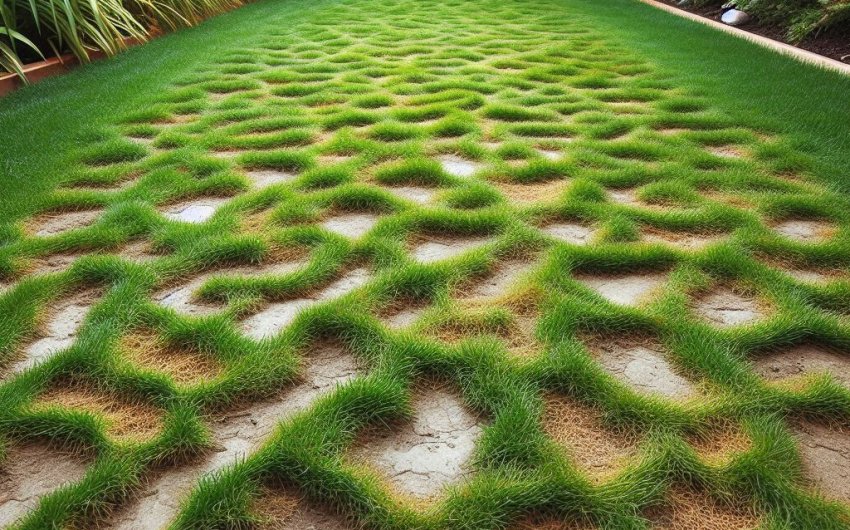
Discovering solutions for fixing a patchy lawn after overseeding can be frustrating, especially when you've invested time and effort into improving your turf. Despite best intentions, uneven germination, environmental challenges, or improper techniques can leave your lawn looking less than uniformly lush. This guide will explore common reasons behind overseeding failures and provide practical, step-by-step strategies to mend those sparse areas, helping you achieve the dense, vibrant lawn you envisioned.
Why Did My Overseeding Fail or Turn Patchy?
Before implementing solutions for fixing a patchy lawn after overseeding, it's crucial to understand why the overseeding didn't take evenly in the first place. Several factors, often interconnected, can contribute to uneven germination and sparse areas.
1. Inadequate Seed-to-Soil Contact
This is arguably the most common reason for overseeding failure. Grass seeds need to be in firm contact with the soil to absorb moisture and nutrients for germination.
- Broadcasting on Thatch: Simply scattering seeds over a thick layer of existing thatch or dense turf prevents seeds from reaching the soil surface.
- No Soil Preparation: Not raking, aerating, or dethatching before seeding means seeds just sit on top of hard, compacted soil or debris.
- Lack of Topdressing: Not applying a thin layer of compost or topsoil after seeding leaves many seeds exposed to wind, birds, and drying out.
2. Improper Watering
Consistent moisture is non-negotiable for successful grass seed germination and establishment.
- Insufficient Watering: Allowing the seeds or young seedlings to dry out even once during the critical germination period (first 2-3 weeks) can kill them.
- Overwatering/Puddling: Too much water can wash away seeds, create anaerobic (low oxygen) conditions that suffocate germinating seeds, or lead to damping-off disease.
- Uneven Watering: Sprinklers with poor coverage or inconsistent hand watering can lead to patches where seeds never received enough moisture.
3. Poor Soil Conditions
The foundation beneath your seeds plays a huge role.
- Compaction: Hard, compacted soil prevents roots from penetrating and hinders water/air exchange.
- Nutrient Deficiency: Soil lacking essential nutrients will struggle to support healthy seedling growth.
- Poor Drainage: Waterlogging due to heavy clay or drainage issues can suffocate new roots.
- Incorrect pH: Soil pH too acidic or alkaline can make nutrients unavailable to young grass.
4. Environmental Stress
External factors can be detrimental to delicate new grass.
- Temperature Extremes: Soil temperatures too cold or too hot prevent germination or kill emerging seedlings. Different grass types have specific ideal germination temperatures.
- Drought/Heat Waves: Unexpected hot, dry spells can quickly desiccate new seeds and sprouts.
- Heavy Rains/Washout: Intense rainfall can wash away seeds or cause erosion, leading to bare spots.
- Strong Winds: Can blow seeds away from target areas, leading to sparse patches.
5. Competition from Weeds or Existing Turf
New grass seedlings are vulnerable.
- Weed Pressure: Weeds germinate faster and grow more vigorously than grass, outcompeting seedlings for water, nutrients, and light.
- Existing Dense Turf: If the existing lawn was not mowed short or partially thinned, the dense canopy can shade out new seedlings, preventing them from establishing.
6. Pest and Disease Activity
Tiny threats can cause big problems.
- Birds/Insects: Birds can eat exposed seeds. Insects like chinch bugs or grubs can damage young grass roots.
- Fungal Diseases: Damping-off (a fungal disease) can wipe out young seedlings in moist, poorly aerated conditions.
7. Improper Seed Selection or Quality
The type and quality of your seed matter.
- Wrong Grass Type: Using a grass type unsuitable for your climate, sun exposure, or soil conditions will lead to failure.
- Old/Poor Quality Seed: Seeds lose viability over time. Using old or low-quality seed with a low germination rate will result in patchy results.
By pinpointing the underlying cause of your overseeding woes, you can select the most effective solutions for fixing a patchy lawn after overseeding and ensure better success in the future.
How to Prepare Patchy Areas for Re-seeding?
Effective preparation is the cornerstone of any successful re-seeding effort, especially when applying solutions for fixing a patchy lawn after overseeding. Simply throwing more seed onto bare spots won't work; proper soil contact and a conducive environment are essential for new grass to thrive.
1. Clear the Patchy Area
Remove any existing obstacles to new growth.
- Remove Debris: Rake up any dead grass, leaves, twigs, or other organic debris from the patchy areas. A steel rake or leaf rake works well.
- Address Weeds:
- Manual Removal: For small patches, hand-pulling weeds is effective, ensuring you get the roots.
- Non-Selective Herbicide (Last Resort): For large areas heavily infested with weeds, a non-selective herbicide containing glyphosate can be used. Always follow product instructions carefully and allow the recommended waiting period before seeding.
- Mow Short: If there's any existing thin grass in the patchy area, mow it very short (to 1-2 inches) before re-seeding. This reduces competition and allows more light to reach the new seedlings.
2. Loosen the Soil (Scarify)
Compacted soil is a major barrier to germination and root growth.
- Rough Up the Surface: Use a hard rake, a dethatching rake, or even a small garden cultivator to aggressively scratch and loosen the top 1/4 to 1/2 inch (0.6-1.25 cm) of soil.
- Why it's Important: This creates a loose, crumbly seedbed where seeds can settle in, absorb moisture, and establish good contact with the soil. It also helps break up any light thatch layer that may have prevented the initial overseeding from taking.
3. Amend the Soil (If Necessary)
Improve the soil's structure and nutrient profile, especially in areas that consistently fail.
- Soil Test: If you frequently have patchy areas, consider a soil test kit to identify specific deficiencies or pH imbalances.
- Topdressing: Spread a thin layer (1/8 to 1/4 inch, or 0.3-0.6 cm) of good quality organic matter like compost or a fine-textured topsoil blend over the raked patches. This provides a rich, loose medium for seeds to germinate in and helps hold moisture.
- Gypsum/Lime: If your soil test indicates issues with pH or compaction (gypsum for clay soils, lime for acidic soils), apply these amendments as recommended by the test results.
4. Ensure Good Drainage
Address any standing water issues that might be contributing to patchiness.
- Small Depressions: If a patch is low-lying and collects water, you might need to add a bit more topsoil or a sand/compost mix to raise the level slightly and improve runoff.
- Aeration (if needed): For severely compacted patches, a manual core aerator can be used to create holes, improving water and air penetration.
By taking these preparatory steps, you lay a solid foundation for successful germination, ensuring your targeted solutions for fixing a patchy lawn after overseeding have the best chance of yielding a uniformly green result.
What Grass Seed and Products Should I Use?
Selecting the correct grass seed and complementary products is paramount when implementing solutions for fixing a patchy lawn after overseeding. The right choices ensure compatibility with your existing turf, promote healthy growth, and address specific challenges in your lawn.
1. Grass Seed Selection
Choose seed that matches your existing lawn and suits your environment.
- Match Existing Grass Type: The most critical step is to use the same type of grass seed that makes up the majority of your existing lawn. This ensures uniform texture, color, and growth habit, resulting in a seamless blend.
- Cool-Season Grasses: (e.g., Kentucky Bluegrass, Tall Fescue, Fine Fescue, Perennial Ryegrass) – Common in northern climates.
- Warm-Season Grasses: (e.g., Bermuda, Zoysia, St. Augustine, Centipede) – Common in southern climates.
- Check Packaging: Look at the seed analysis tag on your existing grass seed bag (if you still have it) or consult local nurseries/extension offices.
- Consider Site Conditions:
- Sunlight: Choose a blend formulated for "full sun," "partial shade," or "dense shade" depending on the light conditions of the patchy area.
- Traffic: If the patch is a high-traffic area, select a grass variety known for its durability (e.g., Ryegrass or Bermuda).
- Quality Seed:
- High Germination Rate: Look for a high percentage on the seed label (e.g., 85% or higher).
- Low Weed Seed Content: Choose seed with a very low percentage of "other crop seed" and "weed seed" to avoid introducing new problems.
- Freshness: Purchase fresh seed from a reputable supplier. Seeds lose viability over time.
2. Starter Fertilizer
Provides essential nutrients for new seedling establishment.
- High Phosphorus (P): Seedling starter fertilizers are typically high in phosphorus (the middle number in the N-P-K ratio, e.g., 10-20-10 or 12-24-8). Phosphorus is crucial for strong root development.
- Low Nitrogen (N): While some nitrogen is good for initial green-up, too much can burn young seedlings.
- Slow-Release (Optional): Some starter fertilizers include slow-release nitrogen, which provides a steady supply over time.
- Amazon Link: Jonathan Green Green-Up Lawn Food for Seeding & Sodding or similar.
3. Topdressing Material
A protective layer for the newly sown seeds.
- Compost: Fine-textured compost is ideal as it retains moisture, provides slow-release nutrients, and introduces beneficial microbes.
- Fine Topsoil/Sand Blend: A blend of fine topsoil and sand or peat can also work. Avoid heavy, clumpy topsoil.
- Straw (for large areas): For larger re-seeded patches, a thin layer of weed-free straw (not hay, which contains weed seeds) can help retain moisture and deter birds, but apply thinly enough that seedlings can easily push through.
- Seedling Cover/Germination Blanket: For very stubborn spots, a lightweight germination blanket can protect seeds from birds and wind while maintaining optimal moisture.
4. Mulch Mat/Patch Repair Kits
For small, isolated patches, these can be convenient.
- Patch Repair Kits: Often combine seed, starter fertilizer, and a growing medium in one bag. Convenient but less customizable. Scotts Turf Builder EZ Seed is a popular example.
- Seedling Mulch Mats: Biodegradable mats embedded with seed and often a starter fertilizer. You just unroll, water, and wait. Good for slopes or areas prone to washout.
By carefully selecting these products, you equip your lawn with the best possible chance to recover, turning those sparse areas into thriving turf as you implement solutions for fixing a patchy lawn after overseeding.
How to Effectively Re-seed Patchy Areas?
Once your patchy areas are prepared and you have the right products, the next step in applying solutions for fixing a patchy lawn after overseeding is the precise application of seed and follow-up care. Correct technique is crucial for ensuring successful germination and uniform growth.
1. Apply Grass Seed
Even distribution and the right amount of seed are key.
- Seeding Rate: Use the recommended seeding rate for your chosen grass type for overseeding or bare spot repair. This is usually higher than for a brand-new lawn.
- Hand Spreading (for small patches): For very small, isolated patches, you can carefully sprinkle the seed by hand. Try to distribute it as evenly as possible.
- Hand Spreader (for larger patches): For larger patchy areas, a handheld broadcast spreader will ensure much more even coverage. Walk back and forth over the patch to achieve good distribution.
- Cross-Hatch Pattern: For the best coverage, apply half the seed by walking in one direction (e.g., north-south) and the other half by walking perpendicularly (e.g., east-west).
2. Ensure Seed-to-Soil Contact
This step is critical for successful germination.
- Lightly Rake In: After spreading the seed, lightly rake the area again with a leaf rake or the back of a bow rake. The goal is to just barely cover the seeds with 1/8 to 1/4 inch (0.3-0.6 cm) of soil. Don't bury them too deeply.
- Roll or Tamp Down: Gently press the seed into the soil to ensure good contact. You can walk over the area, use the back of a shovel, or for larger areas, use a lawn roller (filled with only about 1/4 water for lighter pressure).
3. Apply Starter Fertilizer
Provide immediate nutrients for young seedlings.
- Even Application: After seeding and ensuring seed-to-soil contact, apply your chosen starter fertilizer over the newly seeded patches.
- Follow Directions: Always adhere to the application rates specified on the fertilizer packaging to avoid over-fertilization, which can burn delicate seedlings.
4. Topdress (Cover the Seed)
This protective layer is vital for moisture retention and bird deterrence.
- Thin Layer: Spread a very thin layer (no more than 1/8 to 1/4 inch or 0.3-0.6 cm) of fine compost, peat moss, or weed-free straw over the entire re-seeded patch.
- Purpose: This layer helps keep the seeds moist, protects them from being washed away by rain or wind, and deters birds from eating them. It also moderates soil temperature.
- Visibility: You should still be able to see some seeds poking through the topdressing. If you can't, it's too thick.
5. Water Immediately and Consistently
This is the most critical factor for germination success.
- Initial Watering: Immediately after seeding and covering, water the area thoroughly but gently. Use a sprinkler attachment that delivers a fine mist or a gentle spray to avoid washing away seeds. Water until the top 1-2 inches of soil are moist.
- Frequent, Light Waterings: For the next 2-3 weeks (until seedlings are well-established and have been mowed at least once), the soil surface must remain consistently moist. This means frequent, light waterings, possibly 2-4 times a day, depending on temperature and sun exposure. The goal is to keep the top layer from drying out, which can kill germinating seeds.
- Reduce Frequency, Increase Depth: Once seedlings are 1-2 inches tall, you can gradually reduce the watering frequency but increase the duration, encouraging roots to grow deeper. Transition to watering every other day, then every few days, then once a week deeply, as you would for a mature lawn.
- Monitor Conditions: Pay close attention to weather forecasts. Hot, sunny, or windy days will require more frequent watering.
By diligently following these application and initial watering steps, you significantly increase the success rate of your solutions for fixing a patchy lawn after overseeding, transforming those bare spots into lush, green turf.
How to Nurture New Grass for Long-Term Success?
Even after successful germination, newly seeded patches remain vulnerable. Implementing careful nurturing strategies is essential for the long-term success of your solutions for fixing a patchy lawn after overseeding, helping the young grass establish robust root systems and integrate seamlessly with your existing lawn.
1. Protect from Traffic
New seedlings are extremely fragile and easily damaged.
- Limit Foot Traffic: Avoid walking on newly seeded areas as much as possible for at least 4-6 weeks, or until the grass is well-established and has been mowed a few times.
- Restrict Pets and Children: Keep pets and children off the re-seeded patches. Even light play can dislodge seeds or crush delicate seedlings. Consider temporary fencing or ropes.
2. First Mowing
Timing and technique for the first mow are crucial.
- Wait Until Established: Do not mow the newly seeded patches until the new grass is at least 3-4 inches (7.5-10 cm) tall. Trying to mow too early can pull up seedlings or damage them.
- Sharp Blades: Ensure your lawnmower blade is razor sharp. Dull blades tear and rip, which can damage tender new grass.
- High Setting: Set your mower to the highest cutting height possible for the first few mows. Remember the "one-third rule" – never remove more than one-third of the grass blade's total height in a single mowing.
- Dry Grass: Mow only when the grass is completely dry. Wet grass clumps and can smother new seedlings.
3. Transition Watering Schedule
Gradually shift from frequent light watering to deeper, less frequent watering.
- Gradual Reduction: As the new grass matures, slowly decrease the frequency of watering while increasing the duration. This encourages roots to grow deeper in search of moisture.
- Deep and Infrequent: Aim to eventually water deeply once or twice a week, soaking the soil to a depth of 6-8 inches (15-20 cm). This mimics optimal watering for a mature lawn and promotes a strong, drought-tolerant root system.
- Monitor Soil Moisture: Use a soil probe or the screwdriver test (push a screwdriver into the soil; if it goes in easily, it's moist enough) to gauge moisture levels.
4. Fertilization for Established Seedlings
Once the new grass is established, it needs balanced nutrition.
- Follow-up Fertilizer: About 4-6 weeks after germination (or as recommended by your starter fertilizer's instructions), you can apply a standard, balanced lawn fertilizer.
- Soil Test (Recommended): A soil test kit provides the most accurate guide for nutrient needs, preventing over-fertilization.
5. Weed Management
Protect new grass from competition.
- Avoid Pre-Emergents: Do NOT apply crabgrass preventers or other pre-emergent herbicides to newly seeded areas for at least 60-90 days, or until the new grass has been mowed 3-4 times. These chemicals inhibit germination and will kill your new grass.
- Manual Removal: Hand-pull weeds if possible, especially during the early stages.
- Spot Treat: If weeds become a problem, consider spot-treating with a post-emergent herbicide labeled as safe for young grass, but always read directions carefully.
6. Monitor for Pests and Diseases
Catch issues early before they become widespread.
- Regular Checks: Periodically inspect your newly grown patches for signs of insect activity (e.g., thinning grass, brown spots) or fungal diseases (e.g., discolored patches, slimy spots).
- Address Promptly: If issues arise, identify the problem and treat it with appropriate, turf-safe products.
By meticulously nurturing your new grass, you ensure that your solutions for fixing a patchy lawn after overseeding translate into a dense, healthy, and long-lasting turf that truly enhances your outdoor space.