
How to Diagnose Lawn Fungal Infections Early?
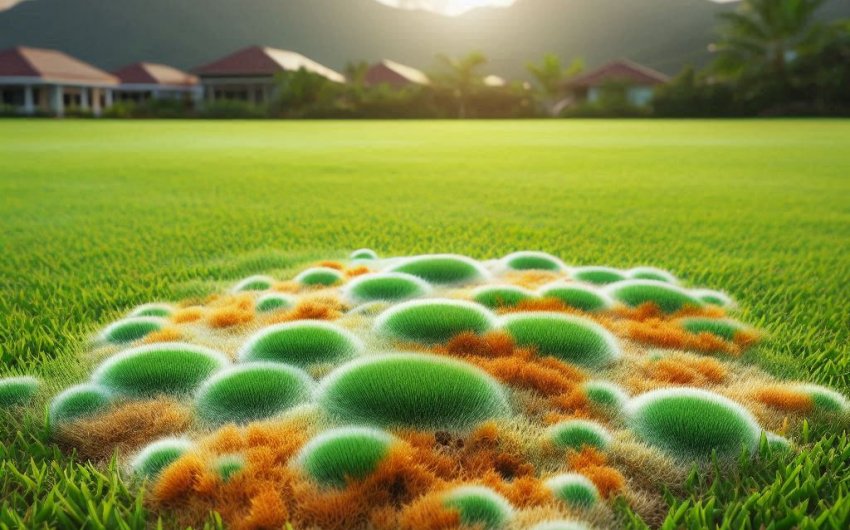
To diagnose lawn fungal infections early, vigilantly observe your turf for subtle changes in color, texture, and growth patterns, especially during periods of high humidity or stress. Look for characteristic spots, patches, or unusual growths that can indicate the presence of a fungal disease before it spreads widely.
What are Lawn Fungal Infections?
Lawn fungal infections, also known as turf diseases, are caused by various types of fungi that attack grass plants. These microscopic organisms thrive in specific environmental conditions, often appearing when the lawn is stressed or when conditions like high humidity, excessive moisture, or poor air circulation are present. They can range from minor cosmetic issues to severe problems that destroy large sections of your lawn. Recognizing these infections early is key to effective lawn disease diagnosis and treatment, preventing widespread damage and maintaining a healthy lawn.
Why is Early Diagnosis Crucial for Lawn Fungal Infections?
Early diagnosis of lawn fungal infections is incredibly important for several reasons. Firstly, fungal diseases can spread very rapidly, especially in warm, moist conditions. A small spot can become a large, unsightly patch in just a few days. Secondly, the sooner you identify the problem, the easier and less costly it will be to treat. Catching an infection when it's just starting often means you can use milder, targeted treatments, or even cultural practices, rather than needing more intensive solutions. Waiting too long can lead to significant portions of your lawn being damaged or even dying, requiring expensive reseeding or sodding. Prompt lawn disease diagnosis protects your lawn's health and your wallet.
What are the Common Signs of a Fungal Infection in Your Lawn?
Recognizing the common signs of a fungal infection is the first step in lawn disease diagnosis. These signs often appear as changes in the grass's color, texture, or growth pattern.
Color Changes
- Yellowing: Grass blades may turn yellow, often in irregular patterns or distinct spots. This can indicate nutrient deficiencies as well, so look for other accompanying symptoms.
- Browning/Wilting: Patches of grass may turn brown, dry out, and appear to be dying, even with adequate watering.
- Reddish or Orange Hues: Some diseases, like Rust, cause grass blades to develop powdery orange or reddish spores.
- Darkening/Water-Soaked Appearance: Areas of grass might look darker green, almost greasy, or water-soaked, especially in the early stages of diseases like Pythium Blight.
Patch Shapes and Sizes
- Circular Patches: Many common fungal diseases, such as Dollar Spot or Brown Patch, form distinct circular patches that can range from a few inches to several feet in diameter.
- Irregular Patches: Some diseases create more irregular or spreading patterns without clear borders.
- Streaks or Stripes: Fungal infections can sometimes appear as streaks or stripes, often following the direction of mowing.
Texture and Growth Anomalies
- Thinned Areas: The grass may become sparse, revealing bare soil underneath.
- Matted or Greasy Look: Some diseases cause the grass blades to stick together or appear matted and slimy, particularly when wet.
- Cottony Growth: A visible white or grayish fuzzy growth (mycelium) may be present, especially in the early morning dew. This is a strong indicator of fungal activity.
- Mushrooms/Fruiting Bodies: While not always a sign of a disease attacking the grass blades themselves, the appearance of mushrooms often indicates a high level of fungal activity in the soil, which can be related to decaying organic matter or overall fungal presence.
By carefully observing these changes, you can begin the process of lawn disease diagnosis and take appropriate action.
What Environmental Conditions Favor Fungal Growth?
Understanding the environmental conditions that favor fungal growth is crucial for lawn disease diagnosis and prevention. Fungi thrive in specific circumstances, often when the lawn is under stress or when the environment becomes overly hospitable.
- Excessive Moisture: This is perhaps the biggest factor. Overwatering, poor drainage, prolonged periods of rain, or heavy dew all contribute to a constantly wet grass canopy, which is ideal for fungal spores to germinate and spread.
- High Humidity: A humid environment, especially when combined with warm temperatures, creates a "sticky" atmosphere where moisture lingers on grass blades for extended periods, encouraging fungal development.
- Poor Air Circulation: Dense tree cover, tall shrubs, or even overly thick turf can block airflow, trapping moisture and humidity close to the grass blades. This creates microclimates that fungi love.
- Temperatures: Different fungi prefer different temperature ranges. Some thrive in cool, moist conditions (like Snow Mold), while others flourish in hot, humid weather (like Brown Patch or Pythium Blight).
- Improper Fertility: Both under-fertilization (leading to weak, stressed grass) and over-fertilization (especially with nitrogen) can make a lawn more susceptible to fungal diseases. An imbalance of nutrients weakens the grass's natural defenses.
- Compacted Soil: Poorly aerated, compacted soil restricts root growth, limits drainage, and reduces oxygen availability, stressing the grass and making it more vulnerable to root-attacking fungi.
- Improper Mowing: Mowing too short (scalping) stresses the grass, while infrequent mowing can lead to tall, matted grass that retains moisture. Dull mower blades tear grass, creating open wounds for fungi to enter.
- Thatch Buildup: A thick layer of thatch (dead and living organic matter between the soil surface and the green grass blades) traps moisture and can harbor fungal spores, providing a perfect breeding ground for many diseases.
By recognizing these contributing factors, you can not only diagnose existing problems but also adjust your lawn care practices to prevent future fungal outbreaks, making your lawn disease diagnosis efforts more effective.
How Do You Perform a Close-Up Inspection for Fungal Diseases?
Once you've spotted general signs, a close-up inspection is essential for accurate lawn disease diagnosis. This involves getting down on your hands and knees to examine the grass blades and surrounding soil carefully.
Tools for Inspection
- Magnifying Glass (Hand Lens): A 10x or 20x Jeweler's Loupe can reveal microscopic details on grass blades, such as fungal threads or specific lesion patterns, that are invisible to the naked eye.
- Gloves: Protect your hands, especially if you suspect fungal growth or are handling potentially diseased grass.
- Small Trowel or Knife: Useful for digging up a small section of turf to examine roots and soil.
- Smartphone Camera: Take clear, close-up photos of symptoms. These can be helpful for comparison over time or for sharing with an expert if you need further assistance with your lawn disease diagnosis.
What to Look For During Inspection
- Individual Grass Blades: Examine several blades from the edge of a discolored patch.
- Lesions or Spots: Look for distinct spots, blotches, or lesions on the blades. Note their shape (round, oblong), color (tan, brown, purple), and any borders or halos (e.g., a dark border around a tan spot).
- Fuzzy Growth: Check for mycelium, which is the visible, web-like, cottony, or powdery fungal growth. This is often most apparent in the early morning dew. It can be white, gray, pink, or reddish.
- Sliminess or Greasy Appearance: Some diseases cause grass blades to look water-soaked, slimy, or greasy.
- Crown and Roots: Gently pull up a few grass plants from the affected area.
- Crown Rot: Examine the crown (where the blade meets the root) for discoloration (dark brown or black) or softness, indicating rot.
- Root Health: Healthy roots are typically white and firm. Diseased roots might be brown, black, mushy, or stunted.
- Soil and Thatch Layer:
- Moisture Levels: Assess how wet the soil and thatch layer are. Is it constantly soggy?
- Thatch Depth: Measure the thickness of your thatch layer. A layer over 1/2 inch (1.25 cm) can harbor fungi.
- Odors: While less common, some severe root rots might produce a foul odor.
By systematically examining these areas, you can gather crucial clues for accurate lawn disease diagnosis. Remember to compare your observations with common disease descriptions to narrow down the possibilities.
What are the Key Characteristics of Common Lawn Fungal Diseases?
To effectively diagnose lawn fungal infections early, it's helpful to know the distinct characteristics of the most common diseases. This table summarizes key identification features.
| Disease Name | Appearance/Symptoms | Favored Conditions |
|---|---|---|
| Brown Patch | Circular patches of blighted grass, 6 inches to several feet in diameter. Outer edge often has a "smoke ring" (dark, purplish-gray halo) in morning dew. Blades turn brown and shrivel. | Hot (80-95°F / 27-35°C), humid weather, prolonged leaf wetness, high nitrogen fertilization, excessive thatch. |
| Dollar Spot | Small, circular, sunken patches (size of a silver dollar or wider), tan or straw-colored. Individual blades may have tan spots with reddish-brown borders. Fine, silvery web-like mycelium visible in early morning. | Cool to warm (60-80°F / 16-27°C), humid conditions, prolonged dew, low nitrogen fertility, drought stress. |
| Pythium Blight | Small, irregular, greasy-looking, dark-green spots that quickly expand into large, matted, water-soaked patches. White, cottony fungal growth (mycelium) visible in wet conditions. Fishy odor. | Hot (80-95°F / 27-35°C), very wet conditions (waterlogging, poor drainage), high humidity. Highly destructive, spreads rapidly. |
| Red Thread | Irregular patches of straw-colored or reddish-brown grass. Distinctive pinkish-red, gelatinous, thread-like structures (stroma) visible on grass blades. | Cool (60-75°F / 16-24°C), prolonged wetness, high humidity, low nitrogen fertility. Often appears in spring/fall. |
| Rust | Grass blades develop yellowish-orange to reddish-brown powdery pustules (spores) that rub off on shoes or clothes. Grass thins and yellows. | Mild to warm (70-85°F / 21-29°C), humid conditions, prolonged leaf wetness, slow-growing or stressed grass, often in shady areas. |
| Leaf Spot/Melting Out | Small, purplish-black spots with tan centers on grass blades. Patches thin and die, causing a "melting out" appearance. Can also affect crowns and roots. | Cool (50-70°F / 10-21°C) and wet conditions in spring, followed by warmer, drier periods. Stressed turf, close mowing. |
| Fairy Ring | Circles or arcs of darker green, faster-growing grass. May have an outer ring of dead or stressed grass, or a ring of mushrooms. | Occurs where organic matter (stumps, lumber) is decaying underground. Can appear in various conditions. Not directly harmful to grass blades but can disrupt aesthetics and uniform growth. |
| Snow Mold (Gray/Pink) | Appears as circular, matted, bleached, or grayish-pink patches after snowmelt. Often has a distinct "webbing" (mycelium) on the edges. | Cold (32-45°F / 0-7°C), moist conditions under snow cover or prolonged wet, cold weather in late winter/early spring. |
Using this table can help you narrow down the possibilities during your lawn disease diagnosis, allowing for more targeted solutions. Always confirm with multiple symptoms and environmental factors.
How Can You Rule Out Other Lawn Problems?
Before concluding you have a fungal infection, it's crucial to rule out other common lawn problems that can mimic disease symptoms. Misdiagnosis leads to ineffective treatment and continued lawn decline. This step is vital for accurate lawn disease diagnosis.
Common Look-Alikes:
- Drought Stress:
- Symptoms: Grass turns dull green, then yellow, then straw-colored. Patches often appear in high spots or areas with poor irrigation coverage. Grass blades will curl or fold lengthwise.
- Distinguishing Factor: Check soil moisture. If it's bone dry, it's likely drought. Fungal diseases often thrive in excess moisture.
- Nutrient Deficiencies:
- Symptoms: Widespread yellowing (chlorosis), often uniform across a large area, or stunted growth. Nitrogen deficiency is common.
- Distinguishing Factor: No distinct spots or patches characteristic of fungi. Grass texture usually remains normal, just off-color. A soil test is the best way to confirm nutrient issues.
- Insect Damage:
- Symptoms: Irregular patches of dying grass. Look for specific insect signs:
- Grubs: Can cause grass to lift up like a carpet (they eat roots). Dig in affected areas to find C-shaped larvae.
- Chinch Bugs: Often found in hot, sunny areas, causing reddish-brown patches. Look at the base of grass blades with a magnifying glass.
- Sod Webworms: Irregular brown patches; look for small, silky tunnels or moth activity at dusk.
- Distinguishing Factor: No fungal growth (mycelium). Damage pattern might be more irregular or associated with insect presence.
- Symptoms: Irregular patches of dying grass. Look for specific insect signs:
- Chemical Spills/Burn:
- Symptoms: Distinctly defined patches of dead or discolored grass, often perfectly circular or oddly shaped, like a spill. Can be caused by gasoline, fertilizer burn, herbicide overdose, or pet urine.
- Distinguishing Factor: Sharp demarcation between healthy and damaged grass. Often follows a clear pattern of application or spill. No signs of fungal growth.
- Compaction/Wear:
- Symptoms: Thinned, stressed, or dead grass in high-traffic areas, along pathways, or where heavy objects were placed.
- Distinguishing Factor: Location is key – it's where people or things regularly put pressure. No specific disease symptoms.
How to Rule Them Out:
- Check Moisture Levels: Is the soil too wet or too dry?
- Examine for Insects: Get on your hands and knees. Look for visible pests or signs of their activity.
- Consider Recent Activities: Have you fertilized, applied chemicals, or had a spill recently?
- Perform a Soil Test: This confirms nutrient imbalances or pH issues.
- Observe Mowing Habits: Are you scalping the lawn or mowing too infrequently?
- Assess Sunlight and Shade: Are problem areas consistently too wet due to shade?
By systematically considering these alternatives, you can refine your lawn disease diagnosis and ensure you address the correct problem.
When Should You Seek Professional Help for Lawn Fungal Infections?
While many common lawn fungal infections can be managed with proper cultural practices and basic treatments, there are times when seeking professional help for lawn disease diagnosis is the smartest course of action.
Reasons to Call a Professional:
- Uncertain Diagnosis: If you've gone through the steps of self-diagnosis and still aren't sure what's affecting your lawn, a professional can accurately identify the problem. They have specialized knowledge and tools.
- Worsening Symptoms: If your lawn's condition continues to deteriorate despite your best efforts at home treatment, it's time for expert intervention. The disease might be more aggressive or widespread than you initially thought.
- Widespread Damage: When large sections of your lawn (e.g., more than 25-30%) are affected, professional treatment is often necessary to save the turf and prevent complete loss.
- Recurring Problems: If the same fungal disease keeps returning season after season, a professional can assess underlying issues like soil problems, drainage, or specific environmental factors that predispose your lawn to infection. They can develop a long-term prevention plan.
- High-Value Lawn: For those with highly manicured or expensive turf (e.g., certain sports fields, golf greens, or prestige lawns), early and precise intervention by a professional is often preferred to minimize damage.
- Suspected Rare or Severe Diseases: Some fungal diseases are less common but can be very destructive. A professional will have the expertise to recognize these and recommend appropriate, sometimes more specialized, treatments.
- Lack of Time or Equipment: If you simply don't have the time, physical ability, or the right equipment to apply treatments effectively, a lawn care service can handle it for you.
- Concern for Chemical Use: If you're hesitant about applying fungicides yourself, or want to ensure environmentally responsible treatment, professionals can advise on and apply appropriate products safely.
Many lawn care companies offer diagnostic services where they come to your property, inspect the lawn, and provide a detailed assessment and recommendation. This can be invaluable for accurate lawn disease diagnosis and effective treatment plans.
What are Initial Steps After Diagnosing a Fungal Infection?
Once you've made a preliminary lawn disease diagnosis, taking immediate initial steps can help limit the spread and severity of the infection, even before applying fungicides.
Adjust Watering Practices
- Water Early in the Morning: Always water between 6 AM and 10 AM. This allows the grass blades to dry completely before nightfall, reducing the leaf wetness that fungi love.
- Water Deeply and Infrequently: Provide enough water to penetrate 4-6 inches into the soil. Avoid frequent, shallow watering, which encourages shallow roots and promotes surface moisture.
- Improve Drainage: If areas are consistently soggy, consider solutions like aeration or improving soil structure.
Adjust Mowing Practices
- Raise Mowing Height: Taller grass blades are more resilient to stress and disease. Mowing too short stresses the grass.
- Mow When Dry: Never mow a wet lawn. Mowing wet grass spreads fungal spores and can damage the turf, creating entry points for disease.
- Clean Mower Blades: Fungal spores can stick to mower blades. Clean your mower thoroughly after mowing an infected area to prevent spreading the disease to healthy parts of the lawn.
- Bag Clippings: While generally good to mulch clippings, if you have an active fungal infection, it's best to bag and remove clippings from affected areas to reduce the spread of spores.
Improve Air Circulation and Sunlight
- Prune Trees and Shrubs: Trim back overgrown branches that cast dense shade or block airflow over your lawn. More sunlight and air movement help dry out the grass.
- Dethatch if Necessary: If you have a thick thatch layer (more than 1/2 inch), consider dethatching to improve air, water, and nutrient penetration to the soil.
Adjust Fertilization (Temporarily)
- Avoid High Nitrogen: If the disease is active, especially for something like Brown Patch, avoid applying high-nitrogen fertilizers as they can fuel fungal growth.
- Balanced Nutrients: Ensure your lawn receives balanced nutrition, as deficiencies can weaken the grass. A soil test will guide you.
By implementing these cultural changes immediately, you create an environment less favorable for fungal growth, complementing any further treatment for your lawn fungal infection diagnosis.
How Can Organic and Chemical Fungicides Help?
Once a lawn fungal infection diagnosis is made, you may need to consider applying fungicides. Both organic and chemical options exist, each with its own advantages.
Organic Fungicides
Organic fungicides work by using natural compounds to suppress fungal growth, enhance plant immunity, or introduce beneficial microbes that outcompete pathogens. They are generally safer for the environment, pets, and beneficial insects.
- Neem Oil: A natural extract from the neem tree, Neem Oil for Plants has antifungal properties that can disrupt fungal growth.
- Application: Dilute with water and spray on affected areas. Effective for various diseases.
- Baking Soda/Potassium Bicarbonate: These compounds can alter the pH on the leaf surface, making it inhospitable for many fungi. Potassium Bicarbonate Fungicide is a common product.
- Application: Mix with water and a tiny bit of horticultural soap (as a spreader) and spray on foliage.
- Compost Tea: Brewed from compost, this liquid contains beneficial microbes that can outcompete and suppress harmful fungi.
- Application: Spray on the lawn or use as a soil drench. Can boost overall lawn health.
- Beneficial Microbes (e.g., Bacillus subtilis): Products containing beneficial bacteria or fungi can colonize the grass and soil, preventing pathogenic fungi from taking hold.
- Application: Often applied as a granular or liquid soil amendment.
- Hydrogen Peroxide: Can kill fungal spores on contact.
- Application: Diluted solutions can be used as a spot treatment. Use cautiously to avoid burning grass.
Chemical Fungicides
Chemical fungicides offer faster and often more complete control, especially for severe or widespread infections. They contain active ingredients that specifically target and kill fungi.
- Contact Fungicides: Form a protective barrier on the plant surface, preventing spores from germinating or penetrating. They do not enter the plant tissue.
- Examples: Chlorothalonil.
- Application: Must be applied frequently as they wash off with rain or irrigation. Good for preventive use or early stage infections.
- Systemic Fungicides: Absorbed by the plant and move throughout its tissues, protecting new growth. They offer longer-lasting protection.
- Examples: Propiconazole, Azoxystrobin, Myclobutanil. Many general-purpose lawn fungicides like Scotts DiseaseEX use these.
- Application: Apply according to label directions. Often used for curative treatment or longer-term prevention.
- Types: Fungicides are categorized by their Mode of Action (MOA) group. Rotating different MOA groups helps prevent fungi from developing resistance.
Important Considerations for Fungicide Use:
- Read the Label: Always follow product instructions precisely regarding mixing ratios, application rates, safety precautions, and re-application intervals.
- Timing: Fungicides are most effective when applied preventively or at the very first sign of disease. They are generally less effective on already damaged or dying grass.
- Coverage: Ensure even coverage across the affected area.
- Safety: Wear appropriate protective gear (gloves, eye protection, mask) when handling chemical fungicides.
- Integrated Approach: Fungicides are best used in conjunction with good cultural practices to address the root causes of the fungal infection.
Choosing between organic and chemical fungicides depends on the severity of the infection, your environmental preferences, and your comfort level. For severe outbreaks following a clear lawn disease diagnosis, chemical fungicides might be necessary for rapid control, while organic options are excellent for prevention and minor issues.
How Can Proper Lawn Care Prevent Future Fungal Infections?
The best defense against lawn fungal infections is a strong offense: excellent lawn care practices. By maintaining a healthy, vigorous lawn, you make it naturally more resistant to disease, significantly reducing the need for repeated lawn disease diagnosis and treatment.
Core Prevention Strategies:
Smart Watering:
- Deep and Infrequent: Encourage deep root growth by watering deeply (1 inch of water) but less often. This allows the soil surface to dry out between waterings.
- Morning Watering: Always water in the early morning (before 10 AM) so grass blades dry completely before nightfall. Avoid evening watering.
- Check Sprinkler Coverage: Ensure even distribution and no over-saturation in specific spots.
- Consider Drip Irrigation/Soaker Hoses: For garden beds adjacent to lawns, these methods reduce overall humidity around turf.
Proper Mowing:
- Right Height: Mow at the optimal height for your grass type (usually 2.5-3.5 inches). Taller grass shades the soil, retains moisture better, and has more surface area for photosynthesis.
- Sharp Blades: Always use sharp mower blades. Dull blades tear grass, leaving open wounds susceptible to fungal entry.
- Mow Dry: Only mow when the grass is dry to prevent spreading spores and damaging turf.
- Vary Mowing Pattern: Change your mowing direction each time to prevent ruts and compaction.
Balanced Fertilization:
- Soil Test First: Conduct a soil test every few years to determine your lawn's specific nutrient needs. This prevents over- or under-fertilization.
- Right Nutrients at the Right Time: Apply the correct type and amount of fertilizer at the appropriate times for your grass type. Avoid excessive nitrogen, especially during hot, humid periods for warm-season grasses. A balanced fertilizer like Milorganite 06-02-00 can provide consistent, slow-release nutrients.
- Slow-Release Formulas: Opt for slow-release nitrogen fertilizers to provide a steady supply of nutrients, reducing sudden flushes of growth that can stress the grass.
Aeration and Dethatching:
- Aeration: Relieves soil compaction, allowing water, air, and nutrients to reach the roots more effectively. This improves drainage and root health. Aim for once a year in high-traffic areas, or every few years for average lawns. You can use a Manual Core Aerator for small areas or rent a machine for larger lawns.
- Dethatching: Remove excessive thatch (layer of dead organic matter between grass and soil) that traps moisture and harbors fungi. Aim to keep thatch below 1/2 inch.
Sunlight and Airflow:
- Pruning: Trim trees and shrubs that cast dense shade or restrict airflow over the lawn. This helps the grass dry out faster.
- Thinning Dense Growth: For extremely dense turf, selective thinning can sometimes improve airflow.
Weed and Pest Control:
- Reduce Competition: Weeds compete for nutrients and water, stressing the grass. Keep weeds under control.
- Manage Insect Pests: Insect damage weakens grass, making it more vulnerable to fungal infections. Address pest issues promptly.
By consistently applying these preventative measures, you build a resilient lawn that can better resist fungal attacks, making lawn disease diagnosis a much less frequent concern. A healthy lawn is your best defense against disease.
Can You Identify Fungal Infections Using Online Resources or Apps?
Online resources and smartphone apps can be incredibly helpful tools for initial lawn fungal infection diagnosis, but they should be used as a starting point, not a definitive answer. They offer a wealth of information and visual aids that can guide your observations.
How Online Resources Help:
- Visual Databases: Many university extension websites (e.g., land-grant universities), gardening blogs, and turf care product sites feature extensive libraries of images showing various lawn diseases at different stages. Comparing your lawn's symptoms to these images is a quick way to narrow down possibilities.
- Symptom Checkers: Some websites or apps offer interactive symptom checkers. You input observed symptoms (patch size, color, visible growth), and they provide a list of potential diseases.
- Detailed Descriptions: Beyond images, these resources provide in-depth information on disease cycles, favored conditions, and recommended treatments, which is crucial after an initial lawn disease diagnosis.
Popular Online Resources and Apps:
- University Extension Sites: Many state university extension offices (e.g., Purdue, Penn State, NC State) have dedicated sections for turfgrass diseases with science-backed information and excellent photos. Searching "[Your State] University Extension lawn diseases" is a good starting point.
- Product Manufacturer Websites: Companies like Scotts, Ortho, or BioAdvanced often have diagnostic guides and product recommendations for various lawn issues.
- Gardening Forums/Communities: Online forums can be a place to post photos and ask for advice, but be cautious and verify information from multiple sources.
- Smartphone Apps: There are various gardening apps designed to help with plant and lawn disease identification. Some use image recognition technology (you upload a picture, and it tries to identify the issue).
- Examples: Apps like PictureThis or PlantNet (while primarily for plants) sometimes have turf disease features. Specific lawn care apps from product brands might also offer diagnostic tools. Search your app store for "lawn disease identifier" or "turf diagnosis app."
Limitations and Cautions:
- Image Quality Matters: For image recognition apps, clear, well-lit, and close-up photos are critical for accurate results.
- Similarity of Symptoms: Many diseases and other lawn problems can look very similar, even to the trained eye. Online resources might provide several possibilities, not just one definitive answer.
- Environmental Context: Apps often cannot fully account for local environmental conditions, soil type, or recent lawn care activities, which are vital for accurate lawn disease diagnosis.
- Not a Substitute for Expert Advice: While helpful, online tools and apps should not replace professional advice, especially for severe, persistent, or undiagnosed problems. A professional turf specialist can confirm the diagnosis and recommend the most effective localized treatment.
Use online resources and apps as a powerful research tool to educate yourself and guide your initial investigation, but always combine this with careful personal observation and, when in doubt, consult a local turfgrass expert for a conclusive lawn disease diagnosis.