
How to Grow Bamboo in Pots for Privacy?
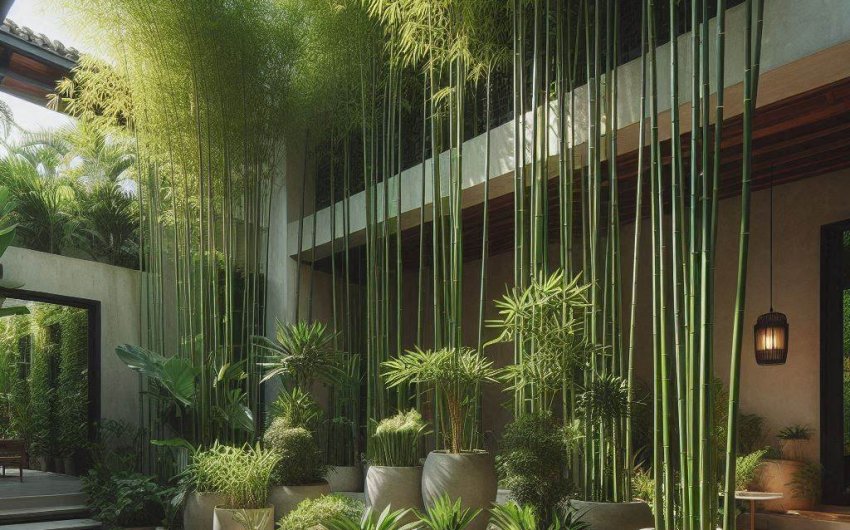
You can effectively grow bamboo in pots for privacy by choosing the right clumping bamboo species, selecting appropriate containers, and providing consistent care to ensure healthy, dense growth. This method offers a versatile and attractive living screen without the worry of aggressive spreading.
Why Choose Bamboo in Pots for Privacy?
Growing bamboo in pots offers a fantastic solution for creating instant privacy screens, especially in urban environments, small yards, or on balconies where in-ground planting is not feasible or desired. It provides flexibility and control that traditional planting does not.
What are the Benefits of Potted Bamboo for Privacy?
- Effective Privacy Screen: Bamboo's fast growth and dense foliage quickly form an effective visual barrier, blocking out unsightly views or nosy neighbors.
- Mobility and Flexibility: The biggest advantage! Unlike in-ground planting, potted bamboo can be easily moved. You can rearrange your screen as needed, bring plants indoors in extreme weather (if space allows), or even take them with you if you move.
- Controls Spread (Crucial!): This is the key reason to pot bamboo. Most bamboo types are "runners" and can become highly invasive when planted in the ground. Pots completely contain their root systems, preventing unwanted spread into your yard or a neighbor's.
- Aesthetic Appeal: Bamboo offers a unique, elegant, and exotic aesthetic. The rustling sound of its leaves in the wind can add a calming, Zen-like ambiance to your outdoor space.
- Fast Growth: Many bamboo varieties grow quickly, providing a privacy solution much faster than many slow-growing shrubs or trees.
- Versatile Design Element: Potted bamboo can define spaces, line pathways, soften hard architectural lines, or act as a backdrop for other plants.
- Adaptable to Small Spaces: Perfect for balconies, patios, rooftop gardens, and small yards where space is at a premium.
What Type of Bamboo is Best for Pots and Privacy?
Choosing the right bamboo species is the most critical decision when you want to grow bamboo in pots for privacy. The distinction between "clumping" and "running" bamboo is paramount for container cultivation.
Clumping vs. Running Bamboo: The Key Difference
- Clumping Bamboo (The ONLY Choice for Pots):
- Growth Habit: Rhymes are short and stout, forming a tight, dense clump that expands slowly outwards, typically only a few inches per year. They are non-invasive.
- Ideal for Pots: Their contained growth habit makes them perfectly suited for container growing. You don't need root barriers.
- Privacy: They still grow tall and dense, forming excellent screens.
- Examples: Most species of Fargesia are clumping bamboos.
- Fargesia robusta 'Campbell': A very popular choice, known for its upright, dense growth, dark green foliage, and ability to handle full sun better than some other Fargesia species. Can reach 10-15 feet.
- Fargesia murieliae 'Rufus': Offers graceful, airy foliage and reddish culms (stems). Very cold-hardy. Typically 8-10 feet.
- Fargesia nitida 'Great Wall': Forms a very dense, upright clump with purplish culms. Reaches 10-12 feet.
- Running Bamboo (Avoid for Pots Unless Highly Managed):
- Growth Habit: Rhymes are long and aggressive, spreading horizontally many feet underground. They are notorious for invading yards, cracking foundations, and becoming a nuisance.
- Not for Pots (Generally): While technically you can put a running bamboo in a pot, its aggressive nature means it will quickly become root-bound, stress the plant, and likely attempt to escape through drainage holes or even crack the pot. They require much more frequent division and vigilance.
- Invasive: If planted in the ground without a professional-grade rhizome barrier, they will spread relentlessly.
- Examples: Phyllostachys species (e.g., 'Black Bamboo,' 'Golden Bamboo') are running bamboos.
Other Factors to Consider When Choosing Species:
- Hardiness Zone: Ensure the chosen species is hardy for your local climate. Bamboo has a wide range of cold hardiness.
- Desired Height and Spread: Different clumping bamboos grow to different mature heights and have varying densities.
- Sunlight Tolerance: Some Fargesia varieties prefer partial shade, while others can tolerate more sun, especially with adequate watering.
Always confirm the species and its growth habit before purchasing any bamboo, especially when planning to grow bamboo in pots for privacy.
What is the Best Type of Pot for Growing Bamboo for Privacy?
The right container is almost as important as the right bamboo species when you want to grow bamboo in pots for privacy. The pot's size, material, and drainage all contribute to the plant's health and your success.
Key Considerations for Potted Bamboo Containers
- Size Matters (Go Big!):
- Minimum Size: Start with a pot that is at least 24 inches (60 cm) in diameter and equally deep, especially for a privacy screen. Larger is always better for bamboo.
- Why Large? Larger pots provide more soil volume, which means:
- More space for roots to grow, leading to a healthier plant.
- More soil to hold moisture, reducing watering frequency.
- More insulation for roots against temperature fluctuations (heat in summer, cold in winter).
- Delays the plant becoming root-bound.
- Privacy Screen: If creating a continuous screen, use multiple large, identical pots placed side-by-side.
- Material:
- Plastic (Heavy-Duty):
- Pros: Lightweight (easier to move before planting), affordable, good moisture retention.
- Cons: Less aesthetic than other materials. Can be less stable for tall bamboo. Flimsier plastic can degrade in UV light.
- Recommendation: Use thick, UV-stabilized nursery pots or sturdy decorative plastic planters.
- Fiberglass/Resin:
- Pros: Lightweight, durable, weather-resistant, wide range of styles and colors, good insulation properties.
- Cons: Can be more expensive.
- Wood (Treated):
- Pros: Natural look, good insulation. Can be custom-built for large sizes.
- Cons: Will eventually rot unless made from rot-resistant wood (cedar, redwood) or properly treated. Requires more maintenance.
- Ceramic/Terra Cotta:
- Pros: Beautiful, traditional look. Heavy, which adds stability for tall plants.
- Cons: Heavy (difficult to move once planted), breakable in frost (especially terra cotta), porous (dries out quickly, requiring more frequent watering).
- Metal (Galvanized Steel, Corten Steel):
- Pros: Very durable, modern aesthetic, long-lasting.
- Cons: Can absorb and transfer heat, potentially overheating roots in direct sun. Can be expensive.
- Plastic (Heavy-Duty):
- Drainage Holes:
- Absolutely Essential! Regardless of material, the pot must have adequate drainage holes at the bottom. Bamboo hates "wet feet" and will suffer from root rot in standing water.
- Ensure holes are not blocked by soil. You can place a piece of landscape fabric or screening over the holes to prevent soil loss while allowing water out.
- Avoid placing gravel at the bottom of the pot; it actually creates a "perched water table" and hinders drainage.
- Consider Weight and Mobility:
- If you plan to move your potted bamboo (e.g., for winter protection or rearranging), factor in the weight of the pot plus soil and plant.
- Use a plant dolly with wheels for heavy containers.
Choosing large, durable pots with excellent drainage will significantly contribute to the long-term health and privacy-screening effectiveness of your bamboo in pots.
What is the Ideal Soil and Planting Method for Potted Bamboo?
Getting the right soil and planting technique is vital for the health of your bamboo in pots, ensuring it grows into a dense, thriving privacy screen. Bamboo has specific needs that differ from many other potted plants.
Crafting the Perfect Potting Mix for Bamboo
Bamboo needs a potting mix that offers: excellent drainage, good aeration, and sufficient moisture retention, along with a slightly acidic to neutral pH (6.0-7.5).
- Avoid Garden Soil: Never use heavy garden soil in pots. It compacts easily, drains poorly, and can introduce pests and diseases.
- Standard Potting Mix Base: Start with a high-quality, well-draining potting mix. Look for mixes containing peat moss, coco coir, or compost.
- Crucial Drainage Amendments (at least 25-30% of total volume):
- Perlite: Lightweight, volcanic glass that significantly improves aeration and drainage.
- Pumice: Similar to perlite but heavier.
- Coarse Sand: Not play sand; use horticultural grade coarse sand or grit.
- Small Pine Bark Fines or Orchid Bark: These are excellent, as they improve drainage, aeration, and add some acidity as they break down.
- Recommended Potting Mix Recipe (by volume):
- 2 parts High-Quality Potting Mix
- 1 part Perlite OR Pumice
- 1 part Small Pine Bark Fines OR Coarse Horticultural Sand
- (Optional) 1/2 part Good Quality Compost for added nutrients and microbial activity.
- Nutrients (Initial): Ensure your mix is slightly nutrient-rich. Compost helps, or you can add a slow-release granular fertilizer formulated for acid-loving plants.
Step-by-Step Planting Method
- Prepare the Pot:
- Ensure your chosen large pot has ample drainage holes.
- Place a piece of landscape fabric or screening over the drainage holes to prevent soil loss while ensuring water can escape freely. Do not put gravel or broken pottery at the bottom, as this can impede drainage.
- Add Drainage Layer (Optional, but Good for Stability):
- For very large pots, you can add a 2-3 inch layer of lightweight drainage material like lava rock or large perlite at the very bottom, but this is less critical than having good drainage holes and a well-draining mix.
- Fill with Potting Mix:
- Fill the pot about one-third to halfway with your prepared bamboo potting mix.
- Position the Bamboo:
- Carefully remove the bamboo plant from its nursery container. Gently loosen any circling roots at the bottom.
- Place the bamboo in the center of the pot. The top of the root ball should be about 1-2 inches below the rim of the pot, allowing space for watering.
- Backfill and Settle:
- Fill the rest of the pot with potting mix, gently firming it around the root ball to remove large air pockets. Do not compact it too tightly.
- Water Thoroughly:
- Water the newly potted bamboo deeply until water drains freely from the bottom of the pot. This settles the soil further.
- Top with Mulch:
- Apply a 1-2 inch layer of organic mulch (e.g., shredded bark, wood chips, or small pebbles) on top of the soil, keeping it a few inches away from the culms. This helps retain moisture, regulate soil temperature, and suppress weeds.
Proper soil and planting methods provide your bamboo in pots with the optimal foundation for healthy growth, leading to that lush privacy screen you desire.
How Do You Care for Potted Bamboo for Maximum Privacy Growth?
Consistent and appropriate care is paramount to ensure your bamboo in pots thrives and provides the dense, continuous privacy screen you envisioned. Potted bamboo has different needs than in-ground plants.
Essential Care for Potted Bamboo
- Watering (Most Important Factor for Potted Bamboo):
- Frequent Watering: Bamboo is a thirsty plant, especially in containers where soil dries out much faster than in the ground. Potted bamboo will likely need daily watering, and possibly twice a day during hot, dry, or windy weather.
- Check Daily: Stick your finger 1-2 inches into the soil. If it feels dry, water thoroughly until water drains from the bottom. Never let the pot sit in standing water.
- Avoid Drying Out: Even brief periods of severe drought can stress or kill potted bamboo.
- Fertilizing (Regularly):
- Bamboo is a heavy feeder, especially in pots where nutrients leach out.
- Frequency: Fertilize regularly during the growing season (spring through late summer).
- Type: Use a balanced, slow-release granular fertilizer or a liquid feed with a slightly higher nitrogen content (first number in NPK) to promote lush foliage. A bamboo specific fertilizer is ideal.
- Organic Options: Well-rotted compost top-dressed annually, or organic liquid feeds like fish emulsion, can also be used.
- Follow Directions: Always follow fertilizer package instructions for application rates.
- Sunlight:
- Most clumping bamboos (Fargesia species) prefer partial shade to full sun, especially in hotter climates where direct afternoon sun can scorch leaves.
- Monitor your plant. If leaves curl or yellow excessively, it might be getting too much sun or not enough water.
- Pruning for Density and Health:
- Removing Dead/Weak Culms: Annually, typically in spring, prune out any dead, damaged, or weak culms at ground level. This allows new, stronger culms to emerge.
- Thinning (Optional): If the clump becomes too dense in the center, you can thin out some older, smaller culms to improve air circulation and light penetration, promoting healthier new growth.
- Topping (for height control): If bamboo grows too tall, you can cut culms to your desired height. The culm will not grow taller, but it will branch out below the cut, potentially increasing density. Only cut culms that have fully matured (hardened).
- Pest and Disease Monitoring:
- Bamboo is relatively pest-resistant. Watch for common issues like aphids or spider mites, especially on stressed plants.
- Use organic pest control methods (e.g., strong water spray, insecticidal soap, neem oil).
- Winter Protection (in Colder Climates):
- Insulate Pots: In zones colder than your bamboo's hardiness rating, protect roots by wrapping pots with burlap, bubble wrap, or straw. You can also group pots together for mutual insulation.
- Move to Sheltered Location: Move pots against a south-facing wall, under an overhang, or into an unheated garage/shed if severe cold is expected.
- Continue Watering: Even in winter, potted bamboo can dry out. Check soil moisture and water on warmer days when the soil isn't frozen.
- Repotting/Division (Every Few Years):
- Root Bound: Clumping bamboo will eventually become root-bound in its pot (roots fill the container, growth slows, plant may yellow). This typically happens every 3-5 years.
- Repotting: Move to a larger pot, or carefully lift the root ball, prune off some outer roots and old culms, and replant in the same pot with fresh potting mix.
- Division: Divide the plant into smaller sections and repot them into new containers. This is also how you propagate more bamboo! Use a sharp spade or saw to cut through the root ball.
By consistently applying these care practices, your bamboo in pots will flourish, creating a robust and beautiful privacy screen for your outdoor space.
What are Some Creative Ways to Use Potted Bamboo for Privacy?
Once you master growing bamboo in pots for privacy, you can get creative with how you arrange and integrate them into your outdoor design. Potted bamboo offers immense versatility.
Design Ideas for Potted Bamboo Screens
- Linear Privacy Screen:
- Perfect for Balconies/Patios: Line up multiple identical large pots side-by-side to create a continuous green wall. This is ideal along railings or property lines.
- Uniformity: Using the same type of pot and bamboo creates a sleek, modern look.
- Room Dividers in Outdoor Spaces:
- Define outdoor "rooms" on a large patio or deck. Use a row of potted bamboo to separate a dining area from a lounge area, or to create a more intimate seating nook.
- Softening Hard Architectural Lines:
- Place potted bamboo near a blank wall, a garage side, or a fence to add a natural, organic element that softens sharp angles and industrial looks.
- Entrance or Pathway Delineation:
- Place a potted bamboo plant on either side of an entryway, gate, or at intervals along a path to create a sense of grandeur and define the route.
- Backdrop for Other Plants:
- Use the tall, dense bamboo as a living backdrop for smaller flowering plants or ornamental grasses in front. This makes other plants pop and adds depth to your garden design.
- Concealing Unsightly Areas:
- Strategically place a few large pots of bamboo to hide air conditioning units, trash bins, utility boxes, or an old shed.
- Moving Screens for Dynamic Privacy:
- If you have a large open space, use bamboo on plant dollies with wheels to create movable privacy screens. This allows you to adjust your privacy as needed throughout the day or for different events.
- Accent Plant in Containers:
- While primarily for privacy, a single well-grown potted bamboo can also serve as a striking accent plant on its own, adding a vertical element and exotic touch.
- Mixing with Other Tall Plants:
- Combine your potted bamboo with other tall, narrow plants in pots (e.g., columnar evergreens, tall ornamental grasses) to create a diverse living screen with varied textures.
The adaptability of bamboo in pots allows you to experiment with different arrangements and placements, ensuring you can create the perfect, ever-changing privacy solution for your specific outdoor needs.