
Unlocking the Mystery: How to Diagnose Plant Problems
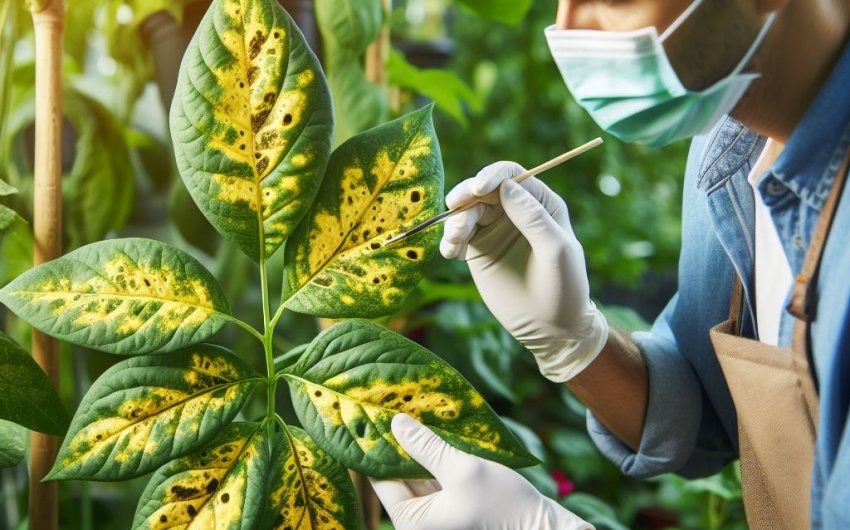
Diagnosing plant problems involves systematically observing symptoms, inspecting the entire plant and its environment, and then ruling out common issues like improper watering, light imbalances, nutrient deficiencies, or pest infestations. The key is to act quickly to prevent further stress or decline.
What Are the First Steps to Diagnose a Sick Plant?
The first steps to diagnose plant problems involve a thorough visual inspection and reviewing recent care routines. Don't just look at the most obvious symptom; examine the entire plant from top to bottom, including the soil and pot. This initial assessment helps gather clues that point towards the root cause. A calm and methodical approach is best when trying to figure out what's ailing your green friend.
How Do I Perform a Visual Inspection of My Plant?
To perform a visual inspection, start by looking at the leaves – top and bottom. Check for discoloration (yellowing, browning, spots), unusual textures (sticky, fuzzy, powdery), holes, or distortions (curling, wilting). Next, examine the stems for softness, shriveling, or any visible growths. Don't forget the flowers or fruit if present, looking for any abnormalities. Finally, inspect the soil surface for mold, crust, or tiny insects, and gently feel its moisture level. A small magnifying glass, like the Carson Clip and Flip Magnifier, can be invaluable for spotting tiny pests or subtle leaf damage.
What Recent Changes in Care Could Be Affecting My Plant?
Think about any recent changes in your plant's environment or care routine. Did you recently repot it, move it to a new location, change its watering schedule, or apply a new fertilizer? Even subtle shifts can stress a plant. Consider the season: has the temperature dropped, or has the humidity decreased? Reflecting on these recent events can often directly link to the problems you're observing. For example, a sudden yellowing after moving a plant to a sunnier spot might indicate scorching.
How Can I Tell if My Plant Has a Watering Problem?
Watering issues are among the most common reasons for plant distress, and they can manifest in surprisingly similar ways, whether from too much or too little water. Understanding the subtle differences in symptoms and checking the soil directly are key to identifying these problems correctly.
What Does Underwatering Look Like?
Underwatering typically makes plants look thirsty. You'll often see wilting leaves that may feel crispy or dry to the touch. The leaves might turn yellow or brown, starting from the tips or edges, and then fall off. The soil will feel bone dry and might have pulled away from the sides of the pot. Plants may appear generally listless and dull. For example, a fiddle-leaf fig might drop its lower leaves rapidly if it's not getting enough water. Using a soil moisture meter can provide accurate readings throughout the pot.
How Can I Spot Overwatering Symptoms?
Overwatering can be more deceptive because it often leads to wilting, similar to underwatering. However, with overwatering, the leaves usually turn yellow or brown and feel soft and mushy, rather than crispy. The soil often smells musty or sour, and you might see mold or fungus gnats flying around. The most definitive sign is root rot, where roots become brown, mushy, and easily break off. Plants like succulents are particularly sensitive to overwatering. The problem stems from roots being deprived of oxygen in waterlogged soil.
What Is the Right Way to Check Soil Moisture?
The best way to check soil moisture is to insert your finger about 1-2 inches deep into the soil. If it feels dry, it's likely time to water. For larger pots, a wooden stick or chopstick pushed deeper into the soil can give you a better idea. The top layer of soil often dries out faster than the soil deeper down. A good quality soil moisture meter provides an objective measurement, which can be very helpful, especially for beginners or for plants with specific moisture needs.
Are Light Issues Causing My Plant Problems?
Light is essential for plant survival, and getting the balance wrong can quickly lead to various stress symptoms. Too much or too little light can both be detrimental, impacting growth, color, and overall health. Identifying light-related problems often involves observing where your plant is placed and how the light changes throughout the day.
What Are the Signs of Too Little Light?
When a plant isn't getting enough light, it often displays etiolation, meaning the stems become long, leggy, and stretched out as the plant literally reaches for more light. The leaves may become smaller than usual, and the plant might fail to flower or produce new growth. Existing leaves might turn pale green or yellow due to insufficient chlorophyll production. A common example is a Pothos vine with very long stretches between leaves and tiny new leaves. Consider moving the plant closer to a window or supplementing with a grow light.
How Can I Tell if My Plant Is Getting Too Much Sun?
Too much direct sunlight, especially intense afternoon sun, can lead to sunburn or scorching. Symptoms include brown, crispy patches or spots on the leaves, often in the areas most exposed to the sun. The leaves might also appear bleached or faded in color. Some plants, particularly those accustomed to shadier conditions, might even develop a reddish or purplish tint as a stress response. For instance, a peace lily suddenly placed in direct sunlight will quickly show these signs. Move the plant to a spot with filtered light or provide some shade.
How Do I Determine the Right Light Level for My Plant?
Understanding your plant's specific light needs is crucial. Most plant tags provide general guidance like "bright indirect light" or "low light." Bright indirect light means the plant is near a window but not in the direct path of sunbeams. Low light means it can tolerate shadier conditions. Observe how the light changes in your home throughout the day. You can use a light meter, like the Dr. Meter Light Meter, to get an accurate reading of the light intensity in different locations, or simply observe shadows: if shadows are soft and blurry, it's indirect; if they're sharp, it's direct.
Could Nutrient Deficiencies Be the Problem?
Plants need a balanced diet of essential nutrients to thrive. When one or more of these nutrients are missing or in short supply, the plant can develop specific symptoms that indicate a deficiency. These issues are often confused with other problems, so knowing the distinct signs is helpful.
What Does Nitrogen Deficiency Look Like?
Nitrogen deficiency typically causes overall yellowing of older leaves, starting from the tips and progressing inwards. The plant's growth will also be stunted, and newer leaves might remain a lighter green. Nitrogen is a mobile nutrient, meaning the plant will move it from older leaves to support new growth, which is why older leaves show symptoms first. For instance, corn plants will show a distinct "V" shaped yellowing down the midrib of older leaves. A balanced fertilizer, such as Miracle-Gro Indoor Plant Food Spikes, can help replenish essential nutrients.
How Do I Spot a Phosphorus Deficiency?
Phosphorus deficiency often results in dark green or purplish discoloration of leaves, particularly on the undersides and along the veins. Stems might also appear purplish. Growth will be stunted, and flowering or fruiting may be reduced. This deficiency is less common in houseplants but can be an issue in outdoor gardens, especially in cold soil conditions. Tomatoes suffering from phosphorus deficiency often show purple stems and leaf undersides.
What Are the Signs of Potassium Deficiency?
Potassium deficiency commonly causes yellowing and browning along the edges of older leaves, often described as "scorching" or "leaf margin necrosis." The affected areas might eventually die and become crispy. The plant's overall vigor can decline, and it may be more susceptible to diseases. Potassium is crucial for water regulation and overall plant health. For example, a severe potassium deficiency in a banana plant would show crispy brown edges on its oldest leaves.
What About Micronutrient Deficiencies Like Iron or Magnesium?
Micronutrient deficiencies often present as interveinal chlorosis, meaning the leaf tissue between the veins turns yellow while the veins themselves remain green.
- Iron deficiency typically shows this pattern on new growth or younger leaves.
- Magnesium deficiency causes interveinal chlorosis on older leaves, sometimes with a reddish or purplish tint. These are critical for various plant functions, and their absence can severely impact plant health. Correcting soil pH can sometimes resolve micronutrient availability issues, as their uptake is often pH-dependent. Using a soil pH meter can help you monitor this important factor.
How Do I Identify Plant Pests and Their Damage?
Pests are unwelcome visitors that can quickly cause significant damage to your plants. Recognizing the signs of their presence, from direct sightings to distinct patterns of damage, is crucial for timely and effective intervention. Each pest leaves its own unique calling card.
What Are Common Signs of Aphids and Their Impact?
Aphids are small, soft-bodied insects, often green, black, or yellow, found in clusters on new growth and leaf undersides. They suck plant sap, causing curled, distorted, and yellowed leaves. They also excrete honeydew, a sticky substance that can lead to sooty mold growth. Ants are often seen around aphids, as they "farm" the honeydew. A good magnifying glass is essential for spotting them.
How Can I Detect Spider Mites on My Plants?
Spider mites are tiny arachnids, barely visible to the naked eye, that thrive in dry conditions. They are identified by the fine webbing they create on leaf undersides and around stems. Their feeding causes tiny yellow or white stippling on leaves, which can progress to bronzing or yellowing. To confirm, tap a suspicious leaf over a white piece of paper; if tiny red or brown specks move, you likely have spider mites. The Deroon Plant Inspection Magnifying Glass can make a huge difference in detection.
What Are the Key Indicators of Mealybugs?
Mealybugs are easily recognized by their cottony, white, fuzzy masses found in leaf axils, along stems, and on leaf undersides. These insects also suck plant sap and produce honeydew, leading to sticky leaves and potentially sooty mold. They are particularly fond of succulents and orchids. The white, waxy coating protects them, making them a bit more challenging to eradicate.
What Do Whiteflies Do to Plants?
Whiteflies are tiny, white, moth-like insects that typically congregate on the undersides of leaves. When disturbed, they will flutter up in a small cloud. They are sap-suckers, causing yellowing, stunting, and wilting of leaves. Like aphids and mealybugs, they excrete honeydew. Yellow sticky traps, like the Stingmon Yellow Sticky Traps, are excellent for monitoring and reducing their population.
How Can I Identify Thrips and Their Damage?
Thrips are tiny, slender insects, often black, brown, or straw-colored, with fringed wings. They cause damage by rasping plant cells and sucking out the contents, leaving behind silvery streaks or stippling on leaves. Flowers can become distorted or discolored, and buds may fail to open. They are very active and can be found by shaking flowers over a white piece of paper.
Could Disease Be Causing My Plant's Symptoms?
Plant diseases, caused by fungi, bacteria, or viruses, can also mimic environmental stress or pest damage. Identifying a disease often involves looking for specific lesion patterns, colors, and textures that differ from pest or nutrient issues.
What Are Common Fungal Diseases and Their Signs?
Fungal diseases are very common and often thrive in humid conditions.
- Powdery mildew appears as a white, powdery coating on leaves and stems.
- Leaf spot diseases cause distinct circular or irregular spots that can be brown, black, or yellow, often with a halo.
- Rust diseases produce orange, rusty-colored pustules on leaf undersides.
- Botrytis blight (gray mold) creates a fuzzy gray mold on dying or damaged plant parts. Good air circulation and avoiding overhead watering can help prevent many fungal issues. Fungicides, like Garden Safe Fungicide, can be used for treatment.
How Do I Spot Bacterial Plant Diseases?
Bacterial diseases often cause water-soaked lesions, soft rots, or galls (abnormal growths).
- Bacterial leaf spots typically have a yellow halo around a dark center and can ooze a bacterial slime.
- Bacterial wilts cause plants to suddenly wilt even when soil moisture is adequate.
- Crown gall manifests as wart-like growths on stems or roots. Many bacterial diseases are spread by water splash or contaminated tools. There are fewer effective treatments for bacterial diseases than for fungal ones, so prevention and removal of infected parts are key.
What Are the Indicators of Viral Plant Diseases?
Viral diseases often produce symptoms like mosaic patterns (light and dark green areas) on leaves, leaf distortion (curling, puckering), stunted growth, or unusual streaking or color breaks in flowers. Viral diseases are usually spread by sap-sucking insects (like aphids or thrips) or through contaminated tools. Unfortunately, there are generally no cures for viral diseases in plants, so infected plants should be isolated and often discarded to prevent spread.
How Do I Systematically Diagnose My Plant's Problem?
When faced with multiple symptoms, a systematic approach helps you narrow down the possibilities and arrive at an accurate diagnosis. It's like being a detective for your plants, looking for all the clues and eliminating suspects one by one.
What Is the "Process of Elimination" for Plant Diagnostics?
The process of elimination is a powerful diagnostic tool. Start by considering the most common and easily verifiable issues first.
- Check watering: Is the soil too wet or too dry? This is often the simplest fix.
- Assess light: Is the plant getting too much or too little light for its needs?
- Inspect for pests: Use a magnifying glass to thoroughly check for any insects or mites.
- Review feeding: When was the last time you fertilized? Are there signs of nutrient deficiency?
- Consider environment: Has temperature, humidity, or air circulation changed significantly? If none of these common factors explain the symptoms, then you can start looking into less common issues like specific diseases or more complex root problems. This methodical approach helps you avoid jumping to conclusions.
How Do I Use a Symptom Checker or Online Resources Effectively?
Online symptom checkers or plant diagnostic tools can be helpful, but they should be used as a guide, not a definitive answer.
- Be specific in your search terms (e.g., "yellowing lower leaves peace lily").
- Compare multiple sources to confirm information.
- Look for images that match your plant's symptoms closely.
- Don't rely solely on one symptom; consider the whole picture. Use these resources to generate hypotheses, then confirm them with further investigation. Forums and gardening communities can also offer valuable insights from experienced plant parents.
When Should I Repot My Plant as Part of Diagnosis?
Repotting can sometimes be a solution, but it's often more of a stressor, so it should be considered carefully. You might repot if:
- The plant is clearly root-bound, with roots circling the pot or growing out of drainage holes.
- You suspect root rot from overwatering, and need to inspect and trim damaged roots.
- The soil is old, compacted, or no longer draining well, leading to poor aeration.
- The plant has outgrown its current pot and needs more space for root development. Always choose a pot only slightly larger than the old one, and use fresh, appropriate potting mix, like FoxFarm Ocean Forest Potting Soil, when repotting.
What Are Some Advanced Techniques for Diagnosing Plant Problems?
For persistent or unusual plant issues, you might need to go beyond the basics. Advanced techniques can provide deeper insights into the health of your plant, revealing problems that aren't immediately obvious. These methods are particularly useful for stubborn problems or valuable specimens.
How Can Root Inspection Aid in Diagnosis?
A root inspection is crucial for diagnosing suspected watering issues or nutrient problems. Gently remove the plant from its pot and examine the roots.
- Healthy roots are typically firm, white or light-colored, and spread throughout the soil.
- Overwatered roots suffering from root rot will be mushy, brown or black, and may smell foul.
- Underwatered roots might be dry, brittle, and shriveled.
- Root-bound plants will have a dense mass of roots circling the pot. If root rot is present, trim away affected roots with clean scissors, repot into fresh soil, and adjust your watering habits.
What Is the Importance of Soil Testing for Plant Health?
Soil testing can reveal specific nutrient deficiencies or excesses, as well as problems with soil pH.
- A soil test kit, like the Luster Leaf Rapitest Soil Test Kit, can measure levels of nitrogen, phosphorus, and potassium, as well as pH.
- pH imbalances can lock up essential nutrients, making them unavailable to the plant even if they are present in the soil. Understanding your soil's composition and pH is especially important for outdoor gardens or large container plants where the soil might be custom-mixed. Adjusting soil pH often involves adding lime to raise it or sulfur to lower it.
When Should I Seek Professional Plant Diagnostic Help?
If you've tried all the common diagnostic steps and still can't figure out what's wrong with your plant, or if the problem is rapidly worsening, it might be time to seek professional help.
- Local nurseries or garden centers often have knowledgeable staff who can offer advice.
- Cooperative Extension offices (in the US) provide excellent resources, including plant diagnostic labs where you can send samples for analysis.
- Certified arborists or master gardeners can also offer expert guidance, especially for trees or significant garden issues. Don't be afraid to reach out; sometimes a fresh, experienced set of eyes is exactly what's needed to unlock the mystery of your plant's problem.
By systematically observing, inspecting, and understanding the common causes of distress, you can effectively diagnose plant problems and provide the right care to help your green companions recover and flourish.