
Unmasking Plant Pests: A Guide to Identification
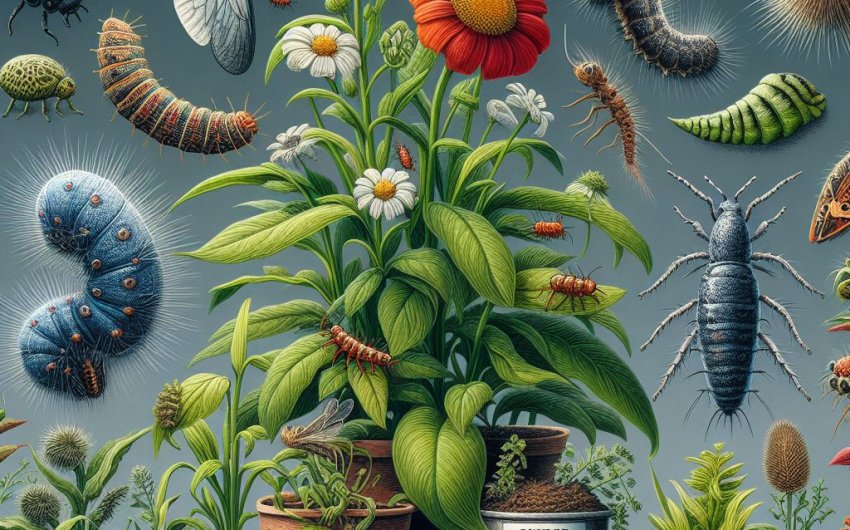
Recognizing plant pests quickly is crucial for healthy plants, and often the first signs appear as leaf damage, discoloration, or stunted growth. Early identification allows for targeted and effective treatment, preventing widespread infestation and potential plant loss.
What Are the Most Common Plant Pests I Should Look For?
The most common plant pests include aphids, spider mites, mealybugs, whiteflies, fungus gnats, and thrips. Each of these pests has distinct characteristics and preferred plant hosts, making accurate identification the first step toward control. Understanding their typical appearance and behavior will significantly aid in spotting them before they cause severe damage. Often, a combination of visual inspection and careful observation of plant symptoms will reveal their presence.
How Can I Identify Aphids on My Plants?
Aphids are small, soft-bodied insects, typically green, black, red, or yellow, often found in clusters on new growth, leaf undersides, and flower buds. They are easily recognized by their pear-shaped bodies and two short "tailpipes" called cornicles at their rear. Aphids suck plant sap, leading to curled, yellowed, or distorted leaves, and they excrete a sticky substance called honeydew, which can lead to sooty mold growth. Checking the tender new shoots of plants like roses, hibiscus, and tomatoes is a good starting point for finding aphids. A good magnifying glass, like the Carson Clip and Flip Magnifier, can help spot these tiny pests.
What Do Spider Mites Look Like and Where Do They Hide?
Spider mites are tiny arachnids, not insects, and are often reddish-brown or yellowish. They are extremely small, barely visible to the naked eye, and are best identified by the fine webbing they produce on the undersides of leaves, especially around where the leaf stem meets the main stem. Stippling (tiny yellow or white dots) on leaves, followed by bronzing or yellowing, are common signs of spider mite damage. They thrive in hot, dry conditions and are common on houseplants, fruit trees, and vegetables. To spot them, hold a white piece of paper under a leaf and tap it gently; if tiny specks fall and start to move, you likely have spider mites. The Deroon Plant Inspection Magnifying Glass can be invaluable for seeing these minute creatures.
How Do I Know if My Plant Has Mealybugs?
Mealybugs are easily identified by their cottony, white, waxy coverings, which protect their soft, oval bodies. They often congregate in leaf axils, along stems, and on the undersides of leaves, looking like small pieces of cotton. Like aphids, they feed on plant sap and excrete honeydew, which can attract ants and lead to sooty mold. Plants like succulents, orchids, and citrus are particularly susceptible. When you see fuzzy white masses, particularly in sheltered areas of the plant, it’s a strong indicator of mealybugs. A soft brush or cotton swab dipped in rubbing alcohol can be used for initial removal, a method often recommended for light infestations.
What Are the Signs of Whiteflies on Plants?
Whiteflies are small, white, moth-like insects that flutter up in a cloud when disturbed from the undersides of leaves. They are related to aphids and mealybugs and also feed on plant sap, causing yellowing and stunting of growth. Their nymphs are flat, oval, and scale-like, found on the undersides of leaves, often surrounded by honeydew. They are a common problem in greenhouses and on many garden plants, including tomatoes, peppers, and various ornamentals. Sticky traps, like the Stingmon Yellow Sticky Traps, are an effective tool for monitoring their presence and can help with early detection.
How Can I Tell if Fungus Gnats Are a Problem?
Fungus gnats are tiny, dark-bodied flies that resemble small mosquitoes and are often seen flying around houseplants, especially when the soil is disturbed. While the adult gnats are mostly a nuisance, it’s their larvae in the soil that cause damage by feeding on plant roots, particularly in seedlings and young plants. They thrive in consistently moist soil, so overwatering is often a contributing factor to infestations. If you see small black flies near your plants and notice yellowing or wilting in young plants, inspect the soil for tiny, clear or white, worm-like larvae. Allowing the top inch or two of soil to dry out between waterings can significantly reduce their numbers.
What Are Thrips and How Do They Harm Plants?
Thrips are tiny, slender insects, often black, brown, or straw-colored, with fringed wings. They are very mobile and can be found on leaves, flowers, and fruit. Thrips feed by piercing plant cells and sucking out the contents, leaving behind silvery streaks or stippling on leaves and distorted, scarred, or discolored flowers and fruit. They are particularly problematic for many flowering plants and vegetables like peppers and onions. If you shake a flower or leaf over a white piece of paper, you might see tiny, fast-moving specks that are thrips. Yellow or blue sticky traps can also help monitor their presence.
How Can I Identify the Type of Damage Caused by Pests?
Identifying the type of damage caused by pests is often the quickest way to narrow down the culprits. Different pests leave distinct calling cards on your plants, ranging from specific leaf patterns to sticky residues. Understanding these visual cues helps you target your pest control efforts more effectively. Don't just look for the pests themselves; inspect the leaves, stems, and flowers for tell-tale signs.
What Do Chewing Pests Do to Leaves?
Chewing pests, such as caterpillars, beetles, and slugs, leave behind visible holes, ragged edges, or completely devoured leaves. If you see large, irregular holes in leaves, or even entire leaves missing, these are strong indicators of a chewing pest. Often, you might also find frass (insect droppings) on the leaves or soil below. Slugs and snails leave a characteristic slimy trail. For example, a tomato hornworm can strip a tomato plant bare in a matter of days, leaving large, distinct chew marks. Checking plants early in the morning or after dusk can sometimes reveal nocturnal chewers.
How Do Sucking Pests Affect Plant Health?
Sucking pests, including aphids, spider mites, mealybugs, and whiteflies, feed by piercing plant tissue and extracting sap. This often leads to symptoms like stippling (tiny pale dots), yellowing, curling or distortion of leaves, and stunted growth. You might also observe honeydew, a sticky, sugary residue, and subsequent sooty mold on leaves and stems. For instance, severe aphid infestations can cause new leaves to twist and pucker significantly, while spider mite feeding results in a fine, dusty, often bronze discoloration on the underside of leaves before visible webbing appears. Using a clip-on microscope for phones can greatly aid in examining minute damage and spotting tiny pests.
What are Leaf Miners and How Do They Damage Plants?
Leaf miners are the larvae of certain insects (flies, moths, beetles, or sawflies) that tunnel and feed within the layers of a leaf. Their presence is easily identified by the distinctive squiggly or winding trails they create on the leaf surface, which appear as lighter-colored lines or blotches. While the damage is usually aesthetic, heavy infestations can reduce a plant's ability to photosynthesize effectively, especially in edible plants like spinach or chard. The actual larvae are hidden inside the leaf, making them difficult to spot directly without careful inspection. Removing and destroying affected leaves can help control their spread.
How Do Scale Insects Impact Plants?
Scale insects are unique in their appearance; they are small, immobile pests that appear as small bumps or oval-shaped shells attached to stems, branches, and leaf undersides. They come in various colors and textures, from flat and brown to rounded and waxy. Like aphids and mealybugs, they are sap-suckers and produce honeydew and sooty mold. Often, people mistake them for part of the plant structure until they notice the sticky residue or the plant begins to decline. Soft scale produces more honeydew, while hard scale is tougher and more difficult to scrape off. Citrus plants, ferns, and many ornamental trees are common hosts. A careful physical scraping with a fingernail can dislodge them if they are scales.
What Tools Can Help Me Identify Plant Pests More Easily?
Having the right tools can make the difference between catching an infestation early and struggling to control a widespread problem. Simple, inexpensive tools can greatly enhance your ability to spot tiny pests and subtle signs of damage that are often missed with the naked eye. Investing in these items is a smart move for any plant enthusiast.
Why Is a Magnifying Glass Essential for Pest Identification?
A magnifying glass or a jeweler's loupe is perhaps the most essential tool for pest identification. Many common pests, like spider mites, thrips, and early-stage aphids, are extremely tiny and can be difficult to see clearly without magnification. A good quality magnifier, such as the Fancii LED Lighted Magnifier, allows you to observe their detailed body shapes, colors, and even their movement, which are critical for accurate identification. Always check the undersides of leaves and in tight crevices, as these are common hiding spots.
How Can Sticky Traps Aid in Early Pest Detection?
Yellow or blue sticky traps are invaluable for monitoring and catching flying insect pests like whiteflies, fungus gnats, and thrips. Pests are attracted to the specific colors and get stuck on the adhesive surface. By regularly checking the traps, you can determine if pests are present, track their population levels, and even get a preliminary idea of what types of pests you're dealing with before they become a major problem. They are particularly useful for houseplants and in greenhouses. Placing a Garsum Sticky Trap for Indoor Plants near affected plants can give you immediate feedback.
What Role Does a White Piece of Paper Play in Finding Pests?
A simple white piece of paper can be surprisingly effective for detecting very small or fast-moving pests, especially spider mites and thrips. Hold the paper directly below a suspicious leaf or flower and gently tap the plant. If tiny specks fall onto the paper and then start to move, you've likely found your culprits. The white background makes it much easier to see these minute creatures against a plain, contrasting surface. This method is quick, easy, and requires no special equipment, making it a go-to technique for initial inspections.
When Is the Best Time to Inspect Plants for Pests?
Regular and consistent inspection is key to early pest detection. The "best time" isn't a single moment, but rather a habit of frequent checks that allow you to catch problems when they are small and manageable. Incorporating plant inspection into your routine can save you a lot of headache and heartache in the long run.
How Often Should I Check My Plants for Pests?
You should aim to check your plants at least once a week, or even more frequently for highly susceptible plants or if you've had pest issues in the past. When bringing new plants into your home or garden, quarantine them and inspect them thoroughly for several weeks before introducing them to your other plants. This preventative step can save your entire collection from a new infestation. Consistent, routine inspection allows you to spot pests when populations are low and damage is minimal. Make it a habit while watering, or simply take a few minutes each week to give your plants a close once-over.
What Areas of the Plant Should I Focus On During Inspection?
When inspecting your plants, focus on the undersides of leaves, new growth, leaf axils (where the leaf stem meets the main stem), and flower buds. These are the most common hiding spots for many pests due to the shelter and tender tissue they offer. Pests often prefer the more succulent, unprotected new growth. Also, pay attention to any unusual discoloration, curling, stippling, or sticky residues on leaves and stems, as these are often the first visible signs of a problem. Don't forget to check the soil surface, especially for fungus gnats.
What Are Some Natural and Organic Ways to Control Common Plant Pests?
Once identified, controlling plant pests using natural and organic methods can be highly effective without resorting to harsh chemicals. These approaches often work by disrupting the pest life cycle, repelling them, or physically removing them, and they are generally safer for your plants, pets, and the environment.
How Can Neem Oil Help Control Plant Pests?
Neem oil is a popular organic pesticide that works as an antifeedant, growth disruptor, and repellent for a wide range of pests, including aphids, spider mites, whiteflies, and mealybugs. It's derived from the neem tree and is non-toxic to humans and pets when used as directed. Mix neem oil concentrate, like Organic Neem Bliss Cold Pressed Neem Oil, with water and a tiny bit of dish soap to help it mix well. Spray thoroughly, ensuring coverage of both the top and undersides of leaves, and reapply every 7-10 days until the infestation is gone. It's important to apply neem oil in the evening or on a cloudy day to prevent leaf burn, as sunlight can intensify its effects on leaves.
When Is Insecticidal Soap Effective for Pest Control?
Insecticidal soap is an effective and safe option for soft-bodied pests like aphids, mealybugs, spider mites, and whiteflies. It works by dissolving the waxy outer coating of the insects, causing them to dehydrate. The key to its effectiveness is direct contact with the pests, so thorough coverage is essential. Use a ready-to-use spray, or mix your own using mild dish soap and water (be careful, as too much soap can harm plants). Repeated applications, typically every 5-7 days, may be necessary to target newly hatched pests. Ensure you use a genuine insecticidal soap, such as Safer Brand Insect Killing Soap, for best results and plant safety.
What Role Do Beneficial Insects Play in Pest Management?
Beneficial insects are natural predators or parasites of common garden pests and can be a highly effective biological control method. For example, ladybugs and lacewing larvae are voracious eaters of aphids and spider mites. Praying mantises will eat a variety of insects. By attracting these helpful insects to your garden (e.g., by planting flowers that provide nectar and pollen) or purchasing them (e.g., live ladybugs for release), you can establish a natural defense system against pests. Always ensure you are not using broad-spectrum pesticides if you intend to encourage beneficial insect populations.
How Can Physical Removal and Pruning Help Control Pests?
Physical removal is a simple yet effective method, especially for localized infestations or larger pests. For aphids and mealybugs, a strong jet of water can dislodge them from leaves. For larger pests like caterpillars or slugs, simply pick them off by hand and dispose of them. For mealybugs and scale insects, a cotton swab dipped in rubbing alcohol can be used to directly dab and kill them. Pruning heavily infested leaves, stems, or branches can significantly reduce the pest population and prevent them from spreading to healthier parts of the plant. Always clean your pruning shears, like the Fiskars Bypass Pruning Shears, after use to avoid spreading any plant diseases or pests.
What Are Some Common Plant Pests by Plant Type?
Different plants have varying susceptibility to certain pests. Understanding which pests commonly target specific plant types can help you anticipate problems and focus your inspection efforts. Knowing these patterns provides a valuable head start in pest management.
Which Pests Commonly Affect Houseplants?
Houseplants are frequently troubled by spider mites, mealybugs, aphids, whiteflies, and fungus gnats. The indoor environment, often with lower humidity and consistent temperatures, can create ideal conditions for these pests to thrive without natural predators. Overwatering often leads to fungus gnat issues, while dry conditions encourage spider mites. Regularly wiping down leaves with a damp cloth can not only keep leaves clean but also help dislodge early pest populations. Providing good air circulation with a small fan can also deter some pests.
What Pests Are a Problem for Vegetable Gardens?
Vegetable gardens face a wide array of pests, including aphids, whiteflies, spider mites, cabbage worms (caterpillars), squash bugs, cucumber beetles, and tomato hornworms. Specific vegetables have their arch-nemeses; for instance, cabbage worms target brassicas, and squash bugs devastate squash and zucchini plants. Implementing crop rotation, using row covers, and encouraging beneficial insects are all crucial strategies for a healthy vegetable garden. Regularly inspecting the undersides of leaves and new fruit for any signs of damage or pest presence is vital for preserving your harvest.
Which Pests Target Fruit Trees and Berry Bushes?
Fruit trees and berry bushes are susceptible to pests such as aphids, spider mites, scale insects, fruit flies, codling moths, and Japanese beetles. These pests can damage fruit, foliage, and overall tree health. Apple scab and pear psylla are specific issues for those fruit types. Regular pruning to improve air circulation, applying dormant oil sprays in winter to smother overwintering pests, and using pheromone traps for moths are common strategies. Protecting developing fruit, perhaps with garden netting, can deter some flying pests.
What Pests Often Infest Ornamentals and Flowering Plants?
Ornamental and flowering plants are often attacked by aphids, thrips, spider mites, mealybugs, and leaf miners. Roses, for instance, are notoriously susceptible to aphids and spider mites, while petunias can suffer from thrips. The damage from these pests can ruin the aesthetic appeal of the blooms and foliage. Deadheading spent flowers and regularly removing any diseased or infested plant parts can help keep pest populations down. Choosing pest-resistant varieties and maintaining vigorous plant health through proper watering and fertilization can also reduce susceptibility.
How Can I Prevent Plant Pests from Appearing in the First Place?
Preventative measures are always easier and more effective than curative treatments. By creating an environment that is less welcoming to pests and regularly monitoring your plants, you can significantly reduce the likelihood of a major infestation. A proactive approach is the best defense.
Why Is Plant Hygiene Important for Pest Prevention?
Good plant hygiene is paramount for pest prevention. Regularly removing dead leaves, spent flowers, and fallen debris eliminates hiding spots and breeding grounds for many pests. Keeping your tools clean by disinfecting them with rubbing alcohol or a bleach solution before moving from one plant to another prevents the spread of pests and diseases. For houseplants, wiping down dusty leaves not only improves photosynthesis but also helps you spot any early signs of pests. A clean growing environment is a less inviting one for pests.
How Does Proper Watering and Fertilization Deter Pests?
Proper watering and fertilization contribute significantly to strong, healthy plants, which are naturally more resistant to pest attacks. Overwatering creates damp conditions favorable for fungus gnats and root rot. Underwatering can stress plants, making them weaker and more susceptible to pests like spider mites. Similarly, over-fertilization, especially with nitrogen, can lead to lush, tender new growth that is particularly attractive to aphids. A balanced feeding schedule tailored to your plant's needs, using products like Miracle-Gro Indoor Plant Food Spikes, promotes robust growth that can better withstand pest pressure.
What Is the Role of Air Circulation in Pest Prevention?
Good air circulation around plants helps deter many common pests and fungal diseases. Stagnant, humid air creates an ideal breeding ground for spider mites, whiteflies, and powdery mildew. For indoor plants, ensure they aren't crammed together, and consider using a small fan to gently circulate air. In outdoor gardens, proper spacing between plants is crucial. Pruning excess foliage on dense plants can also improve air flow, making it harder for pests to settle in and multiply unnoticed. This simple step can significantly reduce the appeal of your plants to opportunistic pests.
Why Should I Quarantine New Plants Before Introducing Them?
Quarantining new plants is a non-negotiable step in pest prevention. When you bring a new plant home from a nursery or store, it may be harboring hidden pests or eggs. Place the new plant in a separate room or isolated area for at least two to three weeks, keeping it away from your existing collection. During this time, meticulously inspect it daily for any signs of pests, paying close attention to leaf undersides and soil. This isolation period allows you to identify and treat any potential invaders before they have a chance to spread to your other beloved plants.
By regularly inspecting your plants, recognizing the distinct signs of damage, and understanding the common pests that target specific plant types, you empower yourself to address any issues promptly and effectively. Embracing proactive measures and utilizing natural control methods will keep your plants thriving and healthy.