
Unveiling the Culprits: Exploring Common Plant Diseases
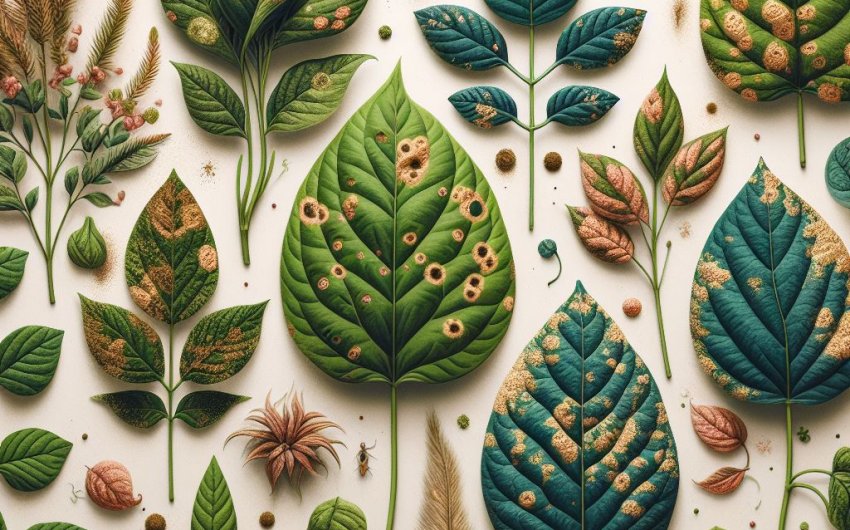
To unveil the culprits: exploring common plant diseases, it's essential to understand that most plant illnesses are caused by fungi, bacteria, or viruses, often triggered by environmental stress. Recognizing early symptoms like leaf spots, wilting, or stunted growth is key to accurate diagnosis and effective treatment to protect your garden.
What causes most plant diseases?
Most plant diseases are caused by tiny living organisms called pathogens, primarily fungi, bacteria, and viruses. These pathogens often exploit plants that are already weakened by environmental stress, such as improper watering, poor soil, nutrient deficiencies, or extreme weather conditions, making a healthy plant more resilient to attack.
How do you identify common fungal plant diseases?
Identifying common fungal plant diseases often involves looking for specific visual cues like powdery coatings, rusty spots, dark lesions, or fuzzy molds on leaves, stems, or fruits. Fungal diseases are the most widespread type of plant illness, flourishing in damp, humid conditions.
What is powdery mildew and how do you treat it?
Powdery mildew is a very common fungal disease that appears as a white or grayish powdery coating on the surface of leaves, stems, and flower buds. It can stunt growth, distort leaves, and reduce flowering, but rarely kills the plant.
- Symptoms: White, dusty patches, usually on the top of leaves, that can spread to cover the entire leaf surface. Leaves may turn yellow or brown and eventually drop.
- Conditions Favored: High humidity combined with warm, dry days and cool nights. Poor air circulation.
- Treatment:
- Remove infected parts: Prune and discard affected leaves and stems immediately. Do not compost.
- Improve air circulation: Space plants properly and prune dense foliage.
- Water correctly: Water the soil directly, avoiding wetting the leaves, especially in the evening.
- Fungicides: Apply a natural fungicide like neem oil spray, horticultural oil, or a baking soda solution (1 teaspoon baking soda per quart of water with a few drops of dish soap). Repeat every 7-10 days.
How do you spot and control rust diseases?
Rust diseases manifest as small, raised, rusty-orange to brown pustules on the undersides of leaves, often accompanied by yellow or orange spots on the upper surface. These pustules release spores that can spread the disease.
- Symptoms: Orange, red, or brown powdery spots or pustules on the undersides of leaves; yellowing or browning on the upper leaf surface. Severe infections can lead to leaf drop and stunted growth.
- Conditions Favored: Cool, moist conditions; prolonged leaf wetness.
- Control:
- Remove infected leaves: Prune and destroy affected foliage.
- Improve air circulation: Ensure good spacing between plants.
- Water at the base: Avoid overhead watering.
- Resistant varieties: Choose rust-resistant plant varieties if available.
- Fungicides: Apply copper-based or sulfur-based garden fungicides as a preventative or early treatment.
What are leaf spot diseases and how can you manage them?
Leaf spot diseases are characterized by small, discolored spots that appear on plant leaves. These spots can vary in color (black, brown, tan, purple), shape (round, irregular), and size, often with a distinct border or halo.
- Symptoms: Circular or irregular spots on leaves, often with a darker margin. In severe cases, spots may merge, leading to yellowing and premature leaf drop.
- Conditions Favored: Wet foliage, high humidity, and poor air circulation.
- Management:
- Sanitation: Remove and destroy fallen leaves and severely infected plants.
- Improve air circulation: Space plants appropriately and prune for better airflow.
- Water wisely: Water at the soil level in the morning to allow foliage to dry quickly.
- Fungicides: Copper or sulfur-based fungicides can help protect new growth.
How to deal with damping-off in seedlings?
Damping-off is a group of fungal diseases that attack seedlings at or just below the soil line, causing them to wilt, topple over, and die quickly. It's a common issue when starting seeds indoors.
- Symptoms: Seedlings suddenly collapse and die, often appearing "pinched" at the soil line. Seeds may fail to germinate.
- Conditions Favored: Overwatering, poorly drained soil, high humidity, cool soil temperatures, and unsterilized potting mix or tools.
- Prevention and Management:
- Sterile potting mix: Always use a sterile seed starting mix.
- Clean containers/tools: Sterilize all pots and tools before use.
- Proper watering: Water from the bottom or water gently to avoid waterlogging; let the soil dry slightly between waterings.
- Good air circulation: Use a fan if starting seeds indoors to prevent stagnant air.
- Warm soil: Maintain optimal soil temperatures for germination.
How do you recognize bacterial plant diseases?
Bacterial plant diseases often present with symptoms like water-soaked spots, slimy decay, galls (abnormal growths), or sudden wilting that doesn't improve with watering. Unlike fungi, bacterial lesions often appear gooey or have a distinct odor.
What are common bacterial leaf spots and blights?
Bacterial leaf spots and blights create irregular, water-soaked, or greasy-looking lesions on leaves, often surrounded by a yellow halo. Blights typically involve rapid browning and death of large areas of foliage or flowers.
- Symptoms: Small, dark, angular, or irregular water-soaked spots that may become dry and brittle. Spots often merge into larger blighted areas. Black streaks on stems may also occur.
- Conditions Favored: Warm, humid weather and prolonged leaf wetness.
- Control:
- Remove infected plants: Severely affected plants should be removed and destroyed.
- Avoid overhead watering: Water the soil directly to keep foliage dry.
- Improve air circulation: Space plants properly.
- Resistant varieties: Plant resistant varieties.
- Copper-based sprays: Copper fungicide can help suppress bacterial diseases, but it's more preventative than curative.
How do you identify bacterial soft rot?
Bacterial soft rot causes plant tissues, particularly fruits, vegetables (like carrots, potatoes, onions), and tubers, to become soft, mushy, and foul-smelling. It quickly destroys the affected plant parts.
- Symptoms: Soft, watery, foul-smelling decay of plant tissues, often beginning at wounds or natural openings.
- Conditions Favored: Wounds, high humidity, and warm temperatures.
- Control:
- Sanitation: Remove and discard all infected plant material immediately.
- Prevent wounds: Handle plants carefully to avoid cuts or bruises.
- Proper storage: Store harvested produce in cool, dry conditions with good ventilation.
What is bacterial wilt?
Bacterial wilt causes plants to suddenly wilt and collapse despite adequate soil moisture, often affecting only one side of a plant initially. When a wilting stem is cut, a milky, sticky fluid may ooze out, indicating bacterial presence.
- Symptoms: Sudden, irreversible wilting of leaves and stems, even when soil is moist. Stem discoloration may be present.
- Conditions Favored: Warm temperatures, often spread by insects or infected tools.
- Control:
- Remove infected plants: Once diagnosed, remove and destroy infected plants immediately to prevent spread.
- Crop rotation: Avoid planting susceptible crops in the same area for several years.
- Manage insect vectors: Control insects that spread the bacteria.
- Sanitize tools: Clean and sterilize gardening tools.
How do you detect viral plant diseases?
Detecting viral plant diseases can be challenging as symptoms are often subtle and can mimic nutrient deficiencies or environmental stress. Look for mottling, mosaic patterns, stunted growth, distorted leaves, or unusual color breaks in flowers or fruits. Viruses cannot be cured once a plant is infected.
What are mosaic and mottling symptoms?
Mosaic and mottling symptoms are classic signs of viral infection, appearing as irregular patterns of light and dark green, yellow, or white on leaves, creating a "mosaic" or mottled effect.
- Symptoms: Irregular patches of lighter and darker green (mosaic), or speckled discoloration (mottling) on leaves. Can also cause distorted or stunted leaves.
- Conditions Favored: Spread by insect vectors (like aphids or thrips), contaminated tools, or infected seeds.
- Control:
- Remove infected plants: Destroy infected plants immediately to prevent spread.
- Control insect vectors: Manage aphid and thrips populations.
- Sanitize tools: Clean and sterilize gardening tools regularly.
- Use certified seeds: Start with virus-free seeds or plants.
How does stunting and distortion indicate a viral disease?
Stunting and distortion are general symptoms, but when combined with other viral signs (like mosaic patterns), they strongly suggest a viral infection. Viruses interfere with normal plant growth, leading to overall smaller plants or unusually shaped parts.
- Symptoms: Overall stunted plant growth, smaller leaves, distorted or puckered leaves, abnormal flower development, or misshapen fruits.
- Conditions Favored: Same as mosaic/mottling; spread by vectors.
- Control: Same as mosaic/mottling; remove infected plants.
What are general strategies for preventing plant diseases?
General strategies for preventing plant diseases focus on creating a healthy garden environment, choosing resilient plants, and practicing good garden hygiene. Prevention is always more effective than attempting to cure an established disease.
Why is proper watering crucial for disease prevention?
Proper watering is crucial for disease prevention because many fungal and bacterial pathogens thrive in wet conditions and prolonged leaf wetness.
- Water at the base: Water the soil directly at the plant's base using a soaker hose or drip irrigation to keep foliage dry.
- Water in the morning: This allows any splashed water on leaves to dry quickly in the sun, reducing the time pathogens have to infect.
- Avoid overwatering: Saturated soil creates anaerobic conditions that stress roots and make plants susceptible to root rot.
- Check soil moisture: Use a soil moisture meter to ensure you're watering only when needed.
How does good air circulation help?
Good air circulation helps prevent plant diseases, especially fungal ones like powdery mildew and rust, by reducing humidity around plant foliage.
- Proper spacing: Plant at recommended spacing to allow air to flow between plants.
- Pruning: Prune dense foliage on shrubs and trees to open up the canopy.
- Remove weeds: Weeds can reduce airflow and create humid pockets.
What is the importance of sanitation and cleanliness?
The importance of sanitation and cleanliness in the garden cannot be overstated for preventing the spread of plant diseases.
- Remove diseased material: Promptly remove and destroy (do not compost) any infected leaves, stems, or plants.
- Clean tools: Sterilize pruning shears, trowels, and other gardening tools with rubbing alcohol or a 10% bleach solution between plants, especially after working with diseased specimens.
- Clean up debris: Remove fallen leaves and plant debris from beds, which can harbor disease spores over winter.
- Crop rotation: Avoid planting the same type of crop in the same spot year after year to break disease cycles in the soil.
How do resistant varieties and healthy soil contribute?
Resistant varieties and healthy soil are foundational elements for disease prevention.
- Resistant Varieties: Choosing plant varieties bred for resistance to common diseases in your area is one of the easiest and most effective preventative measures. Look for labels indicating "disease-resistant."
- Healthy Soil: Soil rich in organic matter and beneficial microbes supports strong, vigorous plants that are naturally more resilient to disease attacks. Improve soil with compost regularly.
- Balanced Nutrients: Ensure plants receive a balanced diet of nutrients; stressed or deficient plants are more susceptible to disease.
By actively unveiling the culprits: exploring common plant diseases and understanding their signs, causes, and prevention, gardeners can cultivate a healthier, more vibrant landscape. Proactive measures, from proper watering to selecting disease-resistant varieties, are the best defense against these unwelcome visitors, ensuring your plants thrive.