
Discover the Elegance of Shade Perennials: A Garden Delight
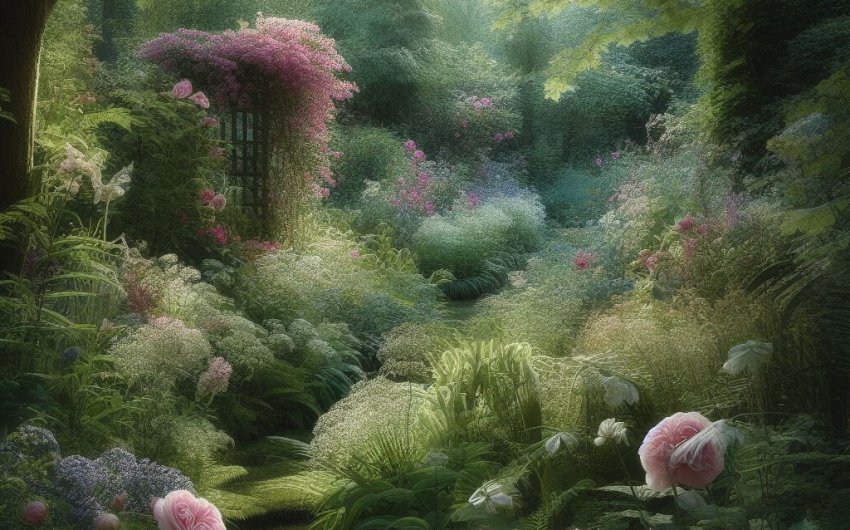
To discover the elegance of shade perennials and create a garden delight, embrace their diverse foliage textures, subtle blooms, and varied heights that thrive in low-light conditions. These long-lasting plants transform challenging shady spots into serene, visually rich, and low-maintenance garden havens.
Why are shade perennials a garden delight?
Shade perennials are a true garden delight because they offer a world of beauty for those challenging, low-light areas where sun-loving plants struggle. They provide long-lasting texture, subtle colors, and a lush, tranquil atmosphere, transforming what could be barren spots into captivating, serene retreats year after year with minimal effort.
What is considered shade in a garden?
Understanding what is considered shade in a garden is the first step to successfully growing shade perennials. Different levels of shade influence which plants will thrive best in specific areas of your yard.
What are the different types of shade?
The different types of shade depend on the duration and intensity of direct sunlight an area receives:
- Full Shade: Receives less than 3 hours of direct sun per day, or dappled sun all day. Often found on the north side of buildings, under dense tree canopies, or in deeply recessed areas.
- Partial Shade/Partial Sun: Receives 3-6 hours of direct sun per day. Morning sun (before noon) is generally gentler and preferred by many shade perennials, while intense afternoon sun can still scorch leaves. This is a common and versatile light condition.
- Dappled Shade: Sunlight filtered through an open tree canopy, creating a moving pattern of light and shadow throughout the day. This condition closely mimics a woodland environment and is ideal for many shade plants.
- Deep/Dense Shade: Receives virtually no direct sunlight. This is the most challenging condition for plant growth, requiring very specialized plants.
Observe your garden throughout the day and across seasons to accurately determine the specific shade conditions in different areas.
How does tree cover affect shade garden conditions?
Tree cover significantly affects shade garden conditions, creating specific challenges and opportunities for shade perennials.
- Root Competition: Mature trees have extensive root systems that aggressively compete with understory plants for water and nutrients, leading to dry shade.
- Leaf Litter: Falling leaves from deciduous trees contribute organic matter (leaf mold), which is beneficial, but thick layers can smother smaller plants if not managed.
- Seasonal Changes: Deciduous trees provide dense shade in summer but allow more light through in spring, benefiting early-blooming shade perennials. Evergreens provide consistent shade year-round.
What types of shade perennials offer diverse foliage?
Diverse foliage is the hallmark of elegant shade perennials, as many are grown more for their leaves than their flowers. They offer an incredible range of colors, textures, and shapes that create year-round interest.
Which shade perennials are known for their stunning leaves?
These shade perennials are known for their stunning leaves, making them stars of any low-light garden:
- Hostas: The undisputed king of the shade garden! Available in thousands of varieties with leaves in shades of green, blue, yellow, and variegated patterns. Sizes range from tiny miniatures to gigantic specimens, offering diverse textures from smooth to heavily corrugated.
- Heuchera (Coral Bells): Prized for their striking foliage in an incredible array of colors like purple, amber, lime green, deep red, and silver. Their leaves can be ruffled, lobed, or smooth, adding immense textural interest. Many varieties, like Heuchera 'Palace Purple', also produce delicate flower spikes.
- Ferns: Essential for their diverse and graceful frond shapes, adding a lush, primeval, woodland feel. Popular varieties include:
- Lady Fern ( Athyrium filix-femina): Lacy, upright fronds.
- **Japanese Painted Fern ( Athyrium niponicum 'Pictum')**: Silvery-green fronds with reddish-purple veins.
- Autumn Fern ( Dryopteris erythrosora): Coppery-red new fronds that mature to glossy green.
- Christmas Fern ( Polystichum acrostichoides): Leathery, evergreen fronds.
- Brunnera (Siberian Bugloss): Features heart-shaped leaves, often variegated with silver, and delicate sprays of tiny blue, forget-me-not-like flowers in spring.
- Pulmonaria (Lungwort): Offers attractive spotted or silver-splashed foliage and early spring flowers.
- Hellebores (Lenten Rose): Leathery, often evergreen foliage that provides structure, with long-lasting winter to early spring blooms.
- Carex (Sedges): Grass-like perennials that offer fine texture in various colors, from green to bronze to variegated.
How do different leaf textures enhance a shade garden?
Different leaf textures enhance a shade garden by adding depth, contrast, and tactile interest, which is especially important where fewer vibrant flowers might be present.
- Fine Texture: Lacy ferns, delicate astilbe foliage, or fine-bladed sedges create an airy, soft feel.
- Medium Texture: Hostas with smooth or slightly puckered leaves, brunnera, or heuchera offer a versatile mid-ground.
- Bold Texture: Large-leaved hostas with heavily corrugated leaves, ligularia, or rodgersia provide dramatic impact and scale.
- Shiny vs. Matte: Glossy leaves reflect light, brightening dark corners, while matte leaves absorb light and can create a sense of calm.
- Color Variations: Mixing greens, blues, silvers, purples, and variegated patterns in foliage is crucial for creating visual interest.
What shade perennials offer beautiful blooms?
While foliage is a star, many shade perennials offer beautiful blooms that brighten low-light areas with subtle charm and elegance. These flowering varieties add bursts of color and can extend the season of interest in your shade garden.
Which shade perennials bloom in spring?
These shade perennials bloom in spring, providing early color and marking the awakening of the garden:
- Hellebores (Lenten Rose): Remarkable for their late winter to early spring blooms that persist for weeks, in shades of white, pink, purple, and green. Their evergreen foliage also provides year-round structure.
- Bleeding Heart ( Dicentra spectabilis): Features graceful, arching stems adorned with distinctive heart-shaped flowers in pink, red, or white.
- Astilbe: Known for its feathery, colorful plumes in shades of pink, red, white, or purple, rising above attractive, fern-like foliage. Varieties like Astilbe 'Fanal' offer deep red blooms.
- *Lungwort ( Pulmonaria spp.):* Early spring clusters of bell-shaped flowers, often in blue, pink, or white, complementing its spotted foliage.
- Tiarella (Foamflower): Delicate white or pink frothy flower spikes resembling foam, adding a light, airy touch.
- Epimedium (Barrenwort): Charming, dainty flowers resembling tiny hats in spring, above attractive, often semi-evergreen foliage that can turn reddish in fall.
- Lily of the Valley ( Convallaria majalis): Highly fragrant, bell-shaped white flowers in spring, but can be aggressive spreaders.
What summer-blooming perennials brighten shady spots?
For ongoing color, these summer-blooming perennials brighten shady spots:
- Hostas (some varieties): While mostly grown for foliage, many hostas produce attractive lavender or white flower spikes in summer.
- Hydrangea (Bigleaf and Oakleaf): While technically shrubs, their robust summer blooms are a cornerstone of many shade gardens. Bigleaf hydrangeas ( Hydrangea macrophylla) have large, often blue or pink flower clusters, while Oakleaf hydrangeas ( Hydrangea quercifolia) feature cone-shaped white blooms and striking fall foliage.
- *Toad Lily ( Tricyrtis spp.):* Unique, orchid-like speckled flowers that bloom in late summer to fall, offering a delightful surprise.
- Ligularia (Leopard Plant): Bold, often dark-leaved plants that send up spikes or clusters of yellow-orange flowers in mid-to-late summer.
- Fuchsia (hardy varieties): Delicate, pendulous flowers in shades of pink, purple, and red, blooming throughout summer.
- Angelica gigas (Korean Angelica): A striking, architectural perennial with large, purple, umbrella-like flower heads in late summer.
How do you prepare soil for shade perennials?
Preparing soil for shade perennials is crucial for their long-term health, as many shade plants prefer consistently moist but well-drained, nutrient-rich soil. This often involves amending the soil to improve its structure and fertility.
Why is organic matter key for shade garden soil?
Organic matter is key for shade garden soil because it improves almost every aspect of soil health in shaded conditions.
- Improves Drainage: In heavy clay soils, organic matter creates a looser structure, allowing excess water to drain away, preventing root rot.
- Retains Moisture: In sandy soils or dry shade (especially under trees), organic matter acts like a sponge, holding onto vital moisture and nutrients.
- Enhances Fertility: As it decomposes, organic matter slowly releases essential nutrients, providing a steady food source for plants.
- Boosts Soil Structure: Creates a crumbly, friable soil structure that allows roots to grow easily and access oxygen.
Regularly incorporate aged compost, leaf mold, or well-rotted manure into your shade garden beds.
How do you deal with tree roots when planting?
Dealing with tree roots when planting shade perennials is a common challenge that requires careful attention to avoid harming the tree while giving your new plants a chance to thrive.
- Dig Wide, Not Deep: Instead of forcing plants into small holes, dig wider holes to create more space for the perennial's roots.
- Avoid Severing Large Roots: If you encounter large, woody tree roots, try to plant around them rather than cutting them. Severing major roots can harm the tree.
- Amend the Planting Hole: Create a "pocket" of improved soil by mixing in plenty of organic matter with your native soil in the planting hole.
- Consider Raised Beds: In areas with extreme root competition, shallow raised beds (6-12 inches deep) can be a good solution, but avoid mounding soil too high directly against tree trunks.
- Water Strategically: New plants will need consistent supplemental water to establish, as tree roots will quickly absorb available moisture. Ensure water reaches the perennial's root zone.
What are essential care tips for shade perennials?
Essential care tips for shade perennials focus on maintaining consistent moisture, providing appropriate nutrients, and managing leaf litter. These practices ensure your garden remains a lush, thriving delight year after year.
How often should you water shade plants?
Shade plants generally need consistent moisture, but their watering frequency will vary.
- Less frequent than sun plants: Due to less evaporation, shade plants usually don't need watering as often as sun-loving plants.
- Deep and thorough: When you do water, do so deeply to encourage roots to grow down, especially in dry shade conditions.
- Monitor soil: Always check the soil moisture before watering; the top inch or two should feel dry. Overwatering in shade can quickly lead to root rot. A soil moisture meter can be very useful here.
- First year is crucial: Newly planted perennials will need more consistent watering to establish strong root systems.
Do shade perennials need fertilizer?
Shade perennials generally need less fertilizer than sun-loving, heavy-blooming plants.
- Focus on soil health: Prioritize amending your soil with organic matter, as this provides a slow, steady release of nutrients.
- Light feeding: If growth seems sluggish, apply a balanced, all-purpose granular fertilizer or a liquid feed at half strength in early spring. Avoid over-fertilizing, which can lead to leggy growth or burned roots.
- Compost top-dressing: A yearly top-dressing of compost in spring often provides all the nutrients your shade perennials need.
How do you manage leaf litter around shade perennials?
Managing leaf litter around shade perennials is an important aspect of maintenance, as leaves can be both beneficial and problematic.
- Natural mulch: A thin layer of fallen leaves acts as a natural mulch, insulating roots, retaining moisture, and gradually adding organic matter to the soil.
- Remove heavy accumulations: Excessively thick, wet layers of leaves can smother smaller perennials or encourage fungal diseases. Gently rake or blow off heavy buildups from delicate plants, especially over winter.
- Compost excess: Collect excess leaves and add them to a compost pile to create valuable leaf mold.
What design tips elevate an elegant shade garden?
To elevate an elegant shade garden with shade perennials, focus on thoughtful design principles that maximize visual impact through layering, repetition, and the strategic use of hardscaping and accents.
How do you layer plants for visual depth?
Layering plants for visual depth is crucial in shade gardens, where varying heights and forms create a rich tapestry of texture and subtle color.
- Tall Backdrops: Use taller plants (e.g., large hostas, astilbe plumes, tall ferns) at the back of beds or as central elements.
- Mid-Ground Fillers: Place medium-sized plants (e.g., heuchera, brunnera, smaller hostas, bleeding hearts) to fill out the middle.
- Low Front Edge: Use low-growing plants and groundcovers (e.g., epimedium, sedges, vinca, tiarella) along the front edge of beds and to suppress weeds.
- Repeating Elements: Repeat certain plants or color schemes throughout the garden to create a sense of cohesion and flow.
What hardscaping and decorative elements work well in shade?
Hardscaping and decorative elements can greatly enhance the elegance and functionality of a shade garden.
- Paths: Winding paths made of flagstone, gravel, or wood chips invite exploration and feel natural in a woodland setting.
- Seating: A strategically placed bench or small patio offers a quiet spot for reflection and enjoying the garden's coolness.
- Water Features: A small fountain or bird bath adds soothing sound, attracts wildlife, and brightens dark corners with reflections. Consider a compact tiered fountain.
- Garden Art: Subtle statuary, rustic birdhouses, or decorative gazing balls can add focal points.
- Containers: Use attractive containers filled with shade annuals (like impatiens or begonias) to add pops of seasonal color.
How do you use light and contrast in a shade garden?
Using light and contrast effectively is vital in a shade garden to prevent it from looking dull or monotonous.
- Brighten with Foliage: Incorporate plants with variegated, silver, or bright chartreuse (lime green) foliage (e.g., certain hostas, brunnera 'Jack Frost', golden Japanese forest grass). These light-colored leaves will "glow" in the shade.
- Dark Foliage for Contrast: Dark green or purple foliage (e.g., dark heuchera, some hostas, ajuga) creates dramatic contrast against lighter elements.
- Reflective Surfaces: A still pond, a gazing ball, or even glossy-leaved plants can reflect ambient light and brighten the space.
- Subtle Lighting: Low-voltage path lights or strategically placed spotlights can highlight features in the evening, adding another dimension.
To truly discover the elegance of shade perennials is to unlock the potential of every shady corner in your garden. With their enduring beauty, rich textures, and graceful forms, these plants transform challenging spots into delightful, serene havens, proving that a lack of sun is no barrier to a truly stunning and sophisticated landscape.