
Creating Cool Retreats: Tips for Shade Landscaping
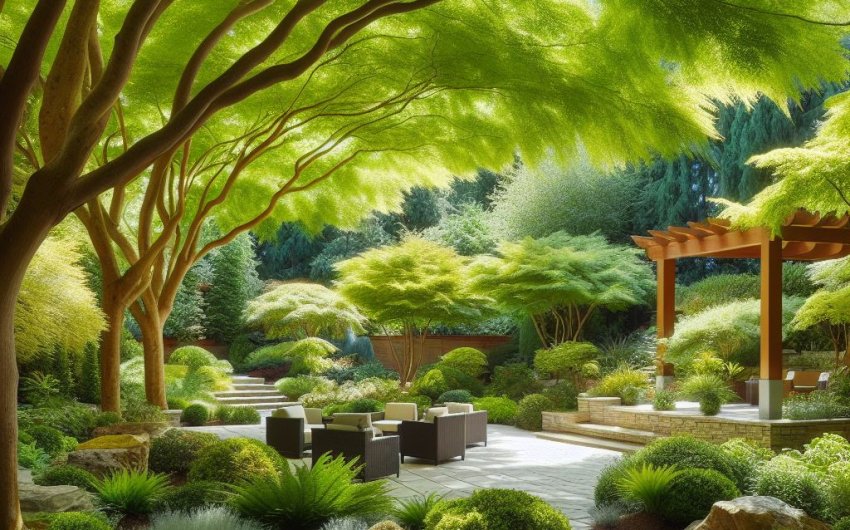
To create cool retreats with effective shade landscaping, start by accurately assessing the type and duration of shade in your garden to select the right plants. Focus on a diverse palette of shade-loving trees, shrubs, and perennials known for their textural foliage and subtle blooms, complemented by hardscaping and water features that enhance the cool, tranquil atmosphere.
Why is shade landscaping beneficial?
Shade landscaping offers numerous benefits, transforming often-overlooked areas of your yard into lush, inviting spaces. It creates cool retreats during hot weather, conserves water by reducing evaporation, and provides unique opportunities to feature plants that thrive away from direct sunlight, expanding your garden's aesthetic diversity.
How do you assess your shade garden's conditions?
Assessing your shade garden's conditions is the critical first step to successful shade landscaping. Understanding the type and duration of shade, soil moisture, and existing tree roots will guide your plant and design choices.
What are the different types of shade?
Understanding the different types of shade is essential for selecting appropriate plants.
- Full Shade: Receives less than 3 hours of direct sunlight per day, or dappled sunlight all day. Often found on the north side of buildings or under very dense tree canopies.
- Partial Shade/Partial Sun: Receives 3-6 hours of direct sunlight per day, often morning sun (which is gentler) or late afternoon sun. This is a common and versatile type of shade.
- Dappled Shade: Sunlight filtered through open tree canopies, creating a shifting pattern of light and shadow throughout the day. Mimics a woodland environment.
- Deep/Dense Shade: Receives virtually no direct light. This is the most challenging type of shade for plant growth.
Observe your shade areas throughout the day during different seasons to accurately determine the light conditions.
How do soil and moisture levels vary in shaded areas?
Soil and moisture levels can vary significantly in shaded areas, and these factors heavily influence plant choices.
- Dry Shade: Often found under mature trees with dense root systems that compete for water, or near building foundations that block rain. This is one of the most challenging conditions.
- Moist Shade: Common in areas with less tree root competition, or where rainfall is consistently high. Many shade plants prefer consistently moist but well-drained soil.
- Wet Shade: Areas with poor drainage where water tends to sit. Requires plants tolerant of boggy conditions.
You can improve dry or moist soil by incorporating organic matter like compost or well-rotted leaves, which enhances both drainage in wet areas and moisture retention in dry ones.
What plants are best for creating cool shade retreats?
The plants best for creating cool shade retreats are those that thrive in low light, offering lush foliage, interesting textures, and sometimes subtle, elegant blooms. Focusing on foliage diversity often leads to the most visually rich shade gardens.
Which trees and shrubs provide essential shade?
Trees and shrubs are fundamental for building the structure and creating new shade in your landscape.
- Understory Trees:
- Dogwood ( Cornus florida): Beautiful spring flowers, interesting bark, and fall color.
- Japanese Maple ( Acer palmatum): Known for delicate foliage, diverse colors, and elegant forms, many varieties thrive in partial shade.
- *Serviceberry ( Amelanchier spp.):* Early spring flowers, edible berries, and striking fall foliage.
- Shade-Tolerant Shrubs:
- *Hydrangea ( Hydrangea spp.):* Many varieties, especially Bigleaf and Oakleaf hydrangeas, thrive in partial shade and offer stunning summer blooms.
- *Rhododendron & Azalea ( Rhododendron spp.):* Provide spectacular spring flowers in various colors; prefer acidic, moist, well-drained soil.
- Boxwood ( Buxus sempervirens): Classic evergreen for formal structure.
- Fothergilla: Unique bottlebrush flowers in spring and brilliant fall color.
- Pieris japonica (Andromeda): Evergreen shrub with lily-of-the-valley-like flowers in spring.
What are popular shade-loving perennials and groundcovers?
Shade-loving perennials and groundcovers fill in the layers beneath trees and shrubs, providing continuous texture and color.
- Hostas: Perhaps the most popular shade plant, available in an enormous range of leaf sizes, shapes, and colors (greens, blues, golds, variegated).
- Heuchera (Coral Bells): Prized for their stunning foliage in shades of purple, amber, lime green, and red; also produce delicate flower spikes.
- Ferns: Essential for their diverse and graceful frond shapes, adding a lush, woodland feel. Varieties include:
- Lady Fern ( Athyrium filix-femina)
- *Japanese Painted Fern ( Athyrium niponicum 'Pictum')*
- Autumn Fern ( Dryopteris erythrosora)
- Christmas Fern ( Polystichum acrostichoides)
- Astilbe: Offers feathery plumes of flowers in pink, red, white, or purple above fern-like foliage.
- Bleeding Heart ( Dicentra spectabilis): Arching stems with heart-shaped flowers in spring.
- *Lungwort ( Pulmonaria spp.):* Features beautiful spotted or variegated foliage and early spring flowers.
- Tiarella (Foamflower): Delicate white flower spikes and attractive lobed leaves.
- Groundcovers:
- Creeping Jenny ( Lysimachia nummularia 'Aurea'): Bright chartreuse foliage, cascades beautifully.
- Lamium (Dead Nettle): Variegated foliage and small flowers, good for dry shade.
- Pachysandra: Evergreen groundcover, dense and low-maintenance.
- Vinca (Periwinkle): Trailing evergreen with blue flowers.
How do you improve soil for shade landscaping?
Improving soil for shade landscaping is often crucial, especially in areas with tree roots. Healthy soil ensures your shade-loving plants have the nutrients and moisture they need to thrive.
Why is organic matter vital for shade gardens?
Organic matter is vital for shade gardens because it addresses many common challenges found in shaded areas.
- Improves Drainage: In heavy clay soils, organic matter creates better pore space, allowing water to drain more effectively and preventing root rot.
- Retains Moisture: In sandy or dry soils (especially under trees), organic matter acts like a sponge, holding onto water and nutrients that plants need.
- Enhances Fertility: As organic matter breaks down, it slowly releases essential nutrients to your plants.
- Boosts Soil Structure: Creates a crumbly, healthy soil structure that supports robust root growth.
Regularly incorporating aged compost, leaf mold, or well-rotted manure is key.
How do you deal with tree root competition?
Dealing with tree root competition is a common challenge in shade landscaping. Tree roots aggressively seek out water and nutrients, often outcompeting smaller plants.
- Choose tough plants: Select plants that are known to tolerate dry shade and root competition, such as epimedium, sedges, or some ferns.
- Plant in pockets: Dig larger holes and amend them well with organic matter, creating a "pocket" of good soil for your new plant. Avoid severing large tree roots.
- Water strategically: Provide supplemental irrigation directly to your new plants, ensuring the water reaches their root zone and not just the tree's surface roots.
- Raised beds: In severe cases, a raised bed can be a solution, but ensure it's not too deep directly over large tree roots, as this can smother the tree. Use root barriers if appropriate and if trees are far enough from structures.
What design principles create cool and inviting shade retreats?
Applying specific design principles can transform a simple shaded area into a cool and inviting retreat. Focus on paths, seating, water features, and creating layers of visual interest with plants.
How do paths and seating define a shade garden?
Paths and seating are essential elements that define a shade garden and make it a functional, inviting retreat.
- Paths: Guide visitors through the space, allowing them to explore and appreciate different plantings. Materials like wood chips (which retain moisture), flagstone, or gravel blend naturally into a shaded, woodland setting. A meandering path adds to the serene atmosphere.
- Seating: A well-placed bench, swing, or cozy set of chairs invites contemplation and relaxation. Position seating to offer a view of a particular feature or simply to enjoy the quiet coolness of the shade.
What role do water features play in shade landscaping?
Water features play a significant role in shade landscaping by adding sensory elements and enhancing the feeling of coolness.
- Sound: The gentle gurgle or splash of a fountain or bird bath adds a tranquil auditory element, masking urban noise and creating a calming atmosphere.
- Visual Appeal: The reflective surface of water brightens darker areas, and the movement adds dynamic interest.
- Cooling Effect: Evaporation from water features can slightly lower the ambient temperature in their immediate vicinity, enhancing the "cool retreat" feel.
- Wildlife: Water features attract birds and other small wildlife, adding to the natural ambiance. Consider a small solar-powered fountain for easy installation.
How do you layer plants for depth and visual interest?
Layering plants for depth and visual interest is crucial in shade landscaping where blooms might be less prominent, making foliage the star.
- Canopy Layer: The tallest trees that provide the primary shade cover.
- Understory Layer: Smaller trees or large shrubs that thrive beneath the canopy.
- Shrub Layer: Medium-sized shrubs that add density and texture.
- Perennial Layer: The main body of your shade garden, featuring hostas, ferns, astilbes, and other shade lovers.
- Groundcover Layer: Low-growing plants that cover the soil, suppress weeds, and unify the planting.
- Vertical Elements: Vines growing on a trellis or fence can add another dimension.
Varying heights, leaf sizes, and foliage colors (e.g., lime green hostas next to dark green ferns) creates a rich tapestry.
What maintenance considerations are unique to shade gardens?
Maintenance considerations unique to shade gardens often revolve around managing light, moisture, and competition from trees, rather than constant deadheading or intense sun protection.
How does watering differ in shade versus sun?
Watering differs in shade versus sun primarily due to reduced evaporation.
- Less frequent, but deep: Shade plants generally need less frequent watering than sun-loving plants, but when you do water, it should be deep and thorough to reach established roots.
- Watch for dry shade: Areas with dense tree roots will still dry out quickly and require consistent supplemental watering, especially during dry spells.
- Avoid overwatering: In moist shade, be careful not to overwater, as persistently soggy conditions can lead to root rot. A soil moisture meter can be particularly useful here.
Is fertilizing different for shade plants?
Fertilizing is generally different for shade plants compared to sun plants.
- Less is more: Shade plants typically require less fertilizer than their sun-loving counterparts. Over-fertilizing can lead to leggy, weak growth.
- Balanced or low-nitrogen: Use a balanced, all-purpose granular fertilizer or one slightly lower in nitrogen. Organic options like compost tea or well-rotted manure are excellent choices for slow, steady nutrient release.
- Avoid fertilizing stressed plants: Ensure plants are well-watered before fertilizing.
How do you manage falling leaves in a shade garden?
Managing falling leaves in a shade garden is a natural part of its maintenance, and they can actually be beneficial.
- Leave some: A thin layer of leaves can act as a natural mulch, insulating roots, retaining moisture, and breaking down to add organic matter to the soil.
- Remove thick layers: Excessively thick layers of wet leaves can smother smaller plants or promote fungal diseases. Rake or blow off heavy accumulations, especially from delicate perennials.
- Compost: Collect excess leaves and add them to a compost bin to create valuable leaf mold for future soil amendments.
By thoughtfully designing and maintaining your shaded areas, you can create truly cool retreats in your own backyard. These tranquil spaces, rich with texture and subtle beauty, offer a refreshing escape and showcase a unique collection of plants that transform challenging spots into cherished garden havens.