
Spring Porch: Blossoming Beauty Awaits
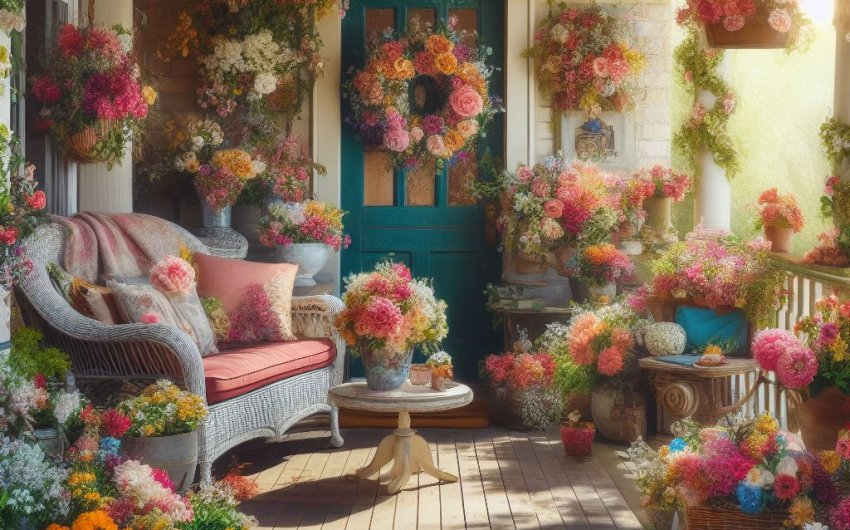
To create a beautiful spring porch with blossoming beauty awaiting your guests, focus on selecting cold-tolerant flowers and cheerful decor that celebrate the awakening of the season. Choose vibrant colors, incorporate natural textures, and ensure easy-to-care-for arrangements to welcome spring's freshness to your entryway.
How do you make your porch beautiful for spring?
Making your porch beautiful for spring involves a delightful mix of vibrant flowers, fresh greenery, and charming seasonal decorations. The goal is to create an inviting and refreshing space that reflects the optimism and renewal of the season, welcoming guests with open arms.
What are the best early spring flowers for a porch?
The best early spring flowers for a porch are those that can tolerate cooler temperatures, and even a light frost, while still providing cheerful bursts of color. These tough little bloomers are perfect for kickstarting your seasonal decor.
Which annuals thrive in cool spring temperatures?
Several annuals thrive in cool spring temperatures, making them ideal for your porch before the last frost has completely passed.
- Pansies and Violas: These are probably the most classic early spring flowers. They come in a vast array of colors and patterns, can handle light freezes, and will bloom profusely until hot summer weather arrives. They also tend to "self-seed" in favorable conditions.
- Primroses (Primula): Known for their compact form and intensely vibrant colors (red, yellow, blue, pink), primroses are perfect for brightening up small pots or tucking into larger arrangements. They prefer cooler temperatures and partial shade.
- Osteospermum (Cape Daisy): These cheerful, daisy-like flowers come in various shades, often with a distinct eye. They tolerate cool weather well and offer a fresh, modern look to your spring porch.
- Dianthus (Pinks): With their spicy-clove fragrance and often ruffled petals, dianthus varieties are tough little plants that bloom in shades of pink, white, and red. They appreciate full sun but can handle cooler temps.
What spring bulbs can you feature in pots?
Spring bulbs are quintessential spring porch decorations, providing a burst of familiar beauty. You can buy them pre-potted and blooming or plant them yourself in the fall for spring emergence.
- Tulips: From classic cup shapes to fringed and parrot varieties, tulips offer incredible diversity in color and form.
- Daffodils (Narcissus): Bright yellow and white trumpets, these are reliable and cheerful symbols of spring. Many varieties also offer a lovely fragrance.
- Hyacinths: Highly fragrant with dense, bell-shaped flower spikes. Their intense perfume can scent your entire porch.
- Muscari (Grape Hyacinth): Smaller, often blue, clusters of tiny bell-shaped flowers that add a charming, natural touch, especially when grouped.
- Consider a spring bulb collection for pots for a ready-made diverse display.
How do you choose the right pots for a spring porch?
Choosing the right pots for a spring porch involves considering materials, sizes, and colors that complement both your home's style and the fresh, awakening feel of spring. The right container can elevate your floral choices.
Which pot materials work best for spring displays?
The best pot materials for spring displays offer a balance of aesthetic appeal and practicality for the season's fluctuating temperatures.
- Terracotta: A classic choice, breathable, and offers a natural, earthy feel. Great for traditional homes, but be mindful they dry out faster.
- Ceramic/Glazed Pots: Offer vibrant colors and sleek finishes, perfect for modern or eclectic porches. They retain moisture well but can be heavy and susceptible to cracking if exposed to hard freezes while wet.
- Plastic/Resin: Lightweight, durable, and come in countless styles that mimic other materials like stone or terracotta. They are excellent for ease of movement and affordability. Look for weather-resistant resin planters.
- Galvanized Metal: Offers a farmhouse or industrial chic look. Can heat up in strong sun, so consider placement.
- Wicker/Rattan: Add a natural, airy texture, often with a plastic liner for planting.
How do pot size and color influence spring porch design?
Pot size and color significantly influence the overall design and impact of your spring porch.
- Size:
- Larger Pots: Make a bolder statement, provide more space for plant roots, and don't dry out as quickly. Ideal for creating focal points.
- Smaller Pots: Best for accents, filling in gaps, or on steps where space is limited.
- Proportion: Ensure pots are proportionate to your plants and the porch space. Don't let a tiny pot get lost on a grand porch.
- Color:
- Pastels: Soft blues, pinks, yellows, and lavenders evoke a classic spring feel.
- Brights: Bold yellows, oranges, and fuchsias create a cheerful, energetic vibe.
- Neutrals: White, grey, black, or natural-toned pots allow the flower colors to truly pop.
- Match your home: Choose pot colors that either complement or subtly contrast with your house color.
How do you create beautiful spring porch container arrangements?
Creating beautiful spring porch container arrangements involves applying the "thriller, filler, spiller" design method, paying attention to color palettes, and mixing textures. The goal is a lush, welcoming display that celebrates spring's awakening.
What is the "thriller, filler, spiller" technique for spring pots?
The "thriller, filler, spiller" technique is a popular and effective method for designing balanced and dynamic container gardens for your spring porch:
- Thrille: A tall, upright plant that provides vertical interest and acts as the focal point. Place it in the center for a pot viewed from all sides, or at the back for a pot against a wall. Examples: a dwarf conifer, a hellebore, a tall ornamental grass.
- Filler: Mounding or bushy plants that fill the mid-ground of the container, providing volume and often vibrant color. Examples: pansies, primroses, dianthus, small ferns.
- Spiller: Trailing plants that cascade over the edges of the pot, softening the lines and adding a graceful element. Examples: vinca vine, creeping jenny, ivy, trailing lobelia.
How do you combine spring colors and textures effectively?
Combining spring colors and textures effectively creates visual harmony and depth in your porch containers.
- Color Palettes:
- Pastel Harmony: Soft pinks, lavenders, light blues, and creams create a gentle, classic spring feel.
- Bright & Cheerful: Bold yellows, oranges, and fuchsias for an energetic, sunny welcome.
- Cool & Refreshing: Various shades of blue, purple, and white for a calming, crisp look.
- Consider your home's color when selecting your palette to ensure a cohesive look.
- Texture: Mix plants with fine textures (e.g., fern fronds, delicate violas) with those that have bolder textures (e.g., hosta leaves, large-petaled pansies) to add interest. Variegated foliage can also add a subtle textural element.
What is the best potting mix and planting method for spring porch flowers?
Using the best potting mix and a proper planting method is crucial for the health and success of your spring porch flowers. Good drainage, adequate nutrients, and correct root placement are vital for vibrant blooms.
Why is garden soil unsuitable for container planting?
Garden soil is unsuitable for container planting because it is too heavy and dense, lacks proper drainage and aeration, and often contains weed seeds, pests, and diseases. In a pot, garden soil compacts easily, stifling roots and leading to waterlogged conditions that can cause rot.
What qualities should a good potting mix have for spring plants?
A good quality potting mix (also known as potting soil) is specifically formulated for container growing and possesses key characteristics beneficial for your spring porch flowers:
- Lightweight: Easy to move pots and prevents compaction around roots.
- Good Drainage: Allows excess water to pass through, preventing soggy roots.
- Moisture Retention: Holds enough water for plants to absorb without becoming waterlogged.
- Aeration: Provides essential air pockets for healthy root respiration.
- Sterile: Free from weed seeds, pests, and diseases.
- Nutrients: Often includes a starter fertilizer to give plants a head start.
Always opt for a premium potting mix specifically labeled for containers or flowering plants.
How do you correctly plant flowers in a spring porch pot?
Follow these steps for correctly planting flowers in your spring porch pots:
- Ensure Drainage: Start with a pot that has sufficient drainage holes. You can place a piece of mesh screen or a coffee filter over the hole to prevent soil from washing out.
- Add Potting Mix: Fill the bottom of the pot with fresh potting mix, leaving enough space for your plant's root ball.
- Prepare the Plant: Gently remove the plant from its nursery container. If the roots are tightly circling the root ball (root-bound), gently tease them apart to encourage them to grow outward into the new potting mix.
- Position the Plant: Place the plant in the pot so that the top of its root ball is about 1 inch below the rim of the pot. This "headroom" is essential to allow for proper watering without overflow.
- Fill Around: Add more potting mix around the plant's root ball, gently firming it down to eliminate large air pockets. Avoid compacting the soil too tightly.
- Water Thoroughly: Water immediately after planting until water drains freely from the bottom of the pot. This settles the soil around the roots.
What essential care do spring porch flowers need?
Essential care for spring porch flowers includes consistent watering, appropriate feeding, deadheading, and protecting them from late frosts. Diligent care helps your plants establish strong roots and produce abundant, beautiful blooms throughout the spring season.
How often should you water spring porch plants in pots?
Spring porch plants in pots generally need consistent watering, though often less frequently than summer plants due to cooler temperatures.
- Check daily: Feel the top inch or two of the soil. If it feels dry to the touch, it's time to water.
- Water deeply: Water until water flows out of the drainage holes. This ensures the entire root zone is moistened.
- Consider factors: Watering frequency depends on plant type, pot material (terracotta dries faster), and weather conditions. Avoid overwatering, especially in cooler spring weather, which can lead to root rot. A soil moisture meter can provide accurate readings.
Do spring container flowers need fertilizer?
Yes, spring container flowers need regular fertilizer because the limited amount of potting mix quickly runs out of nutrients. Consistent feeding supports healthy growth and continuous blooming.
- Initial nutrients: Many quality potting mixes include a slow-release starter fertilizer.
- Ongoing feeding: Supplement with a liquid flower fertilizer every 2-4 weeks during the growing season, or add more slow-release granules as directed.
- Follow instructions: Always read and adhere to the fertilizer package instructions to avoid over-fertilizing, which can harm plant roots.
What is deadheading, and why is it important for spring flowers?
Deadheading is the practice of removing spent or faded flowers from your plants. It is important for spring porch flowers for several reasons:
- Promotes more blooms: By removing old flowers, you prevent the plant from putting energy into seed production and redirect that energy towards producing more flowers, extending the bloom season.
- Maintains appearance: Keeps your container arrangements looking neat, tidy, and fresh.
- Prevents disease: Removing decaying flowers can reduce the risk of fungal diseases.
How can you add extra spring charm to your porch?
Beyond flowers, several additional elements can add extra spring charm to your porch, creating a truly welcoming and festive entryway. Think about incorporating natural accents, lighting, and comfortable seating.
What decorative accents enhance a spring porch?
Decorative accents help to tie your floral displays together and create a cohesive spring porch theme.
- Welcome Mat: A fresh, spring-themed welcome mat instantly updates the entry.
- Wreath: A beautiful spring wreath on the front door, made of faux or real flowers, branches, or burlap, complements your potted arrangements.
- Garden Flag: A cheerful spring-themed garden flag can add a touch of whimsy.
- Lanterns: Place decorative lanterns with LED candles or small solar-powered lanterns near your plant arrangements for evening ambiance.
- Fairy Lights: Small, battery-operated LED fairy lights woven through foliage or around pot rims create a magical glow as dusk settles.
How can seating improve your spring porch?
Adding seating to your spring porch invites you and your guests to linger and enjoy the beauty you've created.
- Comfortable Bench: A small bench with colorful outdoor cushions provides a perfect spot to relax.
- Rocker or Chair: A classic rocking chair or a comfy armchair makes a solo moment on the porch even better.
- Small Table: A small side table for a cup of coffee or a book completes the inviting scene.
- Outdoor Pillows and Throws: Add soft outdoor pillows and a lightweight throw in spring colors to make seating more appealing.
Embracing the potential of your spring porch allows you to create a truly magical and welcoming entryway. By carefully selecting plants, arranging them artfully, and adding charming decor, your porch can become a beautiful ode to the blossoming beauty of the season.