
Potted Perfection: Elevate Your Patio with Stunning Flowers
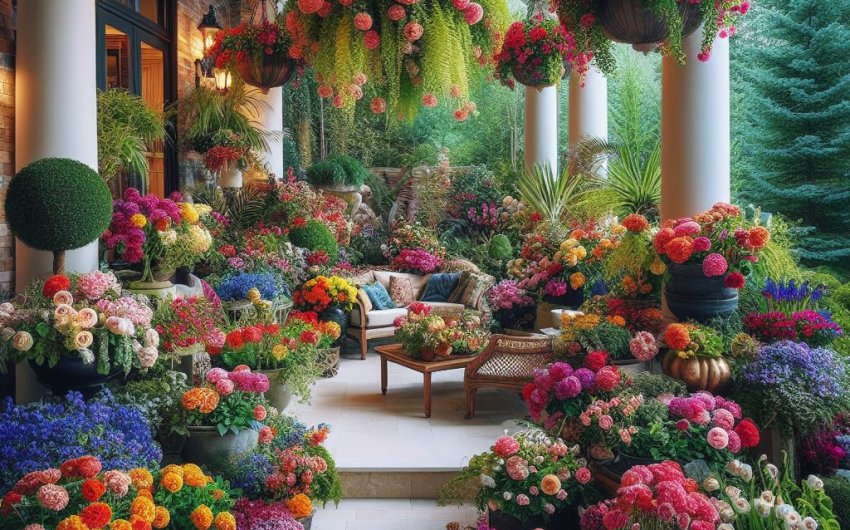
To achieve potted perfection and elevate your patio with stunning flowers, combine careful plant selection based on light and climate with aesthetically pleasing container choices and strategic arrangements. Consistent watering and feeding are key to maintaining vibrant, healthy blooms that transform your outdoor space.
Why do potted flowers enhance a patio so much?
Potted flowers are incredibly versatile and impactful for patio enhancement. They add instant color, texture, and life to hardscaped areas, making your patio feel more inviting, comfortable, and an extension of your indoor living space. Their mobility allows for flexible design, seasonal changes, and the ability to highlight specific areas of your patio.
What should you consider when choosing pots for your patio?
When choosing pots for your patio flower displays, think about the pot's material, size, and style. These elements should complement your patio's design and your plants' needs for optimal growth and visual appeal.
Which pot materials are best for patio use?
The best pot materials for patio use balance durability, plant health, and aesthetic appeal.
- Terracotta: Classic, breathable (good for roots that don't like wet feet), and offers a natural, rustic look. However, they dry out quickly and can crack in freezing weather.
- Ceramic/Glazed: Offer vibrant colors and sleek finishes, retaining moisture better than terracotta. They are beautiful but heavy and can be fragile.
- Plastic/Resin: Lightweight, durable, often inexpensive, and come in countless styles, including those mimicking other materials. Look for UV-resistant plastic planters for longevity.
- Fiberglass: Extremely lightweight, durable, weather-resistant, and can mimic high-end materials like stone or concrete without the weight.
- Metal (e.g., galvanized steel, aluminum): Offers a modern, industrial look. Be aware that metal can heat up quickly in direct sun, potentially harming roots.
How does pot size and shape affect plant growth and design?
Pot size and shape are crucial for both plant health and your patio's overall design.
- Size: Always choose a pot large enough to accommodate your plant's mature root system. Too small, and plants will be stunted and require constant watering. Too large, and the soil may stay too wet. A good rule of thumb is to allow at least 6-12 inches of diameter for most flowering annuals.
- Shape:
- Round/Urn: Soften edges, classic, and versatile.
- Square/Rectangular: Provide a structured, modern look, great for linear arrangements or defining spaces.
- Tall/Narrow: Add vertical interest, perfect for showcasing a single dramatic plant or small tree.
- Wide/Shallow: Ideal for creating mixed succulent arrangements or a collection of low-growing annuals.
What plants are ideal for stunning patio flower arrangements?
Plants ideal for stunning patio flower arrangements are those that thrive in containers, offer long-lasting blooms or attractive foliage, and match your patio's specific sun exposure. Variety in color, height, and texture creates the most captivating displays.
Which annuals are perfect for vibrant, season-long color?
For vibrant, season-long color in your potted patio flowers, consider these prolific annuals:
- Petunias (especially 'Wave' varieties): Cascade beautifully, providing continuous masses of flowers in almost any color.
- Geraniums (Pelargonium): A classic choice, heat-tolerant, and available in a wide range of red, pink, white, and coral hues.
- Calibrachoa (Million Bells): Similar to petunias but with smaller, bell-shaped flowers, incredibly floriferous, and heat-tolerant.
- Impatiens (New Guinea or Sun Impatiens): Bright, consistent blooms. New Guinea varieties tolerate more sun, while traditional Impatiens prefer shade.
- Lantana: Drought-tolerant, vibrant clusters of flowers that attract butterflies, perfect for hot, sunny spots.
- Vinca (Catharanthus roseus): Excellent heat and drought tolerance, with glossy foliage and continuous blooms.
- Begonias (Wax or Tuberous): Offer consistent blooms and come in varieties suitable for sun or shade.
What perennials or shrubs thrive in patio pots?
While annuals offer continuous color, perennials or small shrubs can provide multi-season interest in potted patio flowers. Choose varieties hardy to at least one zone colder than yours if leaving them outside in winter.
- Hostas: Stunning foliage plants, perfect for shady patios, offering a wide array of leaf colors and textures.
- Heuchera (Coral Bells): Prized for their colorful foliage in shades of purple, amber, lime green, and red; good for partial shade.
- Lavender: Fragrant and attracts pollinators, needs full sun and good drainage.
- Dianthus (Pinks): Cheerful, often fragrant flowers, thrives in sun.
- Small Ornamental Grasses: Add texture, movement, and often winter interest.
- Dwarf Conifers (e.g., 'Blue Star' Juniper, Dwarf Alberta Spruce): Provide year-round structure and greenery.
- Boxwood: Classic evergreen shrub, can be pruned into formal shapes.
Can herbs and vegetables be part of a stunning patio display?
Absolutely! Many herbs and vegetables can be beautiful and productive additions to your potted patio flowers, offering both aesthetics and fresh produce.
- Herbs: Basil, mint, rosemary, thyme, chives, parsley, and oregano all do well in containers. Consider a tiered herb planter for efficiency.
- Leafy Greens: Lettuce, spinach, and kale can be grown in attractive pots.
- Tomatoes: "Patio" or "Bush" varieties are bred for container growing. Look for compact patio tomato plants or seeds.
- Peppers: Bell peppers and chili peppers are generally compact and productive in pots.
- Strawberries: Can be grown in hanging baskets or specialized strawberry pots.
How do you design captivating patio flower combinations?
Designing captivating patio flower combinations involves applying design principles like "thriller, filler, spiller," balancing colors and textures, and considering the overall flow of your patio space. The goal is to create mini-gardens that are visually engaging.
What is the "thriller, filler, spiller" approach?
The "thriller, filler, spiller" approach is a simple yet effective method for creating balanced and dynamic container designs:
- Thriller: A tall, upright plant that creates vertical interest and acts as the focal point. Place it in the center for a pot viewed from all sides, or at the back for a pot against a wall. Examples: ornamental grass, canna lily, small upright fuchsia.
- Filler: Mounding or bushy plants that fill the mid-ground of the container, providing volume and complementing the thriller. Examples: petunias, impatiens, coleus, small geraniums.
- Spiller: Trailing plants that cascade over the edges of the pot, softening the lines and adding a graceful element. Examples: sweet potato vine, creeping jenny, vinca vine, ivy.
How do you combine colors and textures for visual harmony?
Combining colors and textures effectively is key to creating visual harmony and interest in your potted patio flowers.
- Color Schemes:
- Monochromatic: Different shades of one color for a sophisticated look (e.g., various purples).
- Analogous: Colors next to each other on the color wheel for a harmonious feel (e.g., yellow, orange, red).
- Complementary: Opposite colors on the color wheel for high contrast and vibrancy (e.g., blue and orange).
- Use your patio furniture or home's exterior as inspiration for a color palette.
- Texture: Mix plants with fine textures (e.g., ferns, delicate grasses) with those that have bold textures (e.g., large-leaved hostas, cannas) to create depth and contrast. Variegated foliage also adds visual interest.
What is the best potting mix and planting technique for patio pots?
Using the best potting mix and proper planting technique is fundamental for the health and success of your potted patio flowers. Good drainage, adequate nutrients, and correct root placement are vital.
Why is garden soil unsuitable for containers?
Garden soil is unsuitable for containers because it is too heavy, compacts easily, and often contains weed seeds, pests, and diseases. In a pot, garden soil doesn't provide the necessary drainage or aeration, leading to waterlogged roots and poor plant growth.
What makes a good quality potting mix?
A good quality potting mix (or potting soil) is specifically formulated for container growing and has several key characteristics:
- Lightweight: Easy to move pots and prevents compaction.
- Good Drainage: Allows excess water to pass through, preventing root rot.
- Moisture Retention: Holds enough water for plants to absorb without becoming soggy.
- Aeration: Provides air pockets for healthy root respiration.
- Sterile: Free from weed seeds, pests, and diseases.
- Nutrients: Often includes a starter fertilizer.
Always choose a premium potting mix specifically designed for containers.
How do you properly plant flowers in a pot?
Follow these steps for proper planting in your potted patio flowers:
- Ensure Drainage: Start with a pot that has adequate drainage holes. You can place a piece of mesh or a coffee filter over the hole to prevent soil from washing out.
- Add Potting Mix: Fill the bottom of the pot with fresh potting mix, leaving enough room for your plant's root ball.
- Prepare the Plant: Gently remove the plant from its nursery container. If the roots are tightly circling the root ball (root-bound), gently tease them apart to encourage outward growth.
- Position the Plant: Place the plant in the pot so that the top of its root ball is about 1 inch below the rim of the pot. This space is called the "headroom" and is essential for watering.
- Fill Around: Add more potting mix around the plant's root ball, gently firming it down to remove large air pockets. Do not pack it too tightly.
- Water Thoroughly: Water immediately after planting until water drains freely from the bottom of the pot.
What are the essential care routines for stunning patio flowers?
Essential care routines for stunning patio flowers involve consistent watering, regular feeding, deadheading, and protecting them from pests and harsh weather. These steps ensure your plants remain vibrant and healthy throughout their growing season.
How often should you water potted patio plants?
Potted patio plants generally need more frequent watering than plants grown directly in the ground.
- Check daily: Feel the top inch or two of the soil. If it feels dry to the touch, it's time to water.
- Water deeply: Water until water flows out of the drainage holes. This ensures the entire root zone is moistened.
- Consider factors: Watering frequency depends on plant type, pot material (terracotta dries faster), weather conditions (hot, windy days mean more water), and pot size. A soil moisture meter can be very helpful for accurate readings.
How important is fertilizing for container flowers?
Fertilizing is extremely important for container flowers because the limited amount of potting mix quickly runs out of nutrients. Regular feeding is essential for continuous growth and abundant blooms.
- Start with a boost: Many quality potting mixes contain a slow-release fertilizer that provides initial nutrients.
- Ongoing feeding: Supplement with a liquid flower fertilizer every 2-4 weeks during the growing season, or add more slow-release granules as directed by the product.
- Follow instructions: Always read and follow the manufacturer's instructions to avoid over-fertilizing, which can burn plant roots.
What is deadheading, and why is it beneficial?
Deadheading is the practice of removing spent or faded flowers from your plants. It offers several benefits for your potted patio flowers:
- Encourages more blooms: By removing old flowers, you prevent the plant from putting energy into seed production and instead direct that energy towards producing more flowers.
- Maintains appearance: Keeps your container arrangements looking neat, tidy, and fresh.
- Extends bloom time: Can significantly prolong the flowering season of many annuals and some perennials.
How do you arrange patio pots for optimal visual impact?
Arranging patio pots for optimal visual impact involves creating groupings, varying heights, and considering the overall flow of your outdoor space. Thoughtful placement can transform a simple collection of pots into a cohesive and inviting display.
What are effective strategies for grouping pots?
Effective strategies for grouping pots create a lush, abundant look rather than scattered elements.
- Odd Numbers: Group pots in odd numbers (3, 5, 7) for a more natural and visually appealing arrangement.
- Varying Heights: Use risers, plant stands, or different sized pots to create vertical interest within a grouping. This adds depth and prevents a flat, monotonous look.
- Tight Clusters: Place pots closely together to create the illusion of a single, larger, more abundant planting.
- Color Themes: Group pots with complementary or analogous plant and pot colors for a harmonious look.
How do you use vertical space for patio flowers?
Using vertical space effectively can maximize the impact of your potted patio flowers, especially in smaller areas.
- Hanging Baskets: Suspend baskets from pergolas, porch ceilings, or wall brackets, filled with cascading plants like fuchsias, petunias, or trailing ivy.
- Tiered Planters: Utilize tiered planters that stack vertically, allowing you to grow multiple plants in a compact footprint.
- Wall Planters: Mount planters directly onto a patio wall or fence to create a living art display.
- Tall Urns/Planters: Choose tall, narrow pots to elevate plants and add height.
How do you protect and maintain patio pots year-round?
Protecting and maintaining patio pots year-round ensures their longevity and keeps your patio looking beautiful in every season. This involves proper cleaning, storage, and winterizing strategies.
What are tips for cleaning and storing pots?
- Empty and Clean: After emptying plants, remove all soil and plant debris. Scrub pots thoroughly with a stiff brush and a solution of 1 part bleach to 9 parts water (or a strong detergent) to kill any pathogens and prevent disease transfer. Rinse well.
- Dry Completely: Allow all pots, especially terracotta and ceramic, to dry completely before storing. This prevents mildew and cracking due to freezing water.
- Stack and Store: Stack similar-sized pots to save space. Store them in a shed, garage, or covered area protected from harsh winter weather. Using pot dollies can make moving large pots easier.
How do you winterize patio pots and plants?
Winterizing patio pots and plants depends on your climate and the type of plants.
- Bring Indoors: For tender perennials, tropical plants, or annuals you wish to try and overwinter, bring them indoors before the first hard frost. Find a bright spot, like a sunny window, and reduce watering.
- Protect Outdoors (for hardy plants):
- Group and Insulate: Cluster hardy perennial pots together. Wrap them in burlap or bubble wrap, or place them in larger containers filled with leaves or straw for insulation.
- Elevate: Use pot feet to keep pots off cold concrete surfaces, which can freeze and cause cracking, and ensure good drainage.
- Ensure Drainage: Make sure pots are fully drained and not sitting in standing water.
- Choose Durable Materials: Opt for plastic, fiberglass, or well-sealed concrete pots if you plan to leave them outdoors in freezing temperatures, as they are less prone to cracking than terracotta or unglazed ceramic.
Achieving potted perfection and elevating your patio with stunning flowers is an ongoing, enjoyable process that rewards you with vibrant beauty and a truly inviting outdoor space. By understanding the essentials of selection, design, care, and maintenance, you can ensure your patio blooms brilliantly all season long.