
Front Porch Flowers: Inviting Blooms for Every Season
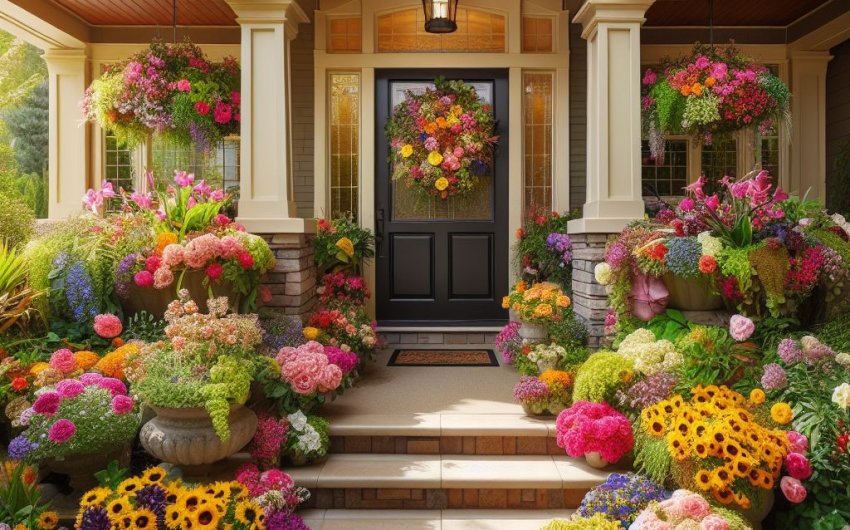
To enjoy front porch flowers with inviting blooms for every season, strategically select plants based on your local climate, the sun exposure of your porch, and the aesthetics you want to achieve. By rotating seasonal choices and providing consistent care, your entryway can offer continuous beauty and a warm welcome year-round.
Why are front porch flowers so important for curb appeal?
Front porch flowers are incredibly important for curb appeal because they are often the first splash of color and life visitors see. They instantly add warmth, personality, and a welcoming touch to your home's exterior, significantly enhancing its attractiveness and creating a positive first impression. These vibrant additions make a house feel more like a home.
What should you consider before choosing front porch flowers?
Before choosing front porch flowers, it's essential to assess several key factors to ensure your plants thrive and create the desired effect. Consider the amount of sunlight your porch receives, your local climate zone, and the overall style of your home.
How much sunlight does your porch get?
The amount of sunlight your porch receives is the most crucial factor in selecting the right flowers. Plants are categorized by their light needs:
- Full Sun: 6 or more hours of direct sunlight per day.
- Partial Sun/Partial Shade: 3-6 hours of direct sun, often in the morning or late afternoon.
- Full Shade: Less than 3 hours of direct sun, or dappled light all day.
Accurately knowing your porch's sun exposure will guide your plant choices. Observe your porch throughout the day to get a clear picture.
What is your USDA Hardiness Zone?
Your USDA Hardiness Zone (or equivalent for other regions) dictates which plants can survive your local winter temperatures outdoors.
- Annuals: Plants that complete their life cycle in one growing season. They are replanted each year, regardless of your zone.
- Perennials: Plants that live for more than two years. For front porch containers, choose perennials hardy to at least one zone colder than yours if you plan to leave them outside, as container roots are less insulated.
- Tropicals: Plants that need warm temperatures year-round. They are often treated as annuals or brought indoors for winter in colder zones.
Knowing your zone helps you select plants that have the best chance of thriving in your specific climate.
How do flower colors complement your home?
The colors of your front porch flowers can greatly impact your home's aesthetic. Consider your house color, trim, and front door to create a harmonious or striking contrast.
- Complementary Colors: Colors opposite each other on the color wheel (e.g., blue flowers with an orange door, yellow flowers with a purple house) create a vibrant, high-contrast look.
- Analogous Colors: Colors next to each other on the color wheel (e.g., pink, red, and purple) create a soothing, harmonious feel.
- Monochromatic: Different shades of the same color for a sophisticated, unified statement.
- Neutrals: White, cream, and green flowers or foliage complement any home color and provide a fresh, clean look.
What are the best front porch flowers for spring?
For spring front porch flowers, focus on plants that can tolerate cooler temperatures and provide cheerful bursts of color as the weather warms. These early bloomers signal the arrival of the gardening season.
Which annuals bloom well in early spring?
Several annuals bloom exceptionally well in early spring, offering immediate color when temperatures are still cool.
- Pansies and Violas: Cold-tolerant, available in a vast array of colors, and provide continuous blooms.
- Primroses: Bright, compact plants with vibrant flowers, perfect for cool spring mornings.
- Osteospermum (Cape Daisy): Cheerful, daisy-like flowers that can handle cool temperatures and light frost.
- Dianthus (Pinks): Fragrant, often ruffled flowers in shades of pink, white, and red.
What bulbs can you use for spring porch displays?
Spring-flowering bulbs can be forced in pots for an early show or planted in autumn for natural spring blooms on your porch.
- Tulips: Classic spring beauty, available in countless colors and forms.
- Daffodils (Narcissus): Bright yellow or white trumpets, very reliable.
- Hyacinths: Highly fragrant, dense flower spikes.
- Muscari (Grape Hyacinth): Small, blue, bell-shaped flowers that are charming in groupings.
- You can also find pre-potted spring bulb arrangements at garden centers, like a spring bulb garden kit, for instant impact.
What are the best front porch flowers for summer?
Summer front porch flowers thrive in heat and sun, providing continuous, vibrant blooms throughout the warmest months. These plants are typically robust growers that can handle intense light and occasional dryness.
Which sun-loving annuals excel on summer porches?
For sunny porches, these sun-loving annuals excel with their prolific and long-lasting blooms:
- Geraniums (Pelargonium): A classic for a reason, hardy, heat-tolerant, and come in many colors.
- Petunias (especially 'Wave' varieties): Cascade beautifully, offering masses of blooms.
- Calibrachoa (Million Bells): Similar to petunias but with smaller flowers, incredibly prolific and heat-tolerant.
- Lantana: Drought-tolerant, vibrant flower clusters that attract butterflies.
- Vinca (Catharanthus roseus): Excellent heat and drought tolerance, glossy foliage, and continuous blooms.
- Mandevilla/Dipladenia: Tropical vines that produce large, showy, trumpet-shaped flowers; great for trellises or hanging baskets.
- Begonias (Dragon Wing or Wax): While some begonias prefer shade, these varieties tolerate more sun and heat, offering continuous color.
What are good shade flowers for summer porches?
For shady summer porches, focus on plants known for their lush foliage and shade-tolerant blooms:
- Impatiens (New Guinea or traditional): Provide bright, consistent color in shadier spots.
- Fuchsias: Beautiful, pendulous flowers, ideal for hanging baskets or taller pots where they can spill.
- Begonias (Tuberous or Rex): Tuberous begonias offer large, showy blooms, while Rex begonias are prized for their stunning, colorful foliage.
- Coleus: Primarily grown for its incredible array of colorful and patterned foliage, thriving in shade.
- Hostas: Classic shade plant with diverse foliage, offering texture and varying shades of green, blue, and variegated patterns.
- Ferns (e.g., Boston Fern, Kimberly Queen Fern): Add lush, architectural greenery and a tropical feel.
What are the best front porch flowers for fall?
Fall front porch flowers bring warm, rich colors and textures, reflecting the changing season. These plants typically tolerate cooler temperatures and sometimes light frost, making them perfect for autumn displays.
Which plants provide vibrant fall color?
These plants provide vibrant fall color and are perfect for refreshing your porch containers:
- Mums (Chrysanthemums): The quintessential fall flower, offering a huge range of colors and bloom forms. Look for different sizes and colors, perhaps pairing a mix of yellow and red mums for a festive display.
- Ornamental Cabbage and Kale: Offer dramatic texture and striking colors (purples, pinks, whites) that intensify with colder weather.
- Pansies and Violas: Can be planted in fall for blooms that last until a hard freeze and often re-emerge in spring.
- Celosia (Cockscomb): Vibrant plumes or crested flowers in fiery reds, oranges, and yellows that last well into fall.
- Sedum 'Autumn Joy': A succulent perennial with pink flower heads that deepen to bronze in fall.
- Heuchera (Coral Bells): Many varieties have rich, earthy foliage colors that shine in autumn shade.
What non-flowering elements enhance fall porch displays?
To enhance fall porch displays and complement your flowers, incorporate these non-flowering elements:
- Gourds and Pumpkins: Varying sizes, shapes, and colors add rustic charm.
- Corn Stalks: Provide vertical interest and a harvest theme.
- Hay Bales: Add a farmhouse touch and can be used as risers for pots.
- Indian Corn: Colorful and decorative.
- Fallen Leaves: Artfully arranged colorful leaves can complete the autumn look.
What are the best front porch elements for winter?
For winter front porch elements, focus on evergreens, dormant beauty, and festive decorations that can withstand cold temperatures. While true flowers are scarce, you can still create an inviting and festive display.
Which evergreens work well in winter pots?
Evergreens work exceptionally well in winter pots, providing greenery and structure when most other plants are dormant.
- Dwarf Conifers: Small spruces, pines, or junipers offer year-round interest and festive appeal.
- Boxwood: Classic, dense green foliage, easily trimmed into shapes.
- Wintergreen (Gaultheria procumbens): Low-growing evergreen with red berries and fragrant leaves.
- Small Holly Bushes: Offer dark green foliage and bright red berries.
- Skimmia: Features dark green leaves and clusters of red berries or fragrant white flowers, depending on the variety.
How can you add festive touches to winter porch pots?
To add festive touches to winter porch pots, incorporate natural elements and lighting:
- Red Berries: Clusters of artificial or real (if available and non-toxic) berries for a pop of color.
- Pinecones: Large, natural pinecones tucked into greenery.
- Ornaments: Shatterproof ornaments nestled within evergreen boughs.
- Ribbons and Bows: Festive red, gold, or plaid ribbons tied around pots or branches.
- Twinkle Lights: Battery-operated LED fairy lights woven through evergreens create a magical glow.
- Birch Branches: Tall, white birch branches add striking vertical interest.
What are essential care tips for front porch flowers in pots?
Essential care tips for front porch flowers in pots ensure their longevity and vibrant display. This includes proper watering, feeding, deadheading, and protecting them from pests and diseases.
How often should you water potted porch plants?
Potted porch plants typically require more frequent watering than those in garden beds.
- Check daily: Feel the top inch or two of soil. If it's dry, water.
- Water deeply: Water until water drains from the bottom.
- Adjust for conditions: Hot, windy weather or smaller pots increase water needs.
- Self-watering planters: Consider self-watering planters to reduce watering frequency, especially for busy individuals or during vacations.
Do potted flowers need regular fertilizer?
Yes, potted flowers need regular fertilizer because nutrients in potting mix are quickly used up or leach out with watering.
- Start strong: Many quality potting mixes have a starter fertilizer.
- Feed regularly: Use a liquid flower fertilizer every 2-4 weeks during the growing season.
- Slow-release: Incorporate slow-release granular fertilizer into the soil at planting for continuous feeding.
How do you prevent and manage pests and diseases?
Preventing and managing pests and diseases keeps your front porch flowers healthy and attractive.
- Inspect new plants: Check new plants for pests before adding them to your display.
- Good air circulation: Proper plant spacing helps prevent fungal issues.
- Water properly: Avoid overhead watering to reduce leaf wetness, which can encourage disease.
- Monitor regularly: Inspect plants often for early signs of pests (e.g., aphids, spider mites) or diseases (e.g., powdery mildew).
- Treat promptly: Use insecticidal soap for pests or an appropriate organic fungicide for diseases. For stubborn infestations, consider replacing the affected plant.
How do you arrange front porch flowers for maximum impact?
Arranging front porch flowers for maximum impact involves thoughtful placement, varying heights, and creating cohesive groupings that draw the eye and complement your home's entrance.
What is the "thriller, filler, spiller" design method?
The "thriller, filler, spiller" design method is a popular and effective way to create stunning container arrangements:
- Thriller: A tall, upright plant (e.g., ornamental grass, small shrub, canna lily) as the focal point, providing height and drama.
- Filler: Mounding or bushy plants that fill the middle ground, adding volume and often vibrant color (e.g., petunias, coleus, impatiens).
- Spiller: Trailing plants that cascade over the edges of the pot, softening the look and adding grace (e.g., sweet potato vine, creeping jenny, vinca vine).
How do you create symmetry or asymmetry?
You can create different visual effects with front porch flower arrangements through symmetry or asymmetry.
- Symmetry: For a classic, formal, and balanced look, use identical pots and plant arrangements on either side of your front door.
- Asymmetry: For a more casual, dynamic, and modern look, use different sized pots and varied plant combinations, balancing them visually without being identical. For instance, a large urn on one side balanced by a grouping of three smaller, varied pots on the other.
How can you use risers and stands effectively?
Risers and stands are excellent tools for creating depth and varying heights in your front porch flower displays.
- Plant Stands: Elevate pots to different levels, adding vertical dimension and making plants more visible. Look for sturdy outdoor plant stands.
- Pot Feet: Lift pots slightly off the ground, improving drainage and air circulation underneath, which is especially important for winter protection.
- Stacked Crates/Blocks: For a rustic look, use old wooden crates or decorative blocks to create varying heights for your pots.
By embracing the opportunity to showcase front porch flowers throughout the year, you can transform your entryway into a continuously inviting and beautiful space. Thoughtful seasonal choices, coupled with consistent care and creative arrangement, ensure your home always presents a welcoming face to every guest.