
Yellow Yikes: Diagnosing Plant Yellowing
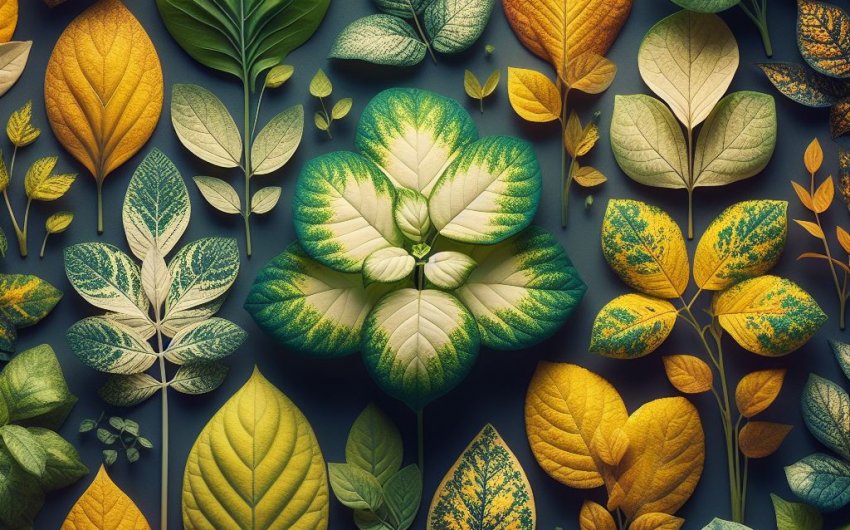
Diagnosing plant yellowing requires a systematic approach, as this common symptom, often a yellow yikes moment for gardeners, can stem from numerous causes. From improper watering to nutrient deficiencies, pests, or disease, pinpointing the exact problem is crucial for effective treatment. This guide helps you decipher your plant's distress signals and restore its vibrant green.
Why Do Plant Leaves Turn Yellow, and What is This "Yellow Yikes" Signaling?
Plant leaves turn yellow as a direct result of a decline in chlorophyll, the green pigment essential for photosynthesis. This visible discoloration, often a yellow yikes moment for gardeners, is your plant's primary way of signaling distress due to an underlying problem. Understanding why plant leaves turn yellow is the first step in effective diagnosing plant yellowing and restoring plant health.
What is Chlorophyll, and How Does Its Loss Cause Yellowing?
Chlorophyll is the vibrant green pigment found in plant leaves, absolutely essential for photosynthesis, the process by which plants convert sunlight into energy. The loss of chlorophyll directly leads to yellowing, as the underlying yellow carotenoid pigments become visible. Understanding this fundamental biological process is key to diagnosing plant yellowing and addressing the root cause of a yellow yikes moment.
What is Chlorophyll?
- The Plant's "Solar Panels": Chlorophyll molecules are located within chloroplasts in plant cells, primarily in the leaves. They are responsible for capturing light energy from the sun.
- The Green Pigment: Chlorophyll absorbs light most strongly in the blue and red parts of the electromagnetic spectrum, but it reflects green light. This reflected green light is why plants appear green to our eyes.
- Essential for Photosynthesis: This pigment is critical for photosynthesis, the process that converts light energy, carbon dioxide (CO₂), and water (H₂O) into sugars (plant food) and oxygen (O₂). Without chlorophyll, plants cannot produce energy, leading to starvation.
- Constantly Being Produced: Chlorophyll is not static; it's constantly being produced and broken down within the plant cells. A healthy plant maintains a high level of chlorophyll production.
How the Loss of Chlorophyll Causes Yellowing (Chlorosis):
- Decreased Production: When a plant is stressed or unhealthy, its ability to produce new chlorophyll molecules is impaired.
- Increased Breakdown: Simultaneously, existing chlorophyll molecules might break down faster than usual.
- Unmasking Other Pigments: As the green chlorophyll pigment diminishes, it "unmasks" other pigments that are always present in the leaves but usually hidden. These are primarily carotenoids, which are yellow, orange, or red pigments.
- Visible Yellowing: When there's less green chlorophyll, the yellow carotenoids become dominant, making the leaves appear yellow (this is also why leaves turn yellow and orange in the fall, as chlorophyll breaks down).
- Impact on Plant Health: A yellow leaf is a leaf that cannot perform photosynthesis efficiently. This means the plant is starving, struggling to produce the energy it needs for growth, flowering, fruiting, and overall survival.
Common Causes of Chlorophyll Loss (and thus Yellowing):
The various factors that cause plant leaves to turn yellow all ultimately lead to a decrease in chlorophyll production or an increase in its breakdown. These include:
- Nutrient Deficiencies: Especially nitrogen, iron, magnesium.
- Water Stress: Both overwatering (root rot) and underwatering.
- Light Stress: Too little light.
- Temperature Extremes: Cold stress, heat stress.
- Soil pH Imbalance: Locks up nutrients.
- Pests: Sap-sucking insects drain plant fluids.
- Diseases: Fungal, bacterial, or viral infections damage plant tissue.
- Chemical Damage: Herbicides, pollutants.
- Old Age (Natural Yellowing): Older leaves naturally yellow and drop.
What are the Different Patterns of Yellowing and What Do They Mean?
The different patterns of yellowing on plant leaves offer crucial diagnostic clues, transforming a general yellow yikes into a precise understanding of your plant's distress. Observing whether the yellowing affects old or new leaves, and its distribution on the blade, is key to effective diagnosing plant yellowing and applying the right remedy.
Here are the different patterns of yellowing and what they often mean:
- General (Uniform) Yellowing of Older, Lower Leaves First:
- Appearance: Entire leaves (including veins) turn uniformly yellow, typically starting on the oldest leaves at the bottom of the plant. These leaves may eventually turn brown and fall off.
- Common Cause: Nitrogen (N) Deficiency. Nitrogen is a mobile nutrient, meaning the plant can move it from older leaves (where it's less critical) to newer, actively growing leaves (where it's more critical). This causes the old leaves to yellow.
- Other Possibilities: Severe overall nutrient deficiency, or prolonged underwatering.
- Interveinal Chlorosis (Yellowing Between Veins) on New, Upper Leaves First:
- Appearance: New, younger leaves at the top or growing tips of the plant turn yellow, but the leaf veins remain distinctly green, creating a prominent "netting" pattern.
- Common Cause: Iron (Fe) Deficiency. Iron is an immobile nutrient. Once it's incorporated into existing leaves, it can't be moved to new growth. New leaves, therefore, show the deficiency. This is often linked to high soil pH.
- Other Possibilities: Can also indicate Manganese (Mn) or Zinc (Zn) deficiency, which are also immobile and affected by pH.
- General (Uniform) Yellowing of New, Upper Leaves First:
- Appearance: Entire new leaves (including veins) turn yellow, while older leaves remain green.
- Common Cause: Sulfur (S) Deficiency. Sulfur is somewhat immobile, so new growth is affected. Less common than N or Fe deficiency.
- Other Possibilities: Severe iron deficiency.
- Yellowing of Leaf Margins (Edges) or Tips:
- Appearance: Yellowing starts along the edges or tips of leaves and can progress inwards, often leading to browning or crisping of the edges.
- Common Causes:
- Potassium (K) Deficiency: Potassium is a mobile nutrient.
- Salt Burn: Too much fertilizer or mineral salts in the soil (common in potted plants with poor drainage).
- Wind Burn/Extreme Heat: Physical stress causing desiccation.
- Underwatering: Severe underwatering can cause edge browning.
- Chloride Toxicity: Less common.
- Spotty Yellowing / Random Yellow Patches:
- Appearance: Yellow spots or irregular patches appear randomly on leaves, not confined to old/new or veins.
- Common Causes:
- Pest Damage: Sap-sucking insects (spider mites, thrips) cause stippling (tiny yellow dots) that can merge.
- Fungal Diseases: Leaf spot diseases can cause yellow halos around lesions.
- Viral Infections: Often accompanied by mosaic patterns, mottling, or distortion.
- Chemical Burn: Localized yellowing or bleaching from accidental chemical exposure.
- Yellowing with Green Veins on Older Leaves:
- Appearance: Older leaves turn yellow, but the veins remain green.
- Common Cause: Magnesium (Mg) Deficiency. Magnesium is a mobile nutrient.
- Other Possibilities: Can sometimes be a symptom of high soil pH affecting Mg uptake.
Key to Diagnosis:
- Location: Are old leaves or new leaves affected first?
- Pattern: Is it uniform, interveinal, or just on edges?
- Accompanying Symptoms: Is there wilting, spots, pests, or distortion?
How Do You Systematically Diagnose Plant Yellowing?
To effectively solve a yellow yikes situation, systematically diagnosing plant yellowing is paramount, ensuring you pinpoint the true cause rather than making educated guesses. This methodical approach eliminates common misdiagnoses, leading to targeted and successful interventions. Following these diagnostic steps is crucial for effective diagnosing plant yellowing and restoring your plant's vitality.
What are the Step-by-Step Checks for Watering and Light Issues?
When facing a yellow yikes from plant yellowing, the step-by-step checks for watering and light issues are your immediate and most frequent diagnostic steps. These environmental factors are the leading causes of yellowing, and their swift correction can often resolve the problem without further intervention. This systematic approach is fundamental for effectively diagnosing plant yellowing.
Here are the step-by-step checks for watering and light issues:
- Check for Water Stress (Most Common Culprit for Yellowing):
- Action (Soil Check):
- Feel the Soil: Stick your finger 2-3 inches deep into the soil.
- Lift the Pot: For container plants, lift the pot; if it feels unusually light, it's likely dry.
- Use a Soil Moisture Meter: Provides a precise reading of moisture levels at root depth.
- Symptoms to Observe (Combined with Soil Check):
- Underwatering:
- Soil: Bone dry.
- Yellowing Pattern: Often general yellowing, especially starting on older, lower leaves. Leaves may also wilt, curl upwards, and feel crispy.
- Overwatering (Leading to Root Rot):
- Soil: Perpetually soggy, wet, or heavy. May smell foul (rotten egg smell indicates anaerobic conditions).
- Yellowing Pattern: Often general yellowing, may start on lower leaves or spread. Leaves may wilt (often downwards), feel soft/mushy, and the plant looks generally unhealthy despite wet soil. (Roots are damaged and can't absorb water/nutrients).
- Underwatering:
- Immediate Action:
- If Underwatered: Water thoroughly until water drains from the bottom of the pot or to a depth of 6-8 inches in the ground.
- If Overwatered/Root Rot: Stop watering immediately. Improve drainage. For containers, consider repotting with fresh, well-draining soil and pruning rotten roots. For in-ground, avoid further watering until soil dries out.
- Action (Soil Check):
- Check for Light Stress:
- Action (Observe Location and Light Intensity):
- Note how much direct sunlight the plant receives throughout the day.
- Consider if the plant's light needs match its current location (e.g., a sun-loving plant in shade, or a shade-loving plant in scorching sun).
- Symptoms to Observe (Combined with Light Conditions):
- Too Little Light:
- Yellowing Pattern: Often a general, pale yellowing or pale green color, especially on lower, older leaves that are not receiving much light. Plant may also appear leggy (stretched out) with sparse growth.
- Why: Insufficient light means reduced photosynthesis and chlorophyll production.
- Too Much Light (Sunburn):
- Yellowing Pattern: Yellowing, bleaching, or white patches, often with brown, crispy spots (scorching). Can cause leaves to curl upwards.
- Why: Intense light (especially a sudden increase) can damage chlorophyll and leaf tissue.
- Too Little Light:
- Immediate Action:
- Too Little Light: Move the plant to a brighter location.
- Too Much Light: Move the plant to a shadier spot, provide temporary shade (e.g., shade cloth), or gradually acclimate it.
- Action (Observe Location and Light Intensity):
What are the Step-by-Step Checks for Nutrient Deficiencies and Soil pH?
If watering and light aren't the primary culprits for plant yellowing, the step-by-step checks for nutrient deficiencies and soil pH become crucial. These intertwined factors directly impact how well your plant can access the food it needs, making them frequent sources of a yellow yikes. This systematic approach is essential for accurate diagnosing plant yellowing and providing tailored solutions.
Here are the step-by-step checks for nutrient deficiencies and soil pH:
- Check for Nutrient Deficiencies (Observe Yellowing Patterns):
- Action: Carefully examine the pattern of yellowing on your leaves and consider which leaves are affected first (old vs. new).
- Common Deficiencies Leading to Yellowing:
- Nitrogen (N) Deficiency:
- Pattern: General, uniform yellowing (including veins) of older, lower leaves first. Plant may be stunted.
- Why: Nitrogen is mobile and the plant moves it from old leaves to new growth.
- Solution: Apply a balanced organic fertilizer or a fertilizer higher in Nitrogen.
- Iron (Fe) Deficiency:
- Pattern: Interveinal chlorosis (yellowing between green veins) on new, upper leaves first.
- Why: Iron is immobile; it can't be moved from old leaves. Often linked to high soil pH.
- Solution: Lower soil pH (if high), apply chelated iron for plants (foliar spray for quick fix, soil drench for longer term).
- Magnesium (Mg) Deficiency:
- Pattern: Yellowing between green veins on older, lower leaves first. Leaves may also show reddish or purplish tints.
- Why: Magnesium is mobile.
- Solution: Apply Epsom salts (magnesium sulfate) as a foliar spray or soil drench.
- Sulfur (S) Deficiency:
- Pattern: General, uniform yellowing of new, upper leaves first. (Less common than N or Fe).
- Why: Sulfur is somewhat immobile.
- Solution: Apply a fertilizer containing sulfur, or elemental sulfur if pH is also high.
- Nitrogen (N) Deficiency:
- Check for Soil pH Imbalance:
- Action: Nutrient deficiencies are often caused by incorrect soil pH. A soil test kit is essential here. Collect soil samples and test them (or send to a lab).
- Why it's crucial: Soil pH (acidity or alkalinity) directly affects the availability of nutrients. Even if nutrients are in the soil, they can be "locked up" if the pH is too high or too low.
- Typical Problems:
- High pH (Alkaline, >7.5): Often leads to iron, manganese, zinc, and phosphorus deficiencies (common cause of interveinal chlorosis on new leaves).
- Low pH (Acidic, <6.0): Can lead to nitrogen, phosphorus, potassium, calcium, and magnesium deficiencies.
- Immediate Action:
- If pH is Too Low (Acidic): Apply lime (calcium carbonate or dolomitic lime) to raise the pH.
- If pH is Too High (Alkaline): Apply elemental sulfur to lower the pH.
- Patience: pH adjustments take time (weeks to months). Follow soil test recommendations precisely.
What are the Step-by-Step Checks for Pests, Diseases, and Chemical Damage?
If environmental and nutrient issues don't explain plant yellowing, the step-by-step checks for pests, diseases, and chemical damage become the next crucial diagnostic tools. These more complex issues can also cause a yellow yikes, often with accompanying symptoms that help narrow down the cause. This systematic approach is essential for accurate diagnosing plant yellowing and effective interventions.
Here are the step-by-step checks for pests, diseases, and chemical damage:
- Check for Pest Infestations:
- Action: Thoroughly examine all parts of the plant, especially the undersides of leaves, new growth, and stem joints. Use a magnifying glass if needed. Look for actual insects or signs of their presence.
- Specific Pests and Symptoms:
- Sap-Suckers (Aphids, Spider Mites, Whiteflies, Thrips): These pests extract vital fluids, causing yellowing, stippling (tiny yellow dots), distorted leaves (curling/crinkling), and often sticky residue (honeydew) or fine webbing (spider mites).
- Root-Feeding Pests (e.g., Root Aphids, Root Mealybugs): Can also cause general yellowing and wilting as roots are damaged, inhibiting water/nutrient uptake.
- Immediate Action:
- Manual Removal: Hand-pick larger pests. Blast soft-bodied pests off with a strong stream of water.
- Organic Sprays: Use insecticidal soap, neem oil spray, or horticultural oil.
- Beneficial Insects: Introduce ladybugs or lacewings.
- Check for Diseases (Fungal, Bacterial, Viral):
- Action: Look for specific patterns of yellowing, spots, lesions, or other signs unique to diseases.
- Specific Diseases and Symptoms:
- Fungal Leaf Spots (e.g., Black Spot, Anthracnose): Often cause circular yellow halos around distinct dark spots or lesions. General yellowing can occur in severe cases as leaves die.
- Root Rot (if not from overwatering, but from pathogen): Yellowing, wilting, stunted growth; roots will be mushy/brown.
- Viral Infections: Often cause irregular yellow mottling, mosaic patterns, or streaks on leaves, usually accompanied by distortion, stunting, or leaf curling. New growth is typically affected.
- Bacterial Blights/Wilts: Yellowing, wilting, browning, often with water-soaked lesions or bacterial ooze.
- Immediate Action:
- Fungal/Bacterial: Improve cultural practices (air circulation, watering), prune infected parts (sterilize tools). Use appropriate organic (e.g., neem oil, copper-based) or chemical fungicides/bactericides.
- Viral: There is NO CURE for plant viruses. Immediately remove and destroy the entire infected plant (bag it and trash it) to prevent spread. Sterilize tools.
- Check for Chemical Damage:
- Action: Recall any recent applications of herbicides, pesticides, or other chemicals (even on nearby lawns or property). Consider recent wind drift.
- Symptoms:
- Herbicide Drift: Often causes rapid, severe yellowing, bleaching, or distortion (cupping, twisting) of leaves, especially new growth. Can appear uneven across the plant or affected side.
- Fertilizer Burn: Brown or yellow crispy edges/tips, or widespread yellowing if over-applied. Often seen as patches on lawns.
- Chemical Spill: Localized yellowing, browning, or death where a chemical (e.g., gasoline, cleaning fluid) was spilled.
- Immediate Action:
- Flush Soil: For spills or recent over-application, thoroughly drench the soil with plain water to dilute the chemical.
- Prune Affected: Remove severely damaged leaves.
- Monitor: Observe for recovery. Severely affected plants may not recover.
- Prevention: Use chemicals carefully, follow labels, avoid windy days, and store safely.
Final Diagnostic Tip: If you've gone through all these checks and are still unsure, take a sample of the affected plant (include both healthy and yellowed parts, and a bit of soil) to your local university extension office or a reputable garden center. They can often provide expert diagnosis.
How Do You Treat Plant Yellowing Based on Its Cause?
Once you've accurately completed diagnosing plant yellowing and pinpointed the underlying cause, knowing how to treat plant yellowing based on its cause is paramount for restoring plant health. A targeted approach, rather than generic remedies, ensures you address the specific stressor, effectively turning a yellow yikes situation into a vibrant green recovery.
What are the Solutions for Water, Light, and Nutrient Imbalances?
For plant yellowing stemming from basic care issues, understanding what are the solutions for water, light, and nutrient imbalances is crucial. These are often the easiest problems to correct, providing quick and effective relief from a yellow yikes and setting your plant back on the path to vibrant health. These targeted remedies are essential for diagnosing plant yellowing.
Solutions for Water Imbalances:
- If Underwatered (Dry Soil):
- Action: Water immediately and deeply until water drains from the bottom of the pot or the soil is moistened to 6-8 inches deep.
- Prevention: Establish a regular watering schedule based on soil moisture (check with your finger or a soil moisture meter). Water deeply and infrequently.
- If Overwatered / Root Rot (Soggy Soil):
- Action:
- Stop Watering: Immediately cease all watering.
- Improve Drainage: For containers, ensure drainage holes are clear. For in-ground plants, improve soil drainage (amend with compost, aerate).
- Repot (Containers): Gently remove the plant, prune off any soft, mushy, black roots, and repot into fresh, sterile, well-draining potting mix.
- Prevention: Only water when the top few inches of soil are dry. Use well-draining soil and pots with drainage holes.
- Action:
Solutions for Light Imbalances:
- If Too Little Light:
- Action: Move the plant to a brighter location where it receives the appropriate amount of light for its species.
- Prevention: Research plant light requirements and place plants accordingly.
- If Too Much Light (Sunburn):
- Action: Move the plant to a shadier location or provide temporary shade (e.g., a shade cloth) during the hottest part of the day.
- Prevention: Acclimate new plants gradually to full sun. Choose plants suited to your sun exposure.
Solutions for Nutrient Deficiencies:
- General Deficiency (e.g., Nitrogen):
- Action: Apply a balanced liquid fertilizer at half strength for a quick boost, or a slow-release organic granular fertilizer.
- Prevention: Follow a regular fertilization schedule based on a soil test. Incorporate compost.
- Iron (Fe) Deficiency (Interveinal yellowing on new leaves, often due to high pH):
- Action: Apply chelated iron for plants as a foliar spray (for quick green-up) or a soil drench.
- Prevention: Correct high soil pH (see below).
- Magnesium (Mg) Deficiency (Interveinal yellowing on old leaves):
- Action: Dissolve 1 tablespoon of Epsom salts (magnesium sulfate) per gallon of water and apply as a foliar spray or soil drench.
- Prevention: Correct low soil pH (see below).
Solutions for Soil pH Imbalance:
- If pH is Too Low (Acidic):
- Action: Apply lime (calcitic or dolomitic, based on magnesium needs) to the soil.
- Prevention: Regular soil testing.
- If pH is Too High (Alkaline):
- Action: Apply elemental sulfur to the soil.
- Prevention: Regular soil testing.
- Patience: pH adjustments are slow. Follow soil test recommendations precisely. A soil pH test kit helps monitor progress.
What are the Solutions for Pests, Diseases, and Chemical Damage?
When plant yellowing stems from more serious threats, understanding what are the solutions for pests, diseases, and chemical damage is critical for effective treatment. These issues demand precise, targeted interventions to resolve the yellow yikes and protect your plants. This cause-specific knowledge is vital for diagnosing plant yellowing and implementing successful strategies.
Solutions for Pest Infestations (Sap-Sucking Pests):
- Identify the Specific Pest: Crucial for targeted treatment.
- Action:
- Manual Removal: For small infestations, hand-pick larger pests or blast aphids/mites off with a strong spray of water.
- Organic Sprays:
- Insecticidal Soap: Excellent for soft-bodied pests. Spray directly onto pests, ensuring thorough coverage.
- Neem Oil: Acts as an antifeedant, growth regulator, and suffocant for many pests.
- Horticultural Oil: Smothers a range of pests.
- Beneficial Insects: Encourage or release natural predators (ladybugs, lacewings).
- Severe Infestations: For persistent or very widespread problems, consider targeted chemical pesticides labeled for your specific pest and plant, always following instructions carefully.
- Prevention: Monitor regularly. Use row covers for susceptible plants. Attract beneficial insects.
Solutions for Viral Infections:
- Identify Viral Symptoms: Look for mosaic patterns, severe distortion, stunting, and ring spots. Confirm as best you can.
- Action (CRITICAL - No Cure):
- Remove and Destroy: Immediately remove and destroy the entire infected plant (roots and all). Bag it and dispose of it in the trash; do NOT compost.
- Sanitize Tools: Thoroughly sterilize all tools (pruners, shovels) with bleach or rubbing alcohol immediately after use on an infected plant.
- Monitor Nearby Plants: Keep a close eye on neighboring plants for new symptoms.
- Prevention: Use certified virus-free seeds and plants. Control insect vectors (primary spreaders) aggressively. Maintain strict garden sanitation.
Solutions for Fungal or Bacterial Diseases (If yellowing is a primary symptom of leaf spot, blight, or root rot):
- Identify Specific Disease: Confirm the exact fungal or bacterial disease.
- Action:
- Cultural Practices: Adjust watering (avoid overhead, water in morning), improve air circulation (prune for airflow), ensure good drainage (for root rot), remove infected plant parts (sanitizing tools).
- Organic Fungicides: Neem oil, baking soda solution (for powdery mildew/black spot), copper-based sprays (for various fungi/bacteria).
- Chemical Fungicides/Bactericides: For severe cases, use a targeted chemical fungicide or bactericide labeled for the specific disease and plant. Always follow label instructions.
- Prevention: Choose disease-resistant varieties. Practice good sanitation. Maintain overall plant health.
Solutions for Chemical Damage (Herbicide, Fertilizer Burn, Spills):
- Identify Exposure: Confirm recent chemical applications or spills.
- Action:
- Flush Soil: For herbicide drift or fertilizer burn/spills, thoroughly drench the affected soil with plenty of plain water to dilute the chemical.
- Prune Affected: Remove severely damaged leaves.
- Provide Support: Give the plant optimal conditions (proper watering, light, gentle feeding) to help it recover if damage is minor.
- Remove Severely Affected Plants: If damage is extensive and the plant is unlikely to recover, remove it.
- Prevention: Use chemicals with extreme caution. Follow all label directions. Avoid spraying on windy days. Store chemicals safely.
By systematically diagnosing plant yellowing and diligently applying these cause-specific treatment strategies, you can effectively resolve a yellow yikes situation. This comprehensive approach empowers you to accurately identify plant distress, implement the right solutions, and ultimately restore your garden to its vibrant green health, ensuring your plants thrive.