
DIY Guide: How to Make a Bird Bath for Your Garden
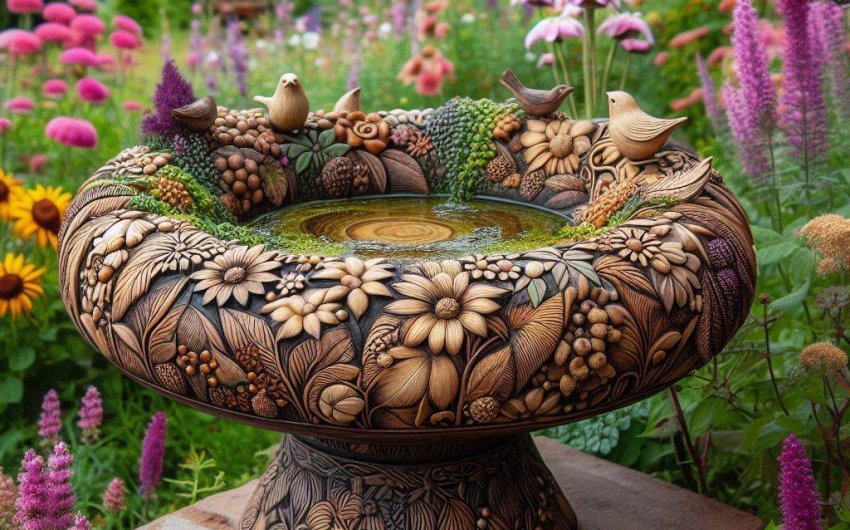
To make a bird bath for your garden, choose a shallow, non-porous basin and a sturdy, stable base that will elevate the water source above ground level. Ensure the depth is safe for birds, varying from 1 to 3 inches, and position it in a secure location visible to birds but away from predators.
Why is a Bird Bath a Great Addition to My Garden?
Adding a bird bath to your garden is one of the simplest yet most effective ways to attract a diverse array of feathered friends and enhance your outdoor space. Beyond its aesthetic appeal, a bird bath provides vital resources for birds, especially during hot summers and dry winters, making your garden a more hospitable and dynamic habitat.
Here's why a bird bath is a truly great addition:
- Provides Essential Water Source: Birds need water not just for drinking, but also for bathing to keep their feathers clean and in good condition. Clean feathers are crucial for insulation, flight, and overall health. In many urban and suburban areas, natural water sources can be scarce or contaminated. A bird bath fills this critical void.
- Attracts a Wider Variety of Birds: While bird feeders primarily attract seed-eating birds, a bird bath appeals to all bird species, including insectivores and nectar-feeders, as all birds need water. This means you'll observe a greater diversity of species in your garden. You might see warblers, wrens, robins, and even hummingbirds stopping by for a sip or a splash.
- Enhances Bird Health and Survival: Regular access to clean water helps birds regulate their body temperature, especially on hot days. It also aids in preening, which maintains the integrity of their feathers, making them more efficient flyers and better insulated against the cold. A reliable water source can significantly improve bird survival rates in your area.
- Creates a Focal Point and Adds Beauty: A bird bath can be a beautiful sculptural element in your garden design. It adds visual interest and can be chosen to complement your existing landscaping style, whether rustic, modern, or classic. The sight and sound of birds splashing and chirping are inherently delightful and calming.
- Encourages Pest Control: By attracting more birds, you naturally increase the presence of insect-eating species in your garden. Birds like wrens, chickadees, and nuthatches are natural predators of common garden pests, providing a safe and eco-friendly form of pest control.
- Educational Opportunity: A bird bath offers an amazing opportunity for nature observation. You can learn about different bird species, their behaviors, and their interactions, right from your window or patio. It's a fantastic educational tool for children and adults alike.
- Supports Local Ecosystems: By providing water, especially clean water, you are contributing to the overall biodiversity and health of your local ecosystem. It's a simple act that has a ripple effect, supporting not just birds but also the plants they pollinate and the insects they consume.
- Year-Round Interest: Unlike seasonal flowers, a bird bath can provide interest and activity in your garden year-round. While more popular in summer, birds still need water in winter, especially when natural sources freeze. A heated bird bath can be a lifesaver in cold climates.
In summary, a bird bath transforms your garden into a vibrant, living space, providing crucial support for birds while bringing endless enjoyment and beauty to your outdoor sanctuary. It's an accessible and rewarding DIY project that truly makes a difference.
What Materials Do I Need to Make a Bird Bath? (DIY Options)
To make a bird bath for your garden, you'll need two main components: a basin to hold the water and a stable base to elevate it. The beauty of DIY is that you can use a wide variety of repurposed or inexpensive materials, allowing for creativity and personalization while keeping costs down. All materials should be non-toxic to birds.
Here's a breakdown of suitable materials for your DIY bird bath:
1. For the Basin (The Water-Holding Part)
The basin needs to be shallow, non-porous, and easy to clean.
- Upturned Trash Can Lid: A simple, readily available option. Ensure it's clean and doesn't have sharp edges. Plastic or galvanized metal (though metal can get very hot in direct sun).
- Large Planter Saucer/Plant Tray: Look for wide, shallow plastic or terracotta saucers. Terracotta is attractive but can be porous; sealing it may be necessary (see "Sealants" below). A sturdy plastic plant saucer is usually a good bet.
- Serving Platter/Large Dish: A sturdy, shallow ceramic or glass serving dish from a thrift store or your kitchen can work. Avoid delicate or antique pieces.
- Concrete Leaf Casting: A fun, slightly more advanced DIY project. You use a large leaf (like rhubarb or hosta) as a mold to create a natural-looking concrete basin. This is heavier and requires more skill.
- Wok or Large Metal Bowl: An old, clean wok or large stainless steel bowl can serve as a basin. Metal can heat up, so consider placement.
- Shallow Stone/Rock Slab: If you have access to large, flat, shallowly dished stones, they make natural-looking basins.
- Terra Cotta Pot Invert: Sometimes a shallow terra cotta pot can be inverted to create a dish-like effect, though often too deep.
Key Basin Considerations:
- Depth: Crucially, the water in the basin should be shallow: 1 to 2 inches (2.5 to 5 cm) deep in the center, gradually sloping to 3 inches (7.5 cm) at the edges. Birds prefer shallow water. You can add stones to deeper basins to create shallow spots.
- Texture: Birds prefer a non-slip surface. If your basin is very smooth, consider adding some rough stones or coarse sand to the bottom (secured with non-toxic adhesive if needed).
- Non-Porous: Ensures water doesn't leak out and doesn't get absorbed into the material, which can lead to algae buildup or freezing damage.
2. For the Base (The Support Structure)
The base needs to be sturdy, stable, and able to support the weight of the basin filled with water.
- Upturned Terra Cotta Pots: Stacked varying sizes of sturdy terra cotta pots, glued together with strong waterproof adhesive. Large Terra Cotta Pots are common.
- Stacked Cinder Blocks/Pavers: Simple, robust, and often readily available. Can be painted for aesthetics.
- Tree Stump/Log Section: A heavy, stable piece of a tree trunk or log provides a natural, rustic look. Ensure it's level and rot-resistant.
- Old Bird Bath Pedestal: If you find a discarded bird bath with a broken basin, the pedestal might be reusable.
- Large Rock/Boulder: A flat-topped, stable rock can make a natural base.
- Galvanized Metal Trash Can: An empty, clean, sturdy metal trash can (lid removed) can serve as a tall, stable base.
- Old Wagon Wheel or Tire: Cleaned and repurposed, these can create a unique, if unconventional, base.
- PVC Pipe/Concrete Filled: A large diameter PVC pipe filled with concrete can make a very stable, durable base, which you can then paint or decorate.
Key Base Considerations:
- Stability: This is paramount. The base must not wobble or tip over, especially when filled with water, which adds significant weight.
- Height: Aim for a height of 1 to 3 feet (30 to 90 cm) from the ground to deter ground predators (cats, raccoons).
3. Adhesives and Sealants (Optional but Recommended)
- Outdoor Construction Adhesive: For permanently attaching the basin to the base (e.g., Gorilla Glue Construction Adhesive). Look for waterproof and weather-resistant.
- Non-Toxic Pond Sealer/Waterproofer: If using porous materials like unsealed terracotta, a food-safe, non-toxic pond sealer or liquid rubber coating can make it waterproof and extend its life.
- Silicone Caulk (Aquarium Safe): Can be used for sealing small cracks or gaps if it is explicitly labeled as aquarium-safe or food-grade.
4. Decorative & Safety Elements (Optional)
- Rocks/Stones: Smooth, flat rocks placed in the basin provide perching spots and vary the water depth for different bird sizes.
- Sand: A layer of coarse sand at the bottom can provide grip, but ensure it's clean and won't make the water murky.
- Floating Object: A small, floating piece of wood can help deter mosquitoes by gently disturbing the water surface.
By thoughtfully selecting and preparing these materials, you can create a unique, safe, and effective bird bath that will be a welcoming oasis for your garden's feathered visitors.
What is the Best Depth for a Bird Bath?
The best depth for a bird bath is absolutely crucial for ensuring it's safe and attractive to the widest variety of birds. Unlike people, most birds are not strong swimmers and prefer very shallow water. Incorrect depth is one of the most common reasons a bird bath goes unused or becomes unsafe.
The ideal depth should be gradual and shallow:
- Maximum Depth: The deepest part of your bird bath basin should be no more than 2 to 3 inches (5 to 7.5 cm). This depth is suitable for larger birds like robins and jays to splash around.
- Primary Bathing Area: The most important part is the shallowest. The water should ideally be 1 inch (2.5 cm) deep or less around the edges and gently slope down to the maximum depth in the center. Smaller birds, like chickadees, finches, and sparrows, prefer these very shallow areas for bathing and drinking.
- Gradual Slope: Birds are wary of deep water and prefer to wade in. A gentle, gradual slope from the edges to the center allows birds to choose their preferred depth and feel secure. This design mimics natural puddles and shallow shorelines that birds seek out.
Why is This Depth Important?
- Safety: Birds can drown in water that is too deep. A shallow depth allows them to bathe and drink without risk.
- Comfort and Confidence: Birds feel more comfortable and secure when they can stand firmly on the bottom. If the water is too deep, they may avoid the bird bath entirely.
- Feather Preening: The shallow depth allows them to splash water onto their feathers effectively for cleaning and preening, which is a primary reason they use a bird bath.
- Variety: Different bird species have different sizes and wading preferences. A gradually sloped basin caters to the needs of both small and larger birds.
How to Adjust Depth if Your Basin is Too Deep:
If you've found or purchased a basin that's deeper than the recommended 3 inches, don't worry! You can easily modify it to make it safe and inviting:
- Add Smooth Rocks or Pebbles: Place a layer of clean, smooth, non-slippery rocks, stones, or gravel in the bottom of the basin. Arrange them to create varying depths, with some emerging above the waterline, providing perching and wading spots for birds. Make sure they are stable and won't shift easily.
- Use a Flat Stone or Brick: A single large, flat stone or a clean brick can be placed in the center or off to one side to create an elevated platform within the deeper water.
- Coarse Sand: A thin layer of coarse sand can be spread on the bottom to provide traction and slightly reduce depth, but ensure it doesn't make the water murky.
By paying close attention to the depth of your bird bath, ensuring it's shallow and gradually sloped, you will create a highly functional and attractive water source that encourages birds to visit your garden regularly.
Where is the Best Place to Put a Bird Bath in My Garden?
Choosing the best place to put a bird bath in your garden is as crucial as its design and depth. Proper placement enhances bird safety, encourages frequent visitation, and integrates the bird bath harmoniously into your landscape. Birds are wary creatures, and their sense of security heavily influences whether they'll use your offering.
Here are the key considerations for optimal bird bath placement:
1. Safety from Predators
- Elevated Height: Mount your bird bath on a base that raises it 1 to 3 feet (30 to 90 cm) off the ground. This height deters ground predators like cats, raccoons, and other curious animals.
- Open View of Surroundings: Place the bird bath in an area where birds have a clear, unobstructed view of their surroundings. This allows them to spot approaching predators (like cats or hawks) from a distance and take flight.
- Near, But Not In, Cover: Position the bird bath within 5 to 15 feet (1.5 to 4.5 meters) of a shrub, small tree, or dense bush. This provides a safe haven for birds to quickly dart into if danger approaches, offering immediate shelter. However, avoid placing it directly within dense foliage, as this can provide ambush points for predators.
2. Sunlight Exposure
- Partial Shade/Morning Sun: The ideal spot receives partial shade during the hottest part of the day, or just morning sun.
- Avoid Full, Blazing Sun: Prolonged direct sun can rapidly heat the water, making it unappealing or even dangerous for birds. It also encourages faster evaporation and algae growth, meaning you'll need to refill and clean more often.
3. Proximity to Food Sources
- Near Feeders (But Not Underneath): While a bird bath and feeders both attract birds, avoid placing the bird bath directly underneath a bird feeder. Dropped seeds, hulls, and bird droppings can quickly contaminate the water, making it unhealthy and unsightly.
- Near Pollinator Plants: Placing it near a patch of pollinator-friendly flowers can also increase bird visitation, as many birds are attracted to insects among the flowers.
4. Convenience for Maintenance
- Easy Access: Position your bird bath where it's easy for you to access for regular cleaning and refilling. This means near a garden hose or water spigot, or at least in a spot you can easily reach with a watering can.
- Visibility for Enjoyment: Place it where you can easily observe the birds from a window, patio, or seating area. This is one of the greatest joys of having a bird bath!
5. Landscape Integration
- Aesthetic Appeal: Consider how the bird bath will look within your garden design. It can be a focal point or blend seamlessly with your plantings.
- Avoid Overhangs: Do not place the bird bath directly under tree branches that might drop leaves, sap, or bird droppings into the water.
6. Special Considerations for Winter (If Applicable)
- Heated Bird Baths: If you plan to use a heated bird bath in cold climates, ensure it's near an outdoor power outlet.
By carefully evaluating these placement factors, you can create a safe, inviting, and highly utilized oasis for the birds in your garden, maximizing the benefits of your DIY bird bath.
How Do I Maintain My DIY Bird Bath?
Maintaining your DIY bird bath is absolutely crucial for the health and safety of the birds and the longevity of your bird bath. A dirty bird bath can quickly become a breeding ground for harmful bacteria, algae, and mosquitoes, doing more harm than good. Regular cleaning and attention will ensure it remains a welcoming and healthy water source.
Here's how to properly maintain your DIY bird bath:
1. Daily Checks and Refills
- Check Water Level: Evaporation and thirsty birds will quickly deplete the water. Check the water level daily, especially during hot or windy weather, and refill it as needed.
- Look for Debris: Quickly scan for leaves, twigs, bird droppings, or any other debris. Skim them out if present.
- Observe Water Clarity: Note if the water is becoming murky or if algae is starting to form.
2. Weekly Deep Cleaning (Minimum)
This is the most important maintenance task.
- Empty and Scrub: At least once a week, preferably more often in hot weather, completely empty all the water from the basin.
- Scrub Thoroughly: Use a stiff brush (a dedicated bird bath cleaning brush is ideal, like a toilet brush specifically for this purpose) to scrub away any slime, algae, or grime from all surfaces of the basin.
- Cleaning Solution:
- Best Option: Plain Water and Scrubbing: For regular cleaning, vigorous scrubbing with just water is often sufficient and safest.
- Vinegar Solution: For tougher grime or algae buildup, a solution of 9 parts water to 1 part white vinegar can be effective. Scrub with this solution.
- Diluted Bleach (Use with Caution): For very stubborn algae or suspected bacterial contamination, a highly diluted bleach solution (1 part bleach to 9 parts water) can be used. Crucially, if using bleach, rinse the bird bath thoroughly, multiple times, until there is no scent of bleach whatsoever. Allow it to air dry completely in the sun before refilling, as sunlight helps dissipate any remaining bleach residue. Never use harsh chemical detergents, soaps, or power washers, as residues can be harmful to birds.
- Rinse Thoroughly: After scrubbing, rinse the basin repeatedly with fresh water to ensure all cleaning solution and debris are gone.
- Refill: Once clean, refill with fresh water.
3. Algae Control Tips
- Regular Cleaning: The most effective algae control is consistent weekly cleaning.
- Shade: Place the bird bath in partial shade to slow algae growth (but remember bird safety from predators).
- Moving Water: Birds prefer moving water, and it also deters mosquitoes and slows algae. Consider adding a small, solar-powered bird bath pump or bubbler, though these require their own maintenance.
- Copper Pennies (Debated): Some people claim copper pennies placed in the bird bath deter algae. While copper has algaecidal properties, the amount leached by pennies is likely negligible and potentially harmful to birds in high concentrations. Stick to natural methods.
4. Mosquito Prevention
- Regular Water Changes: Mosquitoes lay eggs in standing water. Changing the water every 1-2 days (especially in warm weather) is the simplest and most effective way to prevent mosquito breeding.
- Moving Water: A bubbler or dripper will also deter mosquitoes.
- Mosquito Dunks (Use with Caution): For very persistent issues or if you cannot change water daily, Mosquito Dunks contain Bacillus thuringiensis israelensis (Bti), a bacteria that specifically kills mosquito larvae but is harmless to birds, pets, and humans. Use as directed.
5. Winter Maintenance (Cold Climates)
- Emptying in Freezing Weather: If temperatures drop below freezing, empty the bird bath to prevent the basin from cracking due to expanding ice.
- Heated Bird Baths: In very cold climates, consider a heated bird bath to provide a vital water source when natural options freeze. These still need regular cleaning.
6. Inspect for Damage
- Regularly check your DIY bird bath for cracks, leaks, or instability, especially after harsh weather. Repair any issues promptly to ensure the bird bath remains safe and functional.
By diligently following these maintenance tips, your DIY bird bath will remain a clean, safe, and inviting oasis for birds, bringing continuous joy and life to your garden.