
How to Grow Zucchini in Small Spaces Successfully?
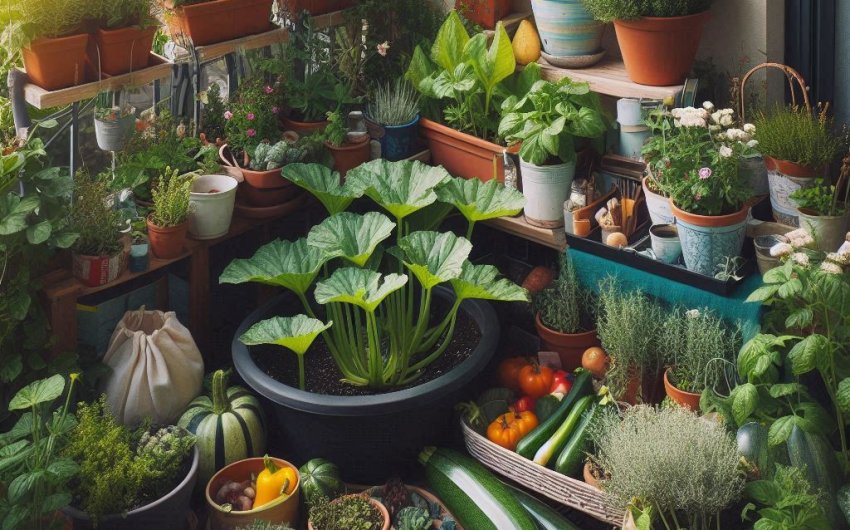
Growing zucchini in small spaces successfully requires choosing compact varieties, utilizing vertical growing techniques, and providing consistent care in containers or raised beds. Even with limited room, you can enjoy a bountiful harvest of this versatile summer squash.
Why is Growing Zucchini in Small Spaces a Challenge?
Zucchini is famously productive, but traditional varieties are sprawling plants that demand a lot of ground space. Their large leaves and long vines can quickly overwhelm a small garden bed or container, making them seem unsuitable for urban gardeners or those with limited acreage. Understanding this challenge is the first step to overcoming it.
The Sprawling Nature of Zucchini
Standard zucchini plants are "vining" or "bush" types that can spread 3 to 5 feet in diameter, with some vining types reaching even further. This extensive growth is fantastic for large gardens, but it quickly consumes precious real estate in smaller settings like balconies, patios, or compact raised beds. The large leaves also cast significant shade, potentially hindering other nearby plants.
Resource Demands
Despite their adaptability, zucchini plants are heavy feeders and drinkers. Their large foliage and rapid fruit production require:
- Ample Nutrients: They need consistently fertile soil throughout their growing season.
- Consistent Water: Dry conditions can lead to issues like blossom end rot or stunted fruit. Meeting these demands in a confined space can be tricky without proper planning.
What Zucchini Varieties Are Best for Small Spaces?
The most critical decision for successful small-space zucchini growing is selecting the right variety. Fortunately, plant breeders have developed excellent compact options perfect for containers and vertical gardening.
Bush Varieties
These varieties have a more compact, upright growth habit compared to traditional vining types. They still produce large leaves but stay significantly smaller overall.
- 'Raven': A very popular bush zucchini, known for its dark green, glossy fruits and strong yield in a confined space. It matures quickly.
- 'Eight Ball': Produces round, ball-shaped zucchini, which are fun and easy to harvest. The plant itself is quite compact.
- 'Bush Baby': Lives up to its name, offering good yields on a truly miniature bush plant. Ideal for very small containers.
- 'Dunja': An increasingly popular variety for disease resistance and a more open, upright growth habit that makes harvesting easier.
- 'Gold Rush': A bush type that produces bright yellow fruits, adding a splash of color to your garden.
Vining Varieties Suited for Trellising
While traditional vining zucchini are usually avoided in small spaces, some can be successfully grown vertically on a strong trellis. This redirects their growth upwards rather than outwards.
- 'Black Beauty' (if trellised): A classic vining variety. While not inherently compact, its productive nature can be harnessed vertically.
- 'Climbing Tromboncino': A unique vining squash that produces long, curling fruits. It must be trellised, making it an interesting option for vertical growth. Its flavor also differs slightly, often described as milder.
Choosing Your Seeds
When purchasing seeds, always check the plant description for terms like "bush," "compact," "container," or "patio." This indicates they are bred for smaller spaces. You can find these specialized seeds from reputable suppliers like Burpee Zucchini Seeds (Compact Varieties) or other seed companies.
What Type of Container or Setup is Best for Zucchini in Small Spaces?
Choosing the right container or planting setup is crucial for providing adequate root space, drainage, and support for your zucchini.
Container Size
Zucchini plants, even bush varieties, are large for a container garden. They need significant root room to support their vigorous growth and fruit production.
- Minimum Size: Aim for at least a 15-20 gallon container, or one that is at least 18-24 inches in diameter and depth. The bigger, the better.
- Material:
- Fabric Grow Bags: Excellent choice. They promote air pruning of roots (preventing circling), offer good drainage, and help prevent overheating. A 20 Gallon Fabric Grow Bag is a great option.
- Large Plastic Pots: Durable and retain moisture well, but can overheat in full sun.
- Terra Cotta Pots: Attractive and breathable, but dry out very quickly, requiring more frequent watering.
- Half Wine Barrels or Large Tubs: Excellent for their size and stability.
Raised Beds
If you have a small patch of ground, a raised bed is an ideal solution.
- Benefits: Raised beds offer superior drainage, better soil control, and warmth, leading to earlier planting and higher yields. They also prevent soil compaction.
- Size: Even a small 2x2 foot or 3x3 foot raised bed can accommodate one or two compact zucchini plants when combined with vertical support.
Vertical Growing Structures (Trellises and Cages)
Even bush zucchini varieties can benefit from vertical support. This keeps fruits off the ground, improves air circulation, and makes harvesting easier. For vining types, a strong trellis is essential.
- Tomato Cages: Sturdy, tall tomato cages can support bush zucchini plants. As the plant grows, gently tuck the sprawling stems into the cage.
- Trellises: Install a strong A-frame trellis or a sturdy cattle panel trellis behind your container or in your raised bed. Guide the main stem and side shoots up the trellis using soft ties as the plant grows. A Heavy Duty Garden Trellis will last for many seasons.
- Obelisk Trellises: Can be placed directly into large containers for a decorative and functional support structure.
What is the Best Soil and Sunlight for Zucchini in Small Spaces?
Just like their sprawling counterparts, zucchini in small spaces still require optimal soil and plenty of sun to produce well. Meeting these needs is crucial in a confined growing environment.
Ideal Soil Requirements
Zucchini are heavy feeders and prefer rich, well-draining soil.
- Potting Mix: For containers, use a high-quality, well-draining potting mix specifically designed for vegetables or container gardening. Avoid using garden soil, which can compact and harbor pests or diseases.
- Amendments: Enhance your potting mix or raised bed soil with:
- Compost: Adds essential nutrients and improves soil structure. Work in a generous amount before planting.
- Aged Manure: Provides a slow-release source of nitrogen and other nutrients.
- Perlite or Vermiculite: Improves drainage and aeration, crucial for preventing waterlogging in containers.
- pH Level: Zucchini thrives in slightly acidic to neutral soil, with a pH between 6.0 and 7.0. A simple soil test kit can confirm your pH.
Sunlight Needs
Zucchini are full-sun plants. This means they need at least 6-8 hours of direct sunlight per day to produce a good harvest.
- Location: Choose the sunniest spot on your balcony, patio, or in your yard for your zucchini container or raised bed.
- Monitoring: Observe your chosen spot throughout the day to ensure it receives adequate sunlight. If plants appear leggy or produce few fruits, lack of sun might be the issue.
- Reflective Surfaces: In cooler climates, placing containers near a south-facing wall or light-colored patio can provide additional warmth and reflected light.
How Do I Plant Zucchini in Small Spaces?
Whether starting from seed or transplanting seedlings, proper planting techniques set the stage for a healthy zucchini plant.
Starting from Seed (Direct Sowing vs. Indoors)
Zucchini seeds germinate quickly and are generally easy to grow.
- Direct Sowing:
- Wait until all danger of frost has passed and soil temperatures are consistently above 60°F (15°C).
- Plant 2-3 seeds about 1 inch deep in the center of your chosen container or in the designated spot in your raised bed.
- Once seedlings emerge and develop a couple of true leaves, thin to the strongest single seedling per pot/spot.
- Starting Indoors (for an early start):
- Start seeds 3-4 weeks before your last anticipated frost date.
- Use biodegradable pots (like peat pots or newspaper pots) to minimize root disturbance during transplanting.
- Harden off seedlings gradually before planting outdoors.
Transplanting Seedlings
If you purchase zucchini seedlings or start them indoors:
- Prepare the Hole: Dig a hole in your container or raised bed that is as deep as the seedling's root ball and twice as wide.
- Handle Gently: Carefully remove the seedling from its nursery pot, disturbing the roots as little as possible.
- Planting Depth: Plant the seedling at the same depth it was in its original container. Avoid burying the stem too deeply, as this can lead to rot.
- Backfill and Water: Gently backfill with soil, lightly firming around the base of the plant. Water thoroughly immediately after planting to help settle the soil.
Spacing Considerations
Even with compact varieties, don't overcrowd your plants.
- Containers: Plant one bush zucchini plant per 15-20 gallon container.
- Raised Beds: Space bush varieties at least 2-3 feet apart. If using vertical growth, you might be able to space them slightly closer, but adequate air circulation is still important.
How Do I Care for Zucchini in Small Spaces?
Consistent care is vital for maximizing yields and keeping your zucchini plants healthy, especially when grown in confined environments.
Watering Zucchini in Containers
Container-grown zucchini will need more frequent watering than those in the ground, as pots dry out faster.
- Consistency is Key: Aim for consistently moist soil, but not soggy. Avoid letting the soil completely dry out, as this stresses the plant and can lead to blossom end rot.
- Check Daily: In hot weather, you may need to water daily, or even twice a day. Stick your finger about 2 inches into the soil; if it feels dry, it's time to water.
- Deep Watering: Water slowly and deeply until water drains from the bottom of the pot.
- Mulch: Apply a layer of organic mulch (like straw or shredded leaves) to the soil surface. This helps retain moisture, regulate soil temperature, and suppress weeds.
Fertilizing Zucchini
Zucchini are heavy feeders and will quickly deplete nutrients in a container.
- Initial Boost: Incorporate slow-release granular fertilizer or well-rotted compost into the potting mix before planting.
- Mid-Season Feeding: Once the plant starts to flower and set fruit, fertilize every 2-3 weeks with a balanced liquid fertilizer or one slightly higher in phosphorus and potassium to encourage fruiting (e.g., a 5-10-5 or 10-15-10 formula). Dilute liquid fertilizers according to package directions. Miracle-Gro Liquid All Purpose Plant Food is a readily available option.
- Foliar Feeding: Consider occasional foliar feeding with a diluted kelp or fish emulsion spray for a quick nutrient boost.
Pollination
Zucchini plants have separate male and female flowers. Bees and other pollinators are essential for transferring pollen from male to female flowers, leading to fruit set.
- Attract Pollinators: Plant pollinator-friendly flowers nearby, or avoid spraying insecticides during flowering times.
- Hand Pollination: In small spaces or if you notice a lack of fruit, hand pollination can ensure a good harvest.
- Identify male flowers (on long, thin stems, with a straight stamen covered in pollen).
- Identify female flowers (have a small, swollen fruit at their base).
- Gently pick a male flower, remove its petals, and rub the pollen-dusted stamen onto the stigma (center) of a female flower. Do this in the morning when flowers are open.
Pest and Disease Management
Even in small spaces, zucchini can encounter common pests and diseases.
- Common Pests:
- Squash Bugs: Gray-brown bugs that suck sap from leaves, causing them to yellow and wilt. Hand-pick adults and crush eggs (often found in clusters on undersides of leaves).
- Squash Vine Borers: Larvae that bore into the stems, causing plants to wilt. Look for frass (sawdust-like material) at the base of stems. Prevention (row covers early in season) or surgical removal may be necessary.
- Aphids: Small, soft-bodied insects. Blast them off with water or use insecticidal soap. A Garden Safe Insecticidal Soap is gentle and effective.
- Common Diseases:
- Powdery Mildew: White, powdery spots on leaves, especially in humid conditions or low air circulation. Improve air circulation, water at the base of the plant, and use fungicides if severe.
- Blossom End Rot: Black, rotten spot on the blossom end of the fruit. Caused by inconsistent watering or calcium deficiency. Ensure consistent watering and consider a calcium supplement if soil tests indicate deficiency.
- Prevention: Good air circulation (especially when trellising), proper spacing, and consistent watering are your best defense. Regularly inspect your plants for early signs of trouble.
Pruning and Training (for Vertical Growth)
For vining zucchini or even very vigorous bush types, pruning and training can manage growth and improve yields.
- Training: As the plant grows, gently tie the main stem to your trellis or cage using soft garden ties.
- Pruning:
- Remove Old/Damaged Leaves: Prune off any yellowing, diseased, or heavily damaged leaves at the base. This improves air circulation.
- Excess Male Flowers: You can remove some male flowers (which appear first and don't produce fruit) if they are overly abundant, to direct energy to fruit production.
- Limited Pruning of Fruit-Bearing Stems: For most compact varieties, heavy pruning is usually not needed beyond removing old leaves. For true vining types on a trellis, you might "pinch" off lateral (side) shoots to focus energy on the main stem and its fruits.
When and How Do I Harvest Zucchini from Small Spaces?
Harvesting zucchini at the right time is crucial for continuous production and best flavor. Zucchini grows surprisingly fast, so be vigilant!
When to Harvest
- Size: Zucchini is best harvested when it's small and tender, typically 6-8 inches long for most varieties. Larger zucchini tend to be tougher, more watery, and less flavorful, and can have larger seeds.
- Frequency: Check your plants daily, especially during peak production. Zucchini can go from small to giant overnight!
- Flower Power: You can even harvest and eat zucchini flowers (both male and female) – often stuffed or fried.
How to Harvest
- Use a Knife or Shears: Do not twist or pull the zucchini from the plant, as this can damage the stem or the plant itself.
- Cut the Stem: Use a sharp knife or garden shears to cut the stem about 1 inch above the fruit.
- Regular Harvesting: Regular harvesting encourages the plant to produce more fruit. If you let zucchini get too big, the plant might slow or stop production altogether.
Can I Grow Zucchini in a Balcony Garden or Patio?
Absolutely! Growing zucchini on a balcony or patio is entirely feasible with the right planning and plant selection. The principles are the same as growing in any small space.
Key Considerations for Balconies/Patios
- Sunlight: Ensure your chosen spot receives at least 6-8 hours of direct sun. Balconies can sometimes have microclimates or shading from buildings.
- Weight: Large containers filled with moist soil can be heavy. Ensure your balcony or patio structure can support the weight.
- Wind Protection: Balconies can be windy. Choose a sturdy, heavy container, or secure your vertical support system to prevent plants from toppling.
- Watering: Container plants, especially on paved surfaces that reflect heat, will dry out very quickly. Consider using a self-watering planter or a Drip Irrigation Kit for Containers to maintain consistent moisture.
- Aesthetics: Choose attractive containers and trellises that complement your outdoor living space.
Companion Planting in Small Spaces
While direct companion planting with zucchini in a single pot is tricky due to its size, you can leverage nearby pots for beneficial pairings.
- Good Companions (in separate pots nearby):
- Nasturtiums: Can act as a trap crop for aphids.
- Marigolds: Can deter nematodes and other pests.
- Beans/Peas: Legumes fix nitrogen in the soil, beneficial for zucchini's nutrient needs, though plant these in separate containers.
- Corn: Can act as a natural trellis for vining zucchini if planted close by in a large bed, though this uses more space.
- Poor Companions (avoid planting very close):
- Potatoes: Can compete for nutrients.
- Herbs (some strong ones): Might affect flavor or growth of zucchini.
By carefully selecting compact varieties, providing ample container space with good drainage, offering strong vertical support, and maintaining consistent care, you can truly enjoy how to grow zucchini in small spaces successfully, yielding a surprising amount of fresh produce.