
Beginner's Guide to Grafting Fruit Trees at Home
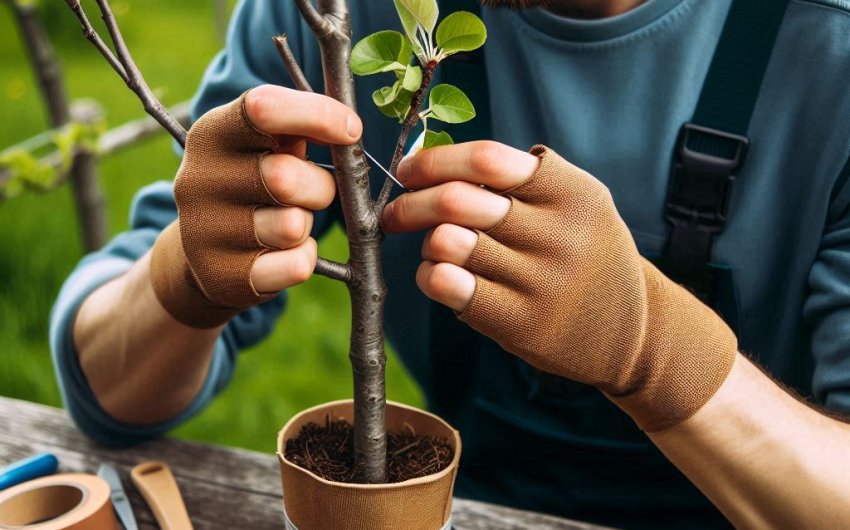
To begin grafting fruit trees at home, you'll need a healthy rootstock and scion wood, along with sharp grafting tools and grafting tape. The core principle involves joining the cambium layers of two different plant parts so they grow together, creating a new, combined plant. This beginner's guide will help you understand the process and achieve success.
What is Grafting and Why is it Useful for Fruit Trees?
Grafting is an ancient horticultural technique where parts of two different plants are joined together so they grow as one. In the context of fruit trees, it involves taking a shoot or bud from one tree (the scion) and attaching it to the root system of another tree (the rootstock). The goal is for the vascular tissues (cambium layers) of both pieces to align and fuse, allowing water and nutrients to flow between them. This creates a single, new plant that combines desirable traits from both components.
The usefulness of grafting fruit trees is extensive, offering numerous benefits to home gardeners and commercial growers alike:
1. Growing Desirable Varieties
Perhaps the most common reason for grafting is to reproduce a specific fruit variety. Many popular fruit tree varieties, like 'Honeycrisp' apples or 'Washington Navel' oranges, don't grow true from seed. This means if you plant a seed from these fruits, the resulting tree won't produce the same fruit as the parent. Instead, you'll likely get a tree that produces inferior, wild-type fruit. Grafting ensures that the scion will produce fruit identical to the tree it came from. This is crucial for maintaining the genetic purity and quality of your desired fruit.
2. Controlling Tree Size
The rootstock plays a significant role in determining the ultimate size of the mature fruit tree. Different rootstocks are available that can produce dwarf, semi-dwarf, or standard-sized trees.
- Dwarf Rootstocks: Ideal for small gardens, container growing, or high-density orchards. They lead to smaller trees that are easier to prune, spray, and harvest.
- Semi-Dwarf Rootstocks: Offer a compromise, producing trees that are smaller than standard but still robust and productive.
- Standard Rootstocks: Result in large, full-sized trees, suitable for spacious areas where maximum yield is desired. This control over tree size is incredibly valuable for home gardeners with limited space.
3. Adapting to Soil and Climate Conditions
While a scion might produce excellent fruit, its natural root system might not be well-suited to your local soil type, pH, or climate. A particular rootstock can be chosen for its tolerance to:
- Poor Drainage: Some rootstocks are more tolerant of wet feet.
- Drought Conditions: Others are better at surviving periods of dryness.
- Disease Resistance: Many rootstocks are bred for resistance to common soil-borne diseases or pests in a particular region.
- Cold Hardiness: Certain rootstocks can impart a degree of cold hardiness to the overall tree, allowing you to grow varieties that might otherwise struggle in your climate. By combining a desirable fruit variety with a resilient rootstock, you create a fruit tree that is better adapted to your specific growing environment.
4. Repairing Damaged Trees
Grafting can be used to "bridge graft" or "approach graft" over damaged areas of a tree trunk, allowing nutrients and water to bypass the injury and reach the upper parts of the tree. This technique can save a valuable tree that might otherwise die.
5. Hastening Fruit Production
Grafted trees typically bear fruit much faster than trees grown from seed. A seedling might take 7-10 years to produce fruit, while a grafted tree can start bearing in 2-5 years, depending on the fruit type and rootstock. This is because the scion wood is already mature, fruit-bearing wood.
6. Creating Multi-Variety Trees (Fruit Cocktail Trees)
For the adventurous home gardener, grafting allows you to grow multiple varieties of fruit on a single tree, provided they are compatible. Imagine an apple tree producing Gala, Fuji, and Granny Smith apples, or a plum tree with different types of plums. This is a fantastic way to maximize harvest variety in a small space.
7. Pollination Needs
Some fruit trees require cross-pollination to produce fruit. By grafting a compatible pollinator variety onto your existing tree, you can ensure good fruit set without needing to plant a separate full-sized tree.
In essence, grafting empowers the gardener to customize their fruit trees, creating plants that are better suited to their specific desires and environmental conditions. It transforms a simple tree into a tailored, productive asset for the home garden.
What Tools and Materials Do I Need for Grafting Fruit Trees?
Before you begin the exciting process of grafting fruit trees at home, it's essential to gather the right tools and materials. Having everything ready and in good condition will significantly increase your chances of success.
Essential Grafting Tools:
- Grafting Knife: This is the most crucial tool. A specialized grafting knife has a single bevel (a chisel-like edge) on one side, allowing for incredibly flat and clean cuts, which are essential for good cambium contact.
- Recommendation: Look for a high-quality stainless steel blade that holds an edge well. Victorinox Grafting Knife is a popular choice among serious grafters.
- Sharpness: It cannot be stressed enough: your grafting knife must be razor sharp. A dull knife will crush tissues, leading to poor unions. You'll also need a sharpening stone or whetstone to maintain this sharpness.
- Pruning Shears/Bypass Pruners: For cutting thicker rootstock or scion wood to length. Ensure they are sharp and clean. Fiskars Bypass Pruning Shears are a reliable option.
- Whetstone/Sharpening Stone: Absolutely necessary to maintain the razor edge of your grafting knife.
- Rubbing Alcohol or Bleach Solution: For sterilizing all your cutting tools before and between each graft. This prevents the spread of diseases. A 10% bleach solution (1 part bleach to 9 parts water) works well.
- Grafting Tape: This specialized tape is designed to hold the scion and rootstock firmly together, providing close contact between the cambium layers. It's usually self-adhesive, stretchy, and degrades over time, so it doesn't girdle the growing tree.
- Types: Look for biodegradable grafting tape or parafilm. Parafilm Grafting Tape is excellent for wrapping both the union and the scion to prevent desiccation.
- Grafting Wax or Compound: Applied over the entire graft union (after taping) and often over the tip of the scion. Its purpose is to seal the union, prevent moisture loss, and protect against pests and diseases while the graft heals.
- Alternatives: Some grafters use Tree Sealing Compound or even melted beeswax.
Materials You Need to Collect:
- Rootstock: This is the lower part of the grafted tree, providing the root system.
- Source: You can buy bare-root rootstock from nurseries, or use a seedling of a compatible fruit tree, or even an existing tree in your yard.
- Compatibility: Ensure the rootstock is compatible with your chosen scion wood. For example, apple scions need apple or pear rootstock, not stone fruit rootstock.
- Health: Choose a healthy, disease-free rootstock with active cambium (living tissue just under the bark).
- Scion Wood (Scion): This is the upper part of the grafted tree, which will become the new branches and produce the desired fruit.
- Source: Collect scion wood from a healthy, dormant fruit tree of the variety you want to graft.
- Timing: The best time to collect scion wood is typically in late winter or early spring, after the leaves have fallen but before the buds begin to swell.
- Selection: Choose one-year-old wood (growth from the previous season). It should be about pencil-thickness, straight, and have 3-4 healthy buds. Avoid wood with flower buds if possible, as vegetative buds are preferred for grafting.
- Storage: Once collected, store scion wood carefully to keep it dormant and prevent dehydration. Wrap it in a damp paper towel, place it in a plastic bag, and store it in the refrigerator (not freezer) away from ripening fruit (which releases ethylene gas that can break dormancy).
- Buckets of Water: To keep your rootstock hydrated if you're working with bare-root material, and to quickly rinse tools.
- Permanent Marker: For labeling your grafted trees with the variety and date.
- Gloves: To protect your hands from sharp tools and sticky grafting compounds.
Having all these items ready, clean, and sharp before you start will make the grafting fruit trees at home process much smoother and increase your chances of creating thriving fruit trees.
When is the Best Time for Grafting Fruit Trees?
Timing is absolutely critical for successful grafting fruit trees at home. Hitting the right window significantly increases the chances of the scion and rootstock forming a strong union.
Optimal Grafting Season: Late Winter to Early Spring
The best time for most types of grafting fruit trees is during the late winter to early spring, specifically when the rootstock is just beginning to break dormancy, but the scion wood is still completely dormant.
- Why this timing?
- Rootstock Sap Flow: As temperatures rise in spring, the rootstock begins to wake up and sap starts to flow. This "push" of sap helps nourish the scion and encourages the formation of new cambium cells, which are vital for the graft union to heal.
- Dormant Scion: The scion wood needs to be dormant. If the scion's buds have already started to swell or leaf out, it will be expending energy on growth rather than healing, reducing the likelihood of a successful union.
- Active Cambium: During this period, the cambium layers of both the rootstock and scion are actively dividing cells, which is exactly what you need for them to fuse together.
General Guidelines by Region/Climate:
- Temperate Climates: Typically March through April are prime grafting months.
- Warmer Climates: May be as early as February.
- Colder Climates: May extend into May.
It's crucial to observe your local tree's development rather than relying solely on calendar dates. Look for:
- Rootstock buds swelling, but not open.
- Scion wood still firm and dormant, with no green showing.
Scion Wood Collection and Storage:
To ensure you have dormant scion wood during the grafting season, you'll need to collect it earlier, usually in late winter (January or February in most temperate zones) when trees are fully dormant.
Steps for Scion Wood Collection and Storage:
- Select Healthy Wood: Choose one-year-old growth (smooth, not rough bark), about pencil thickness, with healthy, plump buds. Avoid diseased or damaged wood.
- Collect from Desired Variety: Make sure you are taking wood from the specific fruit tree variety you want to graft.
- Cut Sections: Cut sections that are 6-12 inches long, making sure each section has at least 3-5 good buds.
- Label Immediately: Label each section clearly with the variety name and date collected. This is crucial to avoid mixing up varieties.
- Prepare for Storage:
- Wrap bundles of scion wood in a slightly damp paper towel, peat moss, or sawdust.
- Place them in a plastic bag (like a Ziploc bag) and seal it.
- Store in the refrigerator (not freezer) at a temperature between 35-40°F (1-4°C).
- Keep away from ripening fruits (apples, bananas), as they release ethylene gas that can break dormancy.
- Check Periodically: Every few weeks, check the scion wood to ensure it's still firm and the paper towel is slightly damp. Re-dampen if necessary.
Considerations for Specific Grafting Types:
While most common grafts (like whip-and-tongue or cleft graft) follow the late winter/early spring timing, some specialized grafts have different optimal windows:
- Budding (T-budding, Chip budding): Often performed in mid-summer when the bark "slips" easily (meaning it separates easily from the wood beneath) and the buds for next year's growth have matured.
- Bridge Grafting: Can be done any time the sap is flowing, typically spring.
For a beginner's guide to grafting fruit trees at home, focusing on the late winter to early spring timing for collecting dormant scion wood and then making the graft when the rootstock is just waking up will provide the highest chance of success.
How Do I Prepare My Rootstock and Scion Wood for Grafting?
Proper preparation of both your rootstock and scion wood is paramount for a successful grafting fruit tree union. Cleanliness, freshness, and precise cuts are key.
Preparing the Scion Wood:
You collected and stored your scion wood in late winter while it was dormant. Now, it's time to get it ready for grafting day.
- Remove from Storage: Take your desired scion wood bundles from the refrigerator.
- Inspect: Check that the wood is still firm, plump, and free of mold. Discard any shriveled or moldy pieces.
- Select Scion Piece:
- Choose a section that is about pencil thickness.
- Each scion piece should have 2-4 healthy, well-formed buds. These are the buds that will grow into the new branches.
- Make sure there are no flower buds, which tend to be fatter and rounder. You want vegetative (leaf) buds.
- Make Clean Cuts:
- Use your sharp, sterilized grafting knife.
- Make a diagonal cut at the bottom of the scion (the end that will attach to the rootstock). This cut should be clean and smooth, without any tearing or crushing. The length and angle of this cut will depend on the specific grafting technique you're using (e.g., a long, thin cut for whip-and-tongue, or a wedge for a cleft graft).
- Make a flat cut at the top of the scion, typically just above the uppermost bud. This cut helps seal the top.
- Keep Hydrated: Once cut, don't let the scion wood dry out. You can keep it wrapped in a damp cloth or immerse the cut end in a small container of water until you're ready to make the graft.
- Keep Clean: Avoid touching the cut surfaces of the scion wood with your bare hands, as oils and contaminants can hinder healing.
Preparing the Rootstock:
The rootstock should be a healthy plant, either an existing tree or a bare-root seedling, and ideally just beginning to show signs of breaking dormancy (buds swelling).
- Choose the Grafting Point:
- For bare-root rootstock, you'll typically graft closer to the root collar (where the roots meet the stem), usually 6-12 inches above the soil line.
- For existing trees, choose a branch or trunk section that is roughly the same diameter as your scion wood for better cambium alignment. Select a smooth section free of knots or branches.
- Clean the Area: Wipe down the chosen grafting area on the rootstock with a clean cloth to remove any dirt or debris.
- Make the Primary Cut (Depending on Graft Type):
- For Cleft Graft: Cut the rootstock straight across using pruning shears. Then, use your grafting knife to make a vertical split down the center of the cut end.
- For Whip-and-Tongue Graft: Make a long, smooth, diagonal cut on the rootstock that matches the angle of the cut on your scion.
- For Bark Graft: Make a straight cut across the rootstock, then prepare the bark for the insertion of the scion.
- Match Cambium Layers: The most critical aspect of rootstock preparation is understanding the cambium layer. This is the thin, green, slimy layer just beneath the bark. When you make your cuts, you need to ensure that the cambium of the scion makes contact with the cambium of the rootstock for successful healing.
- Keep Moist: Once cuts are made, work quickly. The exposed cambium layers will dry out rapidly, so proceed with the graft immediately.
Sterilization: Your Best Friend
Throughout the entire preparation process, sterilization of your tools is non-negotiable.
- Before You Start: Sterilize your grafting knife and pruning shears thoroughly with rubbing alcohol or a 10% bleach solution.
- Between Each Graft: Re-sterilize your tools after each graft, especially if you're grafting multiple plants or varieties. This prevents the spread of diseases from one plant to another.
By meticulously preparing your scion wood and rootstock, you're setting the stage for a strong and successful union, bringing you closer to thriving fruit trees from your home grafting efforts.
What are the Main Types of Grafting for Fruit Trees?
There are several methods for grafting fruit trees, each suited for different scenarios, rootstock and scion sizes, and skill levels. For beginners, focusing on a couple of simpler, highly successful techniques is recommended. Here, we'll cover the most common types you'll encounter when grafting fruit trees at home.
1. Whip-and-Tongue Graft
This is one of the most popular and reliable grafts for fruit trees, especially for small-diameter wood (pencil-thickness to 1/2 inch) where the rootstock and scion are of similar diameter. It creates a very strong union due to the interlocking "tongues" and large cambium contact area.
- When to Use: Ideal for new rootstock seedlings or side branches on existing trees.
- Advantages: Strong union, good cambium contact, high success rate.
- Steps:
- Primary Cut: Make a long, smooth, upward-sloping diagonal cut (about 1.5-2 inches long) on both the scion and the rootstock. Ensure the cuts are identical in length and angle.
- Tongue Cut: On the cut surface of both the scion and rootstock, make a second short, downward cut (about 1/3 way from the top of the initial cut), creating a "tongue."
- Interlock: Carefully interlock the scion and rootstock by fitting the tongue of one into the cut of the other. Ensure the cambium layers on at least one side (ideally both) are perfectly aligned.
- Secure: Firmly wrap the union with grafting tape, ensuring it's tight and completely covers the cut surfaces.
- Seal: Apply grafting wax or compound over the tape and the entire exposed scion wood, especially the tip, to prevent moisture loss.
2. Cleft Graft
The cleft graft is versatile and often used when the rootstock is significantly larger than the scion wood, such as grafting onto an established tree or a larger branch.
- When to Use: Top-working existing trees, or when rootstock is 1-2 inches in diameter.
- Advantages: Can accommodate multiple scions, good for larger rootstock.
- Steps:
- Rootstock Cut: Cut the rootstock branch or trunk straight across with pruning shears.
- Split Rootstock: Using a grafting knife and a mallet (or a small hammer), carefully make a vertical split (cleft) about 2-3 inches deep down the center of the rootstock's cut end. You might use a small wedge (like a screwdriver) to keep the cleft open.
- Prepare Scion: Prepare 1-2 scions (each with 2-3 buds) by making a long, tapering wedge cut on two opposite sides of the bottom of the scion. The tip of the wedge should be slightly thicker on the outer edge.
- Insert Scion(s): Carefully insert one or two scions into the cleft, ensuring that the cambium layer on the outer edge of the scion aligns perfectly with the cambium layer of the rootstock. If using two scions, place one on each side of the cleft.
- Remove Wedge & Secure: Carefully remove the opening wedge (if used), allowing the rootstock to pinch the scions firmly. Then, wrap the entire union tightly with grafting tape.
- Seal: Apply grafting wax or compound over the entire union and all exposed cut surfaces of the scion and rootstock to prevent desiccation.
3. Bark Graft (Rind Graft)
The bark graft is another method for grafting a scion onto a much larger rootstock or branch. It's often used when the bark of the rootstock is easily "slipping" (separating from the wood), typically later in the spring than cleft grafts.
- When to Use: Top-working large rootstock or established branches, when sap flow is strong.
- Advantages: Relatively easy, can graft multiple scions onto a single rootstock.
- Steps:
- Rootstock Cut: Cut the rootstock branch straight across.
- Prepare Scion: Make a long, single sloping cut (like a very long wedge) on one side of the scion's base, and a very short, shallow cut on the opposite side.
- Prepare Rootstock Bark: Make one or two parallel vertical slits (about 1-2 inches long) through the bark of the rootstock, starting from the cut edge. You might gently pry the bark open slightly at the top.
- Insert Scion: Gently slide the prepared scion under the bark flaps of the rootstock, ensuring the long cut surface of the scion faces the wood of the rootstock, and its cambium aligns with the rootstock's cambium. The shoulder of the scion should rest on the top edge of the rootstock.
- Secure: Secure the scion by carefully nailing it in place with small brad nails (optional but helpful) or wrapping it tightly with grafting tape.
- Seal: Generously apply grafting wax or compound over all exposed cuts, including the top of the rootstock, the graft union, and the top of the scion.
4. Budding (T-Budding and Chip Budding)
Instead of a scion (a piece of stem with multiple buds), budding uses a single bud from the desired variety. It's very efficient in terms of scion wood usage.
- When to Use: Typically in summer when the bark is "slipping" easily and the buds for the next year have matured.
- Advantages: Efficient use of scion wood, can be very successful.
- Types:
- T-Budding: Involves making a "T" shaped cut in the rootstock bark, lifting the flaps, and inserting a bud with a small piece of bark.
- Chip Budding: Involves removing a small "chip" of wood and bark with a bud from the scion and inserting it into a matching cut on the rootstock.
- Steps: Varies significantly by type, but generally involves removing a bud with a small amount of surrounding wood/bark, making a matching incision on the rootstock, inserting the bud, and wrapping tightly.
For beginners to grafting fruit trees at home, mastering the whip-and-tongue graft is an excellent starting point due to its high success rate and the strong union it forms. Once comfortable, you can explore cleft grafting for larger rootstock or top-working existing fruit trees. Remember, practice makes perfect!
Step-by-Step Guide: Performing a Whip-and-Tongue Graft
The whip-and-tongue graft is highly recommended for beginners due to its strong union and high success rate when done correctly. It's ideal for joining rootstock and scion wood of similar diameter (pencil-thickness to 1/2 inch). Follow these steps carefully to master grafting fruit trees at home.
Before You Start:
- Sterilize: Ensure your grafting knife and pruning shears are razor-sharp and thoroughly sterilized with rubbing alcohol or a 10% bleach solution.
- Scion Wood: Have your dormant scion wood (collected earlier and refrigerated) ready. Select a piece with 2-4 healthy buds.
- Rootstock: Your rootstock (bare-root seedling or an existing branch) should be healthy and just starting to show signs of breaking dormancy.
- Workspace: Choose a clean, comfortable, and well-lit workspace.
Step 1: Make the Primary Cut on the Rootstock
- Choose Grafting Point: Select a smooth section on the rootstock, free of knots, preferably 6-12 inches above the root collar (for bare-root) or on a suitable branch.
- Initial Cut: Using your sharp grafting knife, make a long, smooth, upward-sloping diagonal cut. This cut should be approximately 1.5 to 2 inches long, and the angle should be shallow (about 25-30 degrees) to maximize cambium contact. Make this cut with one continuous, confident stroke if possible. Protect your fingers! Use a grafting aid or cut away from your body.
Step 2: Make the Primary Cut on the Scion
- Match Angle: Take your selected scion wood. Make an identical long, smooth, downward-sloping diagonal cut on the bottom end of the scion. This cut must precisely match the length and angle of the cut you made on the rootstock.
- Match Diameter: Ensure that at least one side of the scion's cut surface will align perfectly with the rootstock's cambium. The goal is to match diameters as closely as possible for maximum contact.
Step 3: Create the "Tongue" on the Rootstock
- Position Knife: About one-third of the way down from the top point of the primary cut on the rootstock, place your grafting knife blade.
- Cut Downwards: Make a short, downward, internal cut into the wood, parallel to the main cut surface, forming a "tongue." This cut should be about 0.5 to 0.75 inches long and should not go all the way through the branch.
Step 4: Create the "Tongue" on the Scion
- Position Knife: Similarly, on the cut surface of the scion, place your grafting knife blade about one-third of the way up from the bottom point of the primary cut.
- Cut Upwards: Make a short, upward, internal cut into the wood, parallel to the main cut surface, creating another "tongue." Again, this cut should not go all the way through.
Step 5: Interlock the Scion and Rootstock
- Careful Alignment: Gently interlock the scion and rootstock by fitting the tongue of one into the cut of the other. They should slide together snugly.
- Cambium Contact: This is the most critical part. Ensure that the cambium layers (the thin, greenish layer just under the bark) of both the scion and the rootstock align perfectly on at least one side. Perfect alignment on both sides is ideal, but one side is sufficient for a successful graft. Work quickly to prevent the exposed surfaces from drying out.
Step 6: Secure the Graft Union with Grafting Tape
- Wrap Tightly: Starting below the union, begin wrapping grafting tape firmly and consistently around the joined sections. Overlap each wrap slightly.
- Complete Coverage: Ensure the tape completely covers all cut surfaces, leaving no exposed areas where moisture can escape or pathogens can enter. Wrap upwards, extending slightly above the union and covering the very bottom part of the scion.
- Tension: Apply enough tension to hold the union securely in place, but not so much that you cut into the bark. The tape should hold the two pieces firmly together. Parafilm Grafting Tape is excellent for this.
Step 7: Seal the Graft Union and Scion
- Apply Sealer: Apply a generous layer of grafting wax or compound over the entire taped union.
- Seal Scion Tip: Crucially, also cover the entire exposed portion of the scion wood, including the tip and all buds, with grafting wax or Parafilm. This prevents the scion from drying out before the graft takes. Tree Sealing Compound can be effective.
Step 8: Label Your Graft
- Identify: Use a permanent marker or a durable tag to label the grafted tree with the variety of the scion wood and the date of grafting. This is vital for future identification, especially if you're grafting multiple varieties.
By following these detailed steps, you'll be well on your way to successfully grafting fruit trees at home using the reliable whip-and-tongue method. Remember, practice improves precision and confidence.
What Are the Essential Aftercare Steps for a Newly Grafted Fruit Tree?
Successfully grafting fruit trees at home is only half the battle; proper aftercare is just as important to ensure the graft union heals and your new tree thrives. Neglecting aftercare can lead to graft failure, even if the initial graft was perfect.
1. Monitor for Growth (Patience is Key!)
- Initial Waiting Period: Don't expect immediate growth. It can take anywhere from 2 to 6 weeks, or sometimes longer, for the buds on the scion to swell and show signs of life. Be patient.
- Signs of Success: The first sign of a successful graft is the swelling of the buds on the scion wood, followed by the emergence of small leaves. If the buds start to green up and grow, congratulations, your graft has likely taken!
- Signs of Failure: If the scion wood shrivels, turns black, or molds without any bud swell, the graft has likely failed.
2. Provide Optimal Environment
- Consistent Moisture (Rootstock): Ensure the rootstock (and its root system) is kept consistently moist, but not waterlogged. The rootstock needs to be healthy and actively pushing sap to support the healing graft.
- Protection from Extremes:
- Sun: Protect the newly grafted tree from intense direct sun, especially in hot climates, which can cause the scion to dry out. A temporary shade cloth or placing the potted graft in a slightly shaded area can help.
- Wind: Strong winds can dislodge the graft or cause it to dry out. Provide some wind protection.
- Pests/Animals: Protect young grafts from rabbits, deer, or other pests that might chew on the tender new growth.
3. Manage Rootstock Growth Below the Graft
- Remove Rootstock Suckers: The rootstock will inevitably try to send out its own shoots (suckers) below the graft union. It's crucial to remove these immediately and regularly. If left to grow, these suckers will compete with the scion for energy and nutrients, weakening the graft and potentially causing it to fail. Prune them off cleanly as soon as you see them.
- Remove Buds on Rootstock (Below Graft): Similarly, any buds on the rootstock below the graft that attempt to sprout should be rubbed off or carefully removed.
4. Remove Grafting Tape/Wax (Eventually)
- Grafting Tape: Most modern grafting tapes (like Parafilm) are designed to degrade over time. However, if using non-degradable tape, or if the tape feels too tight, you may need to loosen or remove it after the graft has visibly taken and shows strong growth (typically after a few months to a year). If left on too long, it can "girdle" (constrict) the growing stem, hindering sap flow.
- Grafting Wax: The wax will naturally crack and degrade over time. You don't usually need to remove it, but ensure it remains sealed in the critical early weeks.
5. Provide Support for New Growth
- Staking: As the scion starts to grow, it can put stress on the newly formed graft union, especially if subjected to wind or heavy rain. Provide a sturdy stake to support the new growth, tying it loosely (with flexible tie material like Tree Tie Roll) to the main rootstock stem. This helps prevent the scion from breaking off at the union.
6. Pruning and Training the New Scion
- Initial Pinching (Optional): Once the scion has grown a few inches, you can consider lightly pinching back the tip to encourage branching, but this is often done later, once the union is very strong.
- Future Pruning: As the new grafted fruit tree grows, it will require normal pruning and training practices for its specific type of fruit tree to establish a strong structure and encourage fruit production.
By diligently following these aftercare steps, you'll significantly increase the longevity and productivity of your newly grafted fruit trees, turning your home grafting efforts into thriving fruit trees for years of delicious harvests.
Troubleshooting Common Grafting Failures and What Went Wrong
Even with the best intentions and techniques, grafting fruit trees at home doesn't always go perfectly for beginners. Understanding common reasons for failure can help you learn from mistakes and improve your success rate on future grafts.
1. Scion Died/Dried Out (Most Common Failure)
- Symptoms: The scion wood shrivels, turns brown, black, or appears dehydrated without any buds swelling.
- What Went Wrong:
- Poor Scion Storage: The scion wood wasn't kept truly dormant or was allowed to dry out during storage (e.g., plastic bag not sealed, kept too warm, ethylene exposure).
- Inadequate Sealing: The graft union or the scion itself wasn't properly sealed with grafting tape or wax, allowing too much moisture loss. Air pockets around the union also contribute.
- Delayed Grafting: Too much time passed between preparing the cuts and completing the graft, allowing the cambium surfaces to dry out.
- Excessive Heat/Sun: The newly grafted tree was exposed to too much direct sun or high temperatures before the union could heal, causing the scion to desiccate.
- Solution: Ensure scion wood is collected and stored perfectly. Work quickly once cuts are made. Use ample grafting tape (like Parafilm) and grafting wax to create an airtight seal around the entire scion. Provide some shade for the newly grafted plant if temperatures are high.
2. No Growth/Buds Don't Swell (Poor Cambium Contact)
- Symptoms: The scion wood remains green and appears healthy, but the buds never swell or break dormancy, and no new growth appears.
- What Went Wrong:
- Mismatched Cambium: The cambium layers of the scion and rootstock did not align adequately. Even a slight misalignment can prevent the vascular tissues from connecting and transporting water and nutrients.
- Poor Cuts: Cuts were not clean, smooth, or flat. Crushed or torn cambium tissue cannot fuse properly.
- Lack of Firmness: The grafting tape wasn't wrapped tightly enough, resulting in an unstable union and preventing close cambium contact.
- Solution: Focus on perfecting your cutting technique. Use a razor-sharp grafting knife and practice clean, flat cuts. Pay meticulous attention to aligning the cambium layers, even if it's just on one side. Wrap the graft union very tightly and securely.
3. Graft Broke Off (Weak Union)
- Symptoms: The scion may have started to grow, but then broke off at the graft union due to wind, an animal, or its own weight.
- What Went Wrong:
- Insufficient Support: The newly formed union was not strong enough to withstand external forces or the weight of new growth. This is especially common if staking wasn't provided.
- Premature Removal of Tape: The grafting tape was removed too early, before the union had fully strengthened.
- Poor Initial Union: Even if growth started, the underlying cambium contact might have been minimal, leading to a weak overall connection.
- Solution: Always provide staking and support for newly grafted trees, especially in windy areas. Do not remove grafting tape prematurely; allow the union to visibly thicken and become robust. Re-evaluate your cambium alignment and wrapping technique.
4. Rootstock Outgrows Scion (Dominance of Rootstock)
- Symptoms: The rootstock vigorously sends out new shoots and leaves below the graft union, while the scion remains stunted or fails to grow.
- What Went Wrong:
- Failure to Remove Suckers: The rootstock's natural tendency to produce its own growth (suckers) was not managed. These suckers divert energy away from the scion.
- Incompatible Varieties: Though less common, sometimes the scion and rootstock are incompatible, and the rootstock "rejects" the scion.
- Solution: Be diligent about removing all growth from the rootstock below the graft union as soon as it appears. This forces the rootstock to direct all its energy into supporting the scion.
5. Girdling (Tape Left on Too Long)
- Symptoms: A constriction or indentation appears at the graft union, often leading to swelling above the tape and poor growth beyond it.
- What Went Wrong: Non-biodegradable grafting tape was left on for too long, constricting the growth of the expanding stem and interrupting sap flow.
- Solution: Use biodegradable grafting tape (like Parafilm) that will break down naturally. If using non-degradable tape, loosen or carefully remove it once the graft is firmly established and actively growing (usually a few months to a year after grafting).
Grafting fruit trees at home is a skill that improves with practice. Don't be discouraged by initial failures. Each attempt is a learning opportunity. Analyze what went wrong, adjust your technique, and you'll soon be successfully producing your own thriving fruit trees.