
How to Attract Bats to Your Garden for Natural Pest Control?
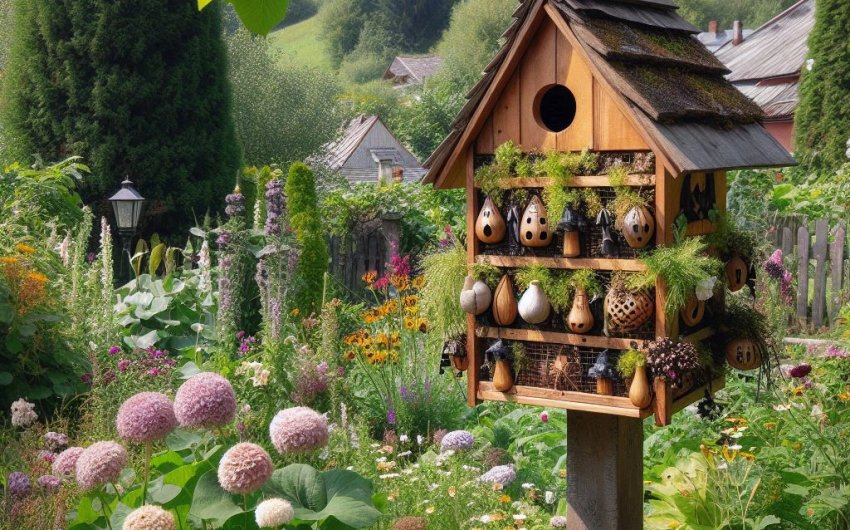
To attract bats to your garden for natural pest control, you should provide suitable roosting sites like bat houses, ensure a consistent water source, minimize outdoor lighting, and plant night-blooming or fragrant flowers to attract the insects bats feed on. Creating a bat-friendly habitat encourages these nocturnal predators to patrol your garden.
Why Attract Bats for Natural Pest Control?
Bats are often misunderstood creatures, shrouded in myth and fear. However, in a garden setting, they are invaluable allies, offering a highly effective and eco-friendly solution for pest control. Attracting bats can significantly reduce insect populations, leading to a healthier and more productive garden without relying on chemical pesticides.
1. Voracious Insect Eaters
- Nighttime Hunters: The most compelling reason to attract bats is their incredible appetite for insects, especially during their nightly foraging flights. Most bats active in temperate garden settings are insectivores.
- Massive Consumption: A single small bat (like a little brown bat) can consume thousands of insects in a single night, including many common garden pests. Some estimates suggest a colony of 100 bats can eat hundreds of thousands of insects per night.
- Targeting Problem Pests: Their diet includes a wide range of nuisance insects and garden destroyers such as:
- Mosquitoes: A huge benefit for human comfort.
- Moths: Including the adults of notorious garden pests like tomato hornworm, cabbage looper, and corn earworm.
- Beetles: Various types of beetles that can damage foliage.
- Gnats, Midges, and other small flies.
- Reduced Damage: By significantly reducing the populations of these insect pests, bats help protect your vegetable crops, fruit trees, and ornamental plants from damage.
2. Eco-Friendly and Sustainable Pest Management
- Chemical-Free: Attracting bats offers a completely natural, chemical-free alternative to synthetic pesticides. This protects the environment, beneficial insects (like pollinators), and your own health.
- Part of a Balanced Ecosystem: Encouraging bats promotes biodiversity and contributes to a healthier, more balanced garden ecosystem where natural predators keep pests in check.
- Long-Term Solution: Once a bat colony establishes a roost in your garden, they provide ongoing pest control year after year with minimal effort on your part.
3. Reduced Use of Pesticides
- When natural predators like bats are present and active, there's less need to resort to chemical sprays. This saves money, reduces labor, and makes your garden a safer place for family, pets, and wildlife.
4. Conservation Efforts
- Many bat species are facing population declines due to habitat loss, disease (like White-Nose Syndrome), and pesticide use. By creating a bat-friendly environment in your garden, you contribute to bat conservation efforts.
- Educating others about the benefits of bats can help dispel myths and encourage broader appreciation for these vital creatures.
Attracting bats is a win-win situation: you get effective natural pest control, and you support crucial wildlife conservation, all while fostering a healthier, more vibrant garden.
What Do Bats Need to Thrive in a Garden Environment?
To successfully attract bats to your garden, you need to provide the essential elements they require for survival and comfort. These typically include roosting sites, a reliable water source, and a consistent food supply.
1. Roosting Sites (Shelter)
Bats are particular about their daytime roosts, which offer protection from predators and the elements.
- Bat Houses: The most common and effective way to provide artificial roosts.
- Types: Single-chamber, double-chamber, or multi-chamber designs. Multi-chamber houses are generally preferred as they offer a variety of temperatures and spaces.
- Material: Untreated wood (cedar, pine, plywood) is best. Avoid treated wood or metal.
- Color: Dark colors (dark brown, black) are best in cooler climates to absorb heat. Lighter colors may be better in very hot climates.
- Texture: Rough, unplaned wood inside for bats to grip. Roughen smooth interior surfaces with a wire brush or by scoring.
- Placement:
- Height: Mount 12-20 feet high on a pole or the side of a building. Avoid trees, as branches provide easy access for predators (owls, raccoons, snakes).
- Sun Exposure: Place in a spot that receives at least 6-8 hours of direct sun per day (south or east-facing in Northern Hemisphere). Bats need warmth to regulate their body temperature.
- Open Space: Ensure there's a clear flight path (20-25 feet) to the bat house entrance.
- Grouping: If putting up multiple houses, place them about 20 feet apart.
- Multi-Chamber Bat House
- Existing Structures: If you have an old shed, barn, or attic, ensure there are small cracks or crevices (1/2 to 1 inch wide) that bats can access. Do not seal up potential entry points unless you are certain bats are not currently using them (check at dusk/dawn).
- Trees (Less Ideal): While bats naturally roost in trees (under bark, in cavities), placing bat houses on trees is generally discouraged due to increased predator access. However, large, mature trees with loose bark or hollows can still provide natural roosts.
2. Water Source
- Bats need a reliable source of fresh water for drinking.
- Options: A pond, stream, or even a large bird bath with shallow edges can suffice. Ensure the water source is accessible and doesn't dry up.
- Considerations: If using a bird bath, make sure it's large enough for bats to dip and drink while flying. A Large Bird Bath for Wildlife can work.
3. Food Supply (Insects)
- This is where your gardening practices come in. Attract a diverse range of nocturnal insects that bats prey on.
- Methods:
- Plant Night-Blooming Flowers: Flowers that release fragrance or open at night attract moths and other nocturnal insects.
- Reduce Chemical Pesticides: Broad-spectrum pesticides eliminate the very food source bats rely on. Adopt organic or integrated pest management strategies.
- Increase Garden Biodiversity: A diverse garden with various plants supports a wider range of insect life, providing a consistent food supply.
By thoughtfully providing these three essential elements – shelter, water, and food – you significantly increase the chances of attracting and retaining a bat colony for natural pest control in your garden.
How Do I Create a Food Source for Bats in My Garden?
Bats are insectivores, so providing a consistent and abundant supply of their preferred prey is crucial for attracting them. This means creating a garden environment that supports a healthy population of nocturnal insects, particularly moths and beetles.
1. Plant Night-Blooming and Fragrant Flowers
Many insects that bats eat are active at night. Night-blooming flowers attract these insects by releasing their fragrance in the evening.
- Evening Primrose (Oenothera biennis): Beautiful yellow flowers that open at dusk and are highly attractive to moths.
- Nicotiana (Flowering Tobacco): Highly fragrant tubular flowers in white, pink, or lime green that open at night and attract sphinx moths (hawk moths).
- Moonflower (Ipomoea alba): Large, white, trumpet-shaped flowers that open at night and have a strong, sweet scent. A vine that needs support.
- Four O'Clocks (Mirabilis jalapa): Fragrant, trumpet-shaped flowers that open in the late afternoon and evening.
- Night-Blooming Jasmine (Cestrum nocturnum): Intensely fragrant white flowers that are most potent at night.
- Honeysuckle (Lonicera spp.): Many varieties, especially vining types, are highly fragrant in the evening and attract moths. Choose native varieties to avoid invasiveness.
- Moonflower Seeds
2. Plant Diversity and Native Species
- Support a Broad Insect Base: A diverse garden ecosystem, with a variety of native plants, will naturally support a broader range of insect life throughout the season. This provides a more consistent food supply for bats.
- Native Plants: Native plants are often adapted to local conditions and support local insect populations (both pest and beneficial) better than non-native species.
3. Reduce or Eliminate Chemical Pesticides
- Crucial Step: This is paramount. Broad-spectrum pesticides, even organic ones, kill the very insects that bats feed on. If you want bats (or any beneficial wildlife) in your garden, you must stop using persistent pesticides.
- Embrace IPM: Adopt Integrated Pest Management (IPM) strategies, focusing on cultural controls (healthy plants), mechanical controls (hand-picking), biological controls (beneficial insects), and only resorting to targeted, least-toxic sprays when absolutely necessary.
- Consider the Food Chain: Remember that insects are food for bats. If you eliminate their food source, bats will not linger.
4. Provide Water
- As mentioned in the previous section, a reliable water source (pond, large bird bath) also attracts insects, indirectly boosting the food supply for bats.
By cultivating a garden that embraces natural insect populations, particularly those active at night, you provide an irresistible dining hall for bats, encouraging them to make your garden their hunting ground.
How Do I Ensure Safe and Appropriate Roosting Sites for Bats?
Providing a bat house is an excellent way to attract bats, but simply putting one up isn't enough. The placement, type, and maintenance of the bat house are critical for success and safety.
1. Choose the Right Bat House
- Multi-Chamber is Best: Bat houses with multiple chambers (2 or more) provide a variety of temperature zones, allowing bats to move to the most comfortable spot throughout the day.
- Untreated Wood: Use rough, untreated lumber (cedar, pine, plywood). The rough surface inside helps bats grip. If the wood is smooth, score it with a saw or knife. Avoid pressure-treated wood, composites, or metal.
- Sealed Joints: Ensure all joints are tightly sealed to prevent drafts, which bats dislike. Use caulking or weather stripping.
- Landing Pad: A roughened landing pad below the entry slot provides an easy way for bats to enter and exit.
- Ventilation: Some designs include small ventilation slots at the bottom or sides for airflow, which can be crucial in warmer climates.
- Nesting Box Bat House
2. Optimal Placement is Key
This is arguably the most important factor after having a well-built house.
- Height: Mount the bat house at least 12 to 20 feet high (3.6 to 6 meters). This height provides safety from predators and good access.
- Location Type (Pole vs. Building):
- Best: On a sturdy wooden or metal pole (4x4 post or larger metal pole). This offers the most protection from ground predators.
- Good: On the side of a building (house, barn, shed) facing south or east (in the Northern Hemisphere). The building's mass helps retain heat.
- Avoid: On trees. Tree branches provide easy access for predators like raccoons, owls, and snakes. Also, tree canopies can block sunlight and create too much shade for the bat house.
- Sun Exposure: The bat house needs at least 6-8 hours of direct morning to early afternoon sun (south or east-facing in Northern Hemisphere). Bats need warmth to thermoregulate, and a warm house encourages them to roost. In very hot climates, partial afternoon shade might be beneficial, or choosing a lighter color for the house.
- Clear Flight Path: Ensure there is a minimum of 20-25 feet (6-7.5 meters) of clear space below and around the bat house entrance. Bats need unobstructed access to fly in and out. Avoid placing it near dense foliage or branches.
- Water Proximity: While not required to be directly over water, locating the bat house within 1/4 mile (400 meters) of a reliable water source (pond, lake, stream, large bird bath) significantly increases the chances of occupancy.
3. Maintenance and Monitoring
- Patience: It can take up to two years for bats to discover and occupy a new bat house. Don't get discouraged if it's not immediately occupied.
- Seasonal Checks: Occasionally check the bat house from a distance (at dusk/dawn to see if bats emerge) or look for guano (bat droppings) below the entrance, which indicates occupancy.
- Avoid Disturbing: Once occupied, avoid disturbing the bat house, especially during breeding season (typically spring and early summer).
- No Cleaning (Usually): Bat houses rarely need cleaning. Bats are clean animals, and their guano is beneficial as fertilizer.
By providing a well-constructed bat house in an optimal location, you create an inviting and safe home that can lead to a long-term partnership with these incredible natural pest controllers.
What Other Tips Help Attract Bats to Your Garden?
Beyond providing roosting sites, water, and food, several other tips can make your garden even more appealing to bats and contribute to their long-term presence.
1. Minimize Outdoor Lighting
- Light Pollution: Bats are nocturnal, and artificial outdoor lighting (especially bright, white lights) can disorient them, deter them from foraging, and make them more vulnerable to predators.
- Solution:
- Minimize or eliminate unnecessary outdoor lighting in your garden area.
- If lighting is essential, use low-intensity, yellow, or red LED lights, or motion-sensor lights that turn off quickly.
- Direct light downwards to avoid light pollution into the night sky.
- Motion Sensor Outdoor LED Lights
2. Avoid Disturbing Potential Roosts
- Old Buildings and Trees: If you have old sheds, barns, or mature trees with loose bark or cavities, these could be potential natural roosting sites. Avoid disturbing them or sealing up small cracks and openings without first ensuring no bats are present.
- Timing of Maintenance: If you suspect bats are present, perform tree pruning or building repairs outside of bat maternity season (typically late spring through mid-summer, when young are flightless) to avoid disturbing mothers and pups.
3. Educate Yourself and Others
- Dispelling Myths: Many people fear bats due to misconceptions. Educate yourself and your neighbors about the benefits of bats for pest control and ecosystem health. Understanding their role can lead to greater acceptance and support for bat conservation.
- Local Bat Species: Learn about the specific bat species native to your region. Knowing their habits and needs can help you tailor your efforts.
4. Provide a Variety of Habitats
- Layered Planting: A diverse garden with different heights of plants (trees, shrubs, perennials, groundcovers) provides a complex habitat for insects, which in turn benefits bats.
- Brush Piles or Log Piles: These can provide shelter for a variety of insects that bats prey on, and sometimes even shelter for bats themselves in more naturalized areas.
5. Be Patient
- Takes Time: It can take time for bats to discover and occupy new bat houses or integrate into a newly designed bat-friendly garden. Don't get discouraged if you don't see results immediately. It may take several months or even a few years for a colony to establish.
By combining these strategies with providing appropriate roosting sites, water, and food, you create a truly inviting and sustainable environment for bats, transforming them into valuable allies for natural pest control in your garden.