
How to Create a Mediterranean Garden in a Temperate Climate?
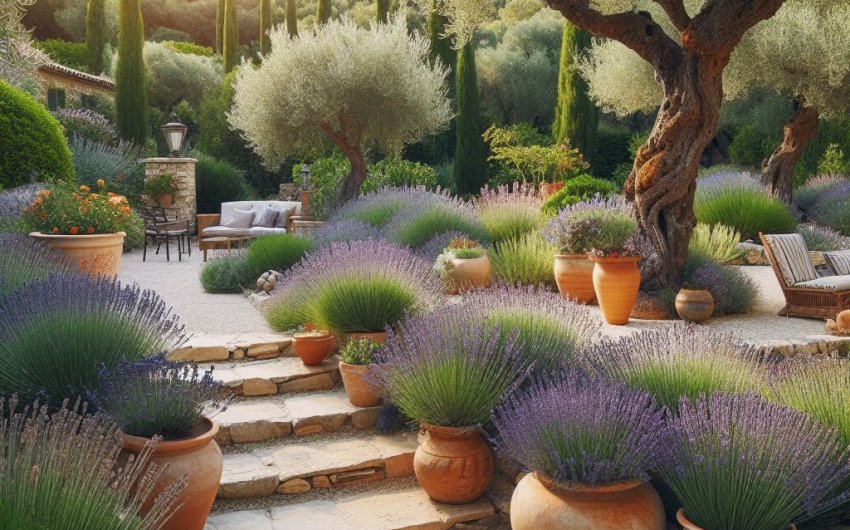
To create a Mediterranean garden in a temperate climate, focus on replicating the essential conditions: abundant sunlight, excellent drainage, and heat tolerance, often achieved through careful plant selection and soil amendment. Embrace key design elements like terracotta, gravel, and drought-tolerant, aromatic plants to evoke the region's iconic style, even where winters are cooler.
Why Create a Mediterranean Garden in a Temperate Climate?
The allure of a Mediterranean garden extends far beyond its native sunny shores. Many gardeners in temperate climates are drawn to this distinct style for its unique blend of beauty, resilience, and sensory richness. Embracing this aesthetic allows you to transform your outdoor space into a tranquil, sun-drenched oasis, even if you don't live in a true Mediterranean climate.
1. Aesthetic Appeal and Evoking a Sense of Place:
- Timeless Beauty: Mediterranean gardens are renowned for their rustic charm, vibrant colors, and aromatic scents. They conjure images of sun-drenched villas, ancient olive groves, and azure seas. Creating such a garden at home transports you to a vacation state of mind every time you step outside.
- Architectural Elements: The style heavily relies on hardscaping – terracotta pots, gravel pathways, stone walls, and stucco accents – which provide strong bones and year-round interest, regardless of the season.
- Sensory Experience: Beyond visual beauty, Mediterranean gardens are designed to engage all senses. The scent of lavender and rosemary on a warm day, the rustle of olive leaves, the texture of rough stone, and the taste of homegrown herbs create a holistic and immersive experience.
2. Low Maintenance and Drought Tolerance:
This is a significant practical advantage for gardeners in temperate climates, especially those facing water restrictions or seeking sustainable solutions.
- Adaptation: Many classic Mediterranean plants are naturally adapted to hot, dry summers and lean soils. This means they are inherently drought-tolerant once established, requiring minimal supplemental irrigation.
- Reduced Watering: This translates directly into lower water bills and less time spent watering, making it an excellent choice for a low-maintenance garden.
- Disease/Pest Resistance: Plants suited to these conditions are often tough and resilient, less prone to common pests and diseases that plague plants in richer, wetter soils.
- Less Fertilizing: Mediterranean plants prefer lean soil. Over-fertilizing can actually harm them, encouraging leggy growth over robust health.
3. Embracing Warmth and Sunlight:
- Sun-Loving Plants: If your temperate climate experiences warm, sunny summers, a Mediterranean garden is a perfect fit. It allows you to select and grow a wide array of sun-loving plants that might struggle in shadier or overly moist conditions.
- Heat Tolerance: The selected plants are typically well-suited to handle summer heatwaves, making your garden resilient in warming climates.
4. Year-Round Interest:
While some traditional Mediterranean plants are sensitive to frost, careful plant selection (as discussed in later sections) can ensure your garden retains interest even through cooler seasons.
- Evergreens: Many aromatic herbs (lavender, rosemary) and some shrubs remain evergreen, providing structure and foliage color through winter.
- Hardscaping: The stone, gravel, and terracotta elements are evergreen by nature, providing a constant backdrop.
5. Biodiversity and Pollinator Attraction:
Many Mediterranean plants (especially herbs) are rich in nectar and pollen, making them magnets for bees, butterflies, and other beneficial insects. Creating a Mediterranean garden can therefore contribute to local biodiversity.
6. Versatility and Adaptability:
You don't need a sprawling estate to create a Mediterranean garden. It can be adapted to various scales:
- Small Spaces: A few terracotta pots on a balcony can evoke the style.
- Raised Beds: Ideal for creating perfect drainage conditions.
- Slopes: Excellent for planting, as they naturally provide good drainage.
In essence, building a Mediterranean garden in a temperate climate offers a harmonious blend of stunning aesthetics, practical drought resistance, and a relaxing, sensory experience, making it a highly rewarding endeavor for any gardener seeking to infuse their outdoor space with the timeless charm of the Mediterranean.
What Are the Key Characteristics of a Mediterranean Climate?
To effectively create a Mediterranean garden in a temperate climate, it's crucial to understand the defining characteristics of a true Mediterranean climate. By identifying these environmental factors, you can then focus on replicating them in your own garden design and plant selection.
1. Distinct Wet and Dry Seasons:
- Cool, Wet Winters: Mediterranean climates typically experience mild, rainy winters. Frosts are rare or light, allowing many plants to continue growing slowly.
- Hot, Dry Summers: This is the hallmark. Summers are characterized by long periods of intense heat, abundant sunshine, and very little to no rainfall. This protracted dry period is what shapes the unique flora.
- Implication for Temperate Climates: In a temperate climate, you'll likely have hot summers, but your winters might be colder and your rainfall patterns more evenly distributed throughout the year, or even summer-wet. This means you need to engineer for summer drought tolerance and provide winter protection for tender plants.
2. Abundant Sunlight:
- High Insolation: Mediterranean regions receive a high amount of intense sunlight throughout the year, especially during the long growing season.
- Implication for Temperate Climates: Choose the sunniest spots in your garden. At least 6-8 hours of direct sun daily is ideal for most Mediterranean plants.
3. Well-Draining, Often Lean Soil:
- Rocky and Sandy: Natural Mediterranean soils are typically sandy, gravelly, or rocky, and often relatively lean (low in organic matter). They drain exceptionally well.
- Implication for Temperate Climates: This is critical. You must ensure your garden beds have excellent drainage. Amend heavy clay soils with copious amounts of grit, sand, and perhaps a small amount of compost. Raised beds are often an ideal solution for achieving this. Overly rich, heavy soil will be detrimental to most classic Mediterranean plants.
4. Mild Winter Temperatures (Rare or Light Frosts):
- Limited Freezing: While occasional light frosts can occur, prolonged hard freezes are uncommon. This allows many classic Mediterranean evergreen plants (like Olives and Citrus) to thrive outdoors year-round.
- Implication for Temperate Climates: This is where the biggest challenge lies. Many iconic Mediterranean plants are not fully winter-hardy in colder temperate climates (USDA Zones 7 and below). You'll need to:
- Select hardier cultivars or plant alternatives (as discussed in later sections).
- Provide winter protection (mulch, covers).
- Grow tender plants in pots to bring indoors.
5. Low Humidity (Especially in Summer):
- Dry Air: Summers are typically hot and dry, with low humidity.
- Implication for Temperate Climates: While your climate might be more humid, selecting plants that are naturally more adapted to dry air and good air circulation can help prevent fungal issues. Ensure good spacing between plants.
6. Prevalence of Wildfires:
- Adaptation: Plants in these regions have evolved to cope with regular wildfires, often regrowing quickly after fire. This leads to a prevalence of aromatic, often resinous, plants with tough, sometimes leathery, foliage.
- Implication for Temperate Climates: This doesn't directly impact your garden design unless you're in a wildfire-prone area, but it explains some of the plant characteristics.
By understanding these characteristics, a gardener in a temperate climate can strategically choose plants and implement design techniques that successfully emulate the conditions and aesthetics of a Mediterranean garden, allowing it to thrive and feel authentic, even thousands of miles away from the Mediterranean Sea.
What Are the Best Plants for a Mediterranean Garden in a Temperate Climate?
The key to successfully creating a Mediterranean garden in a temperate climate is careful plant selection. You need plants that can withstand your hot summers (if applicable) and, crucially, survive your cooler winters. This means either choosing genuinely hardy alternatives or providing protection for classic Mediterranean plants.
1. Aromatic Herbs (Essential and Hardy)
These are indispensable for the sensory experience and are often surprisingly hardy.
- Lavender (Lavandula angustifolia, English Lavender):
- Why it's great: Iconic Mediterranean scent and beautiful purple spikes. Many varieties are hardy to Zone 5.
- Care: Needs full sun and excellent drainage. Prune lightly after flowering to maintain shape.
- Recommendation: Lavender 'Hidcote' Seeds.
- Rosemary (Salvia rosmarinus):
- Why it's great: Highly aromatic evergreen foliage. Some varieties are hardy to Zone 7, even Zone 6 with protection.
- Care: Full sun, perfect drainage. Avoid wet feet in winter.
- Recommendation: Look for hardy cultivars like 'Arp' or 'Madeline Hill' (sometimes sold as 'Hill Hardy').
- Thyme (Thymus vulgaris, Creeping Thyme):
- Why it's great: Low-growing, aromatic groundcover. Many species are very hardy (Zones 4-9). Excellent for filling crevices between pavers or rocks.
- Care: Full sun, excellent drainage.
- Oregano (Origanum vulgare):
- Why it's great: A culinary staple and a beautiful, spreading perennial. Hardy to Zone 4.
- Care: Full sun, good drainage.
2. Drought-Tolerant Perennials (Providing Color and Texture)
These plants offer Mediterranean flair and thrive in similar conditions.
- Coneflower (Echinacea purpurea):
- Why it's great: Native to North America but fits the informal Mediterranean aesthetic. Daisy-like flowers, attracts pollinators. Drought-tolerant once established.
- Care: Full sun. Hardy to Zone 3.
- Black-Eyed Susan (Rudbeckia hirta):
- Why it's great: Cheerful yellow blooms. Tough and adaptable.
- Care: Full sun. Hardy to Zone 3.
- *Sedum (Stonecrop) (Hylotelephium spectabile or Sedum spp.):*
- Why it's great: Succulent foliage, clusters of flowers in late summer/fall. Extremely drought-tolerant. Many varieties from groundcovers to upright forms.
- Care: Full sun. Many are hardy to Zone 3-4.
- *Dianthus (Pinks) (Dianthus spp.):*
- Why it's great: Low-mounding plants with grassy foliage and fragrant, fringed flowers.
- Care: Full sun, excellent drainage. Many are hardy to Zone 3.
- Gaura (Gaura lindheimeri):
- Why it's great: Airy, delicate pink or white flowers on tall stems that dance in the breeze. Long bloom time.
- Care: Full sun. Hardy to Zone 5.
- Russian Sage (Perovskia atriplicifolia):
- Why it's great: Silver foliage and airy lavender-blue flower spikes. Extremely drought-tolerant and heat-tolerant.
- Care: Full sun. Hardy to Zone 4. Russian Sage Plant.
3. Ornamental Grasses (Texture and Movement)
Grasses add movement, texture, and are often very drought-tolerant.
- Little Bluestem (Schizachyrium scoparium):
- Why it's great: Native, upright blue-green foliage turning russet-red in fall. Fits the natural Mediterranean look.
- Care: Full sun. Hardy to Zone 3.
- Prairie Dropseed (Sporobolus heterolepis):
- Why it's great: Fine-textured, mounding grass with a popcorn-like scent.
- Care: Full sun. Hardy to Zone 3.
4. Hardy Shrubs and Small Trees (Structure)
- *Juniper (Juniperus spp.):*
- Why it's great: Many varieties offer evergreen foliage (blue, green, gold) and a range of shapes from groundcovers to upright forms. Very tough and drought-tolerant.
- Care: Full sun. Many are hardy to Zone 3.
- Bay Laurel (Laurus nobilis):
- Why it's great: Classic Mediterranean cooking herb. Evergreen, can be trained as a standard or shrub. Hardy to Zone 7 (with some protection in Zone 7a).
- Care: Full sun to partial shade. Can be grown in pots and moved indoors in colder climates.
- Dwarf Conifers: Provide excellent year-round structure and texture.
5. Plants for Containers (for Tender Mediterranean Classics)
For true Mediterranean plants that aren't hardy in your temperate climate, grow them in containers to move indoors for winter.
- *Citrus Trees (Citrus spp.):* Lemon, Orange, Lime. Provide fragrant blossoms and colorful fruit. Dwarf Meyer Lemon Tree.
- Olive Trees (Olea europaea): Iconic. Hardy to Zone 8, but sensitive below 20°F (-6°C).
- *Bougainvillea (Bougainvillea spp.):* Stunning, vibrant color. Hardy to Zone 9.
- Hibiscus (Hibiscus rosa-sinensis): Tropical hibiscus can be brought in.
- *Geraniums (Pelargonium spp.):* Trailing or upright forms for pots.
By mixing hardy adaptable plants with strategically containerized tender ones, you can successfully create a Mediterranean garden in a temperate climate that offers year-round beauty and the quintessential Mediterranean feel.
Key Design Elements for a Mediterranean Garden in a Temperate Climate
To truly create a Mediterranean garden in a temperate climate, you need to go beyond just plant selection and incorporate the distinct design elements that define this iconic style. These hardscaping and structural choices are crucial for evoking the timeless charm and functionality of a Mediterranean landscape.
1. Terracotta Pots and Planters:
- Why they're essential: Terracotta pots are perhaps the most iconic symbol of Mediterranean gardens. Their warm, earthy tones beautifully complement the natural colors of the plants and stones.
- Functionality: Their porous nature is also beneficial for many Mediterranean plants, as it allows soil to breathe and dry out more quickly, preventing root rot.
- How to use: Use pots of varying sizes, grouped together for impact. Fill them with fragrant herbs (rosemary, lavender), colorful annuals (geraniums, bougainvillea if you bring them indoors), or even small citrus trees. Terracotta Garden Pots.
2. Gravel and Stone Pathways/Patios:
- Why they're essential: Gravel and natural stone are foundational elements, reinforcing the dry, arid aesthetic and providing practical benefits.
- Functionality:
- Drainage: They ensure excellent drainage.
- Weed Suppression: Act as a natural mulch, suppressing weeds.
- Heat Retention: Stones absorb and radiate heat, which benefits sun-loving, heat-tolerant plants.
- Low Maintenance: Require minimal upkeep compared to lawns.
- How to use: Create winding pathways, fill expansive patio areas, or use as a top-dressing in planting beds. Choose natural stone colors that blend with your home (e.g., decomposed granite, crushed limestone, river pebbles).
- Recommendation: Decomposed Granite for pathways, or larger river rocks for accent.
3. Stone Walls and Retaining Walls:
- Why they're essential: Stone walls, whether dry-stacked or mortared, are a common feature, providing definition, creating terraced planting areas, and adding rustic charm.
- Functionality: Ideal for creating raised beds, which are perfect for ensuring the exceptional drainage that Mediterranean plants demand.
- How to use: Build low walls to delineate planting beds, or taller walls for privacy and dramatic impact. Creeping plants like Sedum or Thyme can soften the edges.
4. Stucco or Rendered Walls:
- Why they're essential: White or earthy-toned stucco walls are characteristic backdrops, reflecting light and heat.
- How to use: If your home or existing garden walls feature stucco, embrace it. Otherwise, consider a small feature wall or using outdoor paint in Mediterranean-inspired colors.
5. Pergolas and Arbors:
- Why they're essential: Provide shaded areas, a welcome respite from the sun, and support for climbing vines.
- How to use: Build a rustic wooden or metal pergola over a patio or seating area, and adorn it with fragrant climbing plants like hardy grapes, honeysuckle, or wisteria (choose non-invasive species and manage size). Wood Pergola Kit.
6. Water Features (Small and Evocative):
- Why they're essential: While true Mediterranean regions are often arid, the sound and sight of water provide a cooling, tranquil effect.
- How to use: Small, recirculating fountains, simple bird baths, or a terracotta urn gently bubbling. Avoid large, thirsty water features. The sound of trickling water is key.
7. Strategic Lighting:
- Why it's essential: Low, warm lighting enhances the ambiance and extends enjoyment into the evening.
- How to use: Uplight key trees or shrubs, use string lights on pergolas, or place solar-powered path lights along gravel paths.
8. Architectural Touches:
- Wrought Iron: Balustrades, garden gates, or simple furniture can add a classic touch.
- Statuary: Consider classical busts, weathered urns, or simple bird figures.
- Color Palette: Stick to natural, earthy tones – terracotta, stone grays, warm whites, and deep blues (for accents) – complemented by vibrant plant colors.
By thoughtfully integrating these design elements, you will not only select the best plants but also construct a visually stunning and authentically styled Mediterranean garden in a temperate climate that feels both exotic and inviting.
Creating the Right Soil and Drainage for Your Mediterranean Garden
The foundation of a thriving Mediterranean garden in a temperate climate lies in its soil. Replicating the lean, well-draining conditions of the Mediterranean is paramount, as this is what allows the characteristic plants to prosper and ensures the "low-maintenance" aspect of this garden style. Ignoring soil preparation will inevitably lead to plant failure due to root rot.
1. Understanding Mediterranean Soil Needs:
- Native Soil: True Mediterranean soils are typically sandy, gravelly, or rocky, and relatively low in organic matter. They are inherently fast-draining.
- Plant Adaptation: Mediterranean plants have evolved to seek out nutrients and water efficiently in these leaner conditions. Their roots despise sitting in wet, heavy soil.
2. Assessing Your Existing Soil:
Before you begin, test your current soil.
- Drainage Test: Dig a hole about 1 foot deep and 1 foot wide. Fill it with water.
- If the water drains within a few hours, your drainage is good.
- If it takes 12-24 hours, drainage is moderate.
- If it takes longer or water remains, you have poor drainage (likely heavy clay).
- Soil Texture Test: Take a handful of damp (not wet) soil and try to roll it into a ball.
- Sandy: Crumbles easily, gritty feel.
- Loamy: Forms a ball but crumbles easily when poked. Ideal.
- Clay: Forms a tight, sticky ball; can be rolled into a ribbon. Indicates poor drainage.
3. Amending Soil for Superior Drainage (Essential!):
If you have heavy clay soil, significant amendment is required. You're aiming for a very gritty, loose mix.
- Raised Beds (Highly Recommended): This is often the easiest and most effective way to ensure perfect drainage from the start, especially for heavy clay soils. Construct raised beds using stone, timber, or concrete. Fill them with your custom Mediterranean soil mix.
- Amending In-Ground Beds:
- Dig Deep: For new planting areas, dig down at least 18-24 inches.
- Add Grit Generously: Mix in large quantities of coarse sand (horticultural sand, not play sand), small gravel, decomposed granite, pumice, or perlite. You'll likely need to add at least 1/3 to 1/2 of your total volume as grit.
- Incorporate Organic Matter (Moderately): While Mediterranean plants prefer lean soil, some organic matter improves aeration and nutrient availability without retaining too much water. Add a moderate amount of compost (10-20% of the total volume). Avoid mushroom compost or very rich manures.
- Mixing: Thoroughly mix all amendments with your existing topsoil.
- Avoid: Peat moss (unless used in very small quantities), which can hold too much water and lower pH too much. Also avoid "drainage layers" of gravel at the bottom of holes, as this can create a perched water table, worsening drainage.
4. Soil pH:
- Ideal Range: Most Mediterranean plants prefer neutral to slightly alkaline soil (pH 7.0-8.0), though many are adaptable to slightly acidic conditions (down to 6.5).
- Action: A soil test will confirm your pH. If it's very acidic, you can gradually raise it over time by adding calcitic lime or wood ash (sparingly).
5. Mulching with Stone or Gravel:
- Not Organic Mulch: Unlike traditional gardens where bark mulch is used, a Mediterranean garden benefits from a top-dressing of gravel, crushed stone, or river pebbles.
- Benefits:
- Weed Suppression: Excellent at preventing weed seeds from germinating.
- Temperature Regulation: Stones absorb and radiate heat, keeping the root zone warmer, which Mediterranean plants appreciate.
- Moisture Retention: Reduces evaporation from the soil surface.
- Prevents Crown Rot: Keeps the crown of plants dry, preventing fungal issues.
- Aesthetic: Completes the authentic Mediterranean garden look.
- How to Use: Apply a 2-4 inch layer of decorative gravel or stone after planting. Garden Decorative Gravel.
By investing time in creating the right soil and drainage, you'll establish the fundamental conditions for your Mediterranean garden in a temperate climate to truly thrive, ensuring the longevity and low-maintenance nature of your beautiful, sun-drenched oasis.
Watering and Fertilizing a Mediterranean Garden in a Temperate Climate
Watering and fertilizing a Mediterranean garden in a temperate climate requires a fundamentally different approach than a traditional perennial border. The goal is to replicate the lean conditions of their native environment, fostering drought tolerance and promoting robust, healthy growth rather than lush, tender foliage prone to rot.
1. Watering: The Art of Thirsty Plants
The defining characteristic of Mediterranean plants is their adaptation to hot, dry summers. This translates to minimal watering once established.
- Establishment Period (Crucial Initial Watering):
- Even the most drought-tolerant Mediterranean plants need regular watering during their first one to two growing seasons. This allows them to develop the deep, extensive root systems necessary to seek out water from lower soil profiles.
- How: Water deeply but infrequently. This means giving a thorough soaking that encourages roots to grow down, then allowing the soil to dry out significantly before watering again.
- Established Plants (Minimal to No Supplemental Water):
- Once fully established, many true Mediterranean plants (e.g., lavender, rosemary, thyme, cistus, olive trees in their hardy zones) should require little to no supplemental irrigation. They should thrive on natural rainfall.
- When to Water: Only water during prolonged dry spells or severe heatwaves. Even then, err on the side of underwatering rather than overwatering.
- Signs of Thirst vs. Overwatering:
- Thirst: Leaves may appear dull, slightly wilted, or a bit leathery. Soil will be bone dry. They usually perk up after watering.
- Overwatering/Root Rot: Leaves turn yellow, may feel soft or mushy, and drop rapidly. Stems may soften and blacken. This is a far more common killer of Mediterranean plants than underwatering.
- Timing: If you do need to water, do it in the early morning to allow foliage to dry before nightfall, reducing fungal risk.
- Why it Matters: Overwatering is the single biggest cause of failure for Mediterranean plants. It leads to root rot and weak, susceptible plants.
2. Fertilizing: Less is Definitely More
Mediterranean plants are adapted to lean, mineral-rich soils, not fertile, organically rich ones. Over-fertilizing can be detrimental.
- Avoid Excessive Fertilization:
- No Strong Fertilizers: Do not use high-nitrogen fertilizers. These promote lush, soft, leggy growth that is prone to pests, diseases, and is less drought-tolerant.
- No Frequent Feeding: You won't be fertilizing on a regular schedule like a traditional garden.
- Initial Boost (Optional and Moderate):
- When planting, you can incorporate a small amount of balanced, slow-release organic fertilizer (like a handful of bone meal or a very small amount of balanced granular organic fertilizer) into the planting hole, especially if your initial soil mix is very lean.
- Compost (Moderately): While compost is a building block, use it sparingly compared to a typical vegetable garden. A small annual top-dressing (1/2 inch) can provide gentle nutrition without making the soil too rich.
- When to Fertilize (Rarely):
- Most established Mediterranean plants do not require routine fertilization.
- Only consider a very light application of a low-nitrogen, balanced organic fertilizer in early spring if the plant shows clear signs of nutrient deficiency (e.g., severe yellowing not related to water) and only if a soil test confirms it.
- Why it Matters: Over-fertilization leads to weak, floppy growth, reduced flowering, and increased susceptibility to disease and cold damage. It undermines the natural resilience and drought tolerance of these plants.
3. Maintenance (Beyond Watering & Fertilizing):
- Mulching: Use a top-dressing of gravel, crushed stone, or river pebbles, not organic mulches. This keeps the crown of plants dry, suppresses weeds, and reflects heat.
- Pruning: Most Mediterranean plants benefit from light pruning to maintain shape, remove spent flowers, and encourage bushiness. Avoid heavy pruning in late summer, which can stimulate new growth that won't harden off for winter.
- Pest and Disease: Generally, healthy Mediterranean plants in the right conditions are resistant. Good drainage is your best defense against root rot.
By adopting these specialized watering and fertilizing practices, you'll ensure your Mediterranean garden in a temperate climate not only survives but thrives, creating a beautiful and low-maintenance landscape with the authentic feel of the Mediterranean.