
How to Grow Pomegranate Trees in Containers?
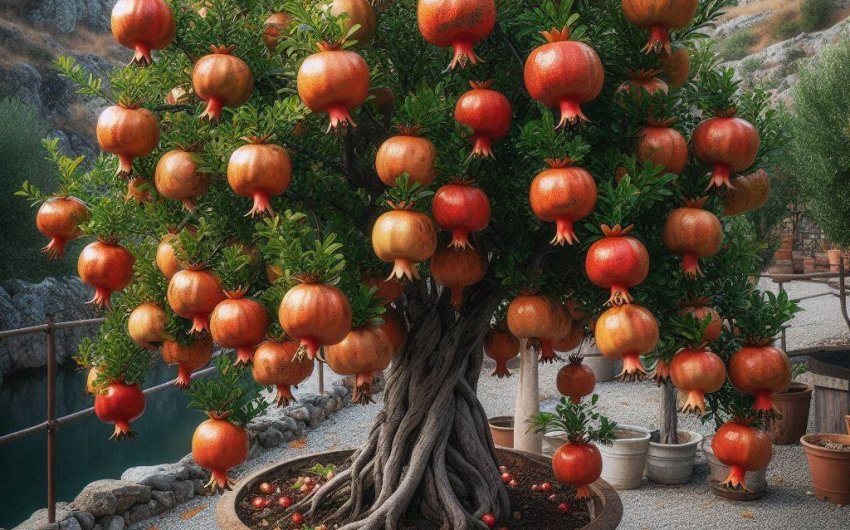
To grow pomegranate trees in containers, choose a dwarf or compact variety, provide a large pot with excellent drainage, and use a well-draining potting mix. Ensure abundant sunlight, consistent watering, and proper fertilization to encourage healthy growth and fruit production, especially crucial for those in colder climates bringing trees indoors for winter.
Why Grow Pomegranate Trees in Containers?
Growing pomegranate trees in containers offers numerous advantages, making it an increasingly popular choice for gardeners who might not have the ideal climate or ground space for these beautiful and fruitful trees. Understanding why grow pomegranate trees in containers highlights the versatility and benefits of this method.
1. Climate Control and Winter Protection
This is perhaps the most significant reason to grow pomegranate trees in containers, especially for gardeners outside of USDA Hardiness Zones 8-10.
- Tender Perennials: While pomegranates are quite drought-tolerant and heat-loving, they are not universally cold-hardy. Most varieties can only tolerate temperatures down to about 10-15°F (-12 to -9°C) for short periods.
- Mobility for Winter: Container growing allows you to easily move your pomegranate tree indoors to a protected environment (like a garage, greenhouse, or sunroom) during colder months, shielding it from damaging frosts and freezes. This enables gardeners in colder climates (Zone 7 and below) to successfully cultivate a plant that would otherwise perish outdoors.
- Extended Growing Season: By bringing the tree indoors during harsh weather, you can often extend its effective growing season, potentially leading to more consistent fruiting.
2. Space Management
Container growing is an excellent solution for gardeners with limited space.
- Small Yards/Patios/Balconies: Pomegranate trees can grow quite large in the ground. In containers, their size is naturally restricted, making them suitable for patios, balconies, rooftops, or small urban gardens where ground space is limited.
- Flexible Placement: You can strategically place your potted pomegranate tree to maximize sun exposure throughout the day, or move it to create shade or aesthetic appeal.
3. Soil Control
Container growing gives you complete control over the soil environment, which is beneficial for pomegranates.
- Optimal Drainage: Pomegranates are susceptible to root rot in poorly draining soil. In a container, you can ensure excellent drainage by using a custom-blended potting mix that meets their specific needs.
- Nutrient Control: It's easier to manage and replenish nutrients in a container, allowing for precise fertilization.
- Pest and Disease Management: While not immune, some soil-borne pests and diseases are easier to manage in containers than in large garden beds.
4. Earlier Fruiting
Some dwarf or compact pomegranate varieties grown in containers may begin to fruit earlier than their in-ground counterparts, often within 2-3 years. The stress of containerization can sometimes encourage earlier reproductive efforts.
5. Aesthetic Appeal
Pomegranate trees are ornamental as well as productive.
- Beautiful Blooms: Their vibrant orange-red, trumpet-shaped flowers are stunning and add a tropical flair to any space.
- Unique Fruit: The developing and ripening fruits are highly decorative, adding visual interest.
- Bonsai Potential: Dwarf varieties are popular subjects for bonsai due to their interesting bark and branch structure.
6. Ease of Management
- Pruning Control: It's easier to control the size and shape of a pomegranate tree through pruning when it's in a container, allowing you to maintain it as a manageable shrub or small tree.
- Pest Inspection: Closer proximity to the plant makes it easier to inspect for pests and diseases.
While growing pomegranate trees in containers requires more attentive watering and feeding than in-ground trees, the benefits, especially for those in cooler climates or with limited space, far outweigh these extra care requirements. It makes the joy of harvesting your own pomegranates accessible to almost anyone.
What Are the Best Pomegranate Varieties for Container Growing?
Selecting the best pomegranate varieties for container growing is critical to your success. Not all pomegranates are created equal when it comes to thriving in pots. You'll want to prioritize dwarf or compact cultivars that naturally stay smaller and are bred for fruit production in limited spaces.
Key Characteristics for Container Varieties:
- Dwarf or Compact Growth Habit: This is paramount. Standard pomegranate trees can grow into large shrubs or small trees (10-20 feet tall), making them impractical for containers long-term. Dwarf varieties typically mature at 3-6 feet tall.
- Good Fruiting in Containers: Some varieties are specifically bred to fruit well even when their root growth is restricted.
- Cold Tolerance (for outdoor placement): While containers limit ultimate hardiness, choosing a variety known for its tolerance within its range can allow it to stay outdoors longer in transitional seasons.
- Self-Pollination (Optional but Helpful): While pomegranates are generally self-pollinating (monoecious, meaning they have both male and female flowers on the same plant), having two genetically different varieties can sometimes increase fruit set. For containers, self-pollinating is a big plus.
- Flavor and Quality: Don't sacrifice flavor for size! Many dwarf varieties offer excellent fruit quality.
Top Pomegranate Varieties for Container Growing:
| Variety Name | Type / Growth Habit | Fruit Characteristics | USDA Zones (Outdoor) | Key Considerations |
|---|---|---|---|---|
| 'Punica granatum 'Nana' | Dwarf / Ornamental Dwarf | Small, usually inedible or poor-tasting, but highly ornamental. | 7-11 | Primarily ornamental, profuse blooms, popular for bonsai. |
| 'Wonderful' (Dwarf/Bushy) | Standard (can be kept as bush) | Large, dark red, juicy, sweet-tart. Commercial standard. | 7-10 | Needs aggressive pruning to stay small, highly productive. |
| 'Angel Red' | Compact / Bushy Growth | Medium-large, deep red, very soft seeds, sweet-tart. | 7-10 | Excellent eating quality, easy to manage size. |
| 'Eversweet' | Compact / Bushy Growth | Medium, red, very sweet, soft seeds, non-staining juice. | 7-10 | Exceptionally sweet, great for fresh eating, tolerates some shade. |
| 'Parfianka' | Vigorous (can be kept small) | Large, deep red, very sweet, delicious. | 7-10 | Often considered one of the best tasting, requires consistent pruning. |
| 'Salavatski' | Cold Hardy / Bushy | Large, sweet-tart, good juice. | 6-10 | One of the most cold-hardy for outdoor planting, vigorous. |
| 'Grenada' | Compact / Bushy Growth | Medium-large, deep red, similar to 'Wonderful' but slightly earlier. | 7-10 | Good flavor, reliable producer. |
Detailed Recommendations:
'Punica granatum 'Nana' (Dwarf Pomegranate):
- Best For: Primarily ornamental purposes, especially attractive in containers. It stays very small (2-3 feet tall), produces abundant small, bright orange-red flowers, and miniature, decorative (though usually inedible or very tart) fruits. Excellent for bonsai. If your goal is more beauty than fruit, this is a top choice. Find Dwarf Pomegranate Nana.
'Angel Red':
- Best For: Excellent edible fruit production in containers. It's a true fruiting dwarf variety, producing medium-large, deep red fruits with soft seeds and a good sweet-tart flavor. Its bushy growth habit makes it easy to manage in a pot.
'Eversweet':
- Best For: Those who prioritize very sweet fruit for fresh eating. 'Eversweet' lives up to its name, offering exceptionally sweet, non-staining juice and soft seeds. It's a compact grower suitable for containers and can tolerate some partial shade, though full sun is still preferred for best fruiting.
'Parfianka':
- Best For: Gourmands seeking superior fruit flavor. While it can be more vigorous than other compact varieties, it is widely regarded as one of the best-tasting pomegranates with large, very sweet, and delicious fruits. It will require more diligent pruning to keep it container-sized, but the flavor payoff is worth it.
'Wonderful' (Dwarf/Bushy forms):
- Best For: A classic choice if you want the standard, well-known pomegranate. While 'Wonderful' is typically a large tree, nurseries often sell it as a smaller, bushy form suitable for containers with regular pruning. It's highly productive with large, tart-sweet fruit perfect for juice. You can find general Wonderful Pomegranate Trees and prune them for container life.
'Salavatski':
- Best For: Gardeners in colder USDA Zone 6 who want to push the boundaries of outdoor overwintering for pomegranates. 'Salavatski' is one of the most cold-hardy fruiting varieties. While still benefiting from winter protection in containers, it's more forgiving. It produces large, sweet-tart fruit suitable for juice.
When choosing, consider your primary goal (ornamental vs. edible fruit), your taste preference for sweetness vs. tartness, and your willingness to prune more aggressively for larger varieties. Selecting one of these best pomegranate varieties for container growing sets you up for success.
What Kind of Container and Soil Do Pomegranate Trees Need?
Choosing the right container and soil is absolutely fundamental to successfully growing pomegranate trees in containers. These factors directly impact drainage, aeration, and nutrient availability, all of which are critical for the health and fruit production of your pomegranate tree.
Choosing the Right Container
The container you select profoundly influences your pomegranate's growth.
- Size Matters (Gradual Upsizing):
- Start Small (Relatively): Begin with a 5-10 gallon pot for a young pomegranate tree.
- Gradually Increase: As the tree grows, repot it into increasingly larger containers, moving up in increments of 5-10 gallons.
- Mature Size: A mature, fruiting pomegranate tree in a container will ideally need a pot that is at least 15-25 gallons (or larger) in capacity. The wider the pot, the more stable the tree will be.
- Why Size Matters: Too small a pot will restrict root growth, stunt the tree, and require constant watering. Too large a pot for a young tree can lead to waterlogging because the roots won't absorb all the moisture in the vast amount of soil.
- Drainage Holes (Non-Negotiable):
- Absolute Must: The container must have ample drainage holes at the bottom. Pomegranates are extremely susceptible to root rot in waterlogged conditions. Never use a pot without drainage.
- Avoid Saucers (or empty promptly): If using a saucer underneath, ensure you empty any standing water within 30 minutes of watering.
- Material:
- Terracotta/Unglazed Clay:
- Pros: Porous, allowing air and moisture to evaporate through the sides. This promotes excellent drainage and aeration, reducing the risk of root rot. They are also heavy and stable.
- Cons: Can dry out faster, requiring more frequent watering in hot climates. Heavy to move. Can crack in freezing temperatures if left outdoors.
- Plastic/Resin:
- Pros: Lightweight (easier to move), retains moisture longer (less frequent watering), more durable in cold weather. Often more affordable.
- Cons: Can lead to root rot if overwatered, as they don't allow as much airflow through the sides. Can blow over in high winds if too light.
- Fabric/Grow Bags:
- Pros: Excellent aeration (air-pruning roots prevents circling), very lightweight, prevent rootbound issues.
- Cons: Dry out very quickly, especially in hot weather, requiring very frequent watering. Less aesthetically pleasing for some. You can find Large Fabric Grow Bags.
- Wooden Half Barrels:
- Pros: Natural aesthetic, large capacity, good insulation.
- Cons: Can be heavy, will eventually rot (though treated wood lasts longer), require good drainage holes to be drilled.
- Terracotta/Unglazed Clay:
Preparing the Soil (Potting Mix)
The right potting mix provides aeration, drainage, and nutrients. Never use garden soil in containers, as it compacts, drains poorly, and can introduce pests or diseases.
- Key Requirement: Excellent Drainage! This cannot be stressed enough. Pomegranates despise "wet feet."
- Ideal Potting Mix Components: A good mix will be airy, well-draining, yet retain some moisture and nutrients. A common successful blend would be:
- 50% High-Quality Potting Mix: A standard peat-based or coir-based potting mix provides a good base.
- 25% Perlite or Pumice: Crucial for aeration and drainage. These lightweight, porous materials prevent compaction. Find Horticultural Perlite.
- 25% Coarse Sand, Pine Bark Fines, or Small Gravel: Adds structure, drainage, and mimics the coarser soil pomegranates prefer.
- Optional Additions:
- Compost or Worm Castings: A small amount (5-10%) can be added for a gentle nutrient boost and to improve microbial life.
- Slow-Release Granular Fertilizer: Incorporate a balanced slow-release fertilizer at planting, as container plants need consistent feeding.
- pH: Pomegranates are adaptable and prefer a slightly acidic to neutral pH (6.0-7.0), which most good quality potting mixes provide. You generally won't need to adjust pH in a container unless specifically indicated by issues.
Repotting Schedule
- Young Trees: Repot every 1-2 years into a slightly larger pot until they reach their mature container size.
- Mature Trees: Once in their final large container, repotting every 3-5 years might be needed to refresh the potting mix (which degrades over time) and potentially prune roots to maintain size. Alternatively, you can annually remove the top few inches of old soil and replace it with fresh potting mix (top-dressing).
By carefully selecting a large container with excellent drainage and filling it with a custom-blended, well-aerated potting mix, you provide the perfect foundation for growing pomegranate trees in containers.
How Do I Water and Fertilize Pomegranate Trees in Containers?
Proper watering and fertilizing are critical aspects of care when you grow pomegranate trees in containers. Unlike in-ground trees, containerized plants have limited access to moisture and nutrients, making your attentive management essential for healthy growth and abundant fruit production.
Watering Pomegranate Trees in Containers
This is often the trickiest part of container gardening, as overwatering leads to root rot, and underwatering stresses the plant. Pomegranates are drought-tolerant in the ground, but in a container, they depend entirely on you.
- "Thirsty Test" is Key: Do NOT water on a strict schedule. Instead, water when the top 2-3 inches of potting mix feel dry to the touch. You can also lift the pot – if it feels noticeably lighter, it's likely time to water.
- Water Thoroughly: When you do water, water deeply until water flows freely from the drainage holes at the bottom of the pot. This ensures the entire root ball is moistened.
- Discard Excess: Always empty any standing water from the saucer within 15-30 minutes. Pomegranates cannot tolerate sitting in soggy conditions.
- Frequency Varies:
- Summer/Hot Weather: In intense heat or full sun, you might need to water daily or every other day, especially in terracotta or fabric pots.
- Spring/Fall: Less frequent, maybe every 2-4 days.
- Winter (Dormancy): Significantly reduce watering. The soil should be kept barely moist to prevent roots from drying out entirely, but avoid any wetness. This might mean watering only every few weeks or once a month, depending on indoor conditions.
- Monitor Symptoms:
- Underwatering: Leaves may droop, curl, or turn yellow at the edges. Blooms or developing fruit may drop.
- Overwatering: Leaves may yellow (especially lower ones), stems might feel soft or mushy, and the soil will remain perpetually wet.
Fertilizing Pomegranate Trees in Containers
Container plants deplete nutrients faster than in-ground plants because nutrients leach out with drainage water. Regular feeding is necessary.
- Nutrient Needs: Pomegranates benefit from a balanced fertilizer, but appreciate a slightly higher potassium (K) content for fruit production once they start flowering. Avoid excessive nitrogen, which can encourage leafy growth at the expense of flowers and fruit.
- Fertilizer Type:
- Slow-Release Granular Fertilizer: This is a convenient option. Incorporate it into the potting mix during planting or top-dress the soil annually in spring. Choose a balanced formula (e.g., 5-5-5 or 10-10-10) or one with a slightly higher K, and follow package instructions carefully for container use. Osmocote Smart-Release Plant Food is a popular slow-release choice.
- Liquid Fertilizer: Apply a diluted liquid fertilizer every 2-4 weeks during the active growing season (spring through summer). Use a balanced formula (e.g., a liquid All-Purpose Plant Food) at half the recommended strength to avoid burning roots.
- Fertilizing Schedule:
- Young Plants (Non-Fruiting): Focus on a balanced fertilizer to promote vegetative growth.
- Fruiting Plants: Once flowers appear and fruit sets, switch to a fertilizer with a slightly higher potassium number (e.g., 5-10-10 or 5-10-15) to support fruit development.
- Stop in Fall/Winter: Discontinue all fertilization during fall and winter when the tree is dormant or growth has slowed significantly. Fertilizing dormant plants can burn their roots.
- Watch for Deficiencies: Yellowing leaves, stunted growth, or poor flowering/fruiting can indicate a nutrient deficiency. A general-purpose fertilizer will usually address common issues.
By diligently managing both watering and fertilizing, you provide your pomegranate tree in a container with the consistent moisture and nutrient supply it needs to stay healthy, produce beautiful flowers, and ripen delicious fruit.
How Do I Prune Pomegranate Trees in Containers for Best Fruiting?
Pruning pomegranate trees in containers is a vital skill for managing their size, promoting air circulation, and maximizing fruit production. Unlike in-ground trees that can grow quite large, containerized pomegranates require more intentional and consistent pruning to maintain a manageable shape and encourage a good harvest.
Understanding Pomegranate Growth Habits
Pomegranates naturally grow as multi-stemmed shrubs. When grown for fruit, they are typically trained in one of two ways:
- Multi-Stemmed Bush: Allows several main trunks to grow from the base. This is the most natural growth habit for pomegranates.
- Single-Trunk Tree: Trained to have one main stem, similar to a traditional tree. This requires more consistent pruning, especially to remove suckers.
Regardless of the chosen form, fruit is primarily produced on new growth from the previous season. This means strategic pruning encourages new wood each year.
Annual Pruning Schedule for Container Pomegranates:
1. Dormant Season Pruning (Late Winter/Early Spring)
This is the most important pruning period, ideally before new growth begins.
- Goal: Shape the tree, remove dead/diseased wood, promote air circulation, and encourage new fruiting wood.
- Steps:
- Remove Dead, Damaged, or Diseased Branches: Cut these back to healthy wood or the main trunk. Use clean, sharp bypass pruners.
- Remove Suckers and Watersprouts: Pomegranates are prone to producing suckers (shoots from the base or roots) and watersprouts (vigorous upright shoots from main branches). These consume energy without contributing significantly to fruit. Cut them off completely at their origin.
- Thin the Canopy: Remove any crossing, rubbing, or inward-growing branches. The goal is to open up the center of the bush/tree to allow for good air circulation and light penetration, which is crucial for fruit development and preventing fungal issues. Aim for an open, goblet shape if multi-stemmed.
- Reduce Overall Height/Spread: If your tree is getting too large for its container or space, you can prune back branches to reduce its size. Aim to cut back to an outward-facing bud or a lateral branch. Do not remove more than 20-30% of the plant's total mass in a single year.
- Encourage New Growth: Since fruit forms on new wood from the previous season, you can lightly tip prune some of the prior year's growth to encourage more branching and thus more potential fruiting sites.
2. Summer Pruning (Light Pruning/Maintenance)
This is a lighter touch, primarily for managing growth and light.
- Goal: Maintain shape, prevent overcrowding, and continue to manage suckers.
- Steps:
- Remove New Suckers: Continuously remove any new suckers that emerge from the base.
- Pinch Back Overly Vigorous Shoots: If certain shoots are growing too rapidly and shading out other parts of the plant, you can pinch or prune their tips.
- Open the Canopy: Ensure sunlight can still reach ripening fruit and inner branches. Remove any new growth that is making the canopy too dense.
- Caution: Avoid heavy pruning during the summer, especially once fruit has set, as this can reduce your current harvest.
Specific Pruning Considerations for Container Pomegranates:
- Maintaining Size: Regular pruning is how you keep your pomegranate tree in a container at a manageable size. Consistent annual pruning from a young age will help achieve this.
- Air Circulation: Given that containers can sometimes be in more sheltered indoor/outdoor environments, ensuring good airflow through the canopy is vital to prevent fungal issues.
- Fruit Set: Don't be too aggressive in removing new growth unless it's a sucker, as these are your potential fruiting sites.
- Tools: Always use clean, sharp bypass pruners for branches up to about 3/4 inch thick. For thicker branches, use loppers. Sterilize your tools between plants (and between cuts if you suspect disease) with rubbing alcohol to prevent disease spread. Find quality Bypass Pruning Shears.
By understanding the pomegranate's fruiting habit and applying these strategic pruning techniques during the dormant and growing seasons, you can successfully manage the size of your pomegranate tree in a container while simultaneously encouraging a healthy and abundant yield of delicious fruit.
How Do I Overwinter Pomegranate Trees in Containers?
Overwintering pomegranate trees in containers is the most crucial step for gardeners in colder climates (generally USDA Zones 7 and below) who want to successfully grow pomegranate trees in containers long-term. As tropical/subtropical plants, most pomegranates cannot tolerate freezing temperatures.
1. Timing for Bringing Indoors
- Before First Hard Frost: The absolute golden rule is to bring your pomegranate tree indoors before the first hard frost (temperatures consistently dropping below 28-32°F or -2 to 0°C).
- Gradual Acclimation: Ideally, start moving your plant to a more sheltered spot (e.g., against a warm wall, under a patio cover) when nighttime temperatures consistently dip below 40°F (4°C) to help it acclimate to reduced light and warmth before a full move indoors.
2. Prepare the Tree for Dormancy/Indoor Life
- Clean Up:
- Remove Fallen Leaves/Debris: Clean the top of the potting mix and remove any fallen leaves or plant debris from around the base of the tree. This helps prevent pests and fungal issues indoors.
- Inspect for Pests: Thoroughly inspect the entire plant – tops and undersides of leaves, stems, and soil surface – for any signs of pests (spider mites, mealybugs, scale). It's much easier to deal with pests outdoors than after they've established themselves indoors.
- Pest Treatment (If Necessary):
- If you find pests, treat them before bringing the plant indoors. A thorough spray with Insecticidal Soap or Neem Oil Solution can often resolve minor infestations. Repeat treatments if needed.
- Watering: Water thoroughly a day or two before bringing it inside, ensuring the root ball is hydrated but not soggy.
3. Choose the Right Overwintering Location
The ideal location depends on your climate and desired level of care. Pomegranates are deciduous, meaning they naturally lose their leaves and go dormant in winter, which simplifies overwintering.
- Cool, Dark, or Dim Location (for Dormant Overwintering - Ideal):
- Temperature: Ideally, a cool, dark, or dimly lit location where temperatures remain consistently above freezing but below 50°F (10°C). An unheated garage, cool basement, or shed are perfect.
- Why: In these conditions, the tree will go fully dormant, drop its leaves, and require very minimal care. This mimics its natural winter dormancy.
- Care: Check the soil every few weeks and provide just enough water to prevent the potting mix from completely drying out (it should be barely moist). Do NOT fertilize.
- Bright, Cool Location (for Semi-Dormant Overwintering):
- Temperature: A cool sunroom or unheated greenhouse where temperatures are consistently above 40°F (4°C) but generally below 60°F (15°C).
- Why: The tree might retain some leaves or go semi-dormant. It will still require less water than in summer.
- Care: Water sparingly, just enough to keep the soil from drying out completely. Do NOT fertilize. Provide as much natural light as possible.
- Heated, Bright Location (Challenging but Possible):
- Temperature: A heated living space (65-75°F / 18-24°C) near a bright window.
- Why: The tree may try to stay active or struggle due to low light intensity, dry air, and lack of true dormancy. It might drop leaves due to shock.
- Care: Provide the brightest possible light (supplement with Grow Lights for Fruit Trees if needed). Monitor watering closely, as warmer temperatures mean slightly more frequent watering than a cool dormancy, but still less than summer. Increase humidity if possible. Do NOT fertilize. Expect some leaf drop regardless.
4. Minimal Winter Care
- Watering: The most crucial aspect. During dormancy, the tree uses very little water. The goal is to keep the roots alive, not actively growing. Water only when the top few inches of soil are completely dry, and then only sparingly to moisten the root ball without making it soggy.
- Fertilizing: Do not fertilize during winter/dormancy.
- Pruning: Major pruning should be done just before dormancy or in early spring before new growth emerges. You can do light shaping if needed.
- Pests: Continue to monitor for pests, especially spider mites, which can thrive in dry indoor winter air.
5. Transitioning Back Outdoors (Spring)
- After Last Frost: Do not move your pomegranate tree back outdoors until all danger of frost has passed in your area and nighttime temperatures are consistently above 40°F (4°C).
- Gradual Acclimation (Hardening Off): This is very important to prevent shock and leaf scorch.
- Start in Shade: For the first week, place the tree in a sheltered, shady spot outdoors.
- Gradual Light Increase: Over the next 1-2 weeks, gradually move it to brighter locations, slowly increasing its exposure to direct sunlight.
- Final Spot: After 2-3 weeks, it should be ready for its full sun location.
- Resume Care: Once outdoors and settled, gradually increase watering and begin your regular spring/summer fertilization schedule.
By following these overwintering guidelines, you can ensure your pomegranate tree in a container survives the cold months safely and is ready to burst forth with new growth and fruit in the spring, making growing pomegranate trees in containers a truly rewarding endeavor.