
How to Grow Chamomile at Home for Fresh Tea?
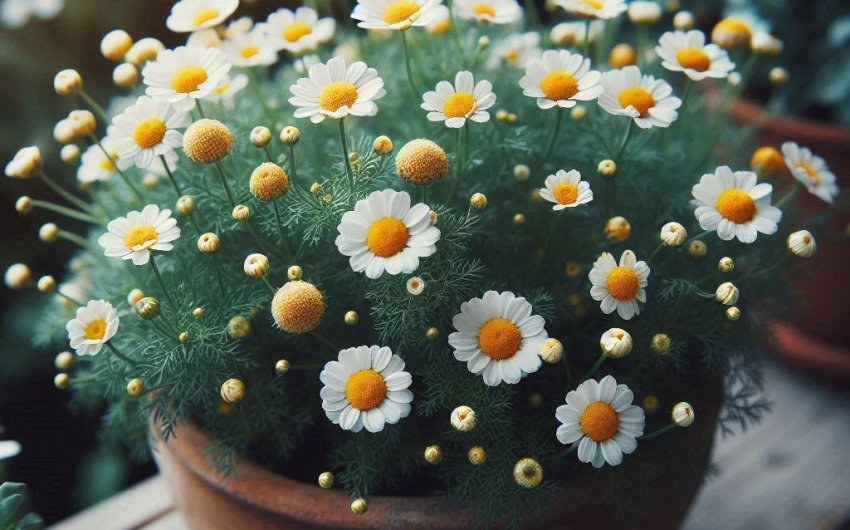
To grow chamomile at home for fresh tea, start by sowing seeds in well-draining soil in a sunny spot after the last frost or indoors 6 weeks before. Provide consistent moisture, minimal fertilization, and harvest the daisy-like flowers when fully open for optimal flavor.
What Are the Types of Chamomile for Tea?
When you want to grow chamomile at home for fresh tea, it's important to know there are two main types, both commonly used for their calming properties.
- German Chamomile (Matricaria chamomilla or Matricaria recutita):
- Appearance: This is the most common variety for tea. It's an annual plant that grows upright, typically 1-2 feet tall, with feathery foliage and small, prolific daisy-like flowers with white petals and a prominent yellow cone-shaped center. The flower is hollow when cut open.
- Tea Properties: Known for its stronger apple-like scent and flavor. It's widely used for its soothing, anti-inflammatory, and digestive benefits.
- Growth Habit: Self-seeds readily, so it often reappears year after year even though it's an annual.
- Roman Chamomile (Chamaemelum nobile):
- Appearance: A perennial plant that grows lower to the ground, forming a mat or creeping habit. It has finely cut, aromatic foliage and slightly larger, less prolific flowers with flatter yellow centers. The flower is solid when cut open.
- Tea Properties: Has a slightly more bitter, herbaceous flavor than German chamomile. While also used for tea, it's often preferred as a groundcover for its pleasant scent when walked upon.
- Growth Habit: Spreads via runners, forming a dense carpet.
For fresh tea, German chamomile is generally preferred due to its higher yield of flowers and classic, sweet flavor. This guide will primarily focus on growing German chamomile.
When Is the Best Time to Plant Chamomile for Tea?
Timing your planting correctly is crucial when you want to grow chamomile at home for fresh tea.
- Direct Sowing Outdoors:
- After Last Frost: Plant seeds directly into your garden bed in early spring, after the danger of the last frost has passed and the soil has warmed slightly. Chamomile prefers cool weather for germination but needs to avoid hard freezes.
- Fall Sowing (Milder Climates): In regions with mild winters, you can also sow seeds in late fall. They will germinate in spring.
- Starting Indoors:
- 6-8 Weeks Before Last Frost: To get a head start and an earlier harvest, sow chamomile seeds indoors about 6 to 8 weeks before your average last frost date. This allows seedlings to establish before transplanting.
Chamomile seeds need light to germinate, so don't bury them too deeply.
How Do You Prepare the Soil for Growing Chamomile?
Good soil preparation sets the stage for success when you grow chamomile at home for fresh tea.
- Well-Draining Soil: Chamomile prefers well-draining soil. It doesn't like "wet feet" (roots sitting in soggy conditions), which can lead to root rot.
- Soil Type: It's adaptable to a range of soil types, from sandy to loamy.
- pH Level: Chamomile tolerates a wide pH range, generally preferring slightly acidic to neutral soil (pH 5.6 to 7.5).
- Amendments (Optional): If your soil is very heavy clay or extremely sandy, you can amend it with some Compost or other organic matter to improve drainage and fertility. However, chamomile isn't a heavy feeder, so excessive enrichment isn't necessary.
- Weed-Free: Prepare a weed-free bed, as tiny chamomile seedlings can easily be outcompeted by weeds.
What Are the Steps for Planting Chamomile Seeds?
Whether sowing directly outdoors or starting indoors, these steps will help you successfully grow chamomile at home for fresh tea.
Step-by-Step Planting Guide:
- Prepare Your Seed Starting Trays/Pots (Indoor Starting):
- Use seed starting trays or small pots filled with a sterile, well-draining Seed Starting Mix.
- Moisten the mix thoroughly before planting.
- Sow the Seeds:
- Chamomile seeds are tiny and need light to germinate. Do not cover them with soil.
- Gently sprinkle the seeds sparsely over the surface of the moistened soil. For outdoor beds, you can lightly press them in.
- For indoor trays, you can lightly mist the surface after sowing to settle the seeds.
- Provide Light and Warmth:
- Indoors: Place trays in a warm spot (around 60-70°F or 15-21°C). Provide plenty of light, ideally under Grow Lights for Seedlings to prevent leggy growth.
- Outdoors: Choose a sunny location.
- Maintain Moisture:
- Keep the soil consistently moist but not soggy. Use a Fine Mist Spray Bottle to water indoor seedlings to avoid disturbing the tiny seeds.
- For outdoor beds, gentle watering is key.
- Germination:
- Germination typically takes 7-14 days but can be longer. Be patient!
- Thinning (If Needed):
- Once seedlings have a few sets of true leaves (the second set of leaves to appear), thin them to about 6-8 inches apart for German chamomile. This gives them room to grow and prevents overcrowding.
Transplanting Indoor Seedlings:
- Harden Off: Before transplanting outdoor, gradually expose your indoor-started chamomile seedlings to outdoor conditions over 7-10 days. Start with a few hours in a sheltered outdoor spot, gradually increasing exposure to sun and wind.
- Planting: Plant seedlings in your prepared garden bed or containers after the last frost, spacing them 6-8 inches apart. Water well after transplanting.
What Are the Care Requirements for Growing Chamomile?
Once established, chamomile is relatively low-maintenance, making it easy to grow chamomile at home for fresh tea.
Light
- Full Sun to Partial Shade: Chamomile thrives in full sun (at least 6 hours of direct sunlight per day). It can tolerate partial shade, but may produce fewer flowers and become leggy.
Water
- Consistent Moisture: Keep the soil consistently moist, especially during germination and establishment.
- Avoid Overwatering: Once established, chamomile is somewhat drought-tolerant, but regular watering during dry spells will encourage more blooms. Allow the top inch of soil to dry out between waterings.
Fertilizer
- Minimal Needs: Chamomile is not a heavy feeder. In fact, too much fertilizer, especially nitrogen, can promote leafy growth at the expense of flowers, which is not what you want when growing for tea.
- Optional: If your soil is very poor, a light application of balanced organic fertilizer at half strength once during the growing season might be beneficial. Generally, healthy soil with good organic matter is sufficient.
Pests and Diseases
- Generally Resistant: Chamomile is quite resilient to pests and diseases.
- Occasional Issues:
- Aphids: Can sometimes be found on new growth. Blast them off with a strong stream of water or use an insecticidal soap if severe.
- Powdery Mildew: In humid conditions with poor air circulation, powdery mildew can appear. Ensure good spacing between plants.
- Prevention: Healthy plants are the best defense. Good air circulation and appropriate watering help.
Support (If Needed)
- German chamomile, being upright, can sometimes get leggy or fall over, especially if in partial shade or very rich soil. You can provide light support with stakes or a small grow-through support ring if needed.
When and How Do You Harvest Chamomile for Tea?
The magic happens at harvest time! Knowing when and how to pick the flowers is crucial to get the best flavor when you grow chamomile at home for fresh tea.
When to Harvest:
- Open Flowers: Harvest flowers when they are fully open, but before the petals start to droop or turn brown. This is when their essential oils and flavor are at their peak.
- Early Morning: The best time to harvest is in the early morning after the dew has dried, but before the heat of the day. The essential oil content is highest then.
- Continuous Blooming: German chamomile is an annual that blooms continuously throughout the summer if you keep harvesting. Regular harvesting encourages more flower production.
How to Harvest:
- Pinch or Snip: Gently pinch or snip off the entire flower head (the white petals and yellow cone) just below the base of the flower. Leave as little stem as possible.
- Method: You can use your fingers to pinch them off, or use small Herb Snips for precision.
- Collect in a Basket: Place harvested flowers in a breathable basket or shallow tray to prevent crushing and sweating.
How Do You Dry and Store Chamomile for Tea?
Proper drying and storage preserve the flavor and medicinal qualities of your homegrown chamomile for delicious tea year-round.
Drying Chamomile:
- Air Drying (Easiest Method):
- Spread Evenly: Lay the fresh chamomile flowers in a single layer on a clean screen, drying rack, or a clean, unbleached cloth. Avoid overcrowding.
- Location: Choose a warm, dry, well-ventilated area out of direct sunlight. A spare room, a screened porch, or even atop a kitchen cabinet can work.
- Turn Regularly: Gently turn or fluff the flowers every day or two to ensure even drying and prevent mold.
- Drying Time: This can take anywhere from 1-3 weeks, depending on humidity and temperature.
- Test for Dryness: Flowers are fully dry when they are brittle and crumble easily between your fingers. There should be no moisture or softness remaining.
- Dehydrator:
- Settings: Use a food dehydrator set to a low temperature (around 95-105°F or 35-40°C).
- Time: This method is much faster, typically taking a few hours. Check frequently.
- A Food Dehydrator is a great tool for this.
Storing Dried Chamomile:
- Airtight Containers: Once completely dry, store the chamomile flowers in airtight containers. Glass jars with tight-fitting lids are ideal.
- Dark, Cool Place: Store the containers in a cool, dark place away from direct sunlight, heat, and humidity. A pantry or cupboard is perfect.
- Labeling: Label your containers with the harvest date.
- Shelf Life: Properly dried and stored chamomile can retain its potency and flavor for up to one year. After that, it won't be harmful, but its flavor and medicinal properties will diminish.
How Do You Make Fresh Chamomile Tea?
Making fresh tea from your homegrown chamomile is simple and rewarding.
- Gather Flowers: Use 1-2 teaspoons of dried chamomile flowers (or about 1-2 tablespoons of fresh flowers) per 8 ounces of hot water.
- Heat Water: Bring fresh, filtered water to a boil.
- Steep: Place the chamomile flowers in a tea infuser, tea bag, or directly into your mug. Pour the hot water over the flowers.
- Cover: Cover your mug or teapot to trap the aromatic essential oils.
- Steep Time: Steep for 5-10 minutes, depending on your desired strength. Longer steeping yields a stronger flavor.
- Strain and Enjoy: Strain out the flowers (if not using an infuser). You can add honey or lemon to taste, but many enjoy chamomile tea plain.
What Are the Benefits of Drinking Chamomile Tea?
Beyond the joy of growing your own, drinking chamomile tea offers a range of potential health benefits.
- Relaxation and Sleep Aid: Chamomile is most famous for its calming properties. It contains apigenin, an antioxidant that may bind to certain receptors in your brain, promoting sleepiness and reducing insomnia.
- Digestive Aid: It can help soothe digestive upset, reduce bloating, gas, and relieve symptoms of indigestion.
- Anti-inflammatory: Chamomile contains compounds that have anti-inflammatory properties, potentially helping with various inflammatory conditions.
- Anxiety Reduction: Regular consumption may help reduce symptoms of anxiety.
- Skin Health: Topical applications of chamomile infusions are sometimes used for skin irritation.
- Immune Support: Some studies suggest chamomile may have immune-boosting properties.
What Are Other Uses for Homegrown Chamomile?
Your homegrown chamomile isn't just for tea! It has several other wonderful applications.
- Chamomile Infused Oil: Infuse dried flowers in a carrier oil (like olive or jojoba oil) for a soothing massage oil or base for homemade salves and lotions.
- Chamomile Bath Soak: Add dried flowers to a warm bath for a relaxing and skin-soothing experience.
- Hair Rinse: A strong chamomile infusion can be used as a rinse for light-colored hair to add natural highlights or soothe an itchy scalp.
- Potpourri: The dried flowers add a lovely, calming scent to homemade potpourri mixes.
- Groundcover (Roman Chamomile): Roman chamomile is excellent as a low-growing, aromatic groundcover that tolerates light foot traffic.
- Companion Planting: Chamomile is considered a beneficial companion plant in the garden. It is thought to improve the growth and flavor of nearby plants and can attract beneficial insects.
Troubleshooting Common Chamomile Growing Issues
While generally easy, you might encounter a few minor issues when you grow chamomile at home for fresh tea.
- Leggy Seedlings:
- Cause: Not enough light during indoor starting.
- Solution: Provide stronger light (grow lights close to seedlings) and ensure good air circulation.
- Few Flowers:
- Cause: Not enough sunlight, too much nitrogen fertilizer, or inconsistent watering.
- Solution: Move to a sunnier spot, reduce nitrogen fertilizer, and water consistently.
- Yellowing Leaves:
- Cause: Overwatering (common), or nutrient deficiency (less common for chamomile).
- Solution: Check soil moisture and allow to dry out between waterings. Ensure good drainage.
- Plant Flopping Over:
- Cause: Often due to being in too much shade, overly rich soil, or lack of support for German varieties.
- Solution: Move to more sun, avoid excessive fertilizer, or provide light staking.
- No Germination:
- Cause: Seeds buried too deep (they need light!), old seeds, or inconsistent moisture.
- Solution: Ensure seeds are on the soil surface, use fresh seeds, and keep soil consistently moist.
By following these comprehensive guidelines, you'll be well on your way to successfully growing chamomile at home for fresh tea. Enjoy the process of nurturing these delightful plants and reaping the rewards of a calming, homegrown brew!