
Creating a Thriving Cactus and Succulent Garden
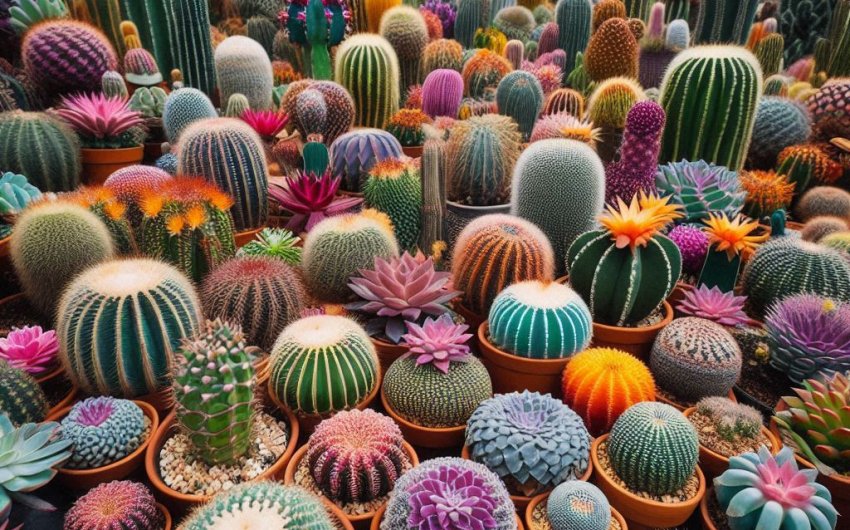
Creating a thriving cactus and succulent garden involves understanding their unique needs for sunlight, well-draining soil, and infrequent watering. These resilient plants can flourish both indoors and outdoors with the right conditions and care tailored to their desert origins.
What Do I Need to Consider Before Starting a Cactus and Succulent Garden?
Before diving into your new garden, a little planning goes a long way. Understanding the basic needs of cacti and succulents will help you create an environment where they can truly thrive. These plants are known for being low-maintenance, but they do have specific requirements that differ from typical houseplants or garden flora.
Choosing the Right Location
Sunlight is king for most cacti and succulents. They generally need at least 6 hours of direct sunlight per day to grow healthy and prevent stretching (etiolation).
- Outdoor Gardens: Look for a spot in your yard that receives full sun for most of the day. South-facing areas are often ideal in the Northern Hemisphere. Consider protection from intense afternoon sun in very hot climates, as some might scorch.
- Indoor Gardens: A south-facing window is usually best. East or west-facing windows can work, but may require supplementing with a Grow Light for Succulents during darker months or if natural light is insufficient. If your plants start to stretch or look pale, they aren't getting enough light.
Understanding Climate and Hardiness Zones
Not all cacti and succulents are created equal when it comes to cold tolerance.
- Outdoor Gardens: Research the USDA Plant Hardiness Zone for your area. Many popular succulents like Echeveria, Sedum, and Sempervivum can tolerate mild frosts, but true desert cacti often need warmer temperatures. Some succulents are remarkably cold-hardy, such as many types of Sempervivum (hens and chicks) and Opuntia (prickly pear), which can survive freezing temperatures.
- Indoor Gardens: If you live in a cold climate, most cacti and succulents will need to be grown indoors or brought inside during winter.
Selecting Your Plants
With thousands of species, choosing plants can be overwhelming but fun!
- Beginner-Friendly Varieties: Start with resilient and forgiving types.
- Succulents: Haworthia, Gasteria, Aloe, Sansevieria (snake plant), many Sedum and Echeveria varieties.
- Cacti: Opuntia (paddle cactus), Mammillaria (pincushion cactus), many Gymnocalycium types.
- Variety of Forms and Textures: Mix different shapes, sizes, and colors for visual interest. Consider tall columnar cacti, trailing succulents, and rosette forms.
- Compatibility: Group plants with similar light and water requirements together. This simplifies care. For example, don't put a shade-loving Sansevieria next to a sun-worshipping Cactus.
What is the Best Soil and Drainage for Cacti and Succulents?
The single most critical factor for a thriving cactus and succulent garden, besides light, is excellent drainage. These plants are adapted to arid environments where water drains away quickly, preventing their roots from sitting in soggy conditions, which leads to root rot.
The Importance of Drainage Holes
Every pot or container for cacti and succulents must have a drainage hole. Without one, water will accumulate at the bottom, creating a waterlogged environment that suffocates roots and causes rot. Even with the best soil mix, a lack of drainage will be fatal. For beautiful pots with good drainage, consider a Terracotta Pot Set with Drainage.
Choosing the Right Potting Mix
Regular potting soil is too dense and retains too much moisture for cacti and succulents. You need a fast-draining, gritty mix.
- Commercial Cactus and Succulent Mix: Many brands offer specialized blends. Look for ingredients like pumice, perlite, coarse sand, and a small amount of peat moss or coco coir. Bonsai Jack Succulent and Cactus Soil Mix is a popular, highly-draining option.
- Making Your Own Mix: You can create your own ideal blend. A good starting point is:
- 1 part regular potting soil (or coco coir): Provides a basic organic component.
- 1 part coarse sand or horticultural grit: Improves drainage.
- 1 part perlite or pumice: Enhances aeration and drainage, preventing compaction. Pumice is heavier and won't float as much as perlite.
- Mix these ingredients thoroughly to ensure a consistent, well-aerated medium.
Outdoor Garden Bed Preparation
For an outdoor succulent garden bed, simply digging a hole and planting won't work if your native soil is heavy clay.
- Raised Beds: The best solution for outdoor succulent gardens is often a raised bed. This allows you to completely control the soil composition and ensures superior drainage. Fill it with a well-draining succulent soil mix.
- Amending Existing Soil: If you must plant in the ground, extensively amend the native soil. Dig a hole much wider and deeper than needed, and mix in large quantities of coarse sand, perlite, pumice, or gravel to improve drainage significantly. Aim for at least 50% gritty material.
- Slope for Drainage: Creating a slight slope or mound in your outdoor bed can also aid drainage, allowing excess water to run off.
How Do I Water Cacti and Succulents Properly?
Proper watering is the key to preventing root rot, the most common killer of cacti and succulents. Their native environments experience infrequent rainfall, so their systems are designed to store water and survive long dry periods.
The "Soak and Dry" Method
This is the golden rule for watering cacti and succulents.
- Soak: When you water, do so thoroughly. Pour water until it flows out of the drainage holes at the bottom of the pot. This ensures all the roots get a good drink.
- Dry: Crucially, allow the soil to completely dry out before watering again. For most plants, this means the top few inches of soil are dry. For succulents, the entire pot should feel light and dry. You can use a wooden chopstick or your finger to check the soil moisture deep down.
When to Water
- Frequency: The frequency depends on several factors:
- Season: Water more frequently during their active growing season (usually spring and summer) and much less during dormancy (fall and winter).
- Temperature: Warmer temperatures mean faster evaporation, requiring more frequent watering.
- Humidity: Higher humidity means slower drying.
- Pot Material: Terracotta pots dry out faster than plastic or glazed ceramic.
- Plant Size: Larger plants with more foliage may use water more quickly.
- Signs of Thirst: Look for visual cues. Succulent leaves might look slightly shriveled, wrinkled, or less plump. Cacti might look a bit deflated. These are signs of thirst, but they indicate the plant can handle being dry for a while.
Avoiding Common Watering Mistakes
- Overwatering: This is the biggest killer. Frequent, shallow watering or watering before the soil is completely dry leads to root rot.
- Watering on a Schedule: Don't water every X days. Instead, water based on the soil's dryness and the plant's needs.
- Watering Leaves: Try to avoid getting water on the leaves or rosettes of succulents, especially those with powdery coatings (farina), as this can cause spots or fungal issues. Water the soil directly. A Long Spout Watering Can can help with precision.
How Do I Fertilize and Maintain My Cactus and Succulent Garden?
While known for being low-maintenance, cacti and succulents still benefit from occasional feeding and routine care to truly thrive. They generally don't need much fertilizer compared to other plants.
Fertilizing Best Practices
- Type of Fertilizer: Use a low-nitrogen fertilizer specifically formulated for cacti and succulents, or a balanced liquid fertilizer diluted to half or quarter strength. High nitrogen can lead to leggy, weak growth rather than compact, sturdy forms.
- Frequency: Fertilize sparingly, typically once or twice during their active growing season (spring and summer). Do not fertilize during their dormant period.
- Application: Apply fertilizer to moist soil, never dry soil, to avoid root burn.
Repotting Cacti and Succulents
Repotting is generally needed every 2-3 years, or when the plant shows signs of being root-bound (roots growing out of drainage holes) or when the soil has degraded.
- Timing: Repot during their active growing season (spring or early summer).
- New Pot: Choose a pot that is only slightly larger (1-2 inches wider) than the current one.
- Process: Gently remove the plant, shake off old soil, inspect roots (trim any rotten ones), and repot in fresh, well-draining succulent mix. Do not water immediately after repotting; wait a few days to a week to allow roots to heal.
Pruning and Trimming
Pruning is mostly for aesthetics, propagation, or removing damaged parts.
- Dead or Damaged Leaves: Remove any shriveled, yellow, or dead leaves to prevent rot and keep the plant looking tidy.
- Leggy Growth: If a succulent becomes leggy (stretches out due to insufficient light), you can "behead" it by cutting the top rosette. Allow the cut end to callus, then replant it. The stem will often sprout new babies.
- Propagation: Cuttings from healthy stems or leaves can be used to propagate new plants. Allow cuttings to callus for a few days before placing them on or in soil.
Pest and Disease Management
Cacti and succulents are generally robust, but they can occasionally encounter issues.
- Common Pests:
- Mealybugs: Look like small white cottony masses, often in crevices. Treat with rubbing alcohol on a cotton swab or insecticidal soap.
- Aphids: Small green, black, or reddish insects, usually on new growth. Blast with water or use insecticidal soap.
- Spider Mites: Tiny, almost invisible, causing fine webbing and speckled leaves. Increase humidity and use insecticidal soap or neem oil.
- Common Diseases:
- Root Rot: The most common disease, caused by overwatering. Symptoms include mushy stem or leaves, black roots. Prevention is key (proper watering, drainage). If caught early, you might save the plant by repotting into dry soil after trimming rotten roots.
- Fungal Spots: Caused by high humidity or water sitting on leaves. Ensure good air circulation and water the soil directly.
- Prevention: Good air circulation, proper watering, and healthy plant practices are the best defense. Isolate new plants to prevent introducing pests. For natural pest control, a Neem Oil Spray for Plants can be effective.
What Are Some Design Ideas for a Cactus and Succulent Garden?
Beyond basic care, the aesthetic appeal of a cactus and succulent garden is immense. Their diverse forms, textures, and colors allow for endless creative possibilities.
Grouping and Composition
- Vary Heights and Shapes: Combine tall, columnar cacti with low-growing, sprawling succulents and compact rosettes to create visual depth and interest.
- Color Contrast: Play with the wide range of colors – from the deep purples of some Echeveria to the pale greens of Haworthia, the blues of some Sedum, and the bright reds of certain cacti.
- Texture Play: Mix smooth, waxy leaves with spiky cacti, fuzzy Kalanchoe, or bumpy Haworthia for a tactile experience.
Container Gardens
Container gardening is ideal for cacti and succulents, especially in colder climates where plants need to be moved indoors.
- Dish Gardens: Create miniature landscapes in wide, shallow bowls. Layer different plants, add decorative rocks, and perhaps a small piece of driftwood.
- Terrariums (Open-Top): While closed terrariums are generally not suitable due to humidity, open or "airy" terrariums with plenty of ventilation can work for succulents if drainage is perfect. Use a layer of gravel at the bottom, then charcoal, then succulent soil.
- Vertical Gardens: Wall-mounted planters or living walls can showcase succulents beautifully. Ensure adequate support and proper watering systems.
- Individual Pots: Display individual specimens in unique pots that complement their form.
Outdoor Landscape Designs
For those in suitable climates, integrating succulents into the landscape creates stunning, water-wise gardens.
- Rock Gardens: Succulents naturally pair well with rocks and gravel, mimicking their native arid habitats. Large boulders or smaller decorative stones can define spaces.
- Xeriscaping: Embrace succulents as part of a water-wise landscape design (xeriscaping), reducing reliance on traditional thirsty lawns.
- Pathways and Borders: Use low-growing, resilient succulents to line pathways or as attractive borders.
- Theme Gardens: Create a specific theme, such as a "desert oasis" with larger cacti and sculptural agaves, or a "fairy garden" with smaller, whimsical succulents and miniature accessories.
Decorative Elements and Topdressing
These elements enhance the visual appeal and can even aid plant health.
- Gravel or Pebbles: A layer of decorative gravel or pebbles (topdressing) on the soil surface of your pots or beds serves multiple purposes:
- Aesthetics: Provides a clean, finished look and highlights the plants. A Decorative River Rock Mix can add natural appeal.
- Moisture Control: Helps prevent soil from splashing onto leaves during watering and can slightly reduce surface evaporation.
- Weed Suppression: In outdoor beds, a thick layer can help suppress weeds.
- Boulders and Rocks: Integrate larger rocks into outdoor succulent beds to create naturalistic scenes and provide microclimates.
- Driftwood and Found Objects: Natural elements like gnarled driftwood can add character and a sense of age to your display.
- Miniature Figurines: For smaller arrangements or themed gardens, miniature figurines or structures can add a touch of whimsy.
Creating a thriving cactus and succulent garden is a rewarding experience that combines horticultural science with artistic design. By focusing on proper light, excellent drainage, infrequent watering, and thoughtful design, you can enjoy these remarkable and resilient plants for many years.