
Best Flowers to Plant in Fall for a Spring Bloom
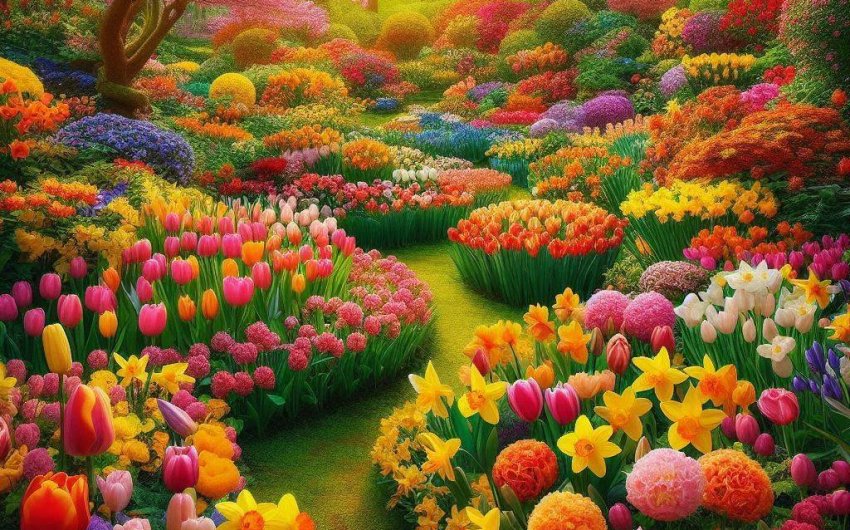
For vibrant spring blooms, the best flowers to plant in fall are typically spring-flowering bulbs like tulips, daffodils, crocus, and hyacinths, along with some cool-season annuals and hardy perennials. Planting them in autumn allows them to establish roots and undergo the necessary chilling period for a spectacular display when warmer weather returns.
Why Plant Flowers in Fall for Spring Blooms?
Planting flowers in the fall for spring blooms might seem counterintuitive when the garden is winding down. However, it's a crucial step for achieving that breathtaking burst of color as soon as winter recedes. This timing is especially important for spring-flowering bulbs.
The Importance of the Chilling Period (Vernalization)
Many spring-flowering bulbs, particularly tulips, daffodils, and hyacinths, require a period of cold dormancy to initiate flower formation. This process is called vernalization.
- Mimicking Natural Cycles: By planting bulbs in the fall, you allow them to experience the natural cold temperatures of winter. This chilling period signals to the bulb that it's time to prepare for flowering in the spring.
- Root Development: Fall planting also gives bulbs ample time to develop a robust root system before the ground freezes solid. A strong root system allows the plant to absorb nutrients and water efficiently once spring arrives, supporting vigorous growth and abundant blooms.
- Optimal Timing: Planting too early in warm soil can cause bulbs to sprout prematurely, making them vulnerable to early frosts. Planting too late, when the ground is frozen, makes it impossible for roots to establish. Fall provides the "just right" window for success.
Getting a Head Start on Spring Color
Imagine waking up to a garden bursting with color as soon as the snow melts. Fall planting makes this possible.
- Early Blooms: Spring-flowering bulbs are often among the first plants to bloom, sometimes even pushing through lingering snow. This provides much-needed cheer after a long winter.
- Sequential Blooms: By planting a variety of bulbs with different bloom times, you can create a continuous display of color from early to late spring, prolonging the vibrant show.
- Less Spring Work: With fall planting, much of the heavy lifting is done before the busy spring gardening season truly kicks off, leaving you more time to focus on other tasks.
Resilient and Low-Maintenance
Once established, most fall-planted spring bloomers are remarkably resilient and low-maintenance.
- Naturalized Beauty: Many bulbs, particularly daffodils and crocus, will naturalize over time, meaning they multiply and spread, creating larger and larger drifts of color with minimal intervention.
- Hardiness: These plants are designed to withstand winter conditions, emerging strong and vibrant in the spring.
What Are the Best Spring-Flowering Bulbs to Plant in Fall?
Spring-flowering bulbs are the stars of fall planting for spectacular spring displays. They offer a diverse range of colors, sizes, and bloom times.
Classic Spring-Flowering Bulbs
- Tulips (Tulipa):
- Variety: Thousands of varieties in almost every color imaginable, from early-blooming species tulips to late-blooming Darwin hybrids. Different forms include single, double, fringed, lily-flowered, and parrot.
- Bloom Time: Early to late spring, depending on the variety.
- Planting: Plant 6-8 inches deep, 4-6 inches apart. Best treated as annuals in many areas for consistent performance, though some perennializing types exist.
- Consideration: Often seen as a tasty snack by deer and rodents.
- Assorted Tulip Bulbs
- Daffodils (Narcissus):
- Variety: Ranges from tiny miniatures to large, fragrant trumpet varieties. Colors include yellow, white, orange, and pink.
- Bloom Time: Early to late spring, often blooming before tulips.
- Planting: Plant 6-8 inches deep, 4-6 inches apart.
- Consideration: Deer and rodent resistant due to toxic compounds. Excellent for naturalizing.
- Classic Daffodil Bulbs
- Hyacinths (Hyacinthus orientalis):
- Variety: Known for their intensely fragrant, dense flower spikes. Available in shades of blue, purple, pink, white, and yellow.
- Bloom Time: Mid-spring.
- Planting: Plant 6 inches deep, 4-6 inches apart.
- Consideration: Very fragrant, good for planting near entryways or windows. Can be short-lived perennial.
- Blue Hyacinth Bulbs
- Crocus (Crocus vernus):
- Variety: Small, cheerful cup-shaped flowers. Available in purple, white, yellow, and striped varieties.
- Bloom Time: Very early spring, often pushing through snow.
- Planting: Plant 3-4 inches deep, 3-4 inches apart.
- Consideration: Excellent for naturalizing in lawns, under deciduous trees, or in rock gardens. Squirrels can be an issue.
- Mixed Crocus Bulbs
Other Great Spring Bulbs for Fall Planting
- Snowdrops (Galanthus nivalis):
- Bloom Time: Among the earliest bloomers, often in late winter/very early spring.
- Consideration: Delicate white, bell-shaped flowers. Ideal for naturalizing.
- Glory-of-the-Snow (Chionodoxa forbesii):
- Bloom Time: Early spring.
- Consideration: Star-shaped blue, pink, or white flowers. Also excellent for naturalizing and very hardy.
- Grape Hyacinths (Muscari armeniacum):
- Bloom Time: Mid-spring.
- Consideration: Small, tightly packed clusters of blue, purple, or white flowers that resemble bunches of grapes. Naturalizes readily.
- Fritillaria:
- Variety: Ranges from tall, dramatic Crown Imperial (Fritillaria imperialis) to delicate checkered lily (Fritillaria meleagris).
- Bloom Time: Mid to late spring.
- Consideration: Some varieties have a skunky odor that deters rodents.
What Perennials Can I Plant in Fall for Spring Blooms?
While bulbs dominate fall planting for spring blooms, several perennials can also be successfully planted in autumn, allowing their root systems to establish before winter and emerge strong in the spring.
Hardy Perennials for Fall Planting
- Hellebores (Helleborus orientalis): Also known as Lenten Roses.
- Bloom Time: Late winter to early spring, often through snow.
- Features: Long-lasting, nodding, cup-shaped flowers in shades of white, pink, purple, and green. Evergreen foliage provides winter interest.
- Conditions: Prefers partial to full shade and well-draining soil. Deer resistant.
- Planting: Plant from late summer to mid-fall.
- Bleeding Heart (Dicentra spectabilis):
- Bloom Time: Mid to late spring.
- Features: Iconic heart-shaped pink or white flowers dangling from arching stems. Delicate, fern-like foliage.
- Conditions: Prefers partial to full shade and consistently moist, rich soil.
- Planting: Best planted in early to mid-fall.
- Dianthus (Dianthus spp.): Also known as Pinks or Carnations.
- Bloom Time: Late spring into summer, with some reblooming.
- Features: Fragrant, often fringed flowers in shades of pink, white, and red. Clump-forming with grass-like foliage.
- Conditions: Full sun and well-draining, alkaline soil.
- Planting: Can be planted from late summer to early fall.
- Creeping Phlox (Phlox subulata):
- Bloom Time: Early to mid-spring.
- Features: Low-growing, mat-forming perennial that explodes with tiny, starry flowers, creating carpets of color (pink, purple, white, blue).
- Conditions: Full sun and well-draining soil. Excellent for rock gardens, slopes, or as groundcover.
- Planting: Can be planted in early to mid-fall.
- Primroses (Primula spp.):
- Bloom Time: Early to late spring.
- Features: Cheerful, often vibrantly colored flowers in clusters. Many varieties exist, from woodland types to rock garden varieties.
- Conditions: Generally prefer partial shade and consistently moist, rich soil.
- Planting: Can be planted in early to mid-fall.
- Pulmonaria (Lungwort):
- Bloom Time: Early to mid-spring.
- Features: Clusters of bell-shaped flowers (blue, pink, white) and often beautifully spotted or variegated foliage, providing interest even when not in bloom.
- Conditions: Partial to full shade and moist, well-draining soil. Deer and rabbit resistant.
- Planting: Best planted in early to mid-fall.
When planting perennials in the fall, ensure you do so at least 4-6 weeks before the first hard frost to allow them sufficient time to establish roots. Mulching after planting can also provide extra winter protection.
What are the Best Cool-Season Annuals to Plant in Fall for Spring Blooms?
While most annuals are planted in spring, a special category of cool-season annuals can be planted in fall, especially in milder climates (Zones 7 and above). They will overwinter as small plants and then burst into early spring bloom, often before other plants even wake up. In colder climates, they might be treated as very early spring plantings rather than fall.
Top Cool-Season Annuals for Fall Planting
- Pansies and Violas (Viola x wittrockiana & Viola cornuta):
- Appearance: Cheerful, familiar "faces" in a vast array of colors, often with dark blotches. Violas are smaller but more profuse and often more cold-tolerant.
- Bloom Time: Can bloom in mild winter spells, then explode with color in early spring.
- Planting: Plant as small plants (not seeds) in early to mid-fall. Space them 6-8 inches apart.
- Use: Excellent for containers, window boxes, and front-of-border plantings.
- Pansy and Viola Seed Mix
- Calendula (Calendula officinalis): Also known as Pot Marigold.
- Appearance: Bright orange and yellow daisy-like flowers.
- Bloom Time: Can overwinter in milder climates and bloom profusely in early spring, continuing into summer.
- Planting: Can be direct-sown by seed in early fall.
- Use: Edible petals, attracts pollinators, good for cut flowers.
- Snapdragons (Antirrhinum majus):
- Appearance: Tall spikes of unique, "snapping" flowers in many colors.
- Bloom Time: Planted in fall, they will form small rosettes and then grow rapidly and bloom in early to mid-spring.
- Planting: Can be sown from seed or planted as small starts in mid-fall.
- Use: Excellent for vertical interest in beds and long-lasting cut flowers.
- Sweet Alyssum (Lobularia maritima):
- Appearance: Low-growing, spreading plant with masses of tiny, fragrant white, purple, or pink flowers.
- Bloom Time: Can overwinter and provide early spring groundcover and blooms.
- Planting: Sow seeds in early fall directly where desired.
- Use: Edging, groundcover, spilling from containers. Attracts beneficial insects.
- Larkspur (Consolida ajacis):
- Appearance: Tall, delicate spires of blue, pink, purple, or white flowers.
- Bloom Time: Very early to mid-spring.
- Planting: Best sown directly from seed in fall, as they resent transplanting. Seeds need a cold stratification period to germinate.
- Use: Adds vertical elegance to cottage gardens and great for cut flowers.
Important Note for Annuals: The success of fall-planted annuals heavily depends on your USDA Hardiness Zone. In Zones 7 and above, these annuals generally overwinter well. In Zones 6 and below, they may struggle or only survive if well-mulched, or they might be treated as very early spring plantings instead of fall.
What are the Best Practices for Planting Flowers in Fall?
Successful fall planting for spring blooms involves more than just putting bulbs or plants in the ground. Proper timing, soil preparation, and planting depth are crucial for ensuring they establish well and thrive come spring.
1. Timing is Everything
- For Bulbs: Plant spring-flowering bulbs when the soil temperature has cooled to around 40-50°F (4-10°C), typically after the first hard frost but before the ground freezes solid. This can range from late September to late November, depending on your climate zone. Planting too early can cause them to sprout before winter, making them vulnerable.
- For Perennials & Annuals: Plant perennials and cool-season annuals at least 4-6 weeks before your average first hard frost date. This gives their roots enough time to establish before the ground freezes.
2. Prepare Your Planting Site
- Sunlight: Most spring-flowering bulbs and many perennials prefer full sun to partial shade. Cool-season annuals often prefer full sun.
- Well-Draining Soil: This is critical for all fall-planted flowers, especially bulbs. Soggy soil leads to rot.
- Improve Drainage: If your soil is heavy clay, amend it generously with organic matter like compost, well-rotted manure, or peat moss. This improves drainage and adds nutrients. A Large Bag of Organic Compost is a great investment.
- Soil pH: Most spring-flowering plants prefer a slightly acidic to neutral pH (6.0 to 7.0). A Soil pH Testing Kit can help you check and adjust your soil if needed.
- Fertilizer (Optional): You can incorporate a slow-release, low-nitrogen granular fertilizer specifically for bulbs or a balanced organic granular fertilizer into the planting hole. Avoid high-nitrogen fertilizers at this time, as they promote leafy growth over root development. Bone Meal Fertilizer is a good phosphorus source for root development.
3. Proper Planting Techniques
- Planting Depth (Bulbs): A general rule of thumb for bulbs is to plant them two to three times their height deep. So, a 2-inch bulb should be planted 4-6 inches deep. The wider end (the basal plate where roots emerge) should face down, and the pointed end (where the shoot emerges) should face up.
- Spacing (Bulbs): Space bulbs about 2-3 times their width apart. For a more natural look, plant them in drifts or clusters rather than straight rows.
- Planting Depth/Spacing (Perennials/Annuals): Plant at the same depth they were in their nursery pot. For spacing, refer to the plant tag's recommendations.
- Backfill and Water: Gently backfill the hole with soil, ensuring no air pockets. Water thoroughly after planting to settle the soil and kickstart root growth.
4. Post-Planting Care
- Mulch: Apply a 2-4 inch layer of organic mulch (shredded leaves, straw, wood chips) after planting. This helps regulate soil temperature, conserves moisture, and provides insulation against extreme cold.
- Protect from Pests (Bulbs): If you have issues with squirrels, voles, or other rodents digging up bulbs, consider covering the planting area with chicken wire or specific Bulb Cages before mulching.
- Watering (Initial): Water bulbs well after planting. Then, unless you have an unusually dry fall, you likely won't need to water again until spring. For perennials and annuals, continue to water regularly until the ground freezes, ensuring they don't dry out during establishment.
By following these best practices for planting in fall, you can look forward to a dazzling array of blooms that welcome spring with open arms, making all your hard work worthwhile.