
How to Correct Lawn Browning from Pet Waste?
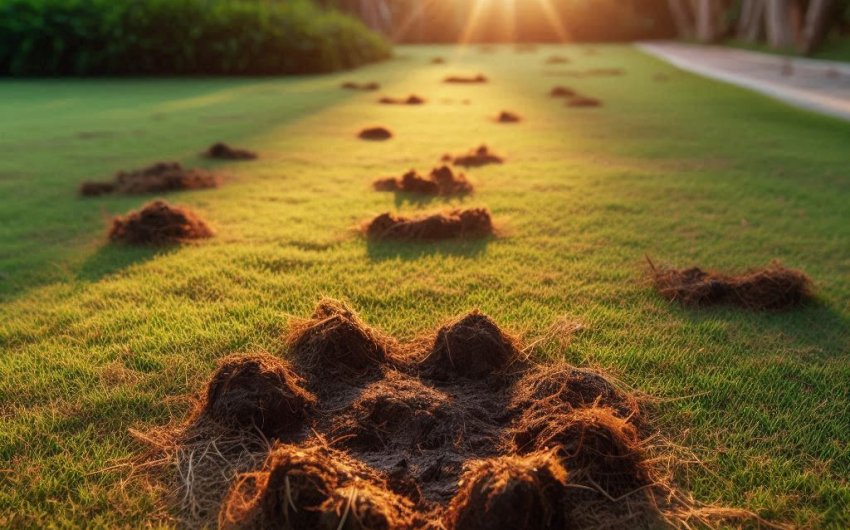
To correct lawn browning from pet waste, immediately dilute the affected area with copious amounts of water, then repair the damaged spots by raking out dead grass, amending the soil, and reseeding or patching with new sod. Prevention is key to maintaining a healthy, green lawn when you have pets.
Why Does Pet Waste Cause Lawn Browning?
The browning or "burning" of your lawn from pet waste, particularly dog urine, is a common issue for pet owners. It's not a mystery, but rather a direct result of the chemical composition of the waste. Understanding why pet waste causes lawn browning is the first step in effectively correcting and preventing the problem.
The Role of Nitrogen
- Excess Nitrogen: The primary culprit in pet urine is nitrogen. While nitrogen is an essential nutrient for plant growth and is found in most lawn fertilizers, too much of a good thing can be detrimental.
- "Fertilizer Burn": When urine is highly concentrated in one spot, it delivers a massive overdose of nitrogen to a small area of grass. This high concentration essentially "burns" the grass, much like over-applying granular fertilizer would. The excess salts and nitrogen draw water out of the grass cells, leading to dehydration and ultimately, browning and death of the grass blades.
- Urea and Uric Acid: Pet urine contains a nitrogenous compound called urea, which quickly breaks down into ammonia and then into other nitrogen forms in the soil. It also contains uric acid, which further contributes to the problem.
The "Halo" Effect
- Green Ring: You might notice that the brown patch is often surrounded by a ring of unusually lush, dark green grass. This "halo" effect occurs because the nitrogen that is not concentrated enough to burn the grass still acts as a fertilizer. It feeds the grass at the outer edges of the affected area, making it grow faster and appear greener than the rest of your lawn.
Factors Influencing Damage
- Urine Concentration: The higher the concentration of nitrogen in the urine, the more severe the damage. This is influenced by the pet's size, diet, hydration level, and how much urine is deposited in one spot.
- Dog vs. Cat: Dog urine tends to cause more visible damage than cat urine. Dogs typically urinate in a single concentrated stream, delivering a high dose of nitrogen to one spot. Cats, on the other hand, often dig and bury their waste, or their urine is more spread out, resulting in less concentrated exposure.
- Grass Type: Some grass varieties are more tolerant of nitrogen overload than others. Fescue and Rye grasses tend to be more susceptible to urine burn, while Bermuda grass and Zoysia grass are generally more tolerant.
- Soil Health: Poor soil drainage or compacted soil can worsen the problem by keeping the urine concentrated for longer periods.
- Gender of Pet: Female dogs are often cited as causing more damage than males because they squat, delivering a more concentrated stream to one spot. Male dogs often lift a leg, distributing the urine more widely across vertical surfaces or plants, which can spread the nitrogen out more.
Understanding these factors helps in both correcting lawn browning from pet waste and implementing effective prevention strategies to keep your lawn healthy and green.
How Can You Repair Existing Brown Spots from Pet Waste?
Once you have those tell-tale brown spots, acting quickly can minimize damage, but effective repair methods are key to restoring your lawn. Correcting lawn browning from pet waste involves more than just watering; it requires a bit of lawn care know-how.
Step 1: Immediate Dilution
- The First Line of Defense: As soon as you see your pet urinate on the lawn, immediately dilute the area with water. Use a hose to thoroughly flush the spot for at least 30-60 seconds.
- Why it Works: This washes away the concentrated nitrogen and salts, spreading them out over a larger area where they can be absorbed by more grass blades at lower, non-damaging concentrations, preventing or significantly reducing the burn.
- Frequency: Make this a habit every time your pet urinates on a susceptible area.
Step 2: Assess the Damage
- Observe: Give the diluted area a few days to see if the grass recovers. Sometimes, if caught early, the grass might just look stressed and bounce back.
- Identify Dead Spots: If the grass blades are truly brown and brittle, they are likely dead and won't recover. These are the spots that need physical repair.
Step 3: Repairing Dead Patches
Once you've determined the grass is dead, it's time for repair.
Remove Dead Grass:
Advertisement- Rake Vigorously: Use a rake (a stiff rake or a dethatching rake works well) to aggressively remove all the dead, brown grass and any thatch in the affected area. You want to expose the bare soil.
- Why it's Important: This clears out the damaged material and creates good seed-to-soil contact for new growth.
Amend the Soil:
- Neutralize and Improve: The soil in the affected area might still have elevated salt and nitrogen levels, and possibly an altered pH.
- Add Organic Matter: Work a small amount of compost or topsoil into the cleared patch. This helps dilute remaining contaminants, improve soil structure, and provide a good bed for new seeds.
- Optional Soil Amendments: Some gardeners use gypsum or lime to help neutralize salts, though thorough watering and compost are often sufficient for small spots. Follow product instructions carefully if using these.
- Commercial Products: There are commercial products specifically designed to repair pet urine spots, often containing a mix of gypsum, wetting agents, and sometimes seed. Dog Spot Repair Kit for Lawn
Reseed or Sod:
- Reseeding (Most Common):
- Choose the Right Seed: Use a grass seed variety that matches your existing lawn, or choose a more urine-tolerant variety like Bermuda grass or Zoysia grass for areas where your pet frequently urinates.
- Apply Seed: Sprinkle the grass seed evenly over the prepared patch. Follow the seeding rate instructions on the package.
- Lightly Cover: Lightly rake the seed into the soil or sprinkle a very thin layer of compost or topsoil over the seeds to protect them.
- Keep Moist: Crucially, keep the seeded area consistently moist (but not waterlogged) with light watering 2-3 times a day until the seeds germinate and the new grass is established. This is the most important step for success.
- Patching with Sod:
- Cut out Damage: Use a sharp knife or spade to cut out the brown patch in a neat shape (square or circle).
- Prepare Base: Loosen the soil beneath and amend with compost.
- Cut New Sod: Cut a piece of fresh sod to fit the removed patch exactly.
- Place and Firm: Place the new sod piece into the hole, ensuring it's level with the surrounding lawn. Gently press it down to ensure good contact with the soil underneath.
- Water Heavily: Water the new sod immediately and keep it consistently moist for the first 2-3 weeks to allow it to root into the existing soil.
- Reseeding (Most Common):
Step 4: Follow-Up Care
- Continue Dilution: Even after repair, continue to dilute future urine spots in the area to prevent new damage.
- Mowing: Avoid mowing the newly repaired area until the grass is well established and tall enough to be mowed with the rest of the lawn.
- Fertilizing: Be cautious with fertilizing newly repaired areas; too much can burn them. Follow a balanced lawn care schedule.
By following these steps, you can effectively correct lawn browning from pet waste and restore your lawn's healthy, green appearance.
What are the Best Prevention Strategies for Pet Urine Spots?
Prevention is always better than cure when it comes to lawn browning from pet waste. Implementing proactive strategies can significantly reduce or eliminate those unsightly brown spots, keeping your lawn consistently green.
1. Hydrate Your Pet
- Dilute Internally: A well-hydrated pet will have more diluted urine, which contains lower concentrations of nitrogen and salts.
- Provide Fresh Water: Ensure your pet always has access to fresh, clean drinking water, both indoors and outdoors.
- Consider Wet Food: If your pet primarily eats dry kibble, talk to your vet about incorporating some wet food into their diet, which has higher moisture content.
2. Train Your Pet to Potty in a Specific Area
- Designated "Potty Spot": Train your dog to urinate in a designated, less visible area of your yard that can withstand more abuse or is easier to repair.
- Materials: This area could be:
- Mulch or Gravel: Less attractive for grass growth, but can handle urine.
- Artificial Grass: A dedicated patch of dog-friendly artificial turf.
- Sacrificial Garden Bed: An area specifically for the pet, perhaps planted with urine-tolerant shrubs or groundcovers.
- Training Method: Take your dog to this spot consistently for potty breaks. Reward them heavily when they use it. Be patient; it takes time and consistency.
3. Dilute Immediately (As a Habit)
- Hose it Down: Carry a watering can or keep a hose readily available near common potty areas. Immediately after your dog urinates, thoroughly douse the spot with water for 30-60 seconds.
- Why it Works: This dilutes the nitrogen before it can cause significant burn, as discussed in the repair section. Make this a ritual!
4. Supplement Your Pet's Diet (Consult Vet First)
- Dietary Supplements: There are commercial pet supplements designed to neutralize or dilute the nitrogen in urine. These often contain ingredients like DL-methionine or yucca schidigera.
- Veterinary Consultation: Always consult your veterinarian before giving your pet any dietary supplements. Some ingredients might not be suitable for all pets or could interact with medications.
- Effectiveness: Results vary, and they are not a guaranteed solution.
5. Consider Lawn Products for Pet Spots
- Soil Amendments: Some products contain gypsum or other ingredients that claim to help neutralize the salts and nitrogen in urine. While they can help, they are usually not a standalone solution.
- "Pet-Friendly" Fertilizers: Use lawn fertilizers that are lower in nitrogen or formulated for slow release, reducing the overall nitrogen load on your lawn.
6. Choose Urine-Tolerant Grass Varieties
- More Resilient Grasses: If you're establishing a new lawn or overseeding, consider varieties known for better urine tolerance.
- Bermuda grass (warm-season): Generally very tolerant.
- Zoysia grass (warm-season): Also shows good tolerance.
- Tall Fescue (cool-season): While not immune, some specific cultivars show better tolerance than fine fescues or Kentucky bluegrass.
- Consult Local Experts: Ask your local nursery or extension office for recommendations on tolerant varieties best suited for your climate.
7. Encourage Your Dog to Urinate Elsewhere
- Hard Surfaces: Encourage your dog to pee on hardscaping like a patio, gravel path, or sidewalk where urine can be easily washed away. Reward them when they do.
- Hydrants/Trees: For male dogs, redirect them to a specific shrub, tree, or even a fake fire hydrant (if you have one) that is not part of your prized lawn.
By combining several of these prevention strategies, you can significantly reduce the incidence of lawn browning from pet waste and enjoy a healthier, greener lawn alongside your beloved furry friend.
Does Pet Gender or Breed Affect Lawn Damage?
While it's a common belief, the gender or breed of your pet doesn't directly alter the chemical composition of their urine. However, these factors can indirectly influence the amount and concentration of urine deposited in one spot, which in turn affects the severity of lawn browning from pet waste.
Gender Differences:
- Female Dogs (Squatting Urination): Female dogs typically squat to urinate, releasing a single, concentrated stream in one spot. This means a higher volume of nitrogen and salts is delivered to a smaller area of grass. This high concentration is the primary reason why female dogs are often perceived as causing more noticeable lawn damage.
- Male Dogs (Leg-Lifting Urination): Male dogs, especially when marking territory, tend to lift a leg and distribute smaller amounts of urine across multiple vertical surfaces (trees, shrubs, fence posts, or scattered across the lawn). While this behavior can damage individual plants or create smaller, more numerous spots, the total concentration of urine in any one spot on the flat lawn is often lower compared to a female's concentrated stream. However, if a male dog does a full "empty" on a flat lawn, the damage can be just as severe as from a female.
Breed and Size Differences:
- Body Size and Volume: Larger dog breeds generally produce a larger volume of urine per urination than smaller breeds. A greater volume means a larger quantity of nitrogen is released. If this large volume is deposited in a single concentrated spot (as is typical for female urination), the damage will be more extensive.
- Diet and Metabolism: While all dogs produce urea, variations in diet, metabolism, and hydration levels across breeds can subtly influence the concentration of nitrogen in their urine. However, these effects are usually minor compared to the sheer volume and concentration of the stream.
- Breed Predisposition to Hydration: Some breeds might naturally drink more or less water, which can affect urine dilution. Active breeds might also dehydrate faster.
- Habits: Individual dog habits, regardless of breed, play a huge role. A small dog that consistently pees in the exact same spot will cause more cumulative damage than a large dog that pees in varied locations.
Key Takeaway:
The underlying cause of lawn browning from pet waste is always the concentration of nitrogen. Gender and size influence how that nitrogen is delivered to the lawn. Female dogs and larger dogs tend to deliver higher concentrations to a single spot, making their damage more evident. Regardless of pet type, the prevention strategies (dilution, designated potty areas, good hydration) remain the most effective ways to manage lawn damage.
Are There Specific Lawn Products to Prevent or Repair Damage?
The market offers several products claiming to prevent or repair lawn browning from pet waste. While some can be helpful as part of a comprehensive strategy, it's important to understand their mechanisms and limitations. These products often complement, rather than replace, good pet and lawn care practices.
1. Lawn Repair Kits for Pet Spots:
- What they are: These kits typically include a mixture of fast-germinating grass seed, a soil amendment (like gypsum), and sometimes a quick-release fertilizer or wetting agent.
- How they work: You rake out the dead grass, apply the mix, and water. The gypsum helps to neutralize salts and improve soil structure, and the seed quickly fills in the bare spots.
- Effectiveness: Can be very effective for repairing existing brown spots quickly. Dog Spot Repair Kit for Lawn
- Considerations: Only repairs existing damage, doesn't prevent new spots. Still requires good watering discipline to germinate the new seed.
2. Soil Amendments (Gypsum, Activated Charcoal):
- Gypsum (Calcium Sulfate):
- How it works: Helps to displace sodium salts (which contribute to burn) from the soil and improve soil structure, particularly in compacted clay soils. It doesn't neutralize the nitrogen directly but helps flush it away more effectively.
- Effectiveness: More useful for improving overall soil health and drainage, which indirectly helps prevent future severe burns. Can assist in recovery after dilution.
- Application: Sprinkle granules over affected areas and water in.
- Activated Charcoal:
- How it works: Can absorb some impurities and chemicals, potentially helping to bind excess nitrogen temporarily.
- Effectiveness: Less proven for significant long-term prevention or repair of large urine spots in lawns. More for localized, minor issues.
3. Pet-Friendly Lawn Fertilizers:
- What they are: Fertilizers specifically formulated to have a lower nitrogen content or a slow-release nitrogen source.
- How they work: Reduce the overall nitrogen load in the soil, so when a pet urinates, the "overdose" of nitrogen is less severe than if the lawn was already heavily fertilized with fast-release nitrogen.
- Effectiveness: Good as a preventative measure for overall lawn health. Does not completely eliminate pet urine spots but can reduce their severity.
4. Urine Neutralizers/Absorbers for the Lawn:
- What they are: Granular products applied to the lawn (often near common urination spots) that claim to "neutralize" or "absorb" the damaging compounds in urine.
- How they work: Often contain bacteria, enzymes, or minerals that break down nitrogenous compounds or improve soil drainage.
- Effectiveness: Mixed results. Some users report moderate success, while others find them ineffective. They often work best in conjunction with immediate dilution.
- Considerations: May need frequent reapplication. Check ingredients to ensure they are safe for your lawn and pets.
5. Dog Rocks or Water Additives:
- Dog Rocks:
- What they are: Naturally occurring paramagnetic igneous rocks placed in your dog's water bowl.
- How they work (Claim): Allegedly filter out nitrates, ammonia, and other impurities from the water, making the urine less harmful to grass.
- Effectiveness: Highly debated. Many scientific studies show no significant impact on urine composition or lawn damage. Anecdotal evidence varies widely.
- Considerations: Still requires good hydration and proper bowl cleaning.
- Water Additives/Supplements:
- What they are: Oral supplements (liquids, chews) for pets, containing ingredients like DL-methionine, yucca schidigera, or probiotics.
- How they work (Claim): Aim to acidify the urine, bind ammonia, or improve digestion to reduce harmful compounds.
- Effectiveness: Variable. Always consult your veterinarian before administering any supplements to your pet. They are not a magic bullet and may not be suitable for all animals.
In summary, while specific products can aid in correcting lawn browning from pet waste or offer some preventative help, the most reliable strategies remain dilution, designated potty areas, proper pet hydration, and choosing tolerant grass types.
What Grass Types are More Tolerant to Pet Urine?
When dealing with lawn browning from pet waste, the type of grass you have can significantly influence how well it withstands the onslaught of concentrated nitrogen. Some grass varieties are naturally more resilient, while others are quite sensitive. Knowing the grass types more tolerant to pet urine can help you in prevention or when overseeding damaged areas.
More Tolerant Grasses:
Bermuda Grass (Cynodon dactylon)
- Region: Warm-season grass, thrives in hot climates (Southern US, transition zones).
- Tolerance: Considered one of the most tolerant grasses to dog urine. Its dense, vigorous growth and ability to spread (rhizomes and stolons) allow it to recover quickly from damage.
- Growth: Forms a dense, tough turf.
- Considerations: Can go dormant (turn brown) in cold temperatures. Invasive in some areas.
Zoysia Grass (Zoysia japonica)
- Region: Warm-season grass, also good for warm and transition zones.
- Tolerance: Another excellent choice for pet owners. It forms a very dense, wear-resistant turf that can handle concentrated traffic and urine better than many other types. Its slow growth might mean slower recovery, but it's generally more resilient from the start.
- Growth: Spreads slowly, creating a thick carpet.
- Considerations: Can be slow to establish from seed/plugs. Goes dormant in winter.
Tall Fescue (Festuca arundinacea)
- Region: Cool-season grass, popular in temperate and transition zones.
- Tolerance: Among cool-season grasses, tall fescue generally exhibits better urine tolerance than Kentucky bluegrass or fine fescues. Its deeper root system helps it access more water and nutrients, making it somewhat more resilient to nitrogen burn.
- Growth: Clumping growth habit, can form a coarse blade.
- Considerations: Still susceptible to damage, but less so than other cool-season options. Look for newer, improved cultivars that specifically mention stress tolerance.
Less Tolerant Grasses:
Kentucky Bluegrass (Poa pratensis)
- Region: Cool-season grass, very popular in northern climates.
- Tolerance: Highly susceptible to dog urine burn. It has a relatively shallow root system and isn't as robust as tall fescue when faced with concentrated nitrogen.
- Growth: Spreads by rhizomes, creating a dense, beautiful turf when healthy.
Perennial Ryegrass (Lolium perenne)
- Region: Cool-season grass, often used in mixes or for overseeding.
- Tolerance: Also quite sensitive to urine burn. While it germinates quickly, it doesn't recover well from concentrated damage.
Fine Fescues (Red Fescue, Chewings Fescue, Hard Fescue)
- Region: Cool-season grasses, often used in shady mixes.
- Tolerance: These delicate, fine-bladed fescues are generally quite susceptible to urine burn due to their more fragile nature.
Strategies for Mixed Lawns:
If you have a mixed lawn or a less tolerant grass type:
- Overseed with Tolerant Varieties: When overseeding or repairing bare spots, consider using tall fescue for cool-season lawns or Bermuda/Zoysia for warm-season lawns in the high-traffic pet areas.
- Focus on Prevention: For less tolerant grasses, it becomes even more crucial to emphasize prevention strategies like immediate dilution and designated potty areas.
Choosing or overseeding with grass types more tolerant to pet urine can significantly help in managing and correcting lawn browning from pet waste, contributing to a healthier and more uniform lawn.
Does Dog Food Affect Urine Acidity and Lawn Damage?
The idea that dog food affects urine acidity and lawn damage is a common topic among pet owners and often misunderstood. While a dog's diet does influence their overall health and waste products, directly manipulating urine pH through diet to prevent lawn burn is complex and generally not the most effective solution for correcting lawn browning from pet waste.
Understanding Urine pH:
- Normal Range: A healthy dog's urine pH typically ranges from about 6.0 to 7.5, which is slightly acidic to slightly alkaline.
- Dietary Influence: Diet can subtly shift urine pH.
- High-Protein Diets: Can sometimes lead to more acidic urine.
- Vegetable-Heavy Diets: Might lead to more alkaline urine.
- Veterinary Control: Veterinarians sometimes prescribe specific diets to adjust urine pH for medical reasons (e.g., to prevent certain types of bladder stones). This is a precise science done under veterinary supervision.
Why pH Manipulation for Lawns is Problematic:
- Nitrogen is the Primary Culprit, Not pH: While highly acidic or alkaline urine could theoretically harm grass, the overwhelming scientific consensus is that the high concentration of nitrogen (specifically urea and uric acid) in the urine is the main cause of "lawn burn," not its pH.
- Risk to Pet Health: Attempting to alter a pet's urine pH significantly through diet or supplements without veterinary guidance can lead to serious health problems for the animal, including kidney stones, bladder stones, or urinary tract infections. A dog's body naturally regulates its pH, and disrupting this balance can be dangerous.
- Limited Effectiveness for Lawn: Even if urine pH is slightly altered, the sheer volume of nitrogen concentration still delivered to a small patch of grass is likely to cause damage. The effects on lawn health are usually minimal compared to the impact of nitrogen.
- No "Safe" pH for High Nitrogen: There isn't a magical urine pH that would make highly concentrated nitrogen safe for grass. The overdose of a nutrient is still an overdose.
What Matters More Than pH in Diet:
- Hydration: As discussed earlier, water intake is far more critical than urine pH. A diet with higher moisture content (like wet food) or simply ensuring constant access to fresh water leads to more diluted urine, which directly reduces the concentration of nitrogen and salts. This is the most effective dietary strategy for minimizing lawn damage.
- Protein Content (Minor Influence): While high-protein diets can lead to more nitrogen in the urine overall, simply feeding a lower protein diet isn't usually recommended unless there's a specific veterinary reason. All commercial dog foods are formulated to provide essential nutrients for your dog's health.
Conclusion:
While dog food does affect urine composition, focusing on significantly altering urine pH to save your lawn is generally not an effective or safe strategy. The risks to your pet's health outweigh any potential minor benefits for the lawn. Instead, concentrate on the proven methods for correcting lawn browning from pet waste: ensuring your dog is well-hydrated, training them to use designated potty areas, and immediately diluting spots with water.
Can You Protect Your Lawn Without Changing Pet Habits?
Completely protecting your lawn without changing pet habits is challenging, as the core problem lies in the concentrated urination. However, there are some passive and active methods you can employ to minimize damage and still enjoy a green lawn, even if direct habit changes are difficult.
1. Implement Immediate Dilution as a Standard Practice:
- The Most Effective "Passive" Method: Even if your dog won't go to a specific spot, making immediate dilution a routine whenever they urinate is the most impactful step.
- Automation: Consider installing a smart sprinkler system or a motion-activated sprinkler in areas frequently targeted by your pet. You can set them to spray a burst of water after detecting movement, helping to dilute urine. Motion Activated Sprinkler Deterrent
2. Install Artificial Turf Patches:
- Sacrificial Zones: If you have specific areas where your pet consistently urinates, install a section of artificial turf. This provides a durable, easy-to-clean surface that won't be damaged by urine.
- Why it Works: It completely removes the grass from the equation in high-impact zones.
- Considerations: Can be an upfront investment. Requires occasional cleaning to prevent odor buildup. Artificial Grass for Dogs
3. Redesign High-Traffic Areas with Hardscaping or Mulch:
- Alternative Surfaces: For areas of your lawn that are consistently suffering, consider replacing the grass with a pet-friendly hardscaping material (gravel, pavers) or mulch.
- Benefits: These materials are immune to urine burn and can often be easier to clean or refresh than repairing grass.
4. Utilize Urine-Tolerant Grass Varieties:
- Overseed or Resod: If your current lawn is highly susceptible, consider overseeding with or resodding sections with more tolerant grass types like Bermuda or Zoysia in warm climates, or Tall Fescue in cool climates.
- Long-Term Strategy: This is a long-term solution that builds greater resilience into your lawn.
5. Maintain Overall Lawn Health:
- Stronger Grass: A healthy, well-maintained lawn is more resilient to stress, including urine burn.
- Proper Mowing: Mow at the correct height for your grass type (taller grass is generally more robust).
- Adequate Watering: Ensure your entire lawn receives enough water, especially during dry spells.
- Balanced Fertilization: Don't over-fertilize with nitrogen. Use slow-release fertilizers.
- Aeration and Dethatching: Improve soil health and drainage, helping to disperse concentrated urine.
6. "Lure" Away From Prime Areas:
- Strategic Placement of Objects: For male dogs, placing a vertical object (like a small rock, decorative garden gnome, or even a designated small tree stump) in a less visible or less important area of the lawn might encourage them to mark there, drawing urine away from prized turf.
While completely protecting your lawn without any change in pet habits is difficult, combining several of these strategies can significantly reduce visible damage and help you correct lawn browning from pet waste by mitigating its effects on your turf.
How to Blend Repaired Spots with Existing Lawn?
After successfully repairing those brown spots caused by pet waste, the next challenge is making them blend seamlessly with the rest of your lawn. A patchy lawn, even if green, can still look unsightly. Achieving a uniform look involves careful product selection and ongoing care for your lawn browning from pet waste repair.
1. Choose the Right Grass Seed or Sod:
- Matching is Key: This is the single most important factor for a seamless blend. Use a grass seed or sod variety that matches your existing lawn's type, blade width, and color as closely as possible.
- If you don't know your grass type, compare photos online or take a sample to a local nursery for identification.
- Many lawn seed mixes are available; choose one designed for "patching" or "matching existing lawn."
- Consider "Sacrificial" Patches: If the spot is a frequent target, you might choose a more urine-tolerant variety (like a specific tall fescue cultivar or Bermuda) even if it doesn't perfectly match, prioritizing resilience over perfect aesthetics in that small spot. However, for general blending, matching is superior.
2. Prepare the Soil Properly:
- Smooth Transition: When raking out dead grass and adding compost/topsoil, ensure the patch is level with the surrounding lawn. Avoid creating a raised mound or a depression. A smooth transition encourages uniform growth.
- Good Seed-to-Soil Contact: Ensure seeds are lightly covered and pressed into the soil for optimal germination.
3. Consistent Watering:
- Crucial for New Growth: Newly seeded or sodded areas need consistent moisture to establish. This means light, frequent watering (2-3 times a day) until the new grass is established.
- Hydrate Surrounding Area: Water the surrounding healthy grass normally, but ensure the new patch receives its specialized care without overwatering the mature lawn. Consistent moisture helps both the new grass grow well and the existing grass recover from stress.
4. Mowing Techniques:
- Delay First Mow: Allow newly established grass to grow a bit taller than the rest of the lawn before its first mow. This helps it develop stronger roots.
- Sharp Blades: Always use a mower with sharp blades. Dull blades tear grass, making it susceptible to disease and looking ragged, which will highlight inconsistencies.
- Mow High: Mow your entire lawn at the highest recommended height for your grass type. Taller grass shades the soil, promotes deeper roots, and helps disguise minor differences between patches.
- Vary Mowing Pattern: Change your mowing direction each time to encourage grass blades to grow upright and fill in evenly, rather than always leaning one way.
5. Fertilization and Soil Health:
- Gentle Approach: Be careful with fertilizing newly repaired areas. Wait until the new grass is well-established before applying a full-strength fertilizer.
- Overall Lawn Health: A strong, healthy lawn (achieved through proper fertilization, aeration, and soil care) will naturally fill in thinner areas and make minor inconsistencies less noticeable.
- Topdressing (Optional): Lightly topdressing your entire lawn with compost can gradually improve soil health and promote thicker, more uniform growth, helping to blend repaired areas over time.
6. Patience:
- Time is a Healer: It takes time for new grass to mature and fully blend with established turf. Don't expect instant perfection. Over several weeks or months, and with consistent care, the patches will integrate seamlessly.
By focusing on matching your grass, meticulous soil preparation, consistent watering, and smart mowing, you can effectively blend repaired spots with your existing lawn, making those past instances of lawn browning from pet waste a distant memory.