
Understanding Lawn Fertilizer Burn and How to Prevent It
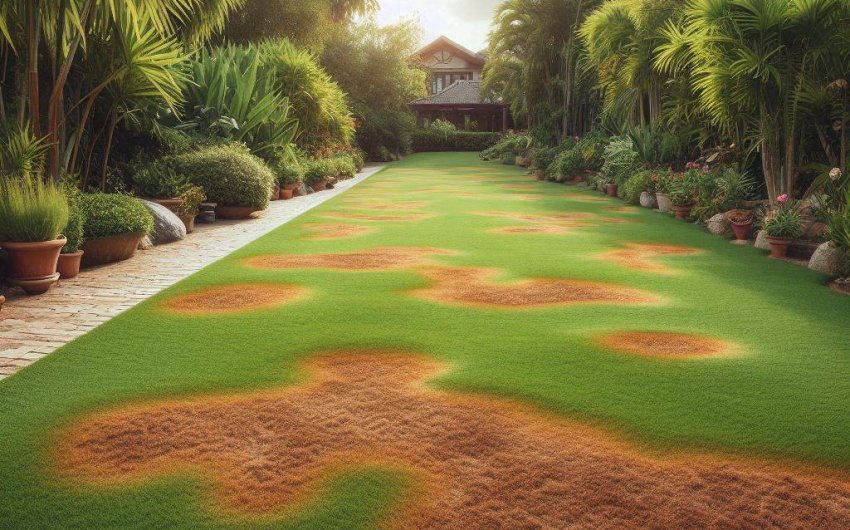
Lawn fertilizer burn occurs when too much fertilizer, especially one high in nitrogen, is applied to grass, causing the grass blades to dry out and turn brown or yellow as if scorched. This damage happens because the high salt content in fertilizers draws moisture out of the grass cells through a process called osmosis.
What Causes Lawn Fertilizer Burn?
Lawn fertilizer burn is primarily caused by an excess concentration of salts in the soil, which are introduced through the fertilizer. Understanding the specific ways this happens is key to prevention.
- Over-Application: Applying too much fertilizer for the lawn size is the most common cause. More is not always better when it comes to nutrients.
- Uneven Application: If you apply fertilizer unevenly, some areas receive a much higher concentration than others, leading to localized burn spots. This is common with broadcast spreaders if not used carefully.
- Applying to Wet Grass (with Fast-Release Fertilizers): When fast-release granular fertilizers sit on wet grass blades, they can dissolve quickly and create a high concentration of salts directly on the leaves, causing burn. Water droplets also act as magnifying glasses, intensifying the sun's heat.
- Applying During Drought or Heat Stress: When grass is already stressed by dry conditions or high temperatures, its ability to absorb water is compromised. Adding fertilizer at this time can quickly overwhelm the roots and cause burn.
- Using High-Nitrogen, Fast-Release Fertilizers: Fertilizers with a high percentage of nitrogen, especially those in a "fast-release" form, are more likely to cause burn because nitrogen salts are highly water-soluble and can quickly create an intense salt concentration.
- Not Watering In Granular Fertilizer: After applying granular fertilizer, it's crucial to water it into the soil. If left on the grass blades, the granules can cause contact burn as they dissolve.
- Spills: Accidental spills of granular fertilizer (e.g., when refilling the spreader) create highly concentrated areas that almost guarantee burn.
What Are the Signs of Lawn Fertilizer Burn?
Recognizing the signs of lawn fertilizer burn is crucial for quick intervention and minimizing damage. The symptoms typically appear quickly, often within a few days of application.
- Yellowing Grass: The initial sign often starts as a yellowish discoloration of the grass blades. This is typically a bright, almost neon yellow, rather than the dull yellow of underwatered grass.
- Browning and Crispy Grass: As the burn progresses, the yellow areas turn brown and eventually become brittle and crispy, resembling straw or scorched earth. This is often seen in distinct patches or stripes.
- Stripes of Brown/Yellow: If the fertilizer was applied unevenly, you might see distinct stripes of burned grass corresponding to overlapping passes of a spreader.
- Circular Patches of Damage: This often indicates where fertilizer granules were spilled or clumped together.
- Sudden Decline: The onset of symptoms is usually rapid, happening shortly after fertilizer application.
- Slow or No Growth in Affected Areas: Even if the grass isn't completely dead, growth in burned areas will be stunted or nonexistent.
How Do You Treat Lawn Fertilizer Burn?
If you notice the signs of lawn fertilizer burn, acting quickly can help mitigate the damage and encourage recovery.
- Water Immediately and Heavily:
- Goal: The primary goal is to leach the excess fertilizer salts away from the grass roots and dilute their concentration.
- Method: Apply a significant amount of water to the affected areas, at least 1 inch, possibly more depending on the severity and soil type. Think about running your sprinkler for 30 minutes to an hour over the burned spots.
- Frequency: Continue to water heavily every day for about a week, focusing on the burned areas. This flushes the salts deeper into the soil, away from the root zone.
- Caution: Ensure good drainage to prevent waterlogging, which can lead to other issues like fungal diseases.
- Rake Up Dead Grass (If Applicable):
- Once the burned areas are completely dry after the initial heavy watering, gently rake away any completely dead, crispy grass. This removes unsightly debris and opens up the soil for potential regrowth or reseeding. A Lawn Rake will be helpful.
- Aerate the Soil (Optional but Recommended for Severe Cases):
- For severely burned areas, aerating (removing small plugs of soil) can help improve drainage and allow air and water to penetrate more effectively, aiding in recovery. You can use a Hand Aerator for small patches.
- Wait and Observe:
- Patience: Not all burned grass is dead grass. Sometimes, the roots survive, and the grass will recover over time, especially with consistent watering.
- New Growth: Look for signs of green shoots emerging from the base of the damaged blades. This indicates recovery.
- Reseed or Patch (If Necessary):
- If, after a few weeks of consistent watering and observation, the burned areas show no signs of recovery, the grass has likely died.
- Preparation: Rake out all dead material. Loosen the top few inches of soil.
- Apply Seed: Spread new grass seed appropriate for your lawn type over the bare patches. A Grass Seed Spreader can ensure even coverage.
- Cover: Lightly cover the seed with a thin layer of topsoil or peat moss to protect it.
- Water Gently: Keep the reseeded areas consistently moist (but not soggy) until the new grass establishes.
- Sod: For larger dead areas, laying sod might be a faster solution.
How Can You Prevent Lawn Fertilizer Burn?
Preventing lawn fertilizer burn is much easier than treating it. Following best practices for fertilizer application is crucial.
1. Read the Label (Always!)
- Application Rates: This is the most important information. The label will tell you exactly how much fertilizer to apply per square foot or per 1,000 square feet. Do not guess.
- Application Method: It will specify whether to use a broadcast spreader, drop spreader, or liquid application.
- Watering Instructions: It will clearly state whether to water in immediately or not.
- Safety Precautions: Always follow any warnings or safety instructions.
2. Measure Your Lawn Accurately
- Square Footage: Don't just estimate. Use a measuring tape or online mapping tools to determine the precise square footage of your lawn. This prevents over-applying product.
3. Use the Right Spreader and Calibrate It
- Spreader Type: Choose between a broadcast spreader (covers a wide area, good for large lawns) or a drop spreader (applies in a precise strip, good for smaller areas or edges).
- Calibration: This is critical. Follow your spreader's instructions and the fertilizer label to set the spreader to the correct opening size for your specific product. An improperly calibrated spreader can lead to uneven application and burn. A reliable Lawn Spreader is a worthy investment.
4. Apply to Dry Grass (for Granular)
- Rule of Thumb: Always apply granular fertilizer to dry grass blades. This prevents the granules from sticking to the blades and causing contact burn as they dissolve too quickly.
- Dew Check: Wait until morning dew has evaporated.
5. Water In Immediately and Thoroughly (for Granular)
- Crucial Step: After applying granular fertilizer, water your lawn thoroughly to wash the granules off the grass blades and into the soil. Aim for about 1/2 inch of water.
- Dilution: This dilutes the salt concentration and ensures the nutrients reach the roots where they can be absorbed safely.
6. Avoid Fertilizing a Stressed Lawn
- Drought/Heat: Never fertilize a lawn that is already stressed by drought or extreme heat (temperatures consistently above 85°F). The grass is vulnerable and cannot handle the added stress of fertilizer salts.
- Dormancy: Do not fertilize when your grass is dormant.
7. Choose Slow-Release Fertilizers
- Safer Option: Slow-release (or "slow-feed" or "controlled-release") fertilizers break down gradually over weeks or months. This provides a steady supply of nutrients and significantly reduces the risk of burn. Look for terms like "ureaform," "sulfur-coated urea," or "methylene urea" in the ingredients.
- Nitrogen Source: Fast-release fertilizers often use readily available forms of nitrogen like urea or ammonium nitrate, which can cause burn if over-applied.
8. Use Less if You're Unsure
- If you're between recommended rates or unsure, err on the side of applying slightly less fertilizer. You can always add more later if needed, but you can't easily undo burn.
9. Sweep Up Spills
- If you accidentally spill granular fertilizer on the lawn, sweep it up immediately and either redistribute it evenly or discard it. Do not leave it to dissolve in a concentrated spot.
10. Consider a Soil Test
- A professional soil test tells you exactly what nutrients your lawn needs (and doesn't need). This prevents applying unnecessary nutrients that could contribute to burn. It also provides information on soil pH, which affects nutrient availability. You can get a Home Soil Test Kit for basic results.
What Are the Different Types of Lawn Fertilizers?
Understanding the types of fertilizers helps in preventing lawn fertilizer burn. Fertilizers are categorized by their nutrient release rate and form.
Based on Nutrient Release Rate:
- Fast-Release Fertilizers:
- Pros: Provide quick green-up, visible results within days.
- Cons: Higher risk of lawn fertilizer burn due to rapid nutrient availability; nutrients can leach out quickly; require more frequent application.
- Common Nitrogen Forms: Urea, Ammonium Nitrate, Ammonium Sulfate.
- Slow-Release Fertilizers:
- Pros: Provide a steady, consistent supply of nutrients over weeks or months; significantly lower risk of lawn fertilizer burn; less frequent application needed; better for overall lawn health.
- Cons: Slower initial green-up; generally more expensive.
- Common Nitrogen Forms: Sulfur-coated urea (SCU), polymer-coated urea (PCU), ureaform, methylene urea, isobutylidene diurea (IBDU), natural organic fertilizers (e.g., compost, manures).
Based on Form:
- Granular Fertilizers:
- Description: Dry pellets that are spread over the lawn.
- Application: Requires a spreader for even application. Must be watered in after application to activate and prevent burn.
- Risk: Higher risk of burn if applied unevenly or not watered in.
- Liquid Fertilizers:
- Description: Concentrated liquids that are mixed with water and sprayed onto the lawn.
- Application: Often applied with a hose-end sprayer. Can provide more even coverage than granular if applied correctly.
- Risk: Lower risk of general burn across the lawn due to dilution, but concentrated drips from the sprayer or too high a concentration can still cause spots.
NPK Ratio Explained:
Fertilizer bags display three numbers (e.g., 10-10-10 or 24-0-6), representing the percentage by weight of Nitrogen (N), Phosphorus (P), and Potassium (K) – the three primary macronutrients grass needs.
- Nitrogen (N): Promotes lush, green, leafy growth. Too much causes burn.
- Phosphorus (P): Important for root development, especially for new lawns and seedlings. Often restricted in some areas due to environmental concerns.
- Potassium (K): Essential for overall plant health, stress tolerance (drought, heat, cold), and disease resistance.
For established lawns, a fertilizer with a higher first number (Nitrogen) is common, but balancing it with slow-release forms is key to avoiding burn.
The Importance of Soil Health in Preventing Lawn Fertilizer Burn
A healthy soil environment is your best defense against lawn fertilizer burn and ensures your grass can efficiently use the nutrients you provide.
Soil Structure and Drainage
- Compaction: Compacted soil has fewer air pockets, leading to poor drainage and reduced oxygen for roots. This makes roots more susceptible to burn when excess salts are present.
- Aeration: Regularly aerating your lawn (especially if you have clay soil or heavy foot traffic) helps break up compaction, improves drainage, and allows air, water, and nutrients to penetrate the root zone effectively.
- Organic Matter: Incorporating organic matter (like compost) into your soil improves its structure, enhances drainage in heavy soils, and increases water retention in sandy soils. It also provides a slow, natural source of nutrients.
Soil pH
- Nutrient Availability: Soil pH affects how easily plants can absorb nutrients. If the pH is too acidic or too alkaline, even if nutrients are present, the grass might not be able to access them, leading to signs of deficiency even with fertilization.
- Optimal Range: Most turfgrasses prefer a slightly acidic to neutral pH (between 6.0 and 7.0).
- Soil Test: A soil test will tell you your pH and recommend amendments (like lime to raise pH or sulfur to lower it) to bring it into the optimal range.
Beneficial Microorganisms
- Healthy soil is teeming with microorganisms that break down organic matter and convert nutrients into forms plants can use. They also contribute to a balanced soil ecosystem.
- Avoid Over-Fertilizing: Excessive fertilizer application can sometimes harm these beneficial microbes, reducing their activity and potentially contributing to nutrient imbalances or thatch buildup.
By understanding the causes, recognizing the signs of lawn fertilizer burn, and implementing proper application techniques along with good soil health practices, you can effectively prevent this common lawn care mishap. A thoughtful approach to fertilization ensures your lawn receives the nutrients it needs to thrive without suffering from the damaging effects of too much of a good thing.