
How to Tackle Winter Lawn Molds Like Snow Mold?
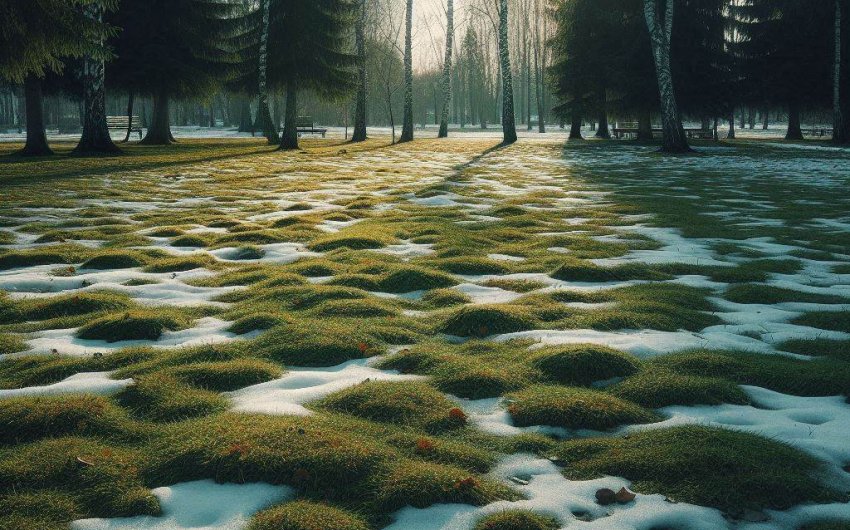
To tackle winter lawn molds like Snow Mold, begin by gently raking affected areas in spring to break up matted grass and promote air circulation. The most effective long-term strategy involves preventing its occurrence through proper fall lawn care, including appropriate mowing, reducing thatch, and avoiding excessive nitrogen fertilization before winter sets in.
What is Snow Mold and Why Does It Appear on Lawns?
Snow mold is a common and often disheartening sight for homeowners in colder climates, appearing as unsightly patches on the lawn as the snow melts in spring. It's a type of fungal disease that develops under a blanket of snow, often going unnoticed until the white disappears. Understanding what Snow Mold is and why it appears is the first step in learning how to tackle winter lawn molds effectively.
What is Snow Mold?
Snow mold is a general term referring to two primary types of cold-weather fungal diseases that affect turfgrass:
- Pink Snow Mold (Fusarium patch): Caused by the fungus Microdochium nivale. It appears as roughly circular patches, typically 2-12 inches in diameter, that are tan or pinkish-brown at the edges. Under wet conditions, you might see a faint pink or reddish fungal growth (mycelium) at the edges of the patches. It can develop with or without snow cover, especially in cool, wet conditions (32-50°F / 0-10°C).
- Gray Snow Mold (Typhula blight): Caused by fungi Typhula incarnata or Typhula ishikariensis. It forms larger, circular or irregular patches, often 6 inches to several feet in diameter, that are straw-colored or whitish-gray. The most distinctive feature is the presence of hard, pepper-like fungal structures called sclerotia (small, dark brown to black for T. ishikariensis, or reddish-brown for T. incarnata) embedded in the matted grass. This type strictly requires prolonged snow cover over unfrozen ground to develop.
Why Does Snow Mold Appear on Lawns?
Snow mold fungi are active in cold, wet conditions, particularly when the ground is unfrozen but covered by snow. Several factors contribute to its appearance:
- Prolonged Snow Cover: This is the most significant factor for Gray Snow Mold. A continuous blanket of snow acts like an insulating layer, keeping the soil unfrozen and moist beneath. This creates a dark, humid, and still environment – the perfect breeding ground for these cold-loving fungi.
- Cool, Wet Conditions: Both types of Snow Mold thrive in cool temperatures (just above freezing to about 50°F or 10°C) combined with high humidity and moisture. This is why it's so common as snow melts. Pink Snow Mold can even occur without snow if conditions are cool and wet enough.
- Tall Grass Going into Winter: If the lawn is left too long before winter, the tall grass blades become matted down under the snow. This matted layer traps moisture, reduces air circulation, and provides ample organic matter for the fungi to feed on. It's like putting a wet blanket over your lawn.
- Excessive Thatch: A thick layer of thatch (a layer of dead and living grass stems, roots, and rhizomes that accumulates between the soil surface and the green grass blades) provides a prime food source and habitat for Snow Mold fungi. It also holds excess moisture.
- Compacted Soil: Poorly draining, compacted soil contributes to prolonged wetness at the surface, exacerbating Snow Mold problems.
- Heavy Nitrogen Fertilization in Late Fall: Applying too much nitrogen fertilizer late in the fall encourages lush, tender new growth that doesn't have time to harden off before winter. This soft, succulent tissue is highly susceptible to Snow Mold infection and mats down easily.
- Poor Air Circulation: Anything that reduces air movement over the lawn surface (e.g., dense shrubbery, piles of leaves, heavy snow drifts) can create localized conditions favorable for Snow Mold.
- Certain Grass Types: Cool-season grasses like Bentgrass, Perennial Ryegrass, and Fine Fescues are generally more susceptible to Snow Mold than Kentucky Bluegrass.
While unsightly, Snow Mold typically does not kill the grass crowns (the base of the grass plant where new growth emerges), especially Gray Snow Mold. The damage is usually to the blades. However, severe or recurring infections can weaken the lawn and leave it susceptible to other issues. Understanding these causes is crucial for preventing and effectively treating winter lawn molds like Snow Mold.
What Does Snow Mold Look Like on My Lawn? (Identification)
Identifying Snow Mold on your lawn is crucial for knowing how to tackle winter lawn molds effectively. It typically becomes visible in early spring as the snow melts, revealing distinct, often circular, patches of affected turf. Knowing the specific characteristics of each type of Snow Mold (Pink vs. Gray) will help you pinpoint the problem.
1. General Appearance (Common to Both):
- Patches: Both types of Snow Mold appear as roughly circular or irregularly shaped patches of dead or matted grass.
- Location: Most commonly seen where snow has recently melted, often under snow drifts or where snow has lingered longer.
- Color: The affected grass within the patches is usually tan, straw-colored, or grayish-white.
2. Pink Snow Mold (Fusarium Patch) - Microdochium nivale:
- Patch Size: Typically smaller, ranging from 2 to 12 inches (5-30 cm) in diameter.
- Shape: Usually distinct, roughly circular patches.
- Color of Affected Grass: The grass within the patch will be tan or pinkish-brown, often with a slightly reddish or pinkish tinge at the outer edges, especially when wet.
- Fungal Growth (Mycelium): When conditions are cool and very wet (e.g., damp morning after snow melts), you might see a faint, fine, cobweb-like fungal growth (mycelium) that is pink or reddish-orange at the very edges of the active patch. This mycelium often looks like a thin film spread over the grass blades. This is the key distinguishing feature.
- Matted Grass: The grass blades within the patch may appear slightly matted.
- Sclerotia: No sclerotia (hard, pepper-like fungal structures) are present with Pink Snow Mold.
- Damage: Primarily affects grass blades, but in severe cases, or during prolonged cool, wet weather, it can damage the crown and lead to dead areas. Can occur with or without snow cover.
3. Gray Snow Mold (Typhula Blight) - Typhula incarnata or Typhula ishikariensis:
- Patch Size: Generally larger than Pink Snow Mold, often ranging from 6 inches to several feet (15 cm - 1 meter or more) in diameter. Patches can sometimes merge to cover very large irregular areas.
- Shape: Can be circular or more irregular/blotchy.
- Color of Affected Grass: The grass within the patch is typically straw-colored to whitish-gray. It often appears bleached or dried out.
- Fungal Growth (Mycelium): When wet, you might see a fluffy, white or grayish-white, cobweb-like fungal growth (mycelium) spread over the matted grass blades. It's often thicker and more visible than Pink Snow Mold's mycelium. As it dries, it can become crusty.
- Sclerotia (Key Distinguishing Feature!): The most definitive diagnostic feature of Gray Snow Mold is the presence of sclerotia. These are small, hard, seed-like or pellet-like structures embedded in the matted grass blades and thatch within the affected patch.
- Typhula incarnata: Produces reddish-brown sclerotia (about the size of a pinhead).
- Typhula ishikariensis: Produces tiny, dark brown to black sclerotia (resembling poppy seeds or pepper flakes).
- Matted Grass: The grass within the patch is almost always severely matted down, appearing flattened and stuck together.
- Damage: Primarily affects grass blades. While unsightly, it usually does not kill the grass crown, and the lawn often recovers well as temperatures rise and new growth begins. Strictly requires prolonged snow cover to develop.
Differentiating Snow Mold from Other Lawn Issues:
- Dollar Spot: Smaller, silver-dollar sized patches, usually with distinct lesions on grass blades. Not specifically winter.
- Brown Patch: Larger, irregular brown patches, often with a "smoke ring" appearance, typically occurring in hot, humid summer conditions.
- Dog Urine Spots: Circular brown spots, often with a dark green ring around them. No matted grass or fungal growth.
- Salt Damage: Patches near sidewalks or driveways where de-icing salts were used. Grass blades appear dried out and bleached.
By carefully observing the size, color, presence/absence of pinkish tint, and especially the presence or absence of sclerotia and mycelial growth, you can accurately identify whether your lawn is suffering from Snow Mold and determine the best ways to tackle winter lawn molds in your yard.
How to Treat Snow Mold Patches in Spring? (Immediate Steps)
Once you've identified Snow Mold patches on your lawn in early spring, there are immediate steps you can take to help your lawn recover and prevent the spread of the disease. These actions focus on drying out the affected areas and encouraging new growth.
1. Gentle Raking or Light Disturbance:
- Purpose: This is the most important immediate step. Snow mold thrives in matted grass that traps moisture. Gently breaking up this matted layer exposes the affected grass blades to air and sunlight, helping them dry out.
- How: Use a soft-tined rake (like a leaf rake) or even a broom. Gently rake the affected patches to fluff up the matted grass. Avoid aggressive raking that could pull up healthy grass crowns.
- Caution: If the ground is still frozen or very muddy, wait a day or two until it's more workable. Avoid walking heavily on the affected areas until they've dried out a bit.
2. Improve Air Circulation:
- Purpose: Air movement is crucial for drying out the turf and inhibiting fungal growth.
- How:
- Remove Debris: Clear away any remaining piles of leaves, snow drifts, or other debris that are holding moisture over the lawn.
- Prune Overhanging Branches: If a tree or shrub casts heavy shade or creates a stagnant air pocket over an area prone to Snow Mold, consider light pruning of lower branches to improve air circulation.
- Timing: As soon as conditions allow in early spring.
3. Reseed Damaged Areas (If Necessary):
- Purpose: For areas where Snow Mold has caused significant damage to the grass crowns (more common with severe Pink Snow Mold or persistent Gray Snow Mold), reseeding will be necessary to fill in bare spots.
- How:
- Prepare: Once the affected area has dried out and you've gently raked, rake more aggressively to remove dead grass and loosen the top inch of soil.
- Seed: Broadcast quality grass seed appropriate for your lawn type.
- Cover: Lightly cover the seed with a thin layer of topsoil or compost, and gently tamp it down to ensure good seed-to-soil contact.
- Water: Keep the reseeded area consistently moist (light, frequent watering) until the new grass establishes.
- Timing: Early spring as soon as temperatures are consistently above freezing, or early fall, which is often the best time for cool-season grass seeding.
- Recommendation: Use a high-quality grass seed blend suitable for your region, like Pennington Smart Seed Dense Shade Mix for shady spots or a sun/shade mix for general areas.
4. Fertilize Judiciously (When Lawn is Ready):
- Purpose: A light, balanced fertilizer application can help the recovering grass and encourage new growth.
- How: Wait until the grass shows signs of greening up and active growth, and soil temperatures have warmed slightly (above 40-50°F / 4-10°C). Apply a balanced, slow-release fertilizer.
- Avoid: Do not apply too much nitrogen too early, as this can encourage more fungal growth if conditions remain cool and wet. Avoid "weed and feed" products on newly recovering grass.
- Recommendation: Milorganite Organic Nitrogen Fertilizer can be a gentle option.
5. Fungicides (Last Resort, Often Not Needed for Home Lawns):
- Purpose: Chemical fungicides can stop the active spread of Snow Mold.
- How: Apply according to label directions.
- Effectiveness: For home lawns, fungicides are often overkill for Snow Mold. Once the weather warms up and conditions dry out, the disease naturally stops spreading and the lawn usually recovers on its own. Fungicides are primarily used in high-value turf areas (e.g., golf courses) or for severe, recurring problems.
- Caution: If you opt for a fungicide, ensure it's labeled for Snow Mold and safe for your specific grass type.
- Recommendation: For broad spectrum lawn fungicides, look for products containing active ingredients like Azoxystrobin, Propiconazole, or Fluoxastrobin, though targeted Snow Mold products often exist. Always consult with a local extension expert before chemical application.
These immediate steps focus on helping your lawn recover from visible Snow Mold damage in the spring. However, the most effective way to tackle winter lawn molds is through proactive fall prevention.
How to Prevent Snow Mold in the Fall? (Proactive Steps)
The best way to tackle winter lawn molds like Snow Mold is through proactive prevention in the fall. By taking a few crucial steps before winter sets in, you can significantly reduce the likelihood of these unsightly patches appearing on your lawn in spring. These actions aim to create an environment unfavorable for fungal growth.
1. Optimal Final Mowing Height:
- Purpose: This is one of the most critical preventative measures. You want your grass short enough not to mat down but long enough to protect the crowns.
- How: Make your last few mows of the season shorter than your summer mowing height. Aim for a final cut of about 2 to 2.5 inches (5-6 cm) just before the first permanent snowfall.
- Why it Works: Taller grass (over 3 inches) tends to get flattened and matted down under snow, trapping moisture and creating the perfect environment for Snow Mold. A shorter cut allows the grass to stand up better, promoting air circulation and drying.
- Caution: Don't cut too short ("scalp" the lawn), as this can stress the grass and expose the crowns to cold.
2. Continue Mowing Until Growth Stops:
- Purpose: Don't stop mowing just because it's cold. Keep mowing until the grass truly stops growing.
- How: Even if growth slows, continue to mow as needed. The last cut should be just before the first significant, lasting snow cover.
- Why it Works: This prevents the grass from going into winter too tall, reducing the chance of matting.
3. Clear Leaves and Debris:
- Purpose: Leaves and other organic debris create insulated, moist pockets where Snow Mold can thrive.
- How: Rake or blow all fallen leaves off your lawn before the first snowfall. Ensure there are no large piles of debris.
- Why it Works: Removing this insulating layer prevents moisture and darkness, both essential for fungal growth.
4. Manage Thatch Levels:
- Purpose: A thick thatch layer (over 1/2 inch) provides a food source and habitat for Snow Mold fungi and traps excessive moisture.
- How: Dethatch your lawn in late summer or early fall if your thatch layer is too thick. Use a power dethatcher or a dethatching rake.
- Why it Works: Reducing thatch limits the organic matter available for fungi and improves air circulation to the soil surface.
5. Aerate Compacted Soil:
- Purpose: Compacted soil prevents water from draining properly, leading to soggy conditions at the surface.
- How: Core aerate your lawn in late summer or early fall, especially if you have heavy clay soil or high traffic areas.
- Why it Works: Aeration improves drainage and air penetration, helping the lawn dry out faster and making it less hospitable to Snow Mold.
6. Adjust Fall Fertilization (Crucial for Nitrogen):
- Purpose: Avoid promoting lush, susceptible growth before winter.
- How:
- Avoid Excessive Nitrogen: Do not apply high-nitrogen fertilizers (first number in NPK) late in the fall, especially in the month before freezing temperatures.
- Use Balanced/Low N/Winterizer: If you fertilize in late fall, use a low-nitrogen "winterizer" fertilizer that emphasizes potassium (K), which aids in cold hardiness and root development.
- Why it Works: Too much nitrogen late in the season encourages tender new growth that easily mats down and is highly susceptible to Snow Mold infection.
7. Avoid Piling Snow Drifts:
- Purpose: While often unavoidable, avoid creating excessively deep snow piles on your lawn if you can, as this prolongs snow cover and increases Snow Mold risk.
- How: When shoveling, try to disperse snow evenly or pile it on sidewalks/driveways if possible, rather than large lawn areas.
8. Improve Drainage in Problem Areas:
- Purpose: Address consistently wet spots.
- How: If you have areas of your lawn that are always soggy after rain or snow melt, consider improving drainage by adding French drains, regrading, or amending with organic matter.
By diligently implementing these proactive fall measures, you significantly reduce the environmental conditions that Snow Mold needs to thrive. This comprehensive preventative approach is the most effective way to tackle winter lawn molds and ensure your lawn greens up beautifully in the spring.
Long-Term Strategies for Snow Mold Management
Effective Snow Mold management isn't just about quick fixes in spring or even comprehensive fall prevention. For homeowners with recurring problems, adopting long-term strategies for overall lawn health is the best way to tackle winter lawn molds and build a truly resilient turf.
1. Select Resistant Grass Varieties:
- Purpose: Certain grass types and cultivars are naturally more resistant to Snow Mold diseases.
- How: When reseeding or establishing a new lawn, choose cool-season grass varieties known for their Snow Mold resistance.
- Kentucky Bluegrass: Many modern cultivars of Kentucky Bluegrass offer good resistance to both Pink and Gray Snow Mold.
- Fine Fescues & Perennial Ryegrass: While some varieties are susceptible, breeders have developed resistant cultivars.
- Consult Local Extension: Your local Cooperative Extension office or reputable seed suppliers can provide lists of specific resistant cultivars recommended for your region.
- Why it Works: Incorporating resistance into the lawn itself provides a built-in defense mechanism.
- Recommendation: Scotts Turf Builder Grass Seed Kentucky Bluegrass Mix if specific resistance is indicated on packaging.
2. Optimize Soil Health:
- Purpose: Healthy soil supports healthy, resilient grass that can better withstand stress and disease.
- How:
- Regular Soil Testing: Conduct a soil test every 2-3 years to determine nutrient levels and pH. This guides your fertilization strategy, preventing imbalances (like excess nitrogen) that can favor Snow Mold.
- Amend with Organic Matter: Regularly top-dress with a thin layer of compost (1/4 to 1/2 inch) in spring or fall. Compost improves soil structure, water retention, drainage, and introduces beneficial microbes that can suppress disease. Black Kow Composted Cow Manure.
- Why it Works: Good soil health promotes strong, deep root systems and a balanced soil microbiome, which is less hospitable to disease-causing fungi.
3. Maintain Consistent Proper Mowing Heights Year-Round:
- Purpose: While adjusting height in fall is crucial, consistent proper mowing throughout the year keeps the lawn healthy and strong.
- How: For cool-season grasses, maintain a mowing height of 2.5-3.5 inches during the active growing season (spring and fall).
- Why it Works: Taller grass encourages deeper roots, shades out weeds, and makes the turf generally more vigorous and less susceptible to all diseases, including Snow Mold.
4. Implement Proper Watering Practices:
- Purpose: Ensure adequate moisture without creating overly wet conditions.
- How: Water deeply (1 inch per application) and infrequently (allowing the soil to dry out between waterings). Avoid late-day watering that leaves grass blades wet overnight.
- Why it Works: Promotes deep root growth and reduces surface humidity, both of which deter fungal diseases.
5. Improve Overall Site Drainage:
- Purpose: Address chronic wetness that creates ideal conditions for Snow Mold.
- How:
- Address Compaction: Regular aeration is key.
- Regrading: For severe pooling, consider professional regrading to ensure water flows away from the lawn.
- French Drains: Install French drains or other drainage solutions in persistently wet areas.
- Why it Works: Eliminates the standing water and prolonged dampness that Snow Mold fungi require to thrive.
6. Prune for Better Air Circulation and Sunlight:
- Purpose: Reduce shade and improve airflow over the lawn surface.
- How: Prune lower branches of trees and shrubs that densely overhang lawn areas, especially in spots prone to Snow Mold. Thin out dense shrubbery that blocks air movement.
- Why it Works: Increased sunlight helps dry out the lawn faster, and better air circulation inhibits fungal growth.
7. Integrated Pest Management (IPM) Approach:
- Purpose: A holistic approach to lawn care that minimizes reliance on chemicals and focuses on prevention and environmental stewardship.
- How: Combine all the above strategies: proper cultural practices, resistant varieties, vigilant monitoring, and only using targeted treatments (fungicides) as a last resort when truly necessary.
By committing to these comprehensive long-term strategies, you build a resilient lawn that is naturally better equipped to resist Snow Mold and other winter diseases. This proactive and holistic approach is undoubtedly the best way to tackle winter lawn molds for a healthy and vibrant turf year after year.