
DIY Delights: Creative Lawn Care Hacks You Need to Know
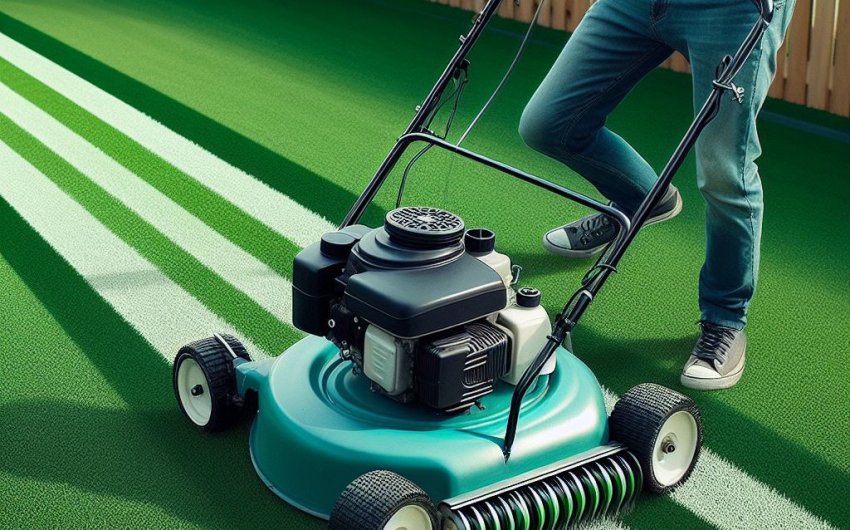
DIY lawn care hacks you need to know offer clever, often unconventional solutions to common lawn problems, saving you time, money, and effort. These creative lawn care hacks transform routine tasks into easy and delightful experiences, helping you achieve a healthier, more vibrant yard with minimal fuss. Discover smart shortcuts for a lush landscape.
Why Are Lawn Care Hacks So Popular and Effective?
Lawn care hacks have exploded in popularity because they provide ingenious, often budget-friendly solutions to common gardening dilemmas, making lawn maintenance accessible and less daunting. These clever shortcuts and unconventional tricks resonate with homeowners looking to maximize results with minimal fuss. Understanding their effectiveness reveals why these DIY delights are essential for anyone seeking creative lawn care hacks you need to know.
How Do Creative Lawn Care Hacks Save You Time and Money?
Creative lawn care hacks are ingenious shortcuts that offer significant savings in both time and money, making them invaluable for busy and budget-conscious homeowners. By re-imagining tools, repurposing household items, and streamlining tasks, these DIY delights dramatically simplify lawn care. Understanding these efficiencies highlights why they're truly lawn care hacks you need to know.
Here's how creative lawn care hacks save you time and money:
Time Savings:
- Streamlined Tasks: Many hacks offer quicker ways to perform routine tasks, reducing the overall time spent on maintenance. For example, using a DIY spreader for compost or a quicker method for cleaning tools.
- Preventative Solutions: Some hacks focus on prevention (e.g., natural weed deterrents), which saves time later spent fighting established problems.
- Multi-Purpose Tools: Repurposing items or using tools in unconventional ways can eliminate the need to switch between specialized equipment, speeding up a job.
- Automation/Simplification: Simple DIY automation tricks (like a basic hose timer for watering) reduce manual oversight.
- Efficient Problem Solving: Quick, effective solutions to common issues (like fixing bare spots) prevent problems from escalating into larger, more time-consuming projects.
- Overall: Incorporating several hacks can collectively save dozens of hours per season, freeing up your weekend for other activities.
Money Savings:
- Repurposing Household Items: Many hacks involve using everyday items (cardboard, buckets, dish soap) instead of buying specialized, often expensive, lawn care products or tools.
- DIY Solutions Over Professional Services: Learning to do tasks yourself (like sharpening blades, making natural weed killers) eliminates the need to pay for professional services.
- Reduced Product Purchases: Making your own natural fertilizers or pest deterrents reduces the need to buy costly chemical alternatives.
- Extended Equipment Lifespan: Hacks that focus on quick cleaning or simple maintenance (like sharpening blades with a file) extend the life of your existing tools, delaying replacement costs.
- Water Conservation: Hacks that promote efficient watering (e.g., deep watering using tuna cans) can significantly lower your water bill.
- Preventing Costly Problems: Proactive hacks (e.g., for early pest detection) prevent small issues from becoming major infestations or widespread damage that requires expensive treatments or reseeding.
- Resourcefulness: Fosters a resourceful mindset, encouraging you to find creative, budget-friendly solutions instead of always buying new.
What are the Hidden Benefits of Using Clever DIY Lawn Solutions?
Beyond saving time and money, employing clever DIY lawn solutions brings numerous hidden benefits that enrich your gardening experience and foster a deeper connection with your outdoor space. These creative lawn care hacks extend to environmental impact, personal satisfaction, and overall garden resilience. Understanding these less obvious advantages highlights why these DIY delights are truly lawn care hacks you need to know.
Here are the hidden benefits of using clever DIY lawn solutions:
- Environmental Friendliness:
- Reduced Chemical Use: Many DIY hacks promote natural or organic solutions for weeds, pests, and fertilization, minimizing the introduction of harmful chemicals into your soil, water, and ecosystem.
- Lower Carbon Footprint: Repurposing items, using manual tools, or extending equipment life reduces waste and the energy associated with manufacturing and transport.
- Supports Biodiversity: Chemical-free approaches create a healthier habitat for beneficial insects, pollinators, and soil microbes.
- Increased Gardening Knowledge and Skills:
- Learning by Doing: Engaging in DIY solutions forces you to learn about plant biology, soil science, and pest cycles, deepening your gardening expertise.
- Empowerment: Gaining confidence in your ability to solve problems independently reduces reliance on external services.
- Enhanced Problem-Solving Abilities:
- Creative Thinking: Hacks encourage you to think outside the box, repurpose items, and adapt solutions to your specific yard.
- Resourcefulness: You learn to make the most of what you have, fostering a resourceful mindset.
- Deeper Connection to Your Garden:
- Personal Investment: When you personally apply solutions and see the results, you develop a stronger sense of ownership and connection to your outdoor space.
- Satisfaction: The pride of solving a problem or nurturing a thriving lawn using your own ingenuity is incredibly rewarding.
- Improved Soil Health (Often):
- Many natural hacks, especially those involving organic materials (e.g., compost tea, grass clippings), actively improve soil structure and microbial activity, leading to a healthier foundation for your grass.
- Safer for Family and Pets:
- Using non-toxic, homemade, or mechanical solutions ensures your yard is a safe play area for children and pets without exposure to potentially harmful chemicals.
- Customized Solutions: DIY hacks can be tailored precisely to your specific lawn's needs, rather than relying on generic, off-the-shelf products.
What are Creative Mowing and Watering Hacks?
To master DIY lawn care hacks you need to know, focusing on creative mowing and watering hacks can dramatically streamline your routine and conserve resources. These ingenious shortcuts transform two of the most frequent lawn tasks, making them more efficient and effective. Embracing these DIY delights ensures your lawn receives optimal care with minimal effort.
How Can You Get a Better Cut and Save Time Mowing?
To get a better cut and save time mowing, implementing clever creative mowing hacks can dramatically improve your lawn's appearance while reducing effort. These simple adjustments to your mowing routine and equipment ensure a pristine finish and more efficient operation. Such DIY delights are truly lawn care hacks you need to know for a healthier, more beautiful turf.
Here are creative mowing hacks to get a better cut and save time:
- The "One-Third Rule" Hack:
- Hack: Instead of mowing purely on a schedule (e.g., every Saturday), only cut off one-third of the grass blade's total height at any single mowing.
- How it saves time/improves cut: Prevents scalping, which severely stresses the grass and causes brown patches. Healthy, unstressed grass grows more consistently, looks greener, and needs less recovery time. It also means you sometimes mow less frequently during slower growth periods.
- Why it works: Keeps grass healthy, promoting deeper roots and a denser turf that naturally crowds out weeds.
- The Tennis Ball/Ribbon Test for Sharp Blades Hack:
- Hack: Before mowing, cut a tennis ball or a piece of paper with your mower blade (while it's off and safe!). If it makes a clean cut, your blade is sharp. If it rips or tears, it's dull. Alternatively, after mowing, check grass blades; if tips are frayed and white, your blade is dull.
- How it saves time/improves cut: Alerts you to a dull blade, which tears grass, leading to brown tips and a dull-looking lawn. Sharp blades give a clean cut, heal quickly, and improve overall lawn health and appearance.
- Why it works: Sharp blades are fundamental for a pristine lawn and prevent disease. You can sharpen it yourself with a lawn mower blade sharpener.
- The Vary Mowing Pattern Hack:
- Hack: Don't mow in the same direction every time. Alternate your patterns (e.g., north-south one week, east-west the next, then diagonally).
- How it saves time/improves cut: Prevents turf from leaning in one direction and reduces compaction in specific wheel paths, promoting more even growth and a truly flat, lush look.
- Why it works: Distributes wear and tear, encourages upright grass, and avoids rutting.
- The Edging First/No-Catch Edging Hack:
- Hack: Mow a perimeter strip or two around the edges of your lawn before doing the main passes. Or, use a string trimmer to edge before mowing.
- How it saves time/improves cut: Allows you to mulch the clippings from the edges back into the main lawn, eliminating the need to bag them separately. Gives a cleaner finished edge.
- Why it works: More efficient clipping management and a tidier appearance.
- The Coffee Can (or Tuna Can) Grass Catcher Hack:
- Hack: Attach an empty coffee can to the back of your string trimmer with zip ties or strong tape to catch clippings from edging around garden beds.
- How it saves time/improves cut: Prevents flung grass from landing in your flower beds, saving you time on cleanup.
- Why it works: Keeps beds neat with minimal effort.
What are Clever Ways to Water Your Lawn More Efficiently?
To master DIY lawn care hacks you need to know, embracing clever ways to water your lawn more efficiently is paramount. These ingenious shortcuts maximize every drop, promoting deep root growth while drastically conserving water and reducing your utility bills. Such creative lawn care hacks are essential for a thriving lawn, especially in dry conditions.
Here are clever ways to water your lawn more efficiently:
- The Tuna Can Water Gauge Hack:
- Hack: Place several empty tuna cans (or similar shallow containers) across your lawn before watering. Run your sprinkler for 20-30 minutes, then measure the average amount of water collected in the cans. This tells you how long it takes your sprinkler to deliver about 1 inch of water.
- How it saves time/money: Prevents overwatering (which wastes water and harms your lawn) and underwatering (which stresses it). You learn exactly how long to water to achieve the optimal "deep" soak.
- Why it works: Essential for implementing the "deep and infrequent" watering rule. You only water when your lawn needs it, delivering enough to encourage deep roots.
- The Screwdriver/Soil Moisture Test Hack:
- Hack: Before watering, push a long screwdriver or a soil moisture meter into your lawn. If it penetrates easily to 6-8 inches, your lawn likely doesn't need water yet. If it's hard to push in or the meter reads dry, it's time.
- How it saves time/money: Prevents watering on a rigid schedule that ignores actual needs. Saves water by only watering when truly necessary.
- Why it works: Teaches you to listen to your lawn, encouraging deep roots as they seek out moisture.
- The Watering in the Morning Hack:
- Hack: Set sprinklers to run between 4 AM and 10 AM.
- How it saves time/money: Minimizes water lost to evaporation from midday sun and wind. Allows grass blades to dry before evening, preventing fungal diseases (which require time and money to treat).
- Why it works: Maximizes water penetration and minimizes disease risk, leading to healthier grass with less fuss.
- The "Cycle and Soak" Hack for Slopes/Clay:
- Hack: For sloped lawns or heavy clay soils prone to runoff, divide your watering session into multiple shorter cycles. Water for 10-15 minutes, wait an hour for it to soak in, then water again. Repeat until you reach the desired depth.
- How it saves time/money: Prevents wasteful runoff, ensuring water actually penetrates the soil and gets to the roots, not down the driveway.
- Why it works: Allows water to infiltrate slowly, making watering efficient on difficult terrain.
- The Rain Barrel Rainwater Collection Hack:
- Hack: Install a rain barrel under a downspout to collect free rainwater.
- How it saves money: Provides a free, natural, chlorine-free water source for spot watering, container plants, or even topping off a sprinkler system. Reduces your municipal water bill.
- Why it works: Eco-friendly and economically smart.
What are Ingenious Soil Health and Fertilization Hacks?
To cultivate a vibrant, resilient lawn, incorporating ingenious soil health and fertilization hacks is essential among the DIY lawn care hacks you need to know. These clever solutions focus on nurturing the foundation of your lawn – the soil – often using natural and cost-effective methods. Such creative lawn care hacks lead to healthier grass with fewer chemical inputs.
How Can You Naturally Improve Your Soil for a Healthier Lawn?
To naturally improve your soil for a healthier lawn, embracing clever creative lawn care hacks is key. These ingenious, often organic, methods enhance soil structure, nutrient availability, and microbial life, building a robust foundation for your grass. Such DIY delights are crucial for lawn care hacks you need to know that prioritize long-term soil vitality and reduce reliance on synthetic inputs.
Here are natural hacks to improve your soil for a healthier lawn:
- The "Leave the Clippings" (Mulch Mowing) Hack:
- Hack: After mowing, leave short grass clippings on your lawn.
- How it improves soil: Clippings rapidly decompose, returning valuable organic matter, nitrogen, potassium, and phosphorus to the soil. This acts as a natural, slow-release fertilizer and boosts microbial activity.
- Why it works: It's free fertilizer, reduces waste, and directly adds organic matter to improve soil structure and water retention. Use a mulching mower blade for best results.
- The Compost Tea Sprayer Hack:
- Hack: Brew your own compost tea by steeping compost in water (with aeration) for 24-48 hours, then strain and apply the liquid with a garden sprayer or hose-end sprayer.
- How it improves soil: Infuses your lawn with beneficial microorganisms and soluble nutrients, enhancing soil biology and overall health.
- Why it works: Acts as a gentle, natural liquid fertilizer and soil conditioner, promoting disease resistance and vitality. You can find compost tea brewers for easier brewing.
- The Soil Test Kit Hack (DIY version):
- Hack: Instead of guessing, use an affordable DIY soil test kit to check your soil's pH and basic nutrient levels.
- How it improves soil: Helps you tailor your fertilization and amendments (e.g., lime or sulfur) precisely to your lawn's needs, preventing over-application and ensuring optimal nutrient availability.
- Why it works: Takes the guesswork out of feeding your soil, making your efforts more effective.
- The Gypsum for Clay Soil Hack:
- Hack: For compacted clay soils, spread gypsum (calcium sulfate) across your lawn.
- How it improves soil: Gypsum helps to flocculate (clump together) clay particles, improving soil structure, drainage, and aeration. This loosens the soil.
- Why it works: Can be a good amendment for heavy clay, making it less prone to compaction. Look for lawn gypsum granular.
- The Aeration Spike Shoes Hack (with caution):
- Hack: Strap on aeration spike shoes and walk around your lawn.
- How it improves soil: While not as effective as a core aerator, these can provide very superficial aeration, helping a bit with water penetration.
- Why it works: A simple, low-effort way to get some air and water into the topsoil. Note: Best for very lightly compacted areas, not a substitute for core aeration.
What are Easy, Non-Toxic Ways to Fertilize Your Lawn?
To effectively fertilize your lawn with minimal effort and without chemicals, embracing easy, non-toxic ways to fertilize your lawn is a smart strategy among the DIY lawn care hacks you need to know. These creative lawn care hacks nourish your grass naturally, promoting long-term health and vibrant color while protecting the environment. Discover simple, sustainable feeding solutions.
Here are easy, non-toxic ways to fertilize your lawn:
- The Beer & Soda (or Dish Soap) Liquid Fertilizer Hack:
- Hack: Mix a can of regular (not diet) beer, a can of non-diet cola (or 1/2 cup ammonia and 1/4 cup dish soap), and 1/2 cup mouthwash in a large sprayer bottle, then fill with water. Spray your lawn.
- How it fertilizes: The beer and soda provide sugars and trace nutrients that stimulate soil microbes, which then help break down organic matter and release nutrients for your grass. Ammonia adds nitrogen. Mouthwash helps control fungus. Dish soap acts as a wetting agent.
- Why it works: A quick, inexpensive boost that feeds the soil ecosystem.
- The Epsom Salt Green-Up Hack:
- Hack: Dissolve 2 tablespoons of Epsom salts in 1 gallon of water and spray on your lawn (for small areas) or spread granular Epsom salts with a fertilizer spreader at a rate of 1 lb per 100 sq ft.
- How it fertilizes: Epsom salts provide magnesium and sulfur, two micronutrients essential for chlorophyll production. Magnesium is the central molecule in chlorophyll, so it can significantly enhance green color.
- Why it works: Gives a quick, natural green boost, especially if your soil is deficient in magnesium.
- The Coffee Grounds Fertilizer Hack:
- Hack: Sprinkle used coffee grounds directly onto your lawn.
- How it fertilizes: Coffee grounds contain nitrogen, phosphorus, and potassium, as well as trace minerals. They slowly release these nutrients as they decompose. They also slightly acidify the soil, which can be beneficial in alkaline areas.
- Why it works: Free, natural, slow-release fertilizer that also improves soil structure and attracts earthworms.
- Tips: Apply thinly to avoid clumping.
- The Molasses Soil Booster Hack:
- Hack: Mix 1/4 to 1/2 cup of liquid molasses (unsulphured) per gallon of water in a sprayer and apply to your lawn.
- How it fertilizes: Molasses is rich in sugars, which are a food source for beneficial soil microbes. These microbes then help release nutrients and improve soil health.
- Why it works: Boosts microbial activity, leading to healthier soil and better nutrient cycling, resulting in a greener lawn.
- The Urine Fertilizer Hack (Diluted and Careful):
- Hack: Dilute human urine with at least 10 parts water (1:10 ratio) and apply to small patches of lawn.
- How it fertilizes: Urine is high in nitrogen, providing a quick fertilizer boost.
- Why it works: A natural, free source of nitrogen.
- Caution: Must be heavily diluted to avoid burning the grass. Use only for small areas and infrequently. Avoid on new seedlings.
What are Smart Weed and Pest Control Hacks?
For a resilient, pristine lawn, incorporating smart weed and pest control hacks is paramount among the DIY lawn care hacks you need to know. These creative lawn care hacks employ non-toxic and ingenious methods to keep unwanted invaders at bay, protecting your turf while minimizing chemical use and effort. Discover clever ways to naturally defend your yard.
How Can You Eliminate Weeds Without Harsh Chemicals?
To effectively eliminate weeds without harsh chemicals, embracing creative lawn care hacks is essential. These ingenious, non-toxic methods provide homeowners with powerful alternatives to herbicides, safeguarding the environment and your family. Such DIY delights are key lawn care hacks you need to know for a pristine, chemical-free yard.
Here are creative hacks to eliminate weeds without harsh chemicals:
- The "Boiling Water" Kill Hack (for Patios/Cracks):
- Hack: Carefully pour boiling water directly onto weeds growing in cracks in your driveway, patio, or sidewalks.
- How it works: The extreme heat instantly ruptures plant cells, killing the weed.
- Why it works: Fast, effective, and completely chemical-free for hard surfaces.
- Caution: Do NOT use on your lawn, as it will kill grass too. Be careful not to splash yourself.
- The Newspaper/Cardboard Smother Hack:
- Hack: For larger weed patches you want to eliminate before planting, cover them with several layers of wet newspaper or cardboard, then top with mulch or soil.
- How it works: Blocks sunlight, smothering and killing weeds underneath.
- Why it works: Chemical-free, adds organic matter, and prepares a new planting bed.
- Best for: Preparing new garden beds, not for active lawn areas.
- The Horticultural Vinegar Spot Treat Hack:
- Hack: Fill a spray bottle with horticultural vinegar (10-20% acetic acid, NOT household vinegar) and carefully spray individual broadleaf weeds.
- How it works: The high acidity burns and desiccates the weed foliage on contact.
- Why it works: Fast-acting, chemical-free (though highly acidic), good for spot treatment.
- Caution: Non-selective, so it will kill grass too. Use with extreme precision and wear eye protection. A weed spot spray bottle is helpful for accuracy.
- The "Healthy, Dense Lawn" Hack (Ultimate Prevention):
- Hack: Focus all your efforts on creating a robust, thick, healthy lawn through proper mowing (taller height), deep watering, and organic feeding.
- How it works: A dense grass canopy shades the soil, blocking sunlight for weed seeds. Strong grass outcompetes any weeds that do sprout.
- Why it works: This is the most sustainable and effective long-term weed control.
What are DIY and Natural Solutions for Common Lawn Pests?
To protect your lawn from unwelcome insects without resorting to harsh chemicals, implementing DIY and natural solutions for common lawn pests is essential among the DIY lawn care hacks you need to know. These creative lawn care hacks leverage household items and biological methods, offering safe and effective ways to manage infestations. Discover clever, non-toxic pest control secrets.
Here are DIY and natural solutions for common lawn pests:
- The Dish Soap Spray Hack for Aphids/Mites:
- Hack: Mix 1-2 teaspoons of mild dish soap (e.g., Dawn) with 1 gallon of water in a spray bottle. Spray directly onto aphids, spider mites, or whiteflies on affected areas of your lawn or garden.
- How it works: The soap dissolves the waxy outer layer of soft-bodied insects, causing them to dehydrate and die.
- Why it works: Non-toxic, immediate contact killer for common soft-bodied pests.
- Tips: Apply in the morning or evening. Test on a small area first. Reapply as needed. A garden pump sprayer is great for larger areas.
- The Garlic/Chili Pepper Spray Repellent Hack:
- Hack: Blend several cloves of garlic (or a few hot chili peppers) with water, let it steep, strain, and mix with a little dish soap. Dilute with water and spray on plants.
- How it works: Acts as a repellent due to strong odors and irritating compounds, discouraging pests from landing and feeding.
- Why it works: Natural, non-toxic deterrent.
- Tips: Reapply after rain.
- The Beer Trap Hack for Slugs and Snails:
- Hack: Bury shallow containers (like tuna cans) up to their rims in the ground near affected plants. Fill with cheap beer.
- How it works: Slugs and snails are attracted to the yeast in the beer, crawl in, and drown.
- Why it works: Inexpensive, effective, and non-toxic for controlling slugs and snails.
- The Diatomaceous Earth (DE) Barrier Hack:
- Hack: Sprinkle a fine layer of food-grade diatomaceous earth around the base of plants or affected areas.
- How it works: Microscopic, sharp edges of DE abrade the exoskeletons of crawling insects, causing them to dehydrate and die.
- Why it works: Natural, non-toxic physical killer for crawling insects.
- Caution: Works best when dry. Wear a mask to avoid inhaling fine dust.
- The Beneficial Nematode Grub Control Hack:
- Hack: Purchase and apply beneficial nematodes (microscopic worms) to your lawn.
- How it works: Nematodes seek out and kill specific soil-dwelling pests like grubs, billbug larvae, and flea beetle larvae.
- Why it works: Highly effective, natural, and safe biological control.
- Tips: Apply to moist soil when soil temperatures are appropriate for the nematode species.
By integrating these DIY lawn care hacks you need to know, you unlock a treasure trove of creative lawn care hacks that streamline your routine, save money, and nurture a healthier, more vibrant yard. These DIY delights empower you to tackle common challenges with ingenuity and confidence, transforming lawn maintenance from a chore into a rewarding part of cultivating your perfect outdoor space.